




Football, the sport that captures the hearts of billions worldwide, has a long history of evolution both in its rules and its cultural impact. From 1993 to 2004, fans had to hold their breath in anticipation of the Golden Goal – a rule used to decide knockout matches that went into extra time. According to this rule, the first team to score during extra time would immediately win the match. The Golden Goal is especially remembered by the teams that benefited from it (Germany in the Euro 1996 Final, France in the Euro 2000 Final). Despite moments of pure adrenaline and drama, the rule was abandoned in 2004, replaced by regular extra time and the Silver Goal (which was used less often and also abandoned shortly after).
Today, the world of football faces a challenge that may be less thrilling but far bigger and more complex: the climate emergency. Climate change, with its increasingly evident and alarming consequences, has forced the football industry to look beyond the pitch and consider its role in the global environmental crisis. It is in this context that the concept of the “Green Goal” has emerged – a movement that represents a fundamental paradigm shift in the sport. This innovative approach aims to transform football from a potential contributor to the climate problem into a catalyst for positive change. The “Green Goal” is not just about changing the rules of the game, but about redefining the entire football ecosystem, from stadium management to event organization, and even fan behavior.
This transition towards a greener football is not without challenges. It requires significant investments, changes to well-established habits, and unprecedented collaboration between clubs, federations, sponsors, and fans. However, the potential positive impact is enormous. Football, with its global reach and power to influence billions of people, has a unique opportunity to lead a cultural shift towards sustainability. The “Green Goal” is therefore much more than just an environmental initiative in the world of sport. It is a symbol of how even the most traditional and beloved institutions can and must adapt to the challenges of our time.
While the “Golden Goal” marked an exciting but brief era in football history, the “Green Goal” aims to usher in a new era of environmental and social responsibility, ensuring that the world’s most popular sport can continue to thrive on a healthy and sustainable planet for future generations.
Football, despite its spirit of competition and entertainment, has a significant environmental impact. The main sources of pollution come from the intensive use of energy in stadiums, the transport of fans and teams, the production of sports equipment, and the construction of infrastructure. A report by the British organization *Carbon Trust* estimated that a single Premier League match emits around 1.5 tons of CO2. Considering the entire championship, with 380 matches per season, the overall impact is enormous. FIFA itself has acknowledged that the World Cup generates significant greenhouse gas emissions. During the 2018 World Cup in Russia, it was estimated that the event generated around 2.16 million tons of CO2, most of which came from international transportation of fans and teams. Although final data on the World Cup in Qatar are not yet available, preliminary estimates suggest they may have surpassed these figures.
In recent years, global football organizations have become aware of the problem and have begun to take significant initiatives to make the sport more sustainable. One of the first concrete steps is UEFA‘s commitment, launching the “Respect the Environment” program with the goal of reducing event-related emissions by 50% by 2030. This project aims to make major international tournaments, starting with the Euros held in Germany this year, environmentally sustainable events. Stadiums have been equipped with solar panels, rainwater recovery systems, and recycling policies for materials used during competitions. In addition, efforts have been made to reduce the use of single-use plastics in stadiums, promote public transportation for fans, and adopt green technologies for pitch maintenance.
Major football clubs are also seeking to embrace the sustainability movement, not only to respond to growing environmental concerns but also because the public, especially younger audiences, are increasingly sensitive to these issues. Clubs like Arsenal and Manchester City have heavily invested in sustainable facilities. Arsenal’s Emirates Stadium, for example, is equipped with a solar energy system, while Manchester City has introduced a rainwater recycling irrigation system for its pitch. In Italy, Juventus has embarked on an energy efficiency project, making the Allianz Stadium one of the most sustainable stadiums in Europe, with solar energy systems and water recycling systems.
Serie A has also announced plans to adopt stricter environmental policies, aiming to make competitions sustainable by 2030, building on the initiatives undertaken during the last Coppa Italia final.
The goals set by global football organizations are ambitious. FIFA has committed to becoming carbon neutral by 2040, through emissions reductions, the use of renewable energy, and carbon offset programs. The stadiums for the next World Cup in 2026, to be held in Canada, the United States, and Mexico, are designed to minimize environmental impact, and it is expected that about 30% of the energy used will come from renewable sources.
Attention to sustainability in football is set to grow, not only for environmental reasons but also in response to increasing pressure from fans and sponsors. Multinational companies, often partners of football clubs, are pushing for greener policies, aware that greater environmental responsibility is crucial for the reputation and success of their brand. Sponsors such as adidas and Nike have already launched sustainable production programs for team jerseys, using recycled materials.
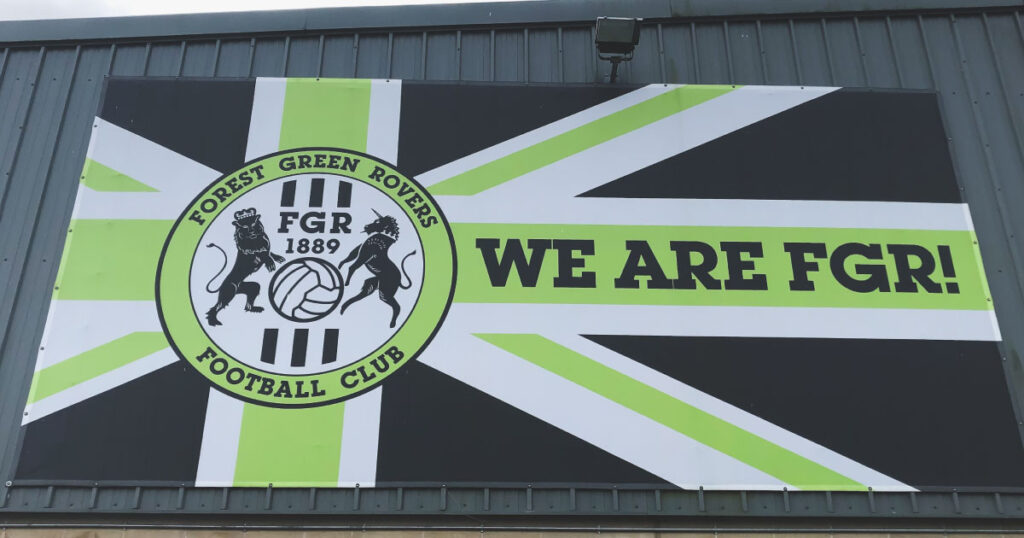
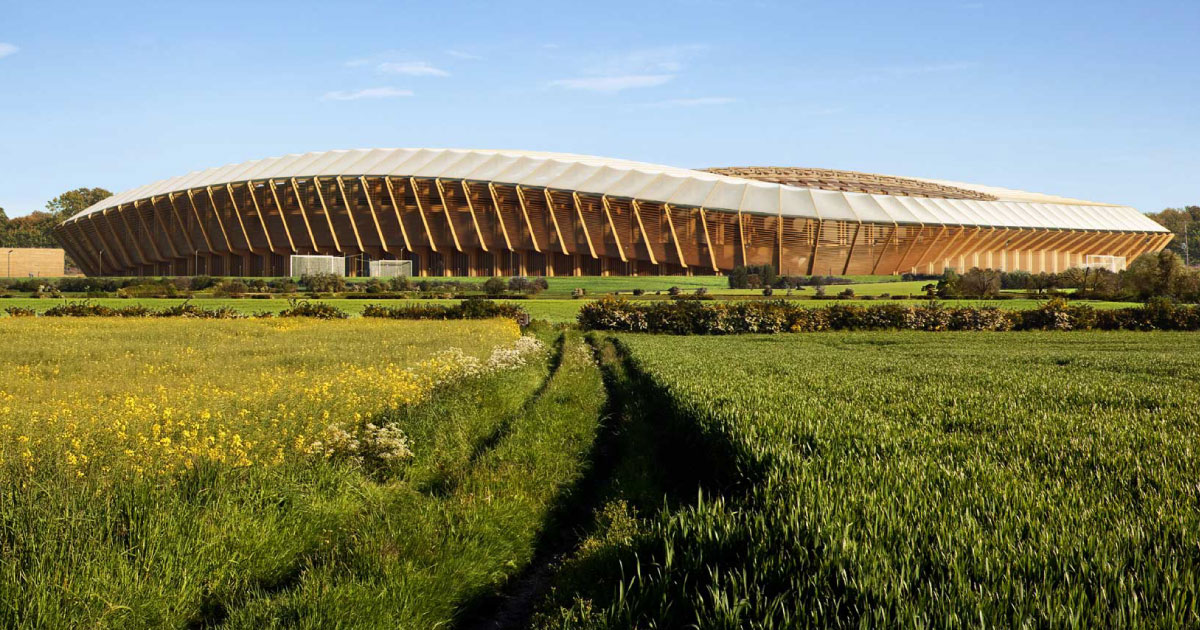
Additionally, fans themselves are increasingly involved in promoting sustainability. Some clubs, like Forest Green Rovers in England, have stood out as pioneers in the field of “green football.” Forest Green is, in fact, the first fully sustainable football club in the world, with a wooden stadium and 100% vegan meals for players and staff.
The transition from the “Golden Goal” to the “Green Goal” is a symbolic shift that reflects a global necessity. Football has the potential to become a leader in the movement towards sustainability, influencing billions of people worldwide. The goals are ambitious, but with the support of fans, teams, and organizations, the future of football could not only be greener but also fairer and more inclusive for all.
By Ivan Ortenzi
From the “Golden Goal” to the “Green Goal” – The Sustainable Future of Football
Football, the sport that captures the hearts of billions worldwide, has a long history of evolution both in its rules and its cultural impact. From 1993 to 2004, fans had to hold their breath in anticipation of the Golden Goal – a rule used to decide knockout matches that went into extra time. According to this rule, the first team to score during extra time would immediately win the match. The Golden Goal is especially remembered by the teams that
Beyond glory: Analysing Manchester United’s financial health in the post-Ferguson era
Manchester United FC are one of the most well-known names in football history with a global fan base that can rival any other. However, instead of a string of successes, most headlines about the club in recent years have been about their struggles both on and off the pitch. The recent partial takeover by Sir Jim Ratcliffe promises a turnaround, but what challenges are they facing exactly? With the help of Football Benchmark data & analysis, let’s explore the financial
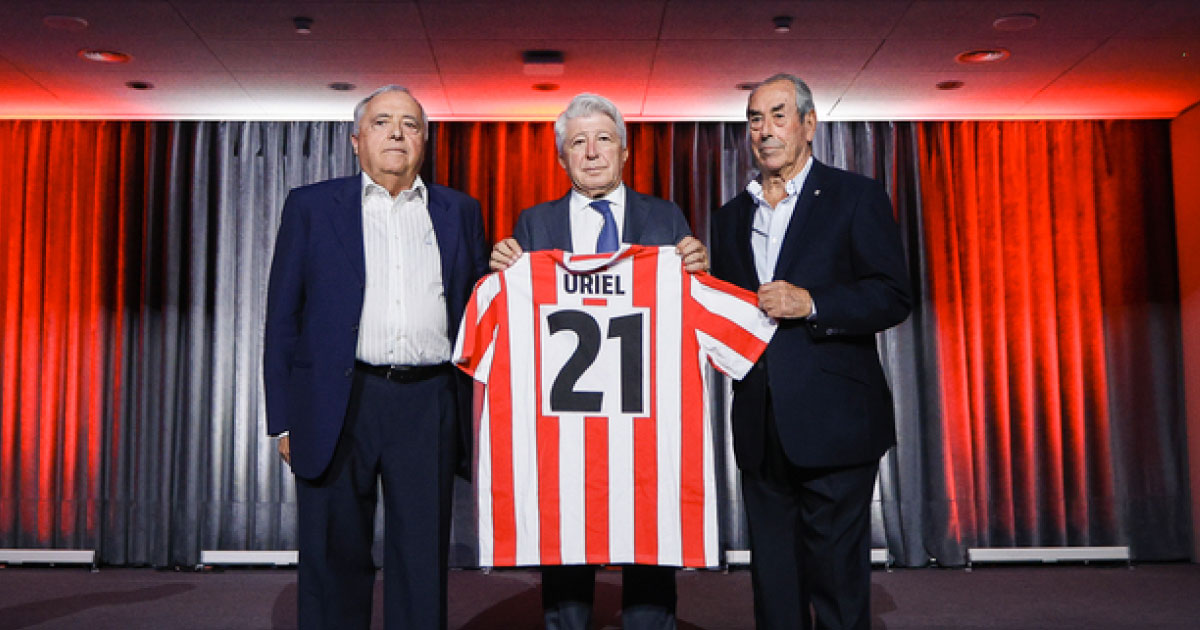
Marino Uriel helps Atletico Madrid raise awareness of Alzheimer’s
Using the symbolic character of a fictional Atleti player from the 1970s, we put ourselves in the shoes of those suffering from the disease. This Tuesday, the auditorium at the Cívitas Metropolitano hosted the presentation of a campaign to raise awareness of Alzheimer’s disease. Atlético de Madrid created the project in collaboration with the Association for the Families of Alzheimer’s Patients of Madrid (AFEAM). The campaign’s central figure is Marino Uriel Hestfuz, a fictional player who played for the Club during

Kickoff for “Extra Time Almaviva”: the SFS Startup Competition
Rome, September 18, 2024 – The call for the SFS startup competition is officially open, marking the 6th edition of the event. Since 2018, this challenge has become a crucial reference point for startups operating in the sports sector, particularly in the football industry. With over 250 applications received and 40 startups selected in previous editions, SFS has helped promote successful startups such as Stargraph, Olympialex, H-Cube, Ticketoo, Floky, Pick Roll, Up2You, Kama Sport, Floky42, MorphCast, NFT Lab, and Dachain. Over

Golden Boy Race: How Lamine Yamal leads Europe’s elite young players
Today, players are breaking into first-team football at increasingly younger ages, with Lamine Yamal serving as a standout example. Currently topping the Golden Boy Football Benchmark Index ranking as of September, the FC Barcelona sensation has already amassed over 4,100 minutes in senior matches by the age of just 17 years and 2 months. To put this into perspective, at the same age, legends such as Lionel Messi, Cristiano Ronaldo, Luka Modric, Sergio Ramos, and Xavi had yet to play

FOOTBALL DIGITAL REVOLUTION
by Ivan Ortenzi Docente MBA and di Sport Industry Football is facing a crucial challenge: embracing digital transformation to ensure the sustainability and growth of its business. Today, in the digital age, fan attention and their online engagement represent fundamental resources, and the ability to engage them effectively has become a critical success factor. However, the football sector must evolve rapidly to respond to the pressures of an increasingly competitive market between the rigidity of traditional costs and the urgency to
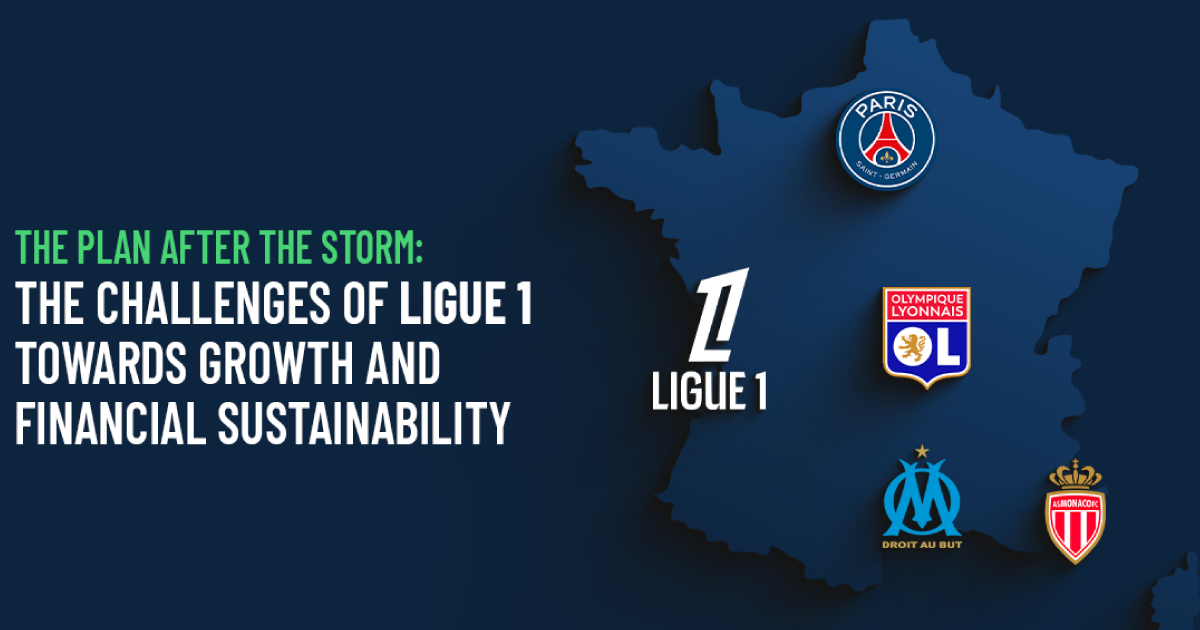
The plan after the storm: the challenges of Ligue 1 towards growth and financial sustainability
Once a vibrant display of French football talent, Ligue 1 now faces a critical turning point. The league’s financial health has been steadily declining compared to other European leagues, driven by escalating costs and an overdependence on player trading, exacerbating its vulnerability. The absence of a robust financial regulatory framework, combined with a challenging domestic media landscape, has placed the league in a difficult situation. After the fresh re-election of Vincent Labrune as the President of the LFP, the governing body
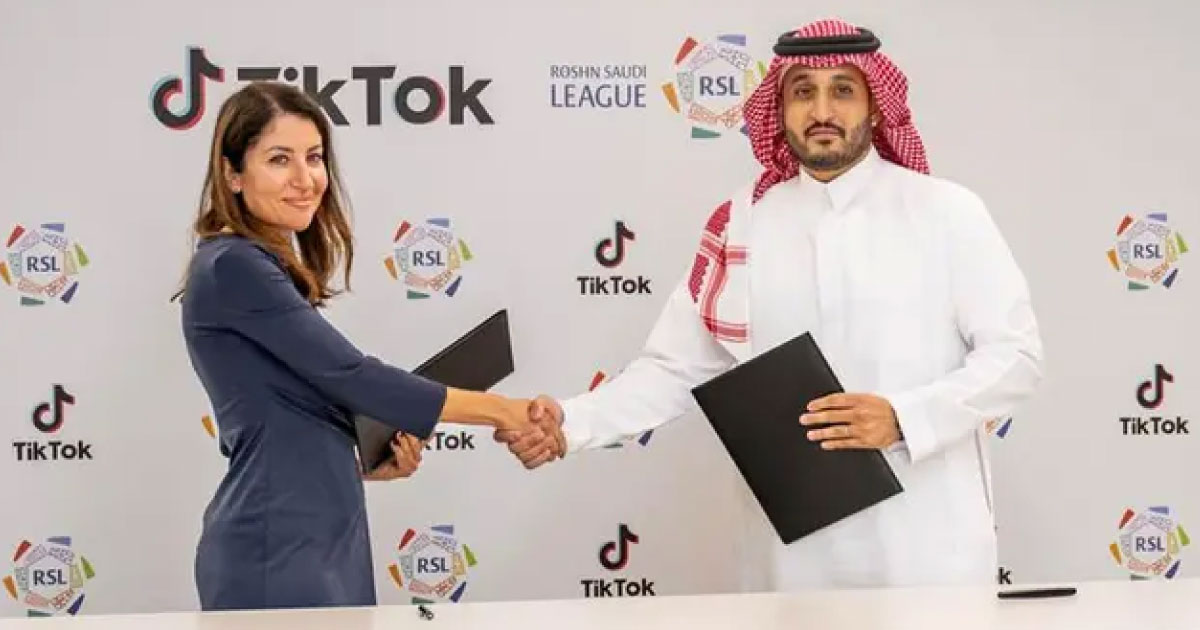
Saudi Pro League partners with TikTok to elevate the digital fan experience
TikTok to launch a dedicated SPL Exclusive Hub The Saudi Pro League (SPL) is proud to announce TikTok as its ‘Digital Partner’ for the 2024-25 season. TikTok is the leading destination for short-form mobile video and with this partnership, aims to create an unparalleled digital experience for football fans across the region and beyond. In this official partnership, TikTok will introduce a dedicated SPL Exclusive Hub, a central space where fans can access content from the league's clubs and partners. This hub
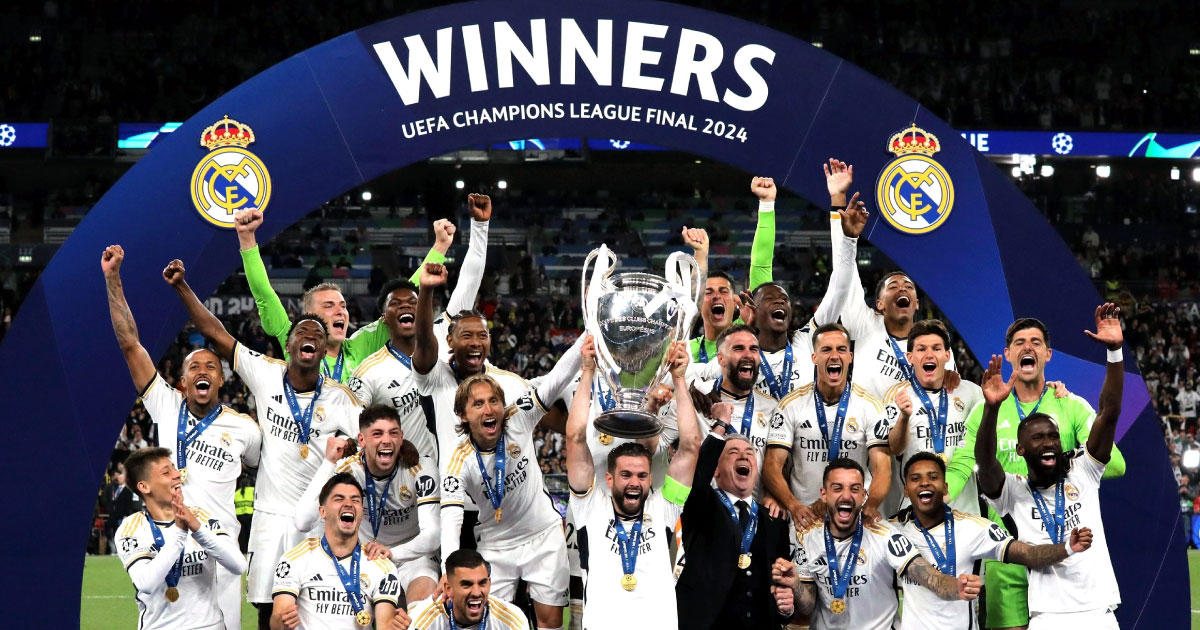
Tomorrow at 6:00 PM, the curtain will rise on the new Champions League.
The first with the format that features a single league table, with a total of 36 teams (4 more than those in the previous competition structure), in effect until last year. The New Features Compared to the previous format, the one that will be used starting this year involves a greater number of matches. The tournament will move from the six matches of the old group stage to eight, which will characterize the first phase. The clubs will continue to be divided

MLS & Continental Tire launch 11th annual Kick Childhood Cancer campaign
This September, Major League Soccer and Continental Tire are teaming up during Childhood Cancer Awareness month for the 11th annual “Kick Childhood Cancer” (KCC) campaign to raise awareness and funds for pediatric cancer research and treatment. Throughout the month, Continental Tire has committed to donating $50,000 to fund pediatric cancer research. Fans are encouraged to support the campaign by sharing a message of hope for children and families in the fight against cancer using #KickChildhoodCancer. The Kick Childhood Cancer campaign will benefit