





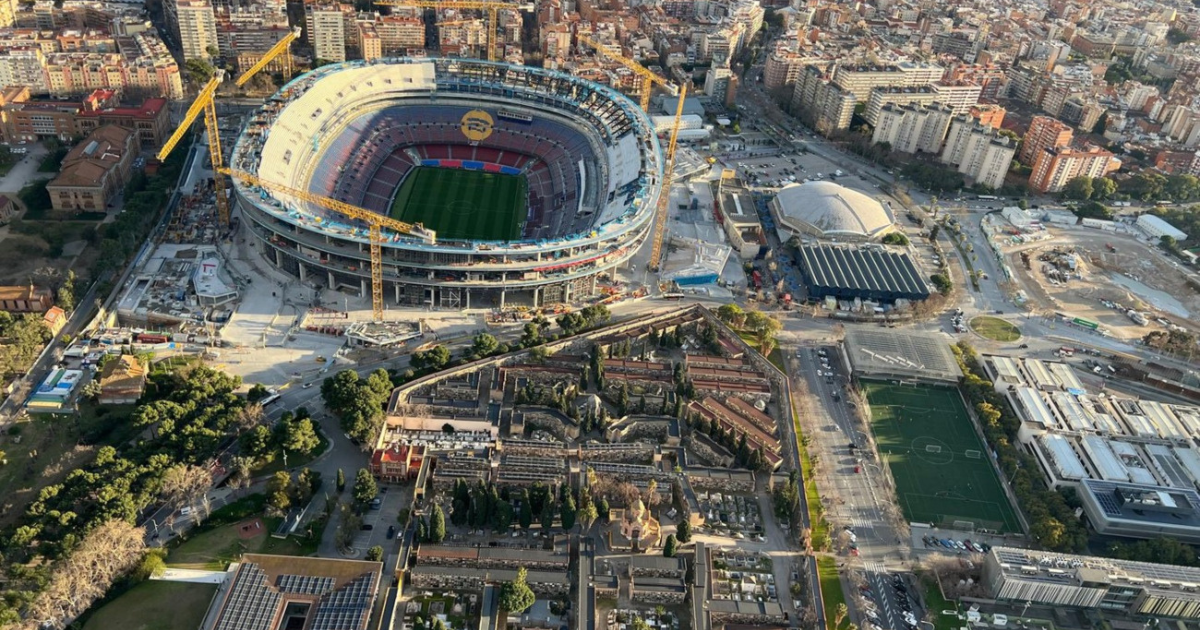
Spotify Camp Nou: Barcelona Shields the Core of its Business with 14,000 New Seats for Members
More than just bricks and mortar: the return to the new Camp Nou transforms club members into a true competitive asset, blending Revenue Management with brand loyalty.
As redevelopment work at the Spotify Camp Nou continues at full speed, FC Barcelona is sending a clear message to the club’s beating heart: its members (socios). In a recent official statement, the management confirmed that once municipal approval is secured for “Phase 1C” (concerning the Gol Nord section), the entire capacity increase will be reserved exclusively for season-ticket-holding members, reinforcing the communal bond that makes the club unique in the world.
Scalable management for the homecoming
Returning to the historic stadium is not just a complex logistical operation; it is a genuine challenge in Fan Experience and Revenue Management. Phase 1C involves opening approximately 14,000 new seats, allowing a substantial portion of the social base to finally return to the stadium atmosphere.
From an economic perspective, the club has opted for a flexible and sustainable pricing strategy. If the return takes place in early March as planned, prices for these new season tickets will range between €160 and €264, depending on the seat location. This balance is designed to ensure project profitability without overbalancing the financial burden on long-standing supporters who have patiently awaited the end of construction.
The member as a strategic asset and driver of digital transformation
In a modern football landscape increasingly driven by external investors and sovereign wealth funds, Barcelona is using this stage of the “Espai Barça” project to reaffirm the importance of its ownership model. Prioritizing members is not merely a romantic gesture; it is a long-term investment in loyalty.
This decision protects the club’s soul, ensuring that the “new home” does not become a cold tourist hub, but remains a living institution fueled by its community. Simultaneously, managing this transition is accelerating Digital Transformation within the club. Barça will soon launch specific digital procedures to allow members to request their seats in advance.
This shift demonstrates how technological innovation in ticketing has become essential for managing high volumes of requests in record time, ensuring transparency and meritocracy for those who supported the team during their “exile” at the Lluís Companys Olympic Stadium.
Why this move speaks to the entire football industry
The Catalan club’s approach offers several insights for the wider sports industry, starting with a “Community-First” philosophy. Prioritizing season-ticket holders over general sales—which are often more lucrative in the short term—means betting on the stability of the club-fan ecosystem.
Furthermore, the phased reopening serves as an interesting case study on how to operate a stadium as an active construction site, optimizing flows and revenues even during modernization. Ultimately, in a time of great institutional shifts, the solidity of the relationship with the masia social emerges as the key to both political and economic sustainability. The new Spotify Camp Nou does not just aim to be one of the most technologically advanced stadiums on the planet; it aspires to remain the symbol of a community proudly claiming its central role in the global football business.

