



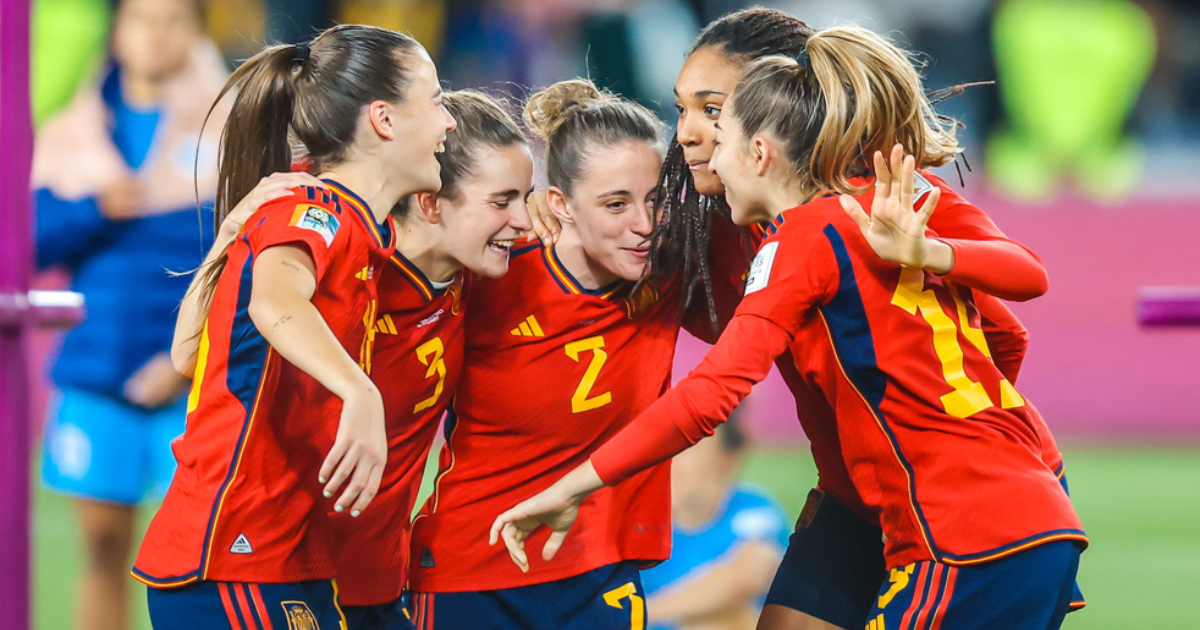
Athletes as Growth Partners
Using faces in a campaign is easy. Building value together with female athletes requires active listening, expertise, clear rules, and shared goals.
MOMENTUM | The Business of Women’s Sport — by SFS × The Breakaway
FAIR Pillar: Athletes
In the commercial jargon of sports, female athletes often appear at the very end: a post, an appearance at an event, a few pieces of content for a sponsor. They are cataloged among the available inventory, right alongside pitchside LEDs and logos on jerseys.
It is a narrow perspective that severely undervalues what female athletes can create for a club or a national team.
Female athletes are not just players: they are value ambassadors, true role models, and one of the primary emotional and cultural gateways to women’s sport. They can make a sports entity more relevant and more credible. But for this to happen, value must be engineered in both directions—from the athlete to the sports organization, and vice versa.
Within the FAIR framework created by The Breakaway, the Athletes pillar comes before monetization. Not because commercial value is secondary, but because no activation can endure if one of the primary figures supporting it lacks a voice, tools, and an authentic reason to participate.
Visibility does not automatically mean value
The Elite Female Athlete Survey 2025 by the Women’s Sports Alliance captures a telling reality. Within the sample, composed primarily of UK-based athletes, every single respondent had worked with at least one brand over the previous twenty-four months, yet 56.5% had never received financial compensation from a brand. “In-kind” gifting remains widespread. Furthermore, the survey reveals that only one in eight athletes felt highly confident in building their personal brand.
The priorities expressed by the athletes help clarify the core issue. 88% consider shared values essential when agreeing to a brand sponsorship; 50% seek relevance to their sport; 43.5% look at community impact. On the skills front, 63% would like more support in managing sponsorships, and 55% in social media strategy.
While these figures do not describe the entire global market, they highlight a clear point: the willingness of female athletes to collaborate is there, but skills, remuneration, and governance are not yet aligned with the level of exposure required.
The risk is twofold. The club loses a growth driver by engaging athletes in an episodic manner. Meanwhile, the athletes find themselves managing a second job—creating content, fostering community, and handling partner relationships—without the necessary skills or support.
Not everyone has to become an influencer
A communication strategy centered on athletes does not mean asking every player to post more frequently. This is one of the most common oversimplifications we encounter at The Breakaway.
Female athletes have different ambitions, skills, and comfort levels regarding public exposure. Some want to build a media brand; others are far more credible as technical experts, internal leaders, community connectors, or ambassadors for a specific cause. Others still prefer not to maintain a significant public profile, and that choice must be respected.
A tailored approach is therefore essential. The club begins by listening to each individual, identifying areas of interest and capability, clarifying availability and boundaries, and then designing coherent opportunities. Rather than assigning the same role to everyone, it builds a framework where varied contributions generate collective value.
This distinction also enhances the product for sponsors. A brand is no longer buying generic “access to athletes,” but entering into a partnership with individuals whose story, expertise, or audience relationship directly aligns with their objectives. In this context, authenticity is not just a tone of voice—it is the direct outcome of good matching.
London City Lionesses and Nike: beyond the jersey
In September 2026, London City Lionesses and Nike announced a multi-year deal with the brand becoming the main shirt sponsor and extending its technical partnership. However, the strategic value of the agreement lies primarily in what surrounds the traditional inventory.
The collaboration encompasses community initiatives and direct access for players to Nike’s athlete-focused research and development. Consequently, the club receives not only visibility and product support, but also expertise, innovation, and a stronger connection between performance and local impact. In turn, Nike works with an expert group of users and an ownership structure that has made the development of women’s football its core mission.
This serves as a prime example of shared value: the athlete is not a static canvas for a campaign, but an active partner who contributes to improving the product, the club’s narrative and values, and its relationship with the community.
Four conditions for a credible collaboration
Organizations looking to establish an athlete-centered model must explicitly address at least four conditions.
The first is consent: roles, content, and image rights usage must be crystal clear. The second is transparency: time commitments, rights, and contributions must be appropriately recognized. The third is capability: training and support are essential, not just demands. The fourth is measurement: understanding what actually generates value for the athlete, ownership, partners, and the audience.
This approach does not diminish the commercial dimension; it reinforces it. Fan loyalty toward athletes can naturally extend to partners when the relationship is genuinely aligned. Research from Nielsen and Genius Sports demonstrates that fans of women’s sport pay close attention to values and organizations that genuinely empower their players. The point is not to exploit this sentiment, but to earn it.
Female athletes can serve as platforms for growth—provided the organization stops viewing them as available inventory and begins working with them as strategic partners.
–
The Breakaway works with clubs, leagues, investors, and brands to transform the rise of women’s sport into tangible business growth.
