




Medicine and technology are rapidly evolving, bringing new opportunities to improve the lives of people, particularly those facing physical disabilities. An important area of development involves the use of biosensors and artificial intelligence (AI) for the personalization and enhancement of rehabilitation, both for athletes and individuals with neurological injuries.
Recently, Professor Franco Molteni highlighted how innovative technologies can be used to train cognitive and physical abilities, such as self-control, which is essential for athletes during crucial moments in a competition. Studying eye movement, for example, can provide vital information about emotional control and stress management, factors that influence athletic performance and overall quality of life.
In the rehabilitation field, the integration of wearable exoskeletons, which allow individuals with spinal cord injuries to walk, represents one of the most advanced frontiers. These devices, together with telemedicine, could radically transform the healthcare landscape. With the integration of advanced technologies such as biosensors, experts can monitor and analyze real-time data, thereby improving treatments and accelerating recovery.
Matteo Palzani, an aerospace engineer who suffered a severe accident in 2017, recently shared his experience with wearable sensors used to monitor vital signs and physical exertion during rehabilitation. He emphasized the importance of collecting and analyzing data from these devices to optimize treatments and ensure patients receive the most targeted care. Tele-rehabilitation, in particular, provides continuity in treatment, keeping patients connected with their doctors regardless of their geographical location.
Another key aspect of this progress is the internationalization of research and technological applications. In particular, the collaboration between Italy and Saudi Arabia is becoming increasingly strong, with significant projects aimed at developing innovative rehabilitation solutions. Antonio Amati of Almaviva emphasized how digital healthcare, including tele-rehabilitation, can revolutionize healthcare by making the home the primary place of care.
This approach not only facilitates physical recovery but also promotes psychological well-being, allowing individuals to maintain connections with their loved ones and an active social life. The hope is that, through continued investment in digital technologies, future medicine will not only heal but also rehabilitate, restoring dignity to all those affected by physical or neurological disabilities.
Italy is playing a key role in this process, with numerous projects involving public and private institutions, such as the Politecnico di Milano, working closely with experts in biotechnology and rehabilitation. These advancements remind us of how technology, when used in a humane and precise manner, can truly make a difference, bringing innovation and hope into the lives of many people.
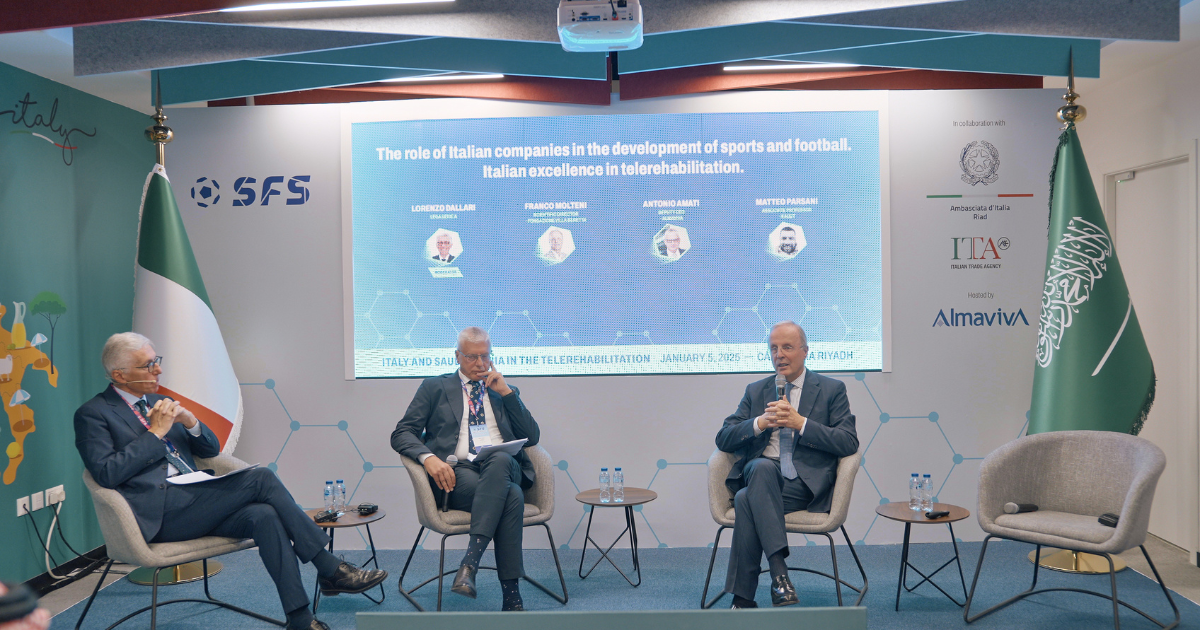
Technological innovation and rehabilitation: the synergy between biosensors, artificial intelligence and telemedicine
Medicine and technology are rapidly evolving, bringing new opportunities to improve the lives of people, particularly those facing physical disabilities. An important area of development involves the use of biosensors and artificial intelligence (AI) for the personalization and enhancement of rehabilitation, both for athletes and individuals with neurological injuries. Recently, Professor Franco Molteni highlighted how innovative technologies can be used to train cognitive and physical abilities, such as self-control, which is essential for athletes during crucial moments in a competition. Studying eye movement,
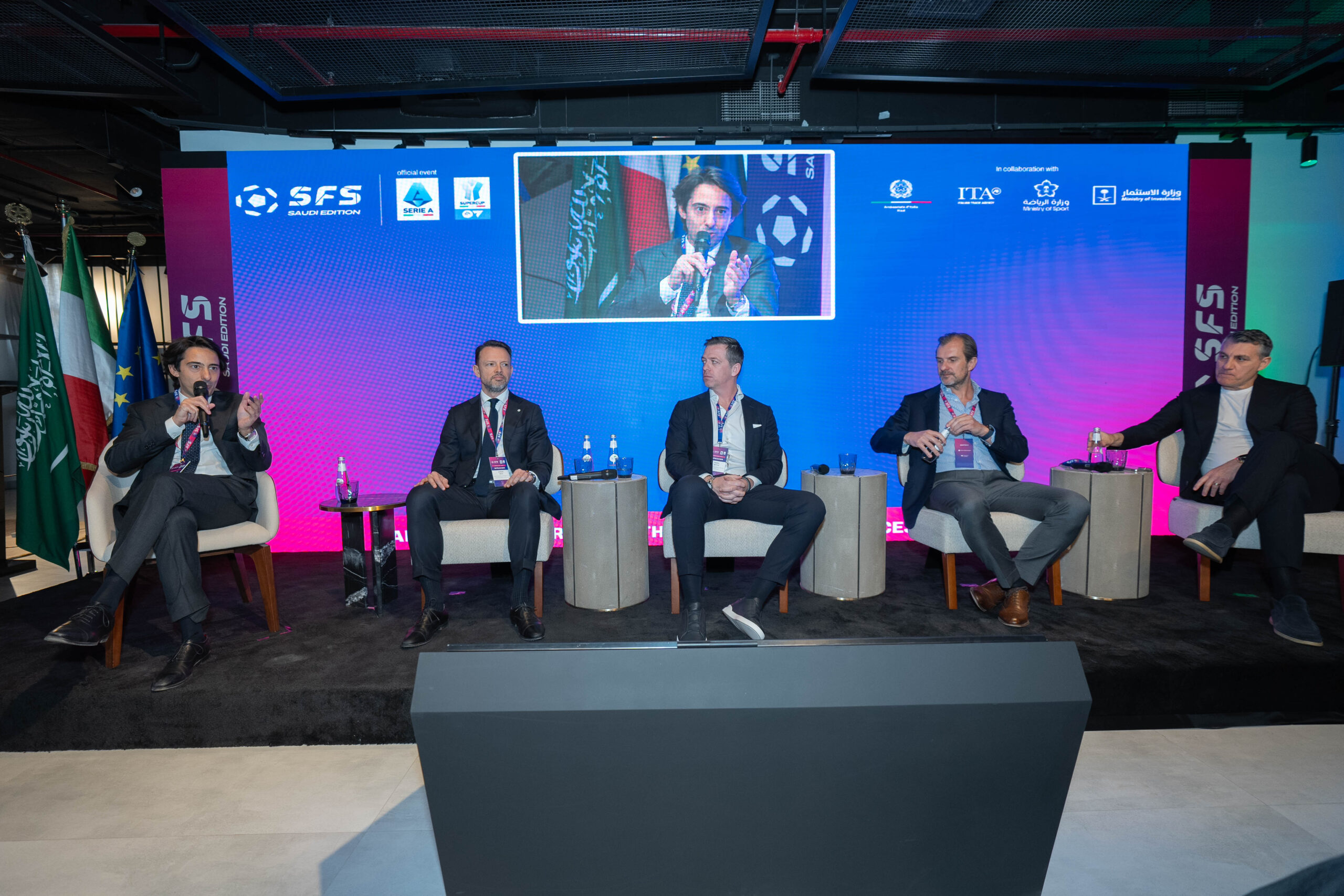
SFS Saudi Edition, Ciccarese: “The partnership with Riyadh allows us to showcase the beauty of our territory and the Made in Italy”
The final panel of the SFS Saudi Edition focused on the international ambitions of Serie A, the projects of Italy's top football clubs, and the strategic importance of the Middle East for the future of football. On stage were Michele Ciccarese (Commercial & Marketing Director – Lega Serie A), Giorgio Ricci (Chief Revenue Officer – FC Internazionale Milano), Francesco Calvo (Managing Director Revenue & Football Development – FC Juventus), Maikel Oettle (Chief Commercial Officer – AC Milan), and Bobo Vieri
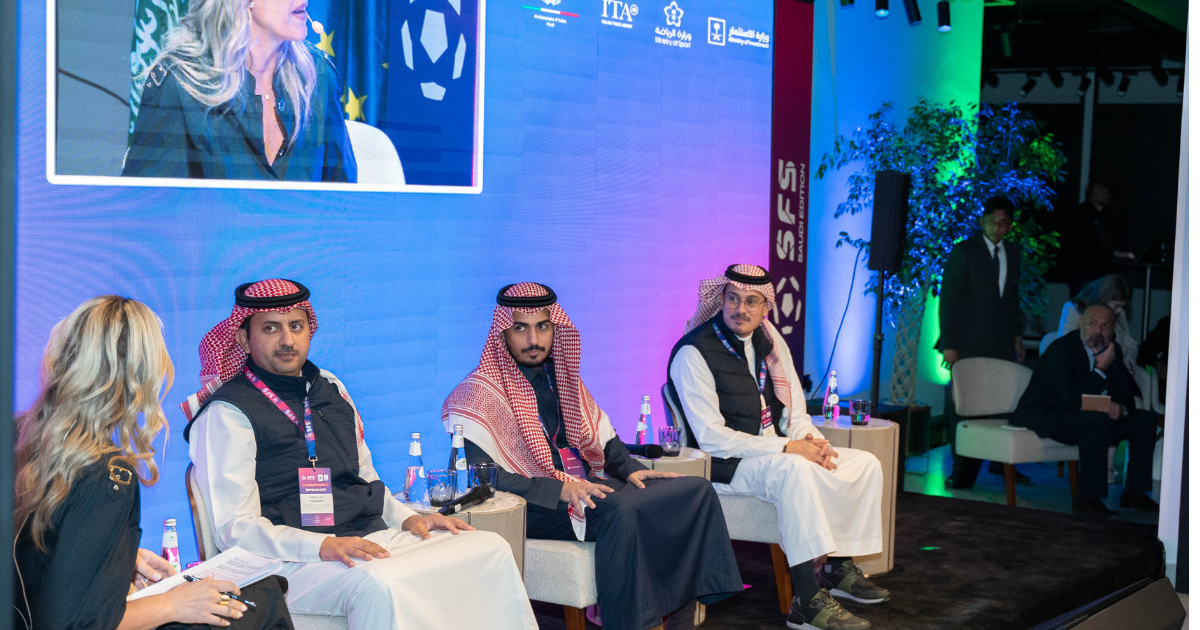
Giga & Mega Projects: Ambition and Innovation in Saudi Arabia’s Sports Vision
Saudi Arabia is reshaping the global sports landscape with an ambitious and innovative strategy, as highlighted during the "Giga & Mega Projects" panel recently held in Riyadh as part of the SFS Saudi Edition. During the event, Fahd Al-Subaie (Director of the Clubs Investment Department – Ministry of Sport), Abdullah Maghram (Director of the International Communication Department – Ministry of Sport), and Basim K. Ibrahim (Sport Segment Director – Ministry of Investment) showcased how the Ministry of Sport is driving
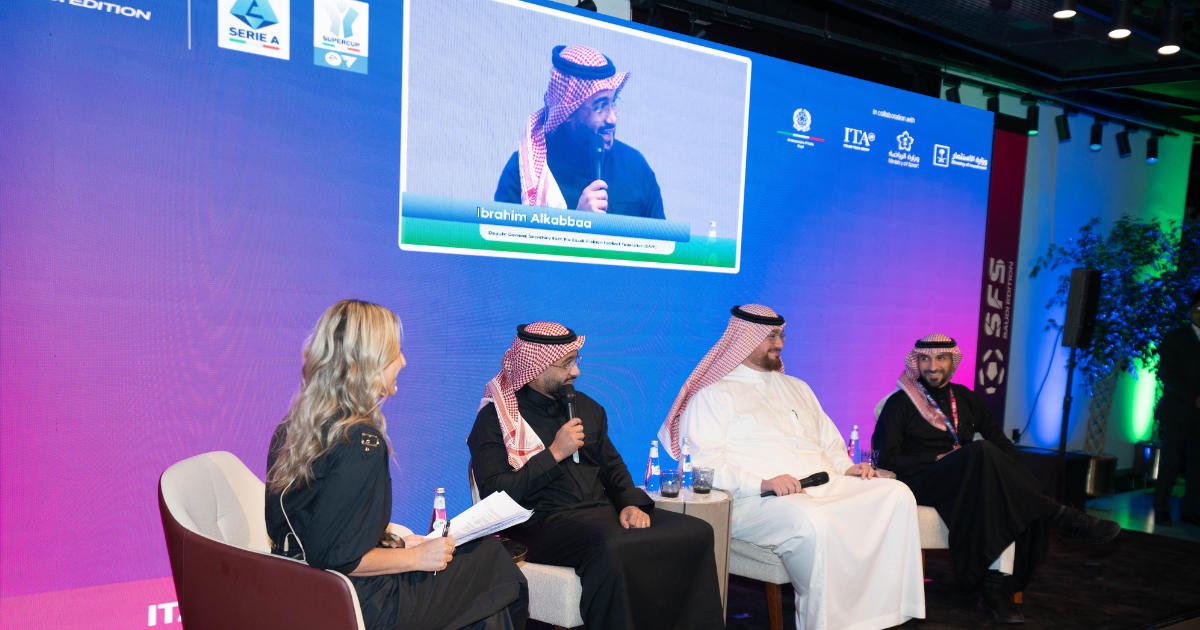
SFS Saudi Edition: Making the Arabian Peninsula an attractive sports platform and a global tourist destination
"Sport, and the tourism associated with it, is an integral part of Saudi Vision 2030. The ultimate goal is to make the Arabian Peninsula an attractive sports platform and a global tourism destination", stated the Deputy General Secretary of SAFF Ibrahim Alkabbaa during the session 'Sports Tourism and Major Events: Opportunity and Impact of Football Competitions' held as part of the SFS Saudi Edition. To discuss it with him, Laith Khayyat (Executive Director of Strategy and PMO – Mahd Sports Academy),
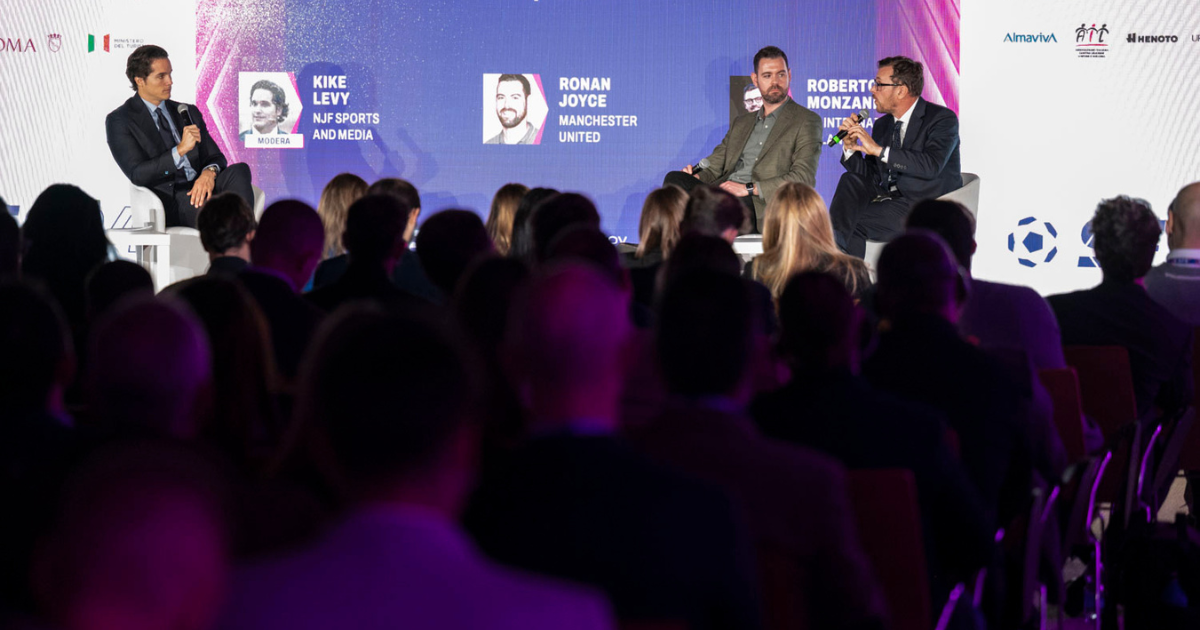
The Digital Challenge in Football: Strategies to Win Over the New Generations
In a panel moderated by Kike Levy, Head of NJF Sports and Media, the radical transformation of the football industry and younger generations’ communication styles and use of social media were analyzed. "Reaching and Engaging the Next Generation of Sports Fans", the name of the panel, featured Roberto Monzani – Media House Director at FC Internazionale – and Ronan Joyce – Director of Digital Innovation D2C at Manchester United – sharing their insights on a crucial topic. Football has changed not
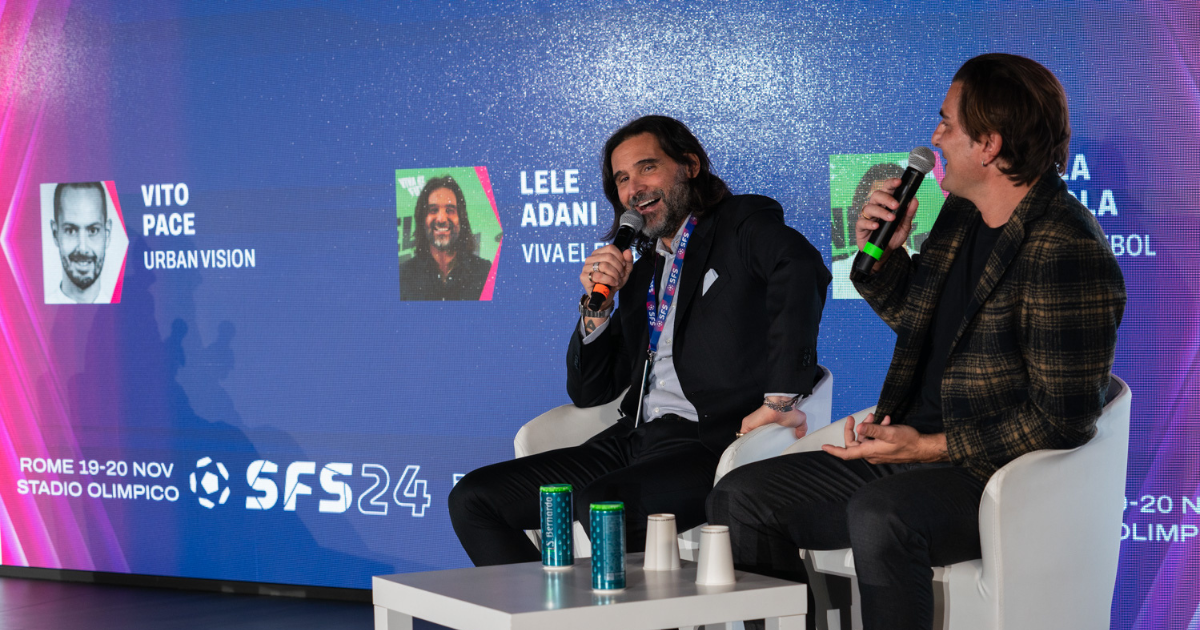
VIVA EL FUTBOL: A NEW COMMUNICATIVE PARADIGM
"Football for the people" as Lele Adani puts it to summarize his life philosophy. During the Summit, he took the stage at the Football Stage alongside his friend and broadcasting partner Nicola Ventola. In a panel moderated by Vito Pace, CMO (Chief Marketing Officer) of Urban Vision, the two discussed the new online format 'Viva el Futbol'. After their experience with 'Bobo TV', the former footballers — together with Antonio Cassano — decided to continue their journey by launching a project
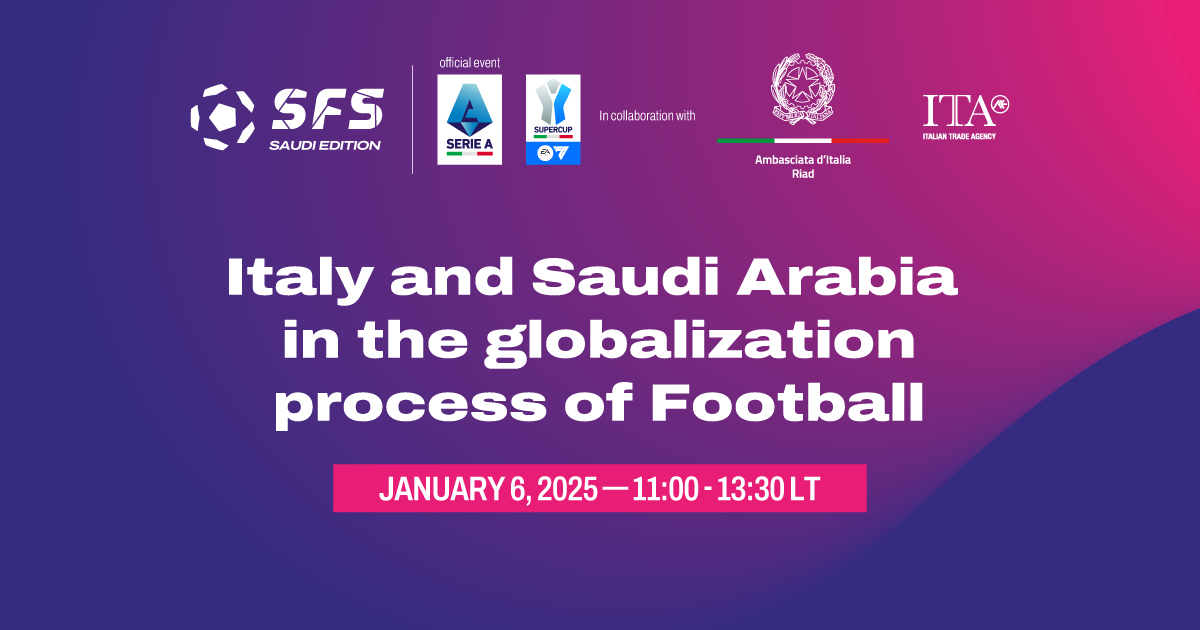
Italy and Saudi Arabia: Football as a Bridge for Globalization
On January 6, 2025, a remarkable event will take place at the Mansard Radisson Collection Hotel in Riyadh, titled "Italy and Saudi Arabia in the globalization process of football". Organized as part of the Italian Supercup and in collaboration with Lega Serie A, the Embassy of Italy in Kingdom of Saudi Arabia and Italian Trade Agency, the event aims to explore the dynamics of globalization in football, highlighting the strategic roles of key players like Italy and Saudi Arabia. The event, scheduled
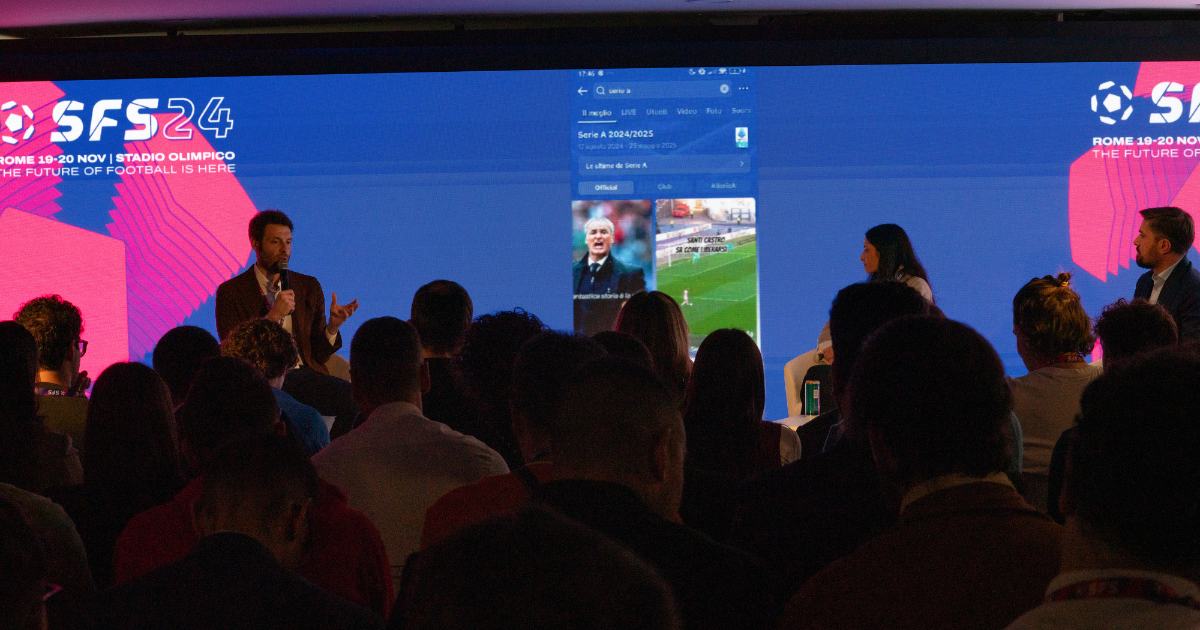
SFS24, Serie A, and TikTok: Redefining the Language of Football
Football is no longer just played on the pitch but also told through the viral trends dominating social networks. TikTok has become the ideal platform to rewrite the language of Italian football, and Serie A is riding this trend with innovative and engaging content. For this reason, SFS24 hosted the self-moderated panel "Serie A on TikTok: Redefining the Language of Italian Football", featuring two creators — Lisa Offside and Sinnaggagghiri — along with Pierdamiano Tomagra, Head of Digital at
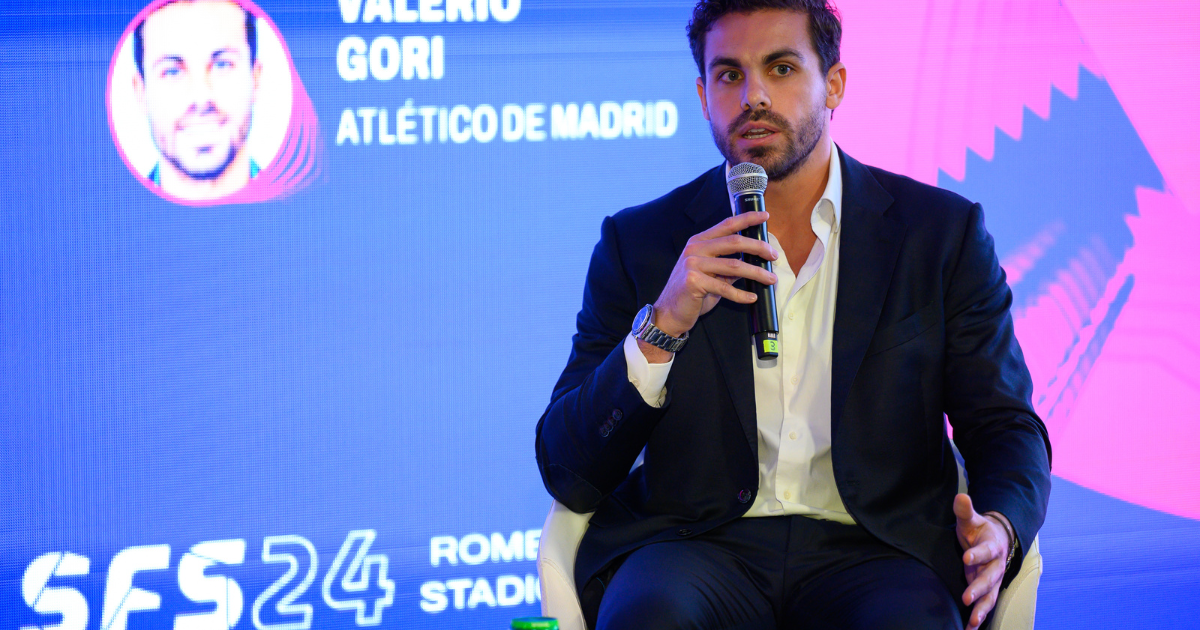
Atletico Madrid and the Communication Revolution: Between Creativity, Data, and the Creator Economy
Atletico Madrid is not only one of the most successful and competitive teams in the European football scene but also a communication laboratory that leverages creativity and diversification strategies as its key strengths. At SFS24, Valerio Gori – Marketing Director of Atletico Madrid – explained to Carlo De Marchis and Paola Marinone how the Madrid-based club has managed over the years to build an omnichannel communication strategy with high engagement rates. Everything revolves around international positioning, through concrete and unique actions
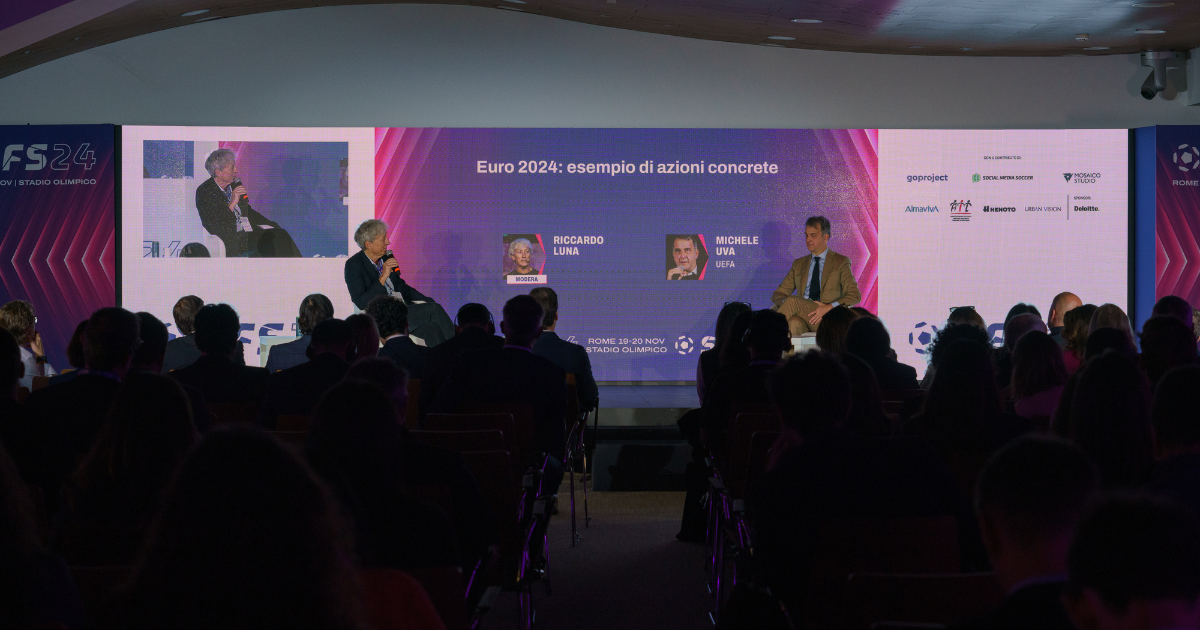
“The path to sustainability requires collective action”, said Michele Uva at SFS24
After presenting the ESG strategies implemented for EURO2024, Michele Uva – UEFA’s Director of Social & Environmental Sustainability – was interviewed on stage at the SFS by journalist Riccardo Luna. The panel, titled "Euro2024: an example of concrete actions", focused on sustainability, which Uva himself described as "an essential asset with significant cultural and social influence". Just days before COP29, the United Nations Climate Change Conference, the Summit devoted considerable attention to the interplay between environmental policies and the football