





The Economics of Attention: Why digital hype is the new currency of Football
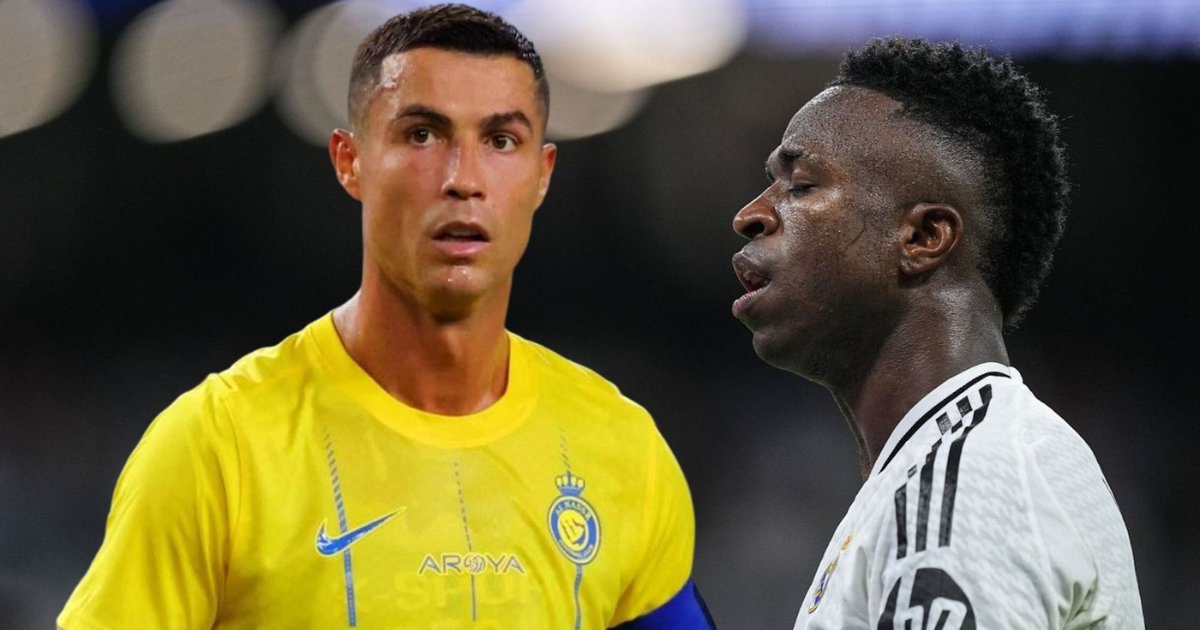
Vinicius Jr. leads digital hype with +1.5M fans per month, challenging CR7’s $275M
In the elite soccer of the 2025/2026 season, the referee’s final whistle is but the beginning of a second game, perhaps more complex and certainly more profitable than the one played on the green turf. For those involved in innovation and the sports industry, we are facing an unprecedented metamorphosis: the value of a footballer today is no longer a simple sum of goals and assists, but a complex equation between athletic performance, media clout and the ability to preside over the collective imagination of the new generations.
Heepsy ‘s latest report (November 2025) took a sharp snapshot of this change, revealing a handover that to call “historic” is not journalistic exaggeration, but statistical fact. We are witnessing the rise of Vinicius Jr. to the top of the list of athletes with the most “hype” online. The Real Madrid talent has surpassed global icons of the caliber of Cristiano Ronaldo and Lionel Messi, marking the end of an era and the beginning of a new model of athlete-brand monetization.
The new hierarchy of value: established assets vs. growing assets
To understand the impact of this overtaking, we need to analyze the underlying figures. Although Cristiano Ronaldo continues to dominate the Forbes rankings with stratospheric earnings touching $275 million, his is a wealth that reflects an established success, an empire built over a 20-year career. In contrast, the growth of Vinicius Jr. is explosive and forward-looking: gaining 1.5 million followers on Instagram in just 30 days is not just an exercise in popularity, but an indicator of “attention liquidity.”
For a club or sponsor, such an accelerated rate of growth represents a huge market opportunity. While the value of an icon like CR7 is already widely priced by the market, the rise of Vinicius allows for intercepting emerging trends before they reach their economic peak. This means that sponsorship contracts are no longer signed solely on the basis of the player’s “story,” but on his or her ability to generate immediate and organic conversions in digital streams.
The athlete as content creator: the TikTok model
Soccer continues to exert almost absolute hegemony in the global media landscape, with half of the “Top 10” most influential athletes in the world composed of soccer players. However, the manner in which this influence is exerted has changed dramatically. Tabi Vicuña, founder of Heepsy, highlighted how active participation in the online world is no longer an option, but a vital strategic necessity.
Let’s take Vinicius Jr.’s numbers on the TikTok platform: with 28.3 million fans, the Brazilian not only communicates with Real Madrid fans, but also dialogues with Gen Z through a language of aesthetics, charisma, and personal storytelling. This digital presidium transforms the player into a full-time content creator, capable of unlocking extremely valuable economic assets that go far beyond the traditional technical sponsorship contract. Their lives are discussed, analyzed and consumed as much as those of Hollywood actors or international pop stars, making soccer the universal language of contemporary sports marketing.
Cross-media impact and the challenge of Formula 1
Although soccer remains the main “magnet” for collective attention, the industry needs to look around. The Heepsy report shows how other disciplines are learning to manage hype with surgical effectiveness. The case of Max Verstappen is emblematic: the Formula 1 driver is capable of generating massive mainstream news coverage, with 1.1 million mentions, combining this with millions of social media posts.
This shows that the real strength of a sports brand today lies in its cross-media nature. A soccer player who only dominates the field is an incomplete asset. A soccer player who dominates only social media risks being a meteor. The key to economic success in 2026 lies in the ability to merge the two worlds, making each match a transmedia event that generates millions of hashtags and, as a result, millions of dollars in visibility and sales.
Why hype is the new compass of the Football Industry
For those who work in the business of soccer and participate in innovation forums such as the Social Football Summit, these analyses are not simply statistical curiosities. These are key strategic compasses for anticipating the market. Data reveal that current digital engagement is the best predictor of a club’s financial health in the medium to long term.
Dominating the digital space means building the fan (and thus consumer) base of the next decade. If a young fan from Jakarta or São Paulo chooses to follow Real Madrid, it is not just because of the trophies won in the last century, but because he sees Vinicius Jr. dancing on TikTok or defending social causes on Instagram. Digital hype is, for all intents and purposes, as valuable a currency as the trophies on the trophy case.
In conclusion, the evolution of fan engagement tells us that modern soccer has stopped being an industry of products (tickets, jerseys) to become an industry of relationships and relevance. Staying relevant in the endless streaming of fans’ digital lives is the real challenge. Those who, like Vinicius Jr. manage to ride this wave not only win on the field, but rewrite the economic rules of a sport that never stops evolving.
