




The “Fake” That Drains the Coffers: Why Counterfeiting is Modern Football’s No. 1 Enemy
From World Cup seizures to budget deficits: how counterfeiting stunts club growth and why marketing must pivot toward pricing and digital assets
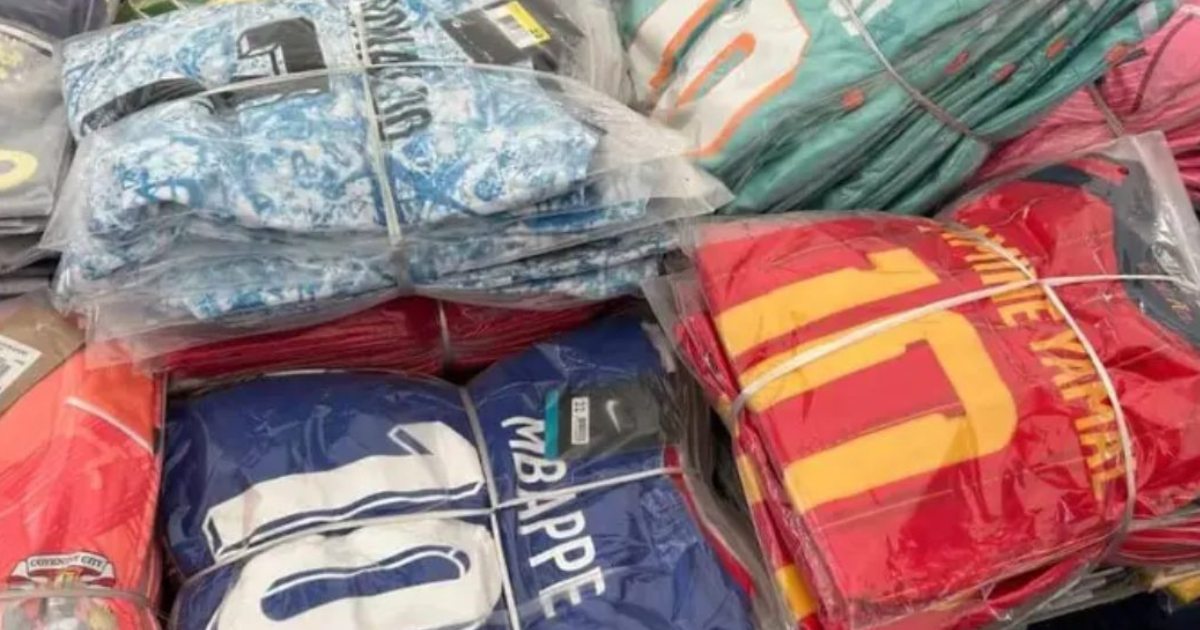
The latest international crackdown, resulting in the seizure of thousands of counterfeit kits destined for the upcoming World Cup, is merely the tip of the iceberg of a phenomenon that has reached industrial proportions. While top clubs’ marketing departments spend months perfecting every detail of a new kit launch, unofficial versions—nearly identical and sold at a fraction of the cost—flood the global market within hours of the reveal, and sometimes even before. But beyond the aesthetic annoyance, what is the actual cost of this parallel market to the football ecosystem?
Direct impact: much more than a missed sale
When discussing counterfeiting, we shouldn’t view it simply as a “lost deal,” but as a genuine hemorrhage affecting the heart of financial statements. For elite global clubs, merchandising has long ceased to be a mere accessory; it has become a cornerstone of total revenue. In a football world governed by strict Financial Fair Play regulations—where every euro must be justified to invest in the transfer market and infrastructure—official shirt sales serve as a vital sign of a club’s financial health.
Choosing an unofficial product triggers a domino effect of damage. On one hand, the club loses the high net margins guaranteed by direct sales in their own stores. On the other, it weakens their bargaining power with technical apparel giants. If the market is saturated with fakes, the licensing value for brands like Adidas, Nike, or Puma inevitably drops, leading to less lucrative sponsorship renewals and an overall devaluation of the brand in the eyes of global investors.
Brand equity and ethics
Counterfeiting doesn’t just hit the wallet; it undermines the very exclusivity of the brand. As we often emphasize in these pages, clubs have evolved into “Media Houses” and lifestyle brands. If their most iconic physical product is trivialized by low-quality versions available through illegal channels, the brand’s “premium” positioning suffers drastically. Furthermore, as highlighted by investigations from outlets like The Athletic, this is not a harmless artisanal trade; it is a market managed by organized crime, involving tax evasion and labor exploitation, damaging the entire global production chain.
Between elite pricing and new engagement strategies
To tackle the problem at its root, however, the football industry must have the courage to look in the mirror. With the cost of official kits often exceeding the psychological threshold of €150 for “authentic” versions, a significant portion of fans—particularly the younger generation—feels effectively priced out. This economic barrier becomes the fertile ground where counterfeiters thrive. Therefore, the real challenge for marketing departments is not just repressive, but creative.
Today, selling a “piece of fabric” is no longer enough; you have to sell an experience. Clubs must transform the official jersey into a privileged “key” to their world. Think of integrated chips for exclusive digital content, dedicated ticketing discounts, or access to private communities via QR codes. Simultaneously, a winning strategy must include product diversification—creating “entry-level” official lines that allow every fan to support their colors legally, safely, and affordably. Only by closing the gap between price and perceived value can we truly reclaim ground from the counterfeit market and protect the economic future of the beautiful game.

