




From clinical management at San Siro to Premier League standards: how health safety and risk management transform the fan experience on the field.
The Milan Derby is not just a top challenge or a global media event; it is, for all intents and purposes, a complex ecosystem that must ensure the safety of more than 75,000 people in a tight time frame. Behind the scenes at the “Stairway of Football,” an impressive organizational machine is moving, transforming the stadium into a state-of-the-art health facility. To understand how risk is managed in an iconic facility like San Siro, we looked at the experience of Dr. Alessandro Geddo, Head of the Stadium Health Service and Primary Caregiver at Iseni Group.
A “city within a city”: the logistics of rescue
When the lights of the “Meazza” are turned on, the health facility is activated as a real, widespread field hospital. The shock force is made up of more than one hundred professionals, including doctors and specialized nurses, who preside over every area.
This strategic distribution stems from a careful analysis of the stadium’s architecture: in fact, the device includes eight medical points located between the zero floor and the various rings, with special care given to the third ring. Being the most isolated area due to diverse accesses, it requires fixed garrisons to cancel waiting times. Supporting this fixed network are constantly moving dismounted teams and five ambulances on standby, one of which is dedicated exclusively to the safety of the athletes.
The human factor and the “chain of survival”
There is a clear distinction between intervention on the playing field and intervention in the stands. Although serious injuries on the field are rare, international protocols are very strict: during the pre-match briefing it is stipulated that, in the case of critical events such as cardiac arrest or concussion, the supreme health authority is the sideline doctor and not the club’s social doctor.
On the bleachers, the challenge is instead statistical. An average of fifteen illnesses are managed in a large event, but the real mission is the management of the fatal unexpected. On average, two cardiac arrests occur at San Siro per year, and the high success rate in rescues is thanks to a chain involving the entire stadium. The first aid rendered by the nearby fan or the stewards’ early warning are elements that allow professionals to initiate resuscitative maneuvers in the first, decisive seconds. This is the case of Massimo Luciano, a fan saved in December 2024, whose story testifies to how organizational efficiency always puts human life first.
Management and security: the strategic challenge
If Medical Management is the operating arm, Safety Management is the mind working months before the whistle blows through Risk Management. The most feared risk is not the individual illness, but the collective crowd dynamic. A modern manager must prevent crowding and crushing phenomena by mapping every “bottleneck” in the facility to ensure that flows of people and emergency vehicles never conflict.
This sensitivity has become a key brand asset for clubs such as Inter, Milan, and Atalanta, which have raised standards far beyond legal minimums. Investing in a health service of excellence is not only a regulatory obligation, but a choice that protects society’s reputation and drastically improves the Fan Experience. Feeling safe is the necessary condition to fully experience the passion of sports.
Comparing models: the different souls of European security
Crossing national borders, sanitary management reflects different organizational cultures while following UEFA guidelines for Category 4 facilities. Italy, for example, has chosen the path of the “widespread medical garrison,” a strategy that focuses on clinical strength by bringing actual resuscitation departments inside the stadium. It is a model that ensures an immediate specialized medical response, almost as if the patient were already in the hospital.
Moving to England, the Premier League paradigm veers instead to rapid evacuation and legal responsibility. Here, the figure of the Crowd Doctor enjoys absolute authority, superior even to that of the referees, while rescue is entrusted to a nimble network of paramedics and lay rescuers ready to stabilize the patient for emergency transfer to trauma centers. In Germany, however, the Bundesliga has embraced digital prevention. The German system excels at integrating flow sensor data with the intervention of thousands of professional volunteers, turning security into a predictive process that aims to intercept danger before it even turns into an emergency.
Toward the stadium of the future
The future of sports management will see healthcare increasingly integrated with artificial intelligence and digital technology, with totally “heart-protected” stadiums and instant communication systems. Ultimately, health emergency management is no longer a “back-office” element, but a pillar of infrastructure modernization. Silent excellence that allows tens of thousands of people to get excited, knowing that, should the need arise, an invisible network of professionals is ready to spring into action within seconds.
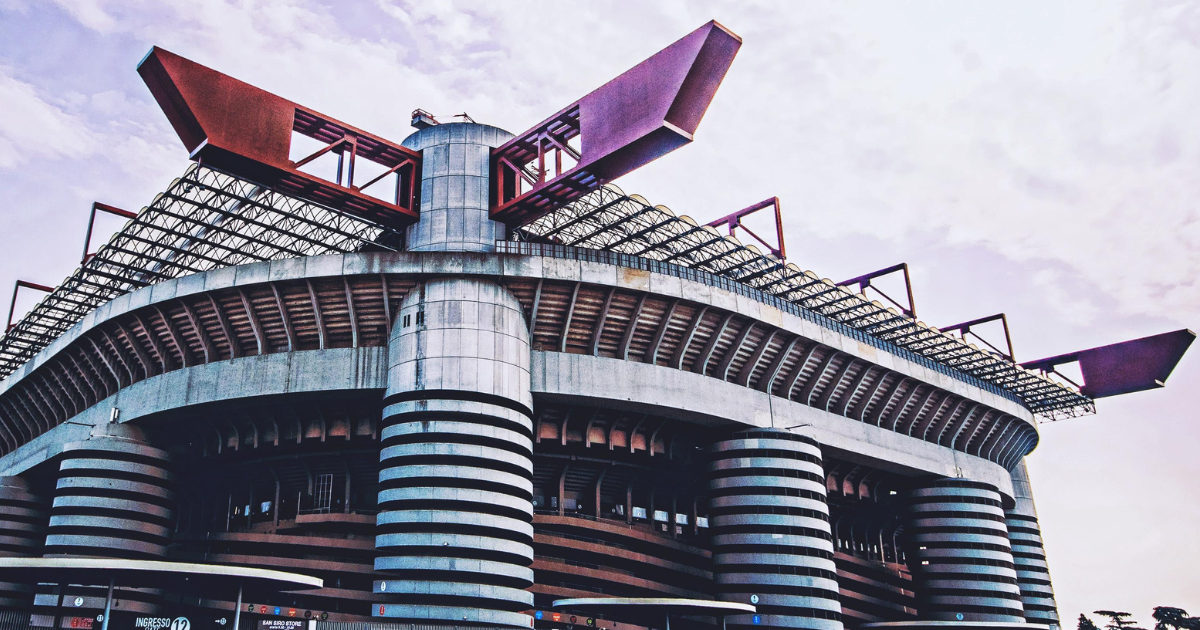
Milan-Inter: invisible excellence and the health management of major events
From clinical management at San Siro to Premier League standards: how health safety and risk management transform the fan experience on the field. The Milan Derby is not just a top challenge or a global media event; it is, for all intents and purposes, a complex ecosystem that must ensure the safety of more than 75,000 people in a tight time frame. Behind the scenes at the "Stairway of Football," an impressive organizational machine is moving, transforming the stadium into a
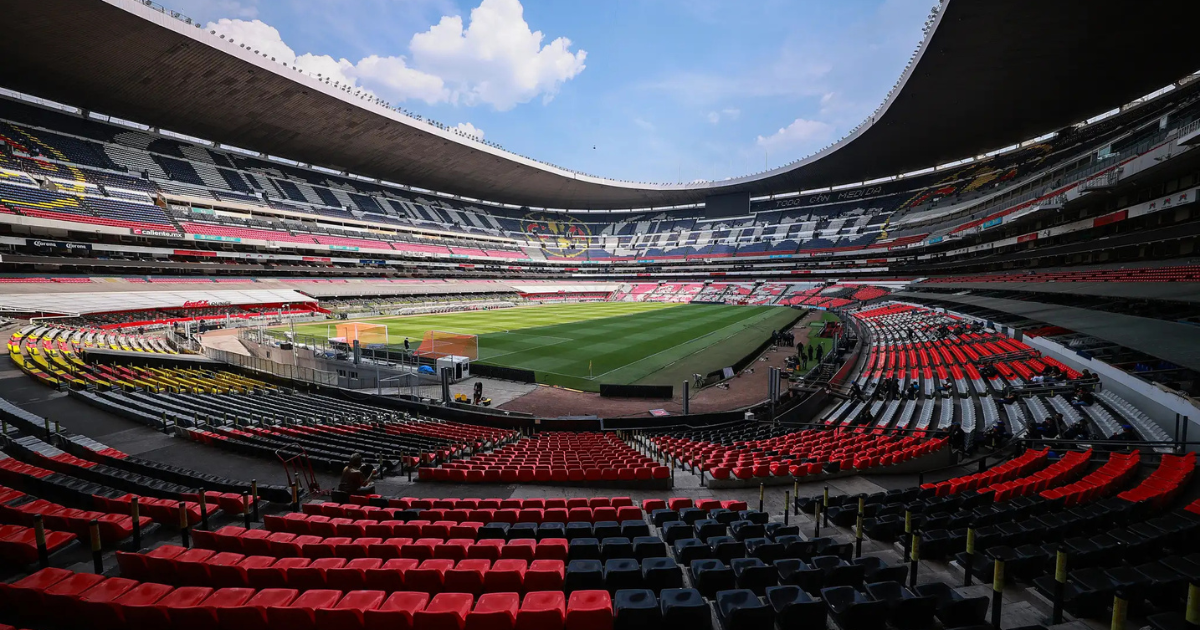
World Cup 2026: welcome to the era of sporting giantism
From 32 to 48 teams: an analysis of the logistical challenges and business opportunities of the tournament set to transform North America into the new epicenter of football. On June 11, 2026, what will take place at the Banorte Stadium in Mexico City, the legendary Azteca, will mark the beginning of a new era in world football. The next FIFA World Cup is no longer just a sporting milestone, but the greatest testing ground ever faced by the football industry. Between unprecedented
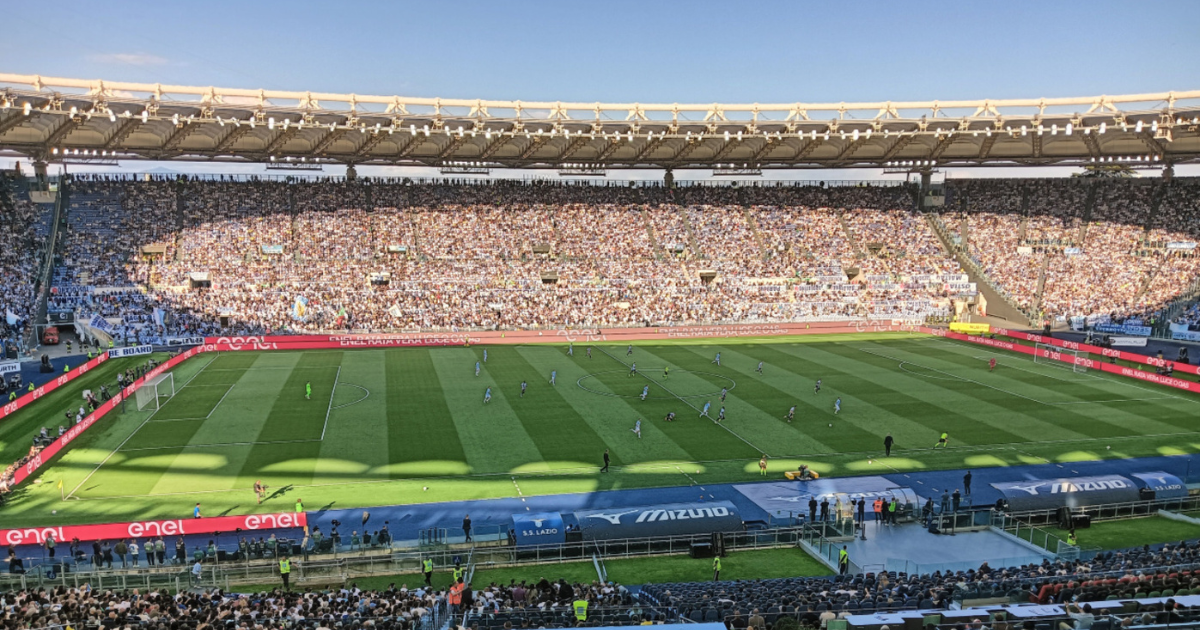
Matchday experience and loyalty: mapping fan attendance in Serie A
A five-year study by SeatPick analyzes stadium occupancy rates: Juventus leads for consistency, while Milan dominates in absolute volume. In the landscape of modern football, the stadium has evolved from a simple match venue into the beating heart of a fan engagement strategy designed to drive long-term loyalty. A recent analysis by SeatPick, based on Transfermarkt data from the last five years (2021-2026), provides a clear picture of "physical loyalty" in Italy, highlighting the clubs most successful in maintaining high stadium
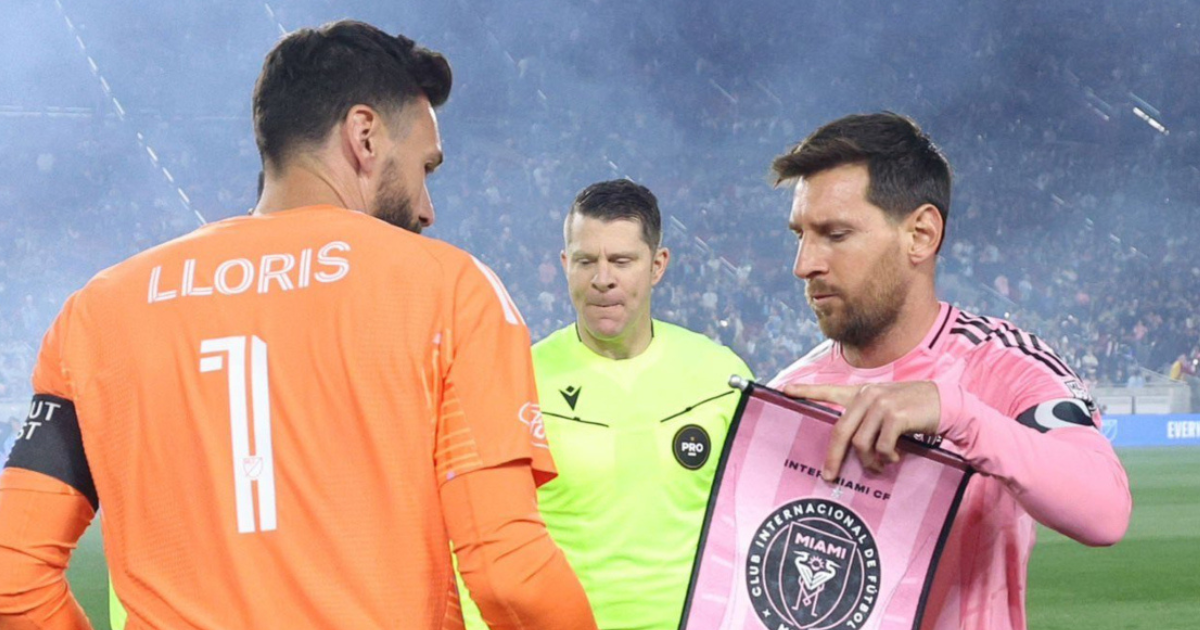
MLS 2026: the year of reckoning between global stars and the World cup shadow
Between the "Messi effect," Martino’s return to Atlanta, and the anticipation for the 2026 World Cup, MLS is kicking off a season that will be decisive for the future of soccer in the US Major League Soccer has reopened its doors, and there is a palpable sense that this is no ordinary season. With the 2026 World Cup on the horizon—hosted across the USA, Canada, and Mexico—the American league finds itself in the eye of a storm of investment, star power,