




The Venetian club has transformed its brand into a global lifestyle icon, following new trends in creativity and culture
In the modern football landscape, the competition for fan attention is global, fragmented, and ruthless. A recent in-depth analysis by Pablo Alzaga (founder of Matinal), titled “Football & Creativity: New Trends on and off the Pitch,” highlights a fundamental paradigm shift: culture has become the new strategic asset for clubs.
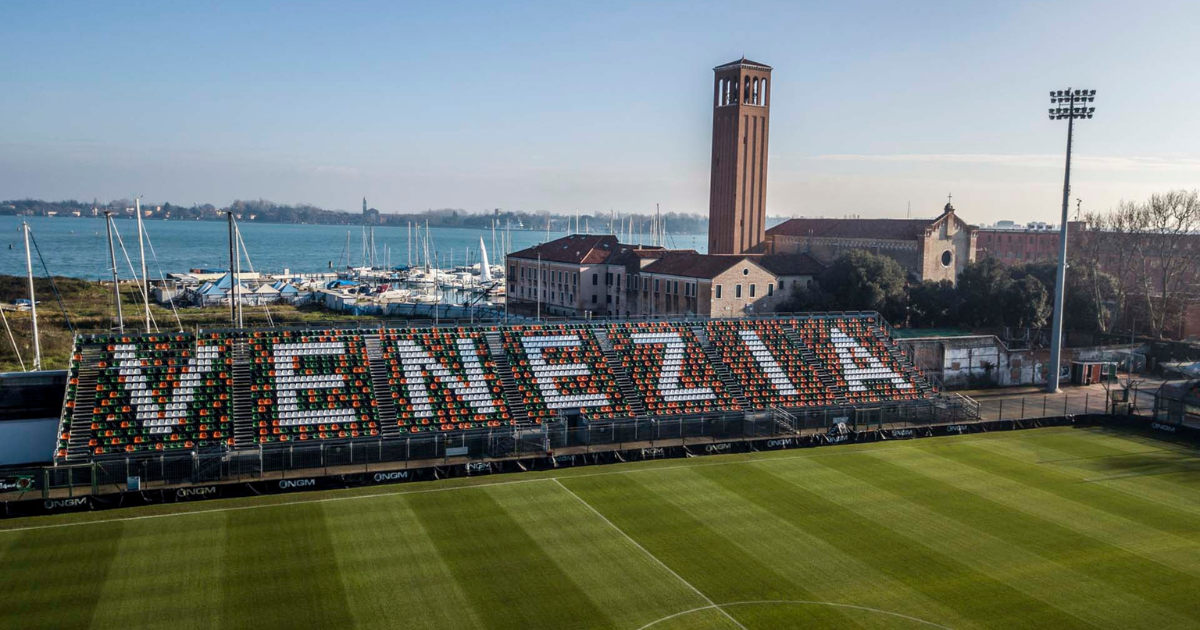
It is no longer just about winning trophies; it is about transforming into true cultural icons. And if there is one club that has rewritten the rules of this “off-the-pitch” game, it is undoubtedly Venezia FC.
Football as lifestyle: the intersection of fashion and design
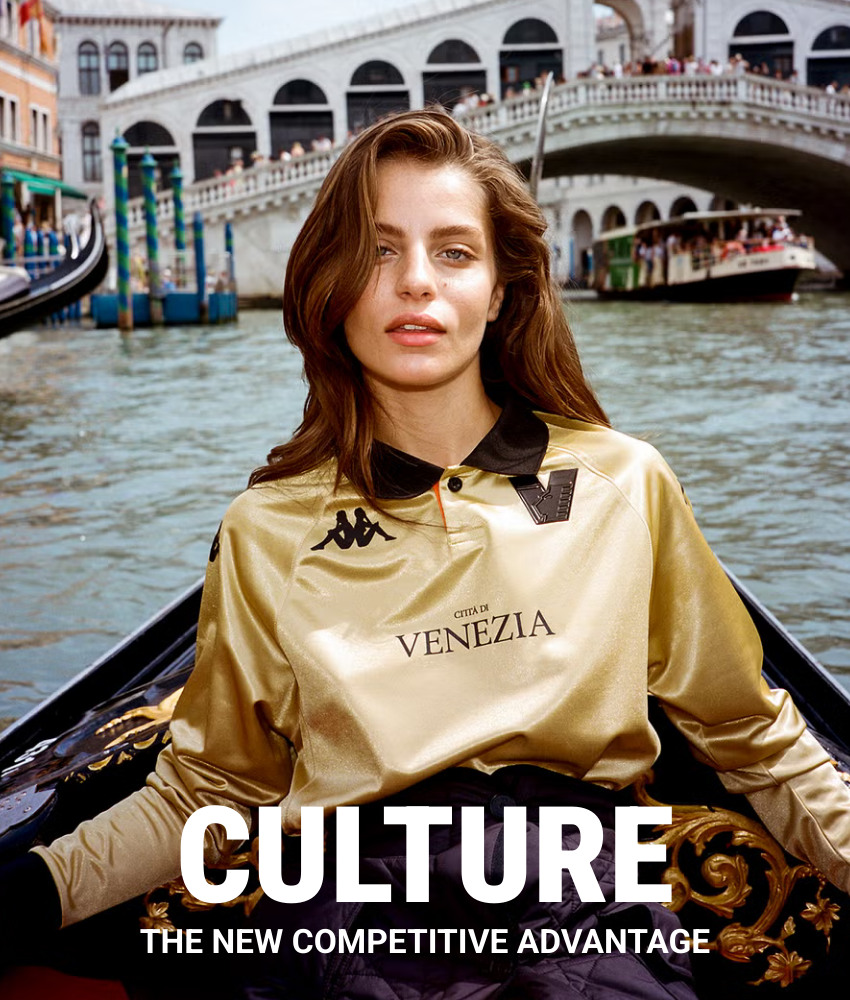
The boundary between sport and lifestyle has become invisible. The WFS report emphasizes how football is now occupying spaces previously reserved for fashion and music. In this scenario, Venezia FC didn’t just sell a football jersey; they sold an aesthetic.
Through meticulously detailed rebranding and photography campaigns that look more like high-fashion editorials than sports news, the club has captured a global audience. This demographic—often far removed from traditional fandom—seeks to wear the Arancioneroverde brand as a piece of contemporary design.
Off-Pitch talent: when creativity takes the field
If there is one lesson Venezia has taught the world of football, it is that “talent” isn’t measured only in goals or saves. In the Lagoon, they understood sooner than others that the invisible team working behind the scenes—composed of designers, art directors, and communicators—is just as fundamental as a twenty-goal-per-season striker.
The club’s creative approach wasn’t a simple aesthetic restyling, but a genuine strategic management choice. Instead of relying on the usual tropes of traditional sports marketing, Venezia opened its doors to professionals from parallel worlds. This cross-pollination allowed the club to speak a new language: they didn’t just “use” the name of one of the world’s most beautiful cities; they chose to interpret its soul.
Their campaigns celebrate the most authentic venezianità (Venetian-ness): from the canals less traveled by tourists to the faces of everyday citizens, all wrapped in an aesthetic that nods to an elegant sense of nostalgia. The jersey stops being a mere technical uniform and becomes a global object of desire. Consequently, the brand becomes “antifragile”: capable of shining and generating value even when Sunday’s result isn’t what was hoped for.
Identity vs. Homogenization: the challenge of the future
One of the greatest dangers highlighted in the analysis is the risky phenomenon of standardization. If all clubs follow the same graphic templates and social media strategies, the brand dissolves into the background noise. Venezia did the exact opposite by embracing its own uniqueness.
Modern fans, especially Generation Z, aren’t just looking for athletic performance; they seek authenticity, stories, and values they can identify with. A club that communicates its culture builds a long-term relationship that extends far beyond the 90 minutes of play.
The Venezia case clearly demonstrates that football is undergoing a profound transition: from a pure entertainment industry to a pillar of popular culture. For decision-makers in the sector, investing in the cultural dimension is no longer an option—it is a necessity to ensure sustainability and relevance.
Culture is the new competitive advantage: the case of Venezia FC
The Venetian club has transformed its brand into a global lifestyle icon, following new trends in creativity and culture In the modern football landscape, the competition for fan attention is global, fragmented, and ruthless. A recent in-depth analysis by Pablo Alzaga (founder of Matinal), titled "Football & Creativity: New Trends on and off the Pitch," highlights a fundamental paradigm shift: culture has become the new strategic asset for clubs. It is no longer just about winning trophies; it is about transforming into
Naming Rights and innovation: JP Financial to name Cádiz’s new “Sportech City”
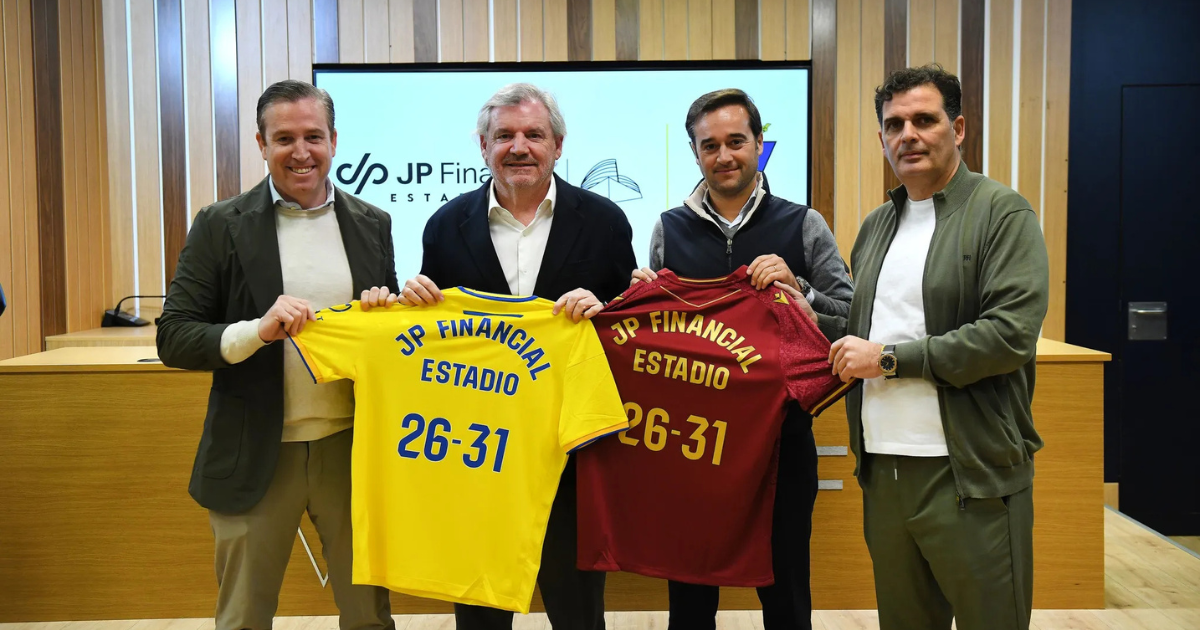
JP Financial invests €2.5 million for the naming rights of Nomadar’s new Arena in Cádiz: a 300,000 sqm hub blending sports, fintech, and high technology The future of football is no longer played solely on the pitch; it unfolds along the fine line connecting infrastructural innovation and global financial markets. As the industry grapples with the sustainability of new stadiums, a strong signal arrives from Spain: the ability to transform an ambitious project into a monetizable asset well before the first

Piracy: Tebas’s Media-Tech Company Takes Down IPTV in France
The Paris Court aligns with LaLiga’s hardline approach: seven landmark rulings order the immediate blocking of illegal sites and services, setting a borderless precedent for the protection of TV rights. While the sports industry ponders how to stem the haemorrhage of revenue caused by illegal streaming, Javier Tebas is responding with facts and technology. LaLiga has just secured a judicial "grand slam" in France, obtaining a series of rulings that are unprecedented for a foreign competition on French soil. For the first
The 2026 World Cup: global game, uneven access
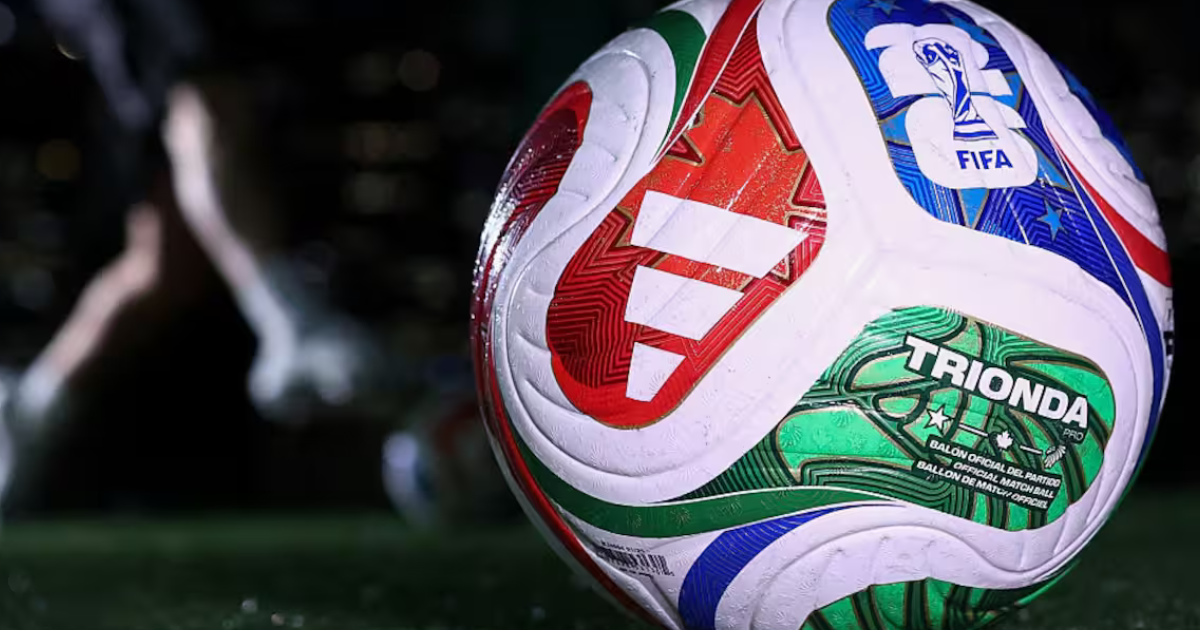
By Giulia Pezzano, Senior Immigration Analyst, Arce Immigration Law (Miami) As the countdown to the 2026 FIFA World Cup continues, the United States is preparing to host what will likely become the largest football tournament ever staged. Matches will be played across North America, global broadcasters are organizing large production teams, and sponsors are preparing for one of the most complex commercial events the sport has ever seen. Yet one of the most interesting dynamics surrounding the tournament will not take place
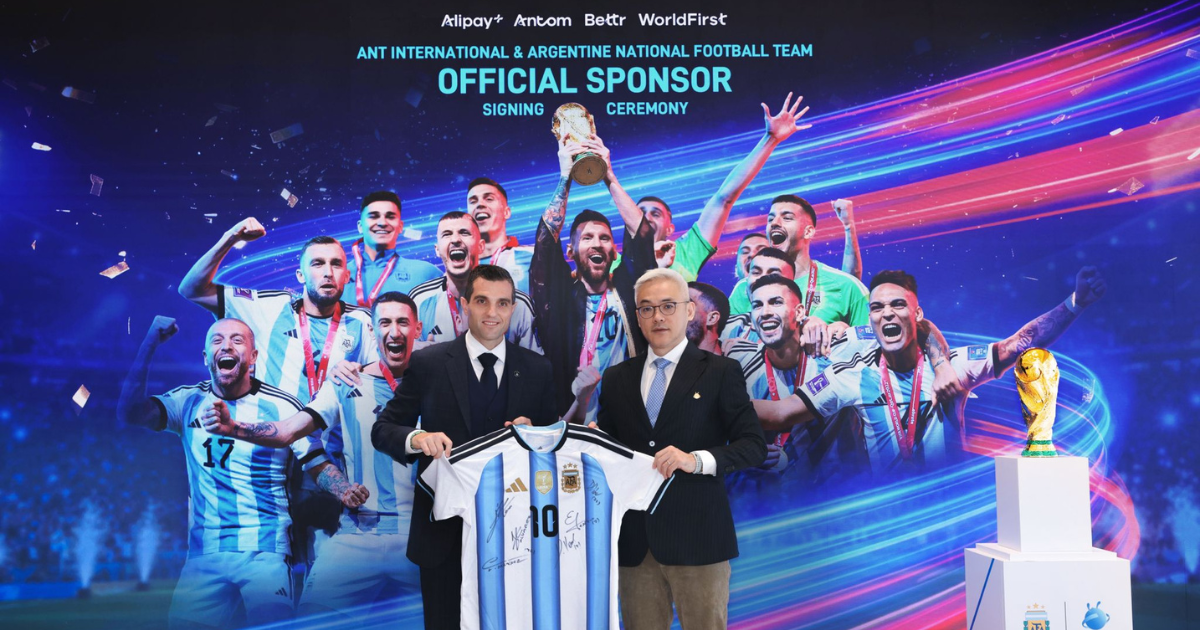
Ant International becomes official sponsor of the argentine National football team
Ant International has secured comprehensive marketing rights from the Argentine Football Association (AFA) and the world champion Argentine National Team. The partnership aims to develop strategic activations across its entire brand portfolio, including Alipay+, Antom, Bettr, and WorldFirst. Ant International, a leading global provider of digital payment, digitalization, and fintech solutions for merchants and financial institutions, announced today a partnership with the Argentine Football Association (AFA), becoming the Official Sponsor of the Argentine National Team for the Asia region (excluding the
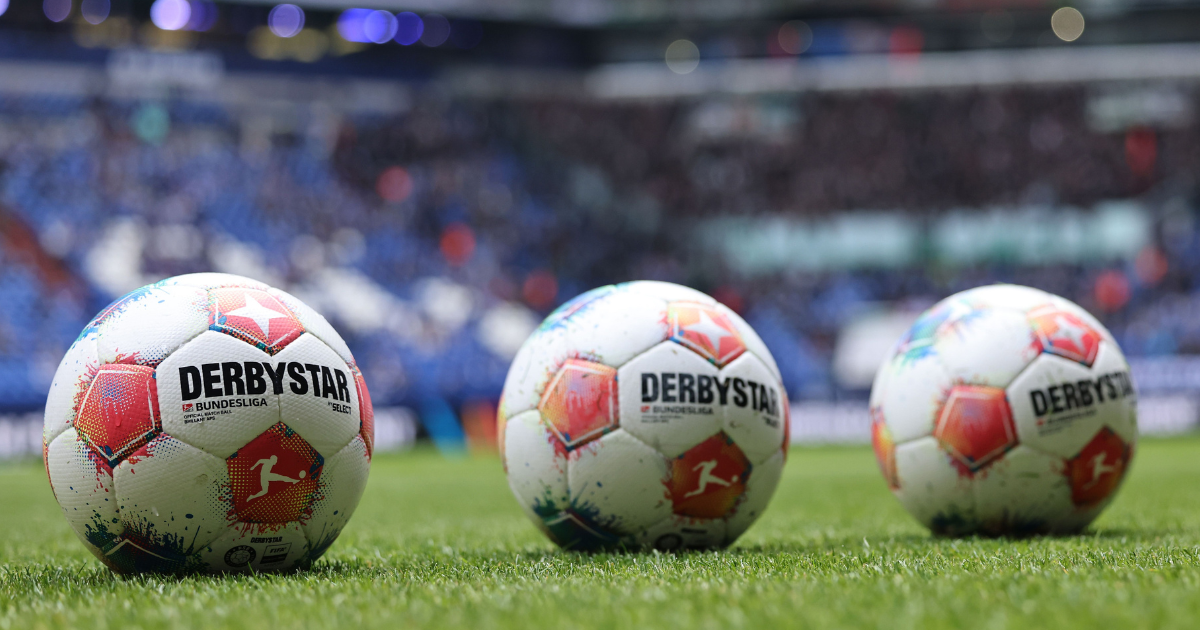
Bundesliga: the new financial fair play as a catalyst for investment
A new paradigm for capital: why the Bundesliga’s regulatory stability is becoming a magnet for major international investors German football is poised for a structural transformation that could redefine the economic balance of European football. According to a recent report by Morningstar DBRS, the new Financial Fair Play (FFP) rules adopted by the Bundesliga represent more than just a constraint; they are a strategic opportunity to bolster capital attraction and long-term club stability. Moving towards the UEFA model: the 70% cap The most

Global sport, Italian football, international investors, and the worldwide market – Valerio Casagrande interview
Between investment funds and new governance: Leap Academy launches the Master in Football Finance to train international Sport Business leaders Modern football is no longer played solely on the pitch; it is played on a global chessboard where international capital, private equity funds, and new governance strategies constantly redefine the boundaries of the sports industry. In an environment characterized by the "competition between competitions" and a relentless push toward internationalization, professional training and managerial expertise are no longer optional—they are vital
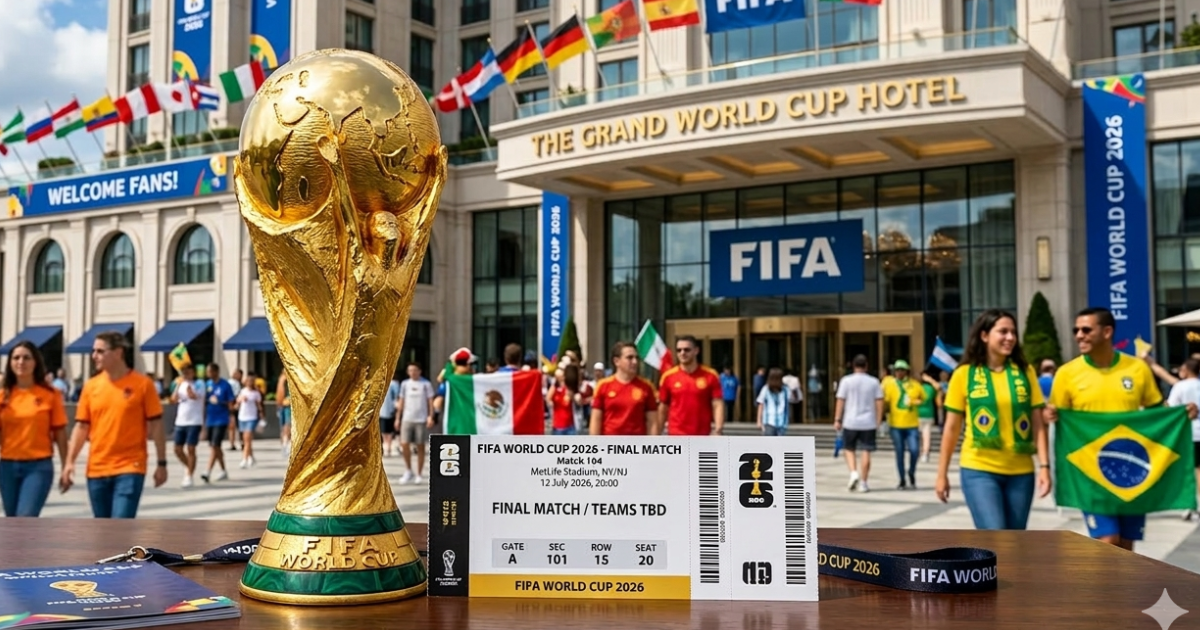
World Cup Fever: the massive economic engine driving North America
The eyes of the world are on North America: with the world championship just around the corner, thousands of fans are preparing to undertake long journeys following their national teams across the three host countries. It is a unique experience that, however, mobilizes a massive lateral economic machine involving numerous sectors and cities. To manage the complex logistics, FIFA has launched a partnership with Airbnb—already valid for the FIFA Club World Cup 2025™ and active for the FIFA World Cup 2026™

Manchester United under INEOS: reforming a football behemoth amid instability
Article written by Football Benchmark Manchester United FC are a club in transition. It is a state that has felt persistent since 2013, when Sir Alex Ferguson retired after more than two and a half decades at the helm of English football’s most dominant force. Much has changed in the years since, yet throughout that period, the club have remained some distance from the summit of the English and European game on the pitch. Off it, however, the brand strength and
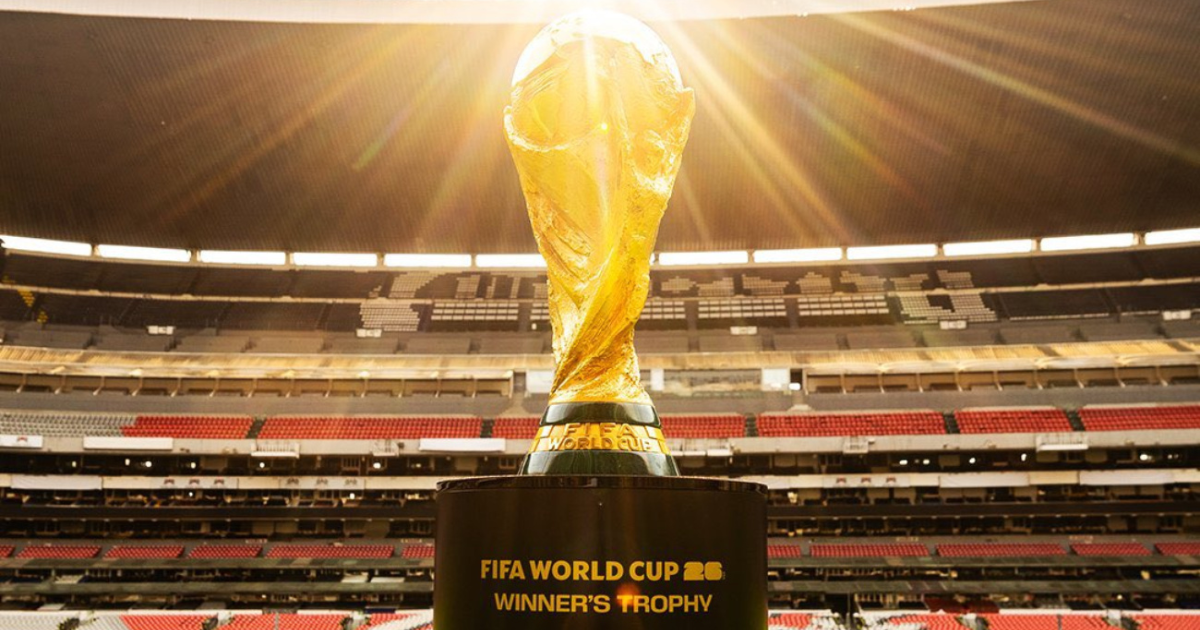
FIFA World Cup 2026: why is Zurich cutting costs despite record revenues?
An analysis of FIFA’s 2026 roadmap: balancing billion-dollar challenges with record-breaking forecasts, and how efficiency is redefining the football industry. It’s not just about stadium capacity or travel distances: the road to the 2026 World Cup is evolving into a sophisticated budgetary exercise. As North America prepares to host the unprecedented 48-team format, a strategic move has rippled through the sector: FIFA has slashed operating expenses by over $100 million, mandating drastic cost optimization. But what lies behind this decision? Is