





Matchday experience and loyalty: mapping fan attendance in Serie A
A five-year study by SeatPick analyzes stadium occupancy rates: Juventus leads for consistency, while Milan dominates in absolute volume.
In the landscape of modern football, the stadium has evolved from a simple match venue into the beating heart of a fan engagement strategy designed to drive long-term loyalty. A recent analysis by SeatPick, based on Transfermarkt data from the last five years (2021-2026), provides a clear picture of “physical loyalty” in Italy, highlighting the clubs most successful in maintaining high stadium occupancy.
The Juventus model: efficiency at the Allianz Stadium
Topping the rankings is Juventus, boasting an average occupancy rate of 87.64%. This figure validates the club’s long-term vision: a privately-owned stadium with an optimized capacity (41,507 seats) that ensures a near-constant sell-out. For industry insiders, the most significant takeaway is the growth trend: the current 2025/26 season has recorded the highest average of the five-year period with 40,831 spectators, proving that the Juventus brand retains its powerful on-site pull regardless of sporting cycles.
Milan and the “Scala del Calcio” factor
While Juventus wins on percentage, Milan dominates in sheer scale. AC Milan and Inter hold the second and third spots, separated by only a fraction of a percentage (87.55% vs. 87.48%). The most striking metric is the average attendance: over 66,400 fans per match for both clubs. This cements the San Siro (Giuseppe Meazza) as the most strategic asset in Italian football. The ability of both Milanese giants to fill one of Europe’s largest stadiums to nearly 88% capacity reflects a deep-rooted bond with the city and an effective ticketing policy that successfully taps into international sports tourism.
Rome and Naples: passion and identity beyond capacity
Just below the podium are two clubs that have made emotional participation their trademark. AS Roma ranks fourth with an occupancy rate of 82.77%. This result reflects the Friedkin ownership’s strategy to transform the Stadio Olimpico into a venue of consistent sell-outs by marketing the matchday as a “must-see” collective experience. Similarly, SSC Napoli fans have maintained an average saturation of the “Diego Armando Maradona” stadium at 81.73% over the analyzed period, showing how the city’s legendary passion has stabilized at elite levels.
The “Middle Class” challenge and the infrastructure gap
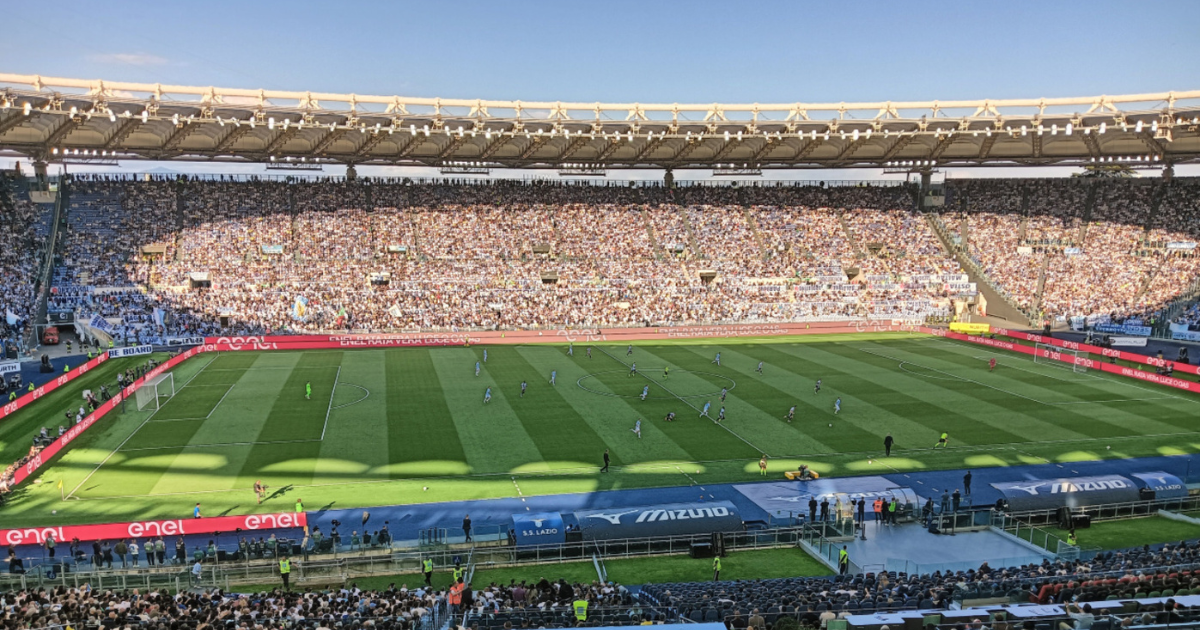
The analysis, however, reveals a significant gap between the “Big Five” and the rest of the league. In this context, Udinese stands out as a blueprint for mid-sized clubs, securing sixth place with 78.38%. Their success underscores the importance of a modern, fan-friendly facility like the Bluenergy Stadium. Conversely, historic clubs such as Fiorentina (57.11%) and Lazio (55.47%) show considerably lower occupancy rates. In these cases, the data is often hindered by aging infrastructure or stadiums with a capacity that exceeds the average local demand—reiterating why the debate over next-generation stadiums is central to the future sustainability of Italian football.
Why this data matters to the Football Industry
For the Social Football Summit community, SeatPick’s findings serve as a vital KPI for brand health. A consistently full stadium does more than just maximize matchday revenue; it drastically increases appeal for sponsors seeking high-impact, emotional environments.
Furthermore, a packed stadium acts as a catalyst for digital strategy. The vibrant atmosphere in the stands fuels viral social media content, creating a virtuous cycle that connects the physical experience to global fan engagement.
Ultimately, while fan loyalty is a universal sentiment that transcends the physical arena, it is a club’s ability to host that passion in modern, adequate facilities that makes the difference in today’s sports business.

