




On the first day of the Summit, several experts and professionals specializing in artificial intelligence analyzed and delved into the role it will play in the football industry. Hosted by lawyer Luca Pardo, the panel featured Valeria Portale (Researcher, School of Management, Politecnico di Milano), Geo Ceccarelli (Chief Information Officer, Marimo), Edoardo Degli Innocenti (CIO, Kama Sport), and Paolo Capitelli (Communities of Practice Director, Reply).
The use of data in football dates back to the era of Arrigo Sacchi’s AC Milan, which, under Berlusconi’s leadership, became one of the strongest teams in the world. Since then, many have sought to leverage digital technologies to enhance the performance of clubs and individual players. During the panel, the example of Jürgen Klopp, former Liverpool manager, was highlighted. Under his leadership, the Reds formalized a partnership with TacticAI, a prototype developed by DeepMind, Google’s artificial intelligence division. The goal? To apply data to matches and situational training, resulting in a significant increase in goals scored from set pieces. This serves as a clear example of how AI has changed rules and competitive scenarios, including the introduction of moneyball strategies and new tools for scouting activities.
“Our task is to create value through data, focusing on cleaning, organizing, and certifying it. Additionally, we aim to codify a revenue stream model that supports all activities related to a club’s performance”, stated the CIO of Kama Sport, a startup that has pioneered the use of big data in football.
The second part of the panel, however, focused on the extra-football dynamics of data utilization. Portale emphasized the importance of data quality and reliability, highlighting the critical role of data set training. She also called for transparency, achievable through blockchain technologies — a vital tool for data traceability, especially in a context of interoperability between platforms and potential mismanagement by third parties. These are crucial and sensitive topics, leading participants to align on some key principles. For example? Applying global practices to a globally relevant phenomenon like AI. Encouraging regulatory sandboxes and regulating applications — not the technology itself — are excellent starting points, along with adopting bureaucratic safeguards inspired by the United States.
Lastly, it’s essential to note how the technological contribution of artificial intelligence has ushered in new types of content. “Today, we can hyper-personalize content thanks to the availability of tools and virtually infinite creative possibilities“, concluded Capitelli, citing several case studies involving Reply.
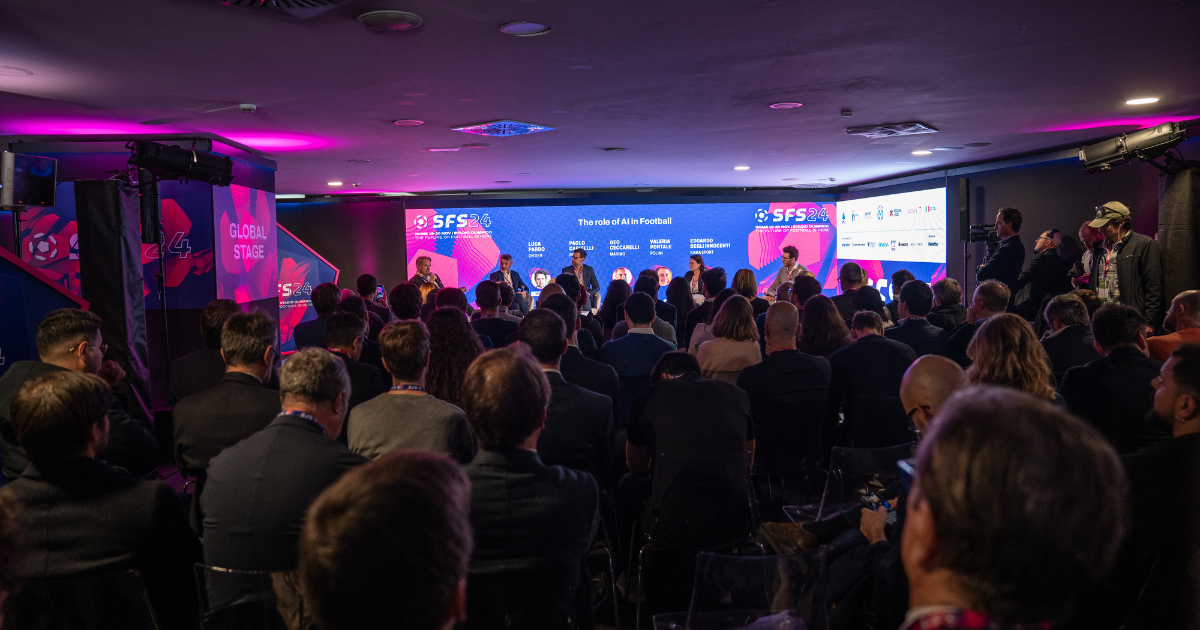
Exploring AI’s Role in Football at SFS24
On the first day of the Summit, several experts and professionals specializing in artificial intelligence analyzed and delved into the role it will play in the football industry. Hosted by lawyer Luca Pardo, the panel featured Valeria Portale (Researcher, School of Management, Politecnico di Milano), Geo Ceccarelli (Chief Information Officer, Marimo), Edoardo Degli Innocenti (CIO, Kama Sport), and Paolo Capitelli (Communities of Practice Director, Reply). The use of data in football dates back to the era of Arrigo Sacchi’s AC Milan,
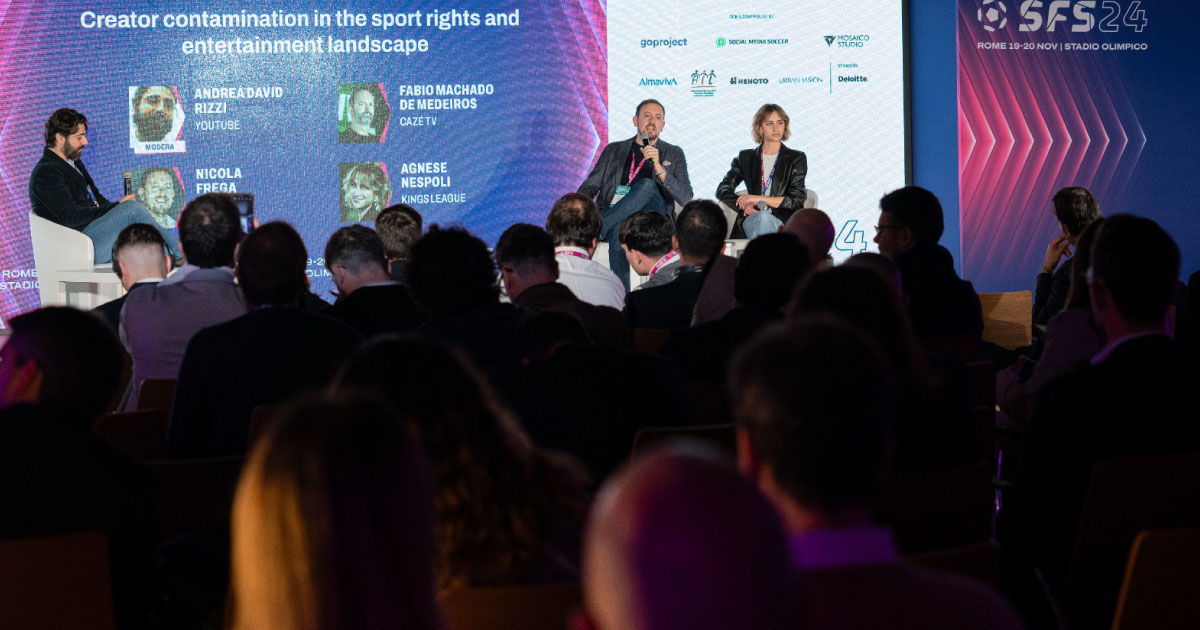
CREATORS AND BROADCASTERS: NEW PLAYERS IN THE ENTERTAINMENT LANDSCAPE
The evolution of sports content consumption, as we have already explained in this article, is gradually shifting towards content creators and increasingly innovative digital platforms. Traditional media are now competing with players capable of engaging new generations using fresh and dynamic communication codes. This was the main topic of the panel "Creator contamination in the sport rights and entertainment landscape", held during the SFS. On stage at the Football Stage, industry experts shared their insights. Speakers included Andrea David Rizzi -
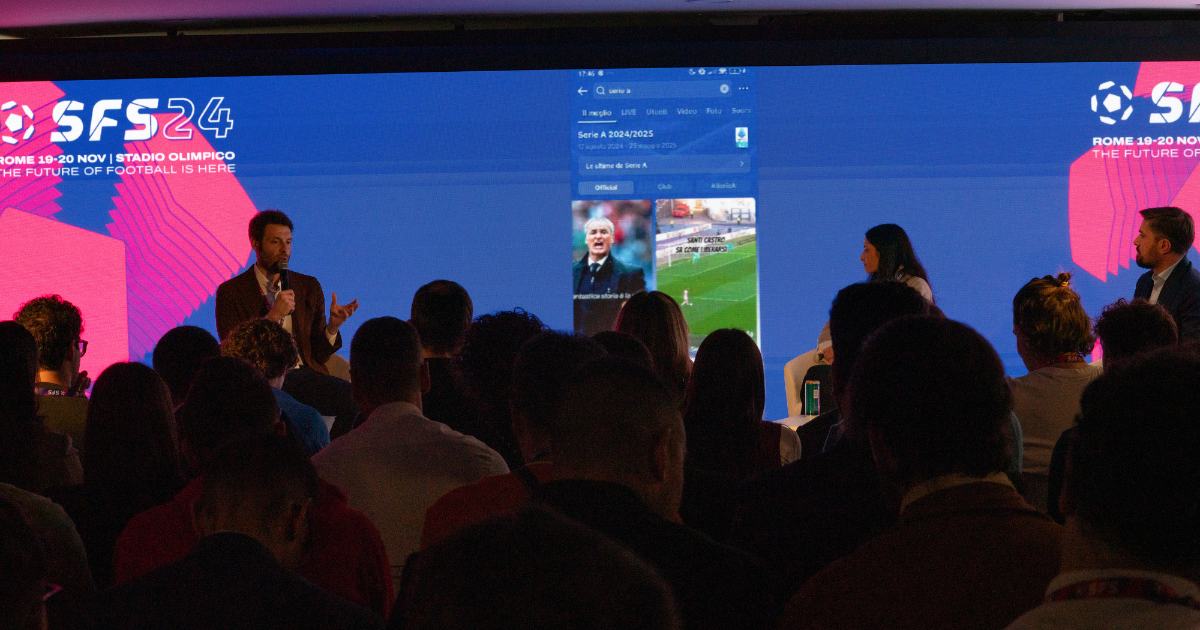
SFS24, Serie A, and TikTok: Redefining the Language of Football
Football is no longer just played on the pitch but also told through the viral trends dominating social networks. TikTok has become the ideal platform to rewrite the language of Italian football, and Serie A is riding this trend with innovative and engaging content. For this reason, SFS24 hosted the self-moderated panel "Serie A on TikTok: Redefining the Language of Italian Football", featuring two creators — Lisa Offside and Sinnaggagghiri — along with Pierdamiano Tomagra, Head of Digital at
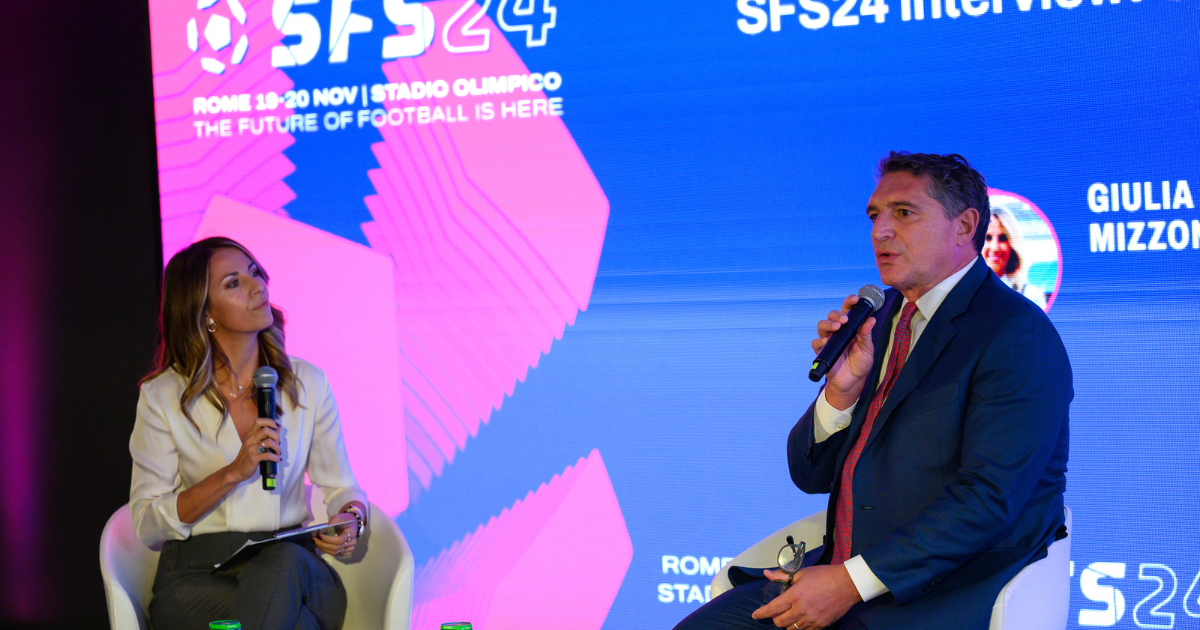
SFS24, Serie A and the Path to Global Football Leadership
"Serie A is now, in every sense, a media company. We have repositioned the product in a competitive landscape, following commercial and entertainment-driven strategies", said Luigi De Siervo, CEO of Lega Serie A, speaking at the SFS24 event, dedicated to the national and international football industry. Giulia Mizzoni, a journalist for Amazon Prime Video, interviewed the CEO, asking specific questions about the league’s strategies and future projects. De Siervo highlighted the work done over the years, with the NBA, NFL, and
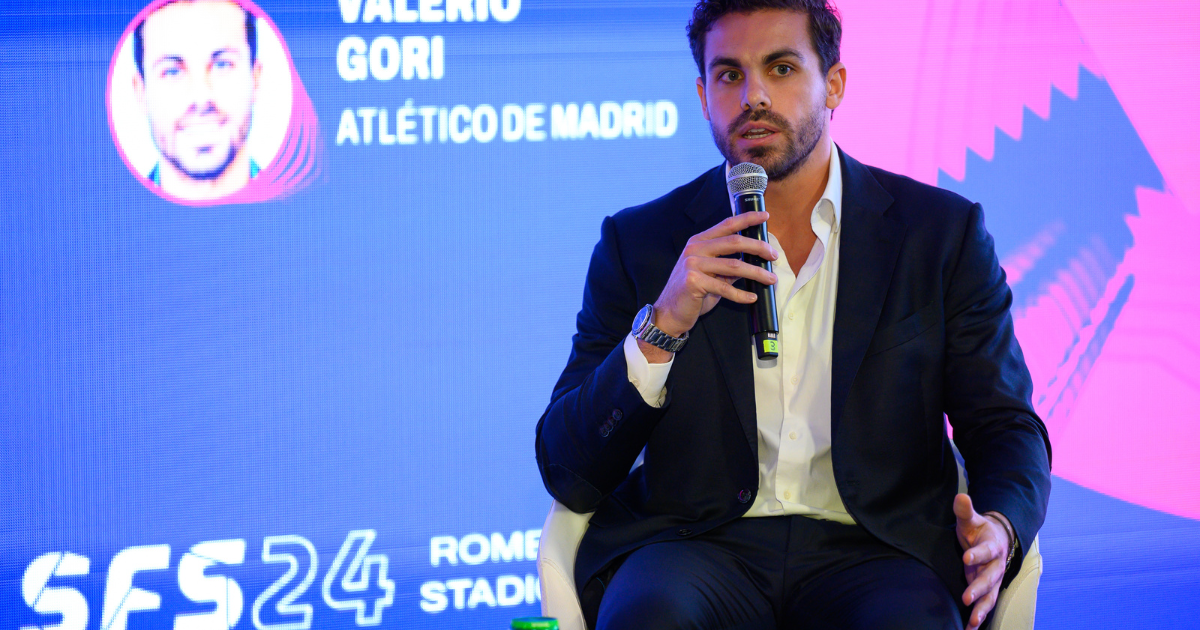
Atletico Madrid and the Communication Revolution: Between Creativity, Data, and the Creator Economy
Atletico Madrid is not only one of the most successful and competitive teams in the European football scene but also a communication laboratory that leverages creativity and diversification strategies as its key strengths. At SFS24, Valerio Gori – Marketing Director of Atletico Madrid – explained to Carlo De Marchis and Paola Marinone how the Madrid-based club has managed over the years to build an omnichannel communication strategy with high engagement rates. Everything revolves around international positioning, through concrete and unique actions
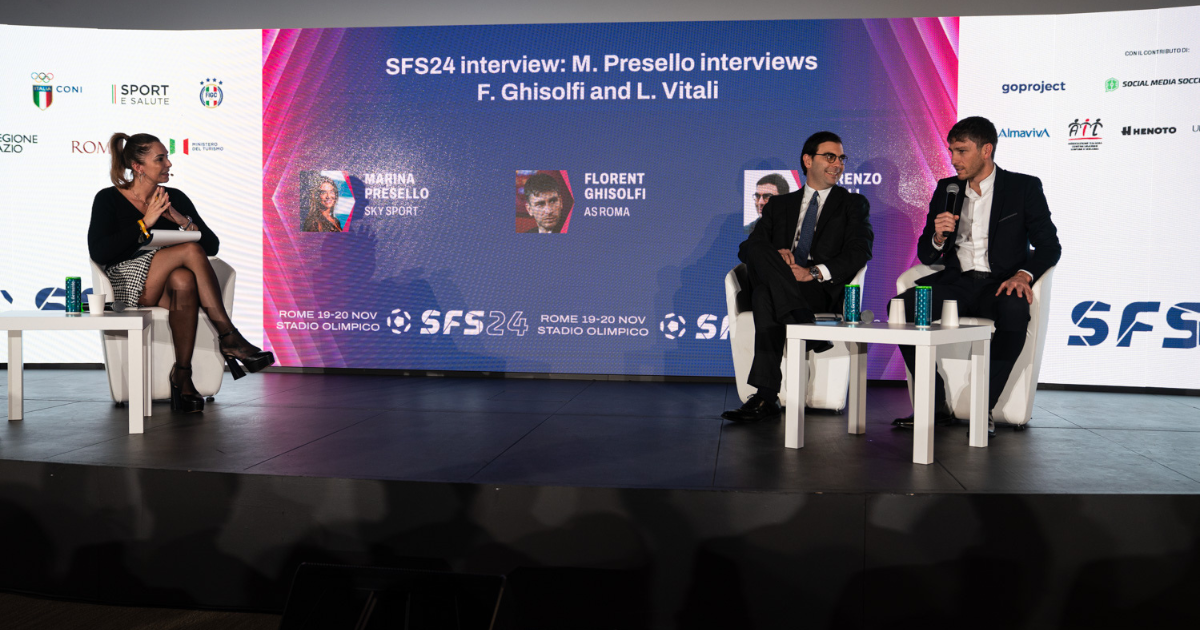
“Roma must be an Italian and local brand, but with an international soul,” said Florent Ghisolfi at SFS24
During a challenging period for sports results, Lorenzo Vitali – General Counsel of AS Roma – and Florent Ghisolfi – Head of the Technical Area for the Giallorossi – were interviewed on stage at the Summit. In the presence of Sky Sport journalist Marina Presello, the panel analyzed the state of the Roman club from every angle. Following the dismissal of Daniele De Rossi and the brief tenure of Djuric, the club decided to bet on Claudio Ranieri, a coach with
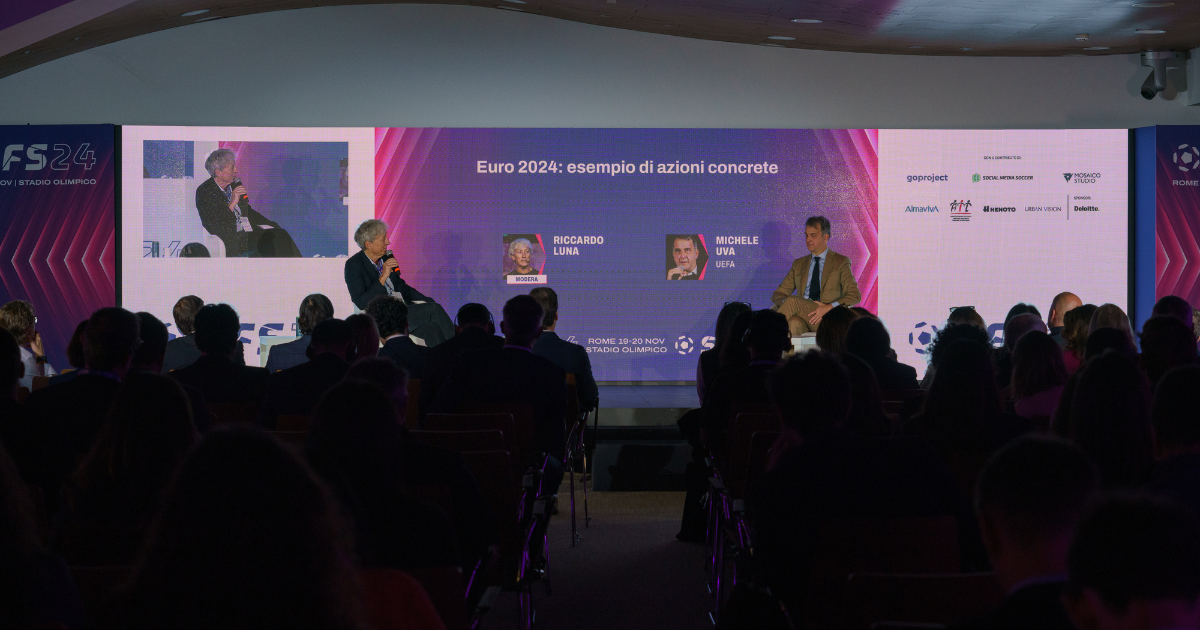
“The path to sustainability requires collective action”, said Michele Uva at SFS24
After presenting the ESG strategies implemented for EURO2024, Michele Uva – UEFA’s Director of Social & Environmental Sustainability – was interviewed on stage at the SFS by journalist Riccardo Luna. The panel, titled "Euro2024: an example of concrete actions", focused on sustainability, which Uva himself described as "an essential asset with significant cultural and social influence". Just days before COP29, the United Nations Climate Change Conference, the Summit devoted considerable attention to the interplay between environmental policies and the football
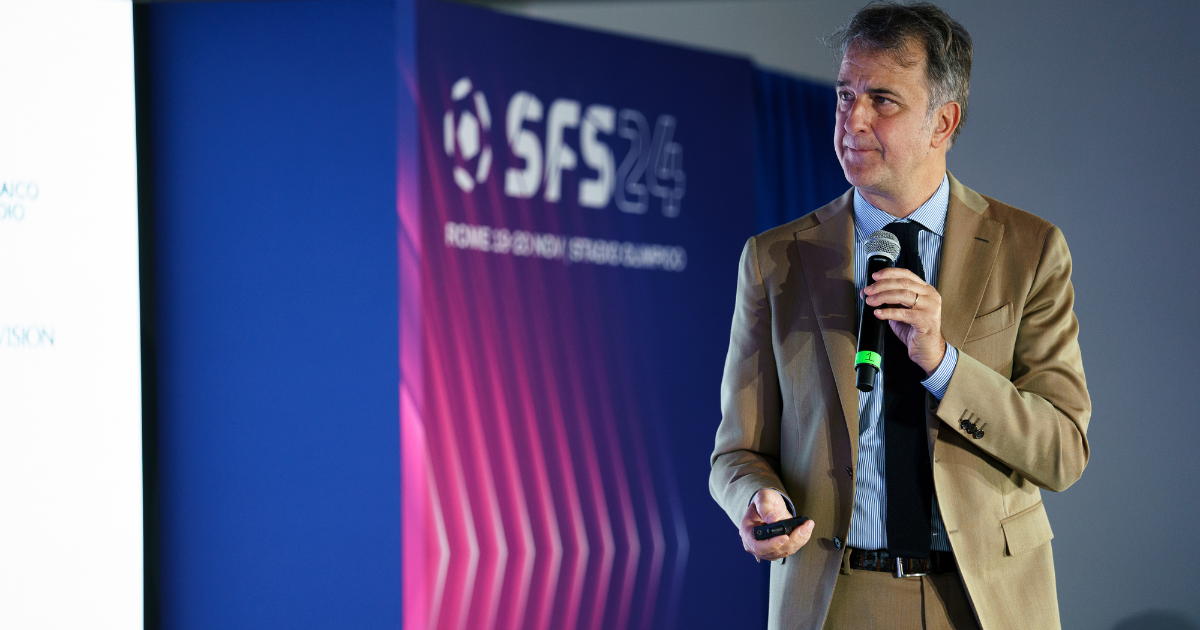
EURO 2024, ESG strategies with Michele UVA
Michele Uva, UEFA Director of Social & Environmental Sustainability, presented a summary of the key ESG (Environmental, Social and corporate Governance) actions implemented for the UEFA Euro 2024 tournament held in Germany at the SFS24. This journey began two and a half years ago with the aim of defining a replicable path for the future for UEFA, federations, and amateur clubs. Before outlining the ESG activities, however, Uva wanted to outline the scope of the event in terms of personnel involved, cumulative
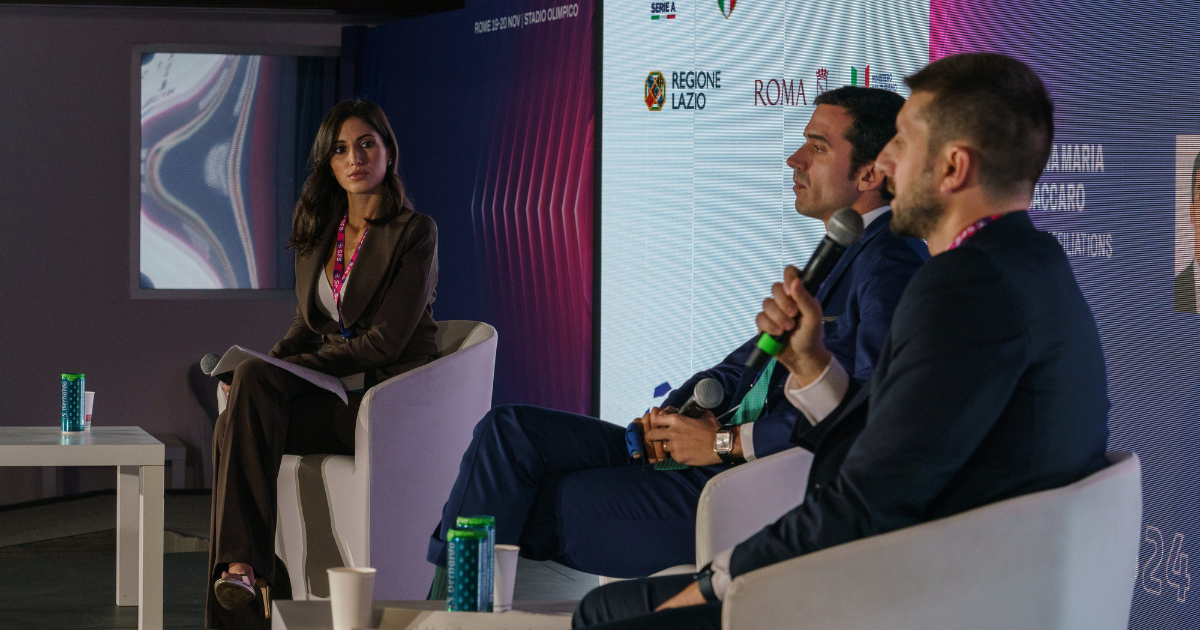
HOW FANS WILL LOOK LIKE IN THE FUTURE, THE DELOITTE ANALYSIS
How can we analyze the fan segment from an industrial standpoint? And, above all, how can we leverage the visceral passion for a club to generate new sources of value? This was the main theme of the panel How fans will look like in the future, scheduled at SFS24. On stage, alongside journalist Anna Maria Baccaro, were the two Deloitte Monitors Luigi Capitanio and Andrea Cabiati. Starting from a market analysis conducted on around two thousand fans worldwide, very interesting data
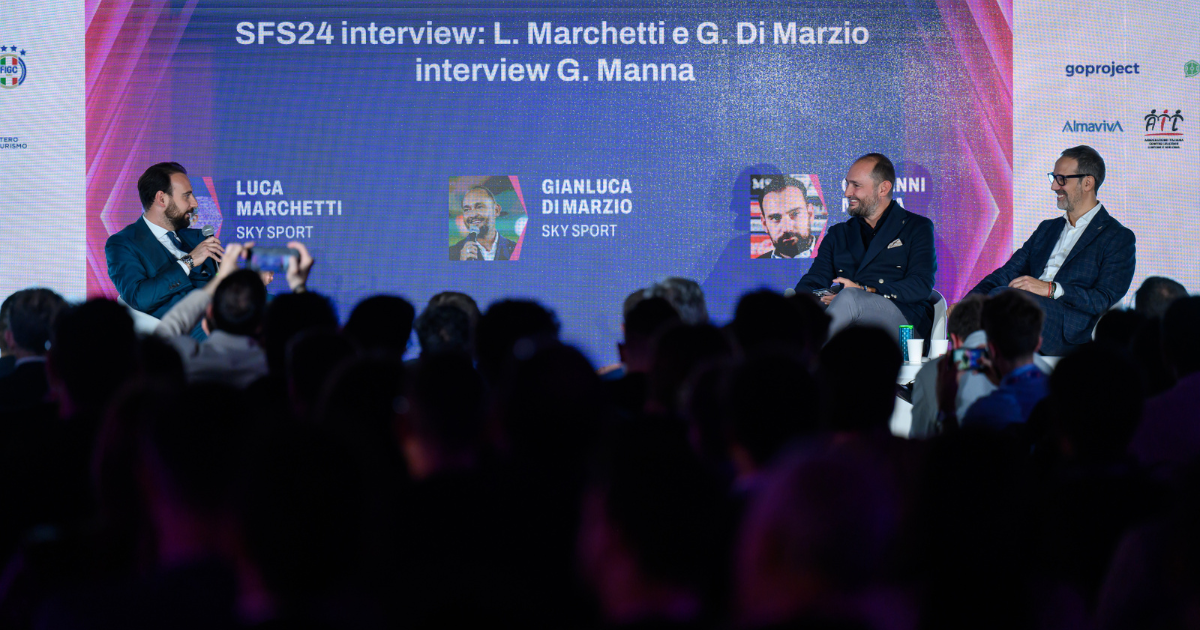
“We aim for a privately owned stadium and focus on the youth sector,” Giovanni Manna said at the SFS
Giovanni Manna, Sporting Director of Napoli, was a guest at the SFS, interviewed by Sky Sport journalists Luca Marchetti and Gianluca Di Marzio. Many topics were discussed: from his professional journey to future career challenges, as well as the current season under the leadership of Aurelio De Laurentiis in Naples. “At Lugano, I worked as a team manager, and there wasn’t a consolidated structure, so I operated as a self-starter. Fabio Paratici and Walter Sabatini have been indispensable references. A second