




INAIL, AlmavivA, and the Villa Beretta Foundation to speak at the Social Football Summit on the critical intersection of Sports and Digital Evolution, focusing on Telemedicine and its practical implications
Post-operative physical rehabilitation is one of the primary challenges athletes face following a physical injury or trauma. For athletes, injuries often lead to a crossroads filled with fears and concerns about their career prospects: Is this the end? Will I ever be the same?
Unfortunately, many professional athletes have seen their careers cut short by physical disabilities or excessively long recovery times. On the other hand, some careers, once thought irrecoverable, have returned to pre-injury levels. Notable athletes like Rafael Nadal and Kevin Durant, for instance, have benefited from advanced tele-rehabilitation programs to monitor their progress.
Technological advancements in healthcare have made significant strides, evolving in ways that allow faster physical recovery for athletes. In recent years, tele-rehabilitation—a form of rehabilitation utilizing digital technologies for remote support and assistance—has gained prominence. Through tele-rehabilitation, therapeutic exercises, feedback, and interactions with healthcare professionals no longer require physical visits to rehabilitation centers. The benefits are numerous and practical: enhanced accessibility and inclusivity of care, real-time monitoring, and flexible interventions. In short, it’s a method that enables a holistic assessment of each athlete, aiming to understand why specific injuries occur. However, there’s a critical ethical issue—one that requires careful consideration—regarding the management and security of sensitive health data.
For these reasons, the presence of these partners is essential. The Villa Beretta Foundation stands out as a “flagship” in advanced tele-rehabilitation protocols, having recently collaborated with AlmavivA to implement tele-rehabilitation solutions within the hospital. The primary goal is to revolutionize rehabilitative care by using augmented reality, virtual reality, and AI. With INAIL, the focus will be on the practical applications—and impact—of tele-rehabilitation within the context of work re-adaptation.
In a world where technology is increasingly integrated into our lives, this branch of telemedicine represents a revolution for the sports sector and health in general. Adopting digital solutions not only improves access to rehabilitative services but also increases the effectiveness of therapies and athletes’ engagement in the recovery process. Looking to the future, it’s clear that digital innovation and sports will increasingly move in tandem, making tele-rehabilitation a cornerstone. Investing in these technologies is a necessary step to ensure complete and safe recovery for athletes, both professional and amateur, supported by tools that evolve alongside them.

Sport & Technology: the digital tools for a new era of Tele-rehabilitation
INAIL, AlmavivA, and the Villa Beretta Foundation to speak at the Social Football Summit on the critical intersection of Sports and Digital Evolution, focusing on Telemedicine and its practical implications Post-operative physical rehabilitation is one of the primary challenges athletes face following a physical injury or trauma. For athletes, injuries often lead to a crossroads filled with fears and concerns about their career prospects: Is this the end? Will I ever be the same? Unfortunately, many professional athletes have seen their careers

Sporting Events: Impact and Effects on the Tourism Industry
At the upcoming Social Football Summit, which will take place on November 19 and 20 at the Olympic Stadium in Rome, sports tourism will be discussed in a round table attended by Andrea Onorato (Councilor for "Major Events, Sports, Tourism, and Fashion" for the Municipality of Rome) and Gianluca Caramanna (National Head of Tourism for Fratelli d'Italia and advisor to Minister Daniela Santanchè), along with representatives from Sport e Salute S.p.A. and the Lazio region. The debate will be moderated
Announcement of Partnership with Adobe for the SFS24!
We are excited to announce that Adobe has become an official partner of the SFS! SFS24 will take place on 19 and 20 November at the historic Stadio Olimpico in Rome and will be attended by global leaders in sports and technology. The partnership with Adobe, a leader in creative and digital solutions, will bring added value to the event, helping us to elevate the experience for all participants. Together, we will explore innovative ideas that lie at the intersection of sport and technology, promoting digital creativity and innovation in the world
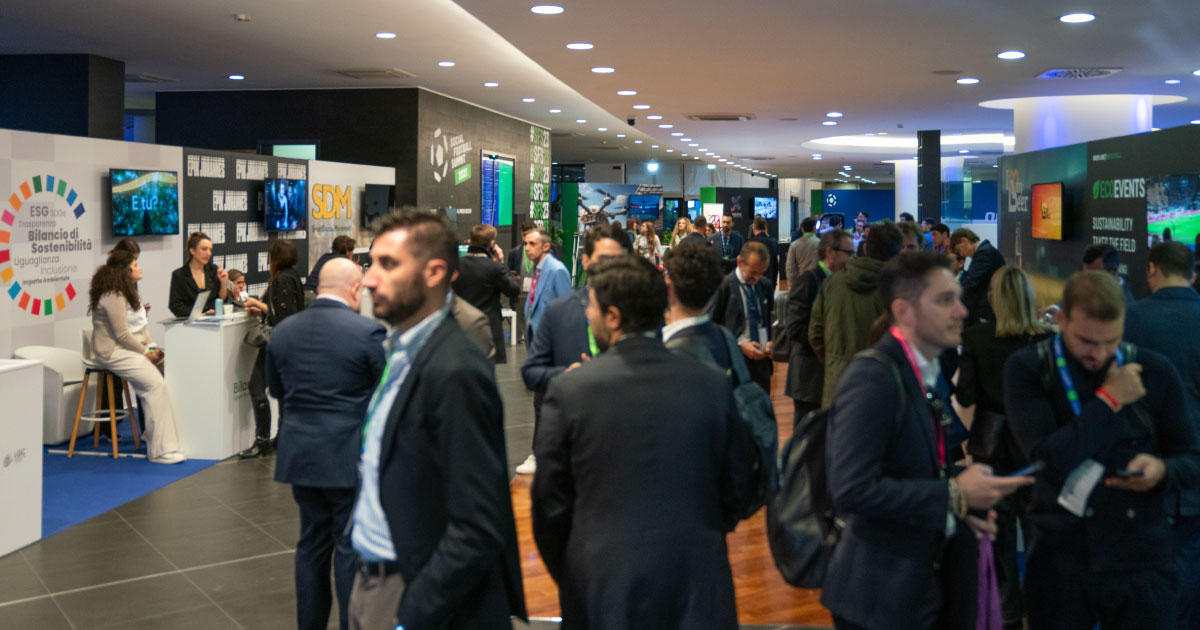
Football and Business: The New Frontier for Corporate Networking and Branding
In recent years, the business-to-business (B2B) events sector has decisively shifted towards the world of sports, with a special emphasis on football. This sport, with its large following and deep emotional connection, represents a unique opportunity for networking and corporate marketing. It is no coincidence that the number of B2B events linked to football is on the rise, as companies realize the enormous potential for building relationships, increasing visibility, and generating value. Football as a Networking Platform Football has the unique ability
Private Equity’s expanding footprint in football: Risks, rewards and the future
Brief Overview Private equity’s role in football has grown significantly, with investments spanning clubs, leagues and sports institutions worldwide. Driven by football’s global appeal and potential for sustained revenue, private equity firms are reshaping the industry, from financial recovery efforts post-COVID to strategic modernization initiatives. While they offer stability and growth, these investments also raise questions about the balance between commercial gains and the sport's cultural roots. Key insights: Football’s global appeal fuels investment: Football's unmatched global reach and loyal fan base
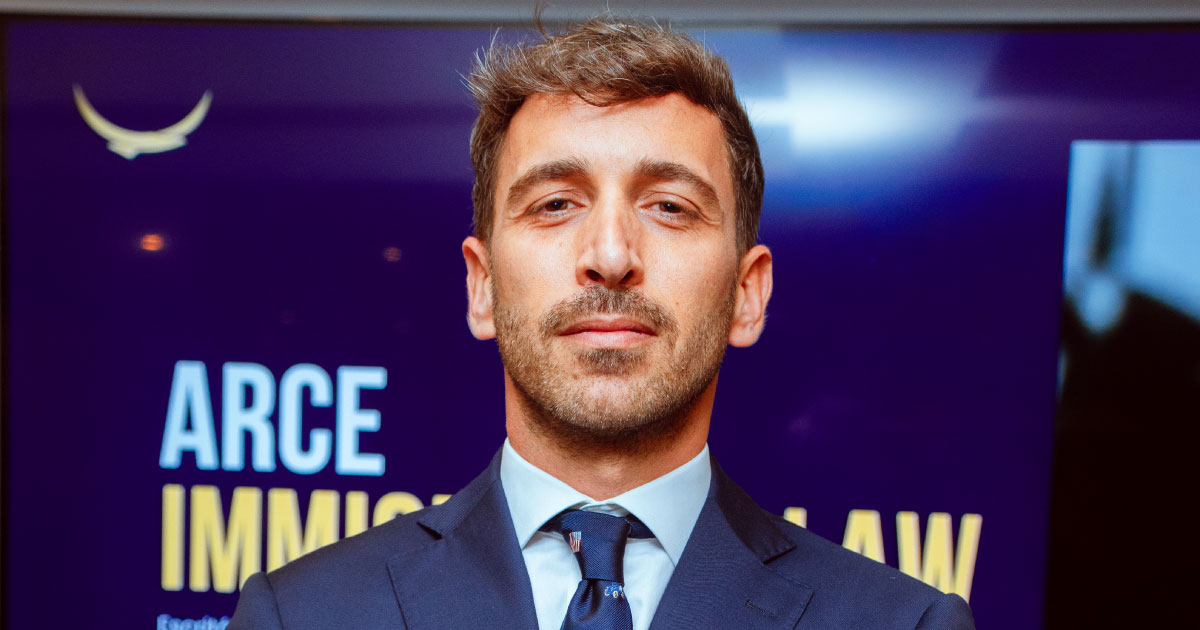
The Future of Soccer in the United States: Opportunities and Challenges for International Athletes and Clubs
With soccer rapidly expanding in the United States and increasing demand for international players and coaches, the opportunities for athletes, coaches, and sports organizations are more abundant than ever. However, the U.S. immigration system, regulated by complex and specific rules for sports professionals, presents several challenges, ranging from selecting the appropriate visa to complying with the requirements of U.S. sports federations. Giorgio Polacco, partner at Arce Immigration Law, shares his expertise in helping players, coaches, and clubs navigate this intricate
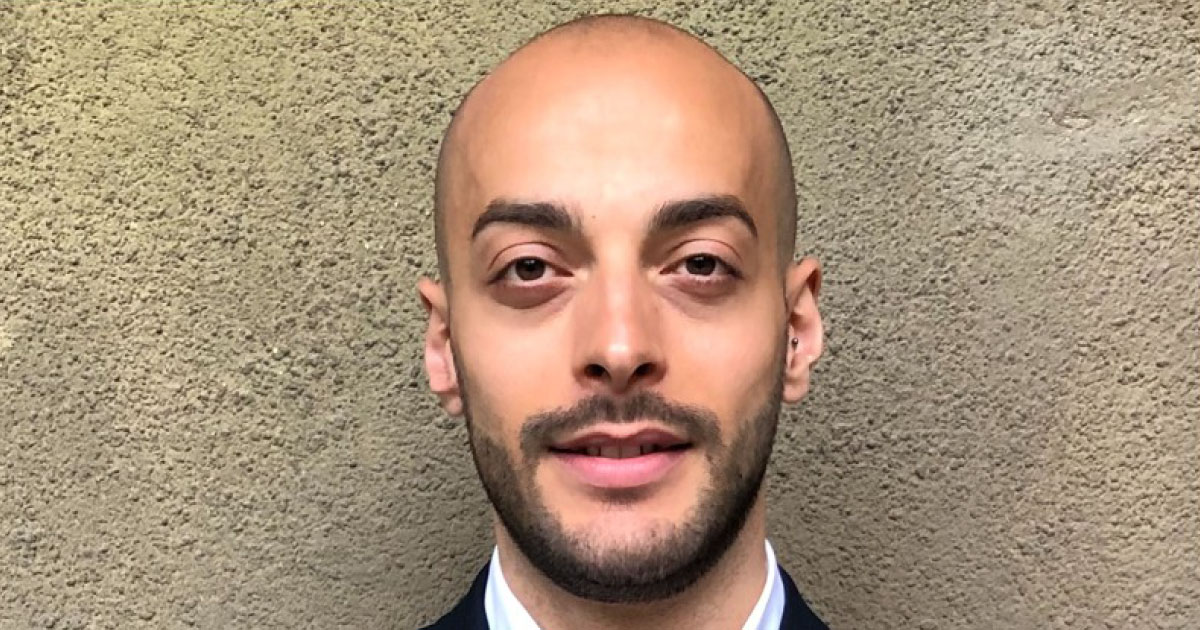
Interview with Nicola Dimatteo, Senior Sales Executive at YouGov
As part of the seventh edition of the Social Football Summit (SFS), scheduled for November 19-20 at Rome's Stadio Olimpico, YouGov reaffirms its role as a key partner for this event dedicated to innovation and new trends in the world of football. On our blog, we share an interview with Nicola Dimatteo, Senior Sales Executive at YouGov, who provides insights into how data and market research are transforming the sports landscape and how YouGov is driving change, responding to the
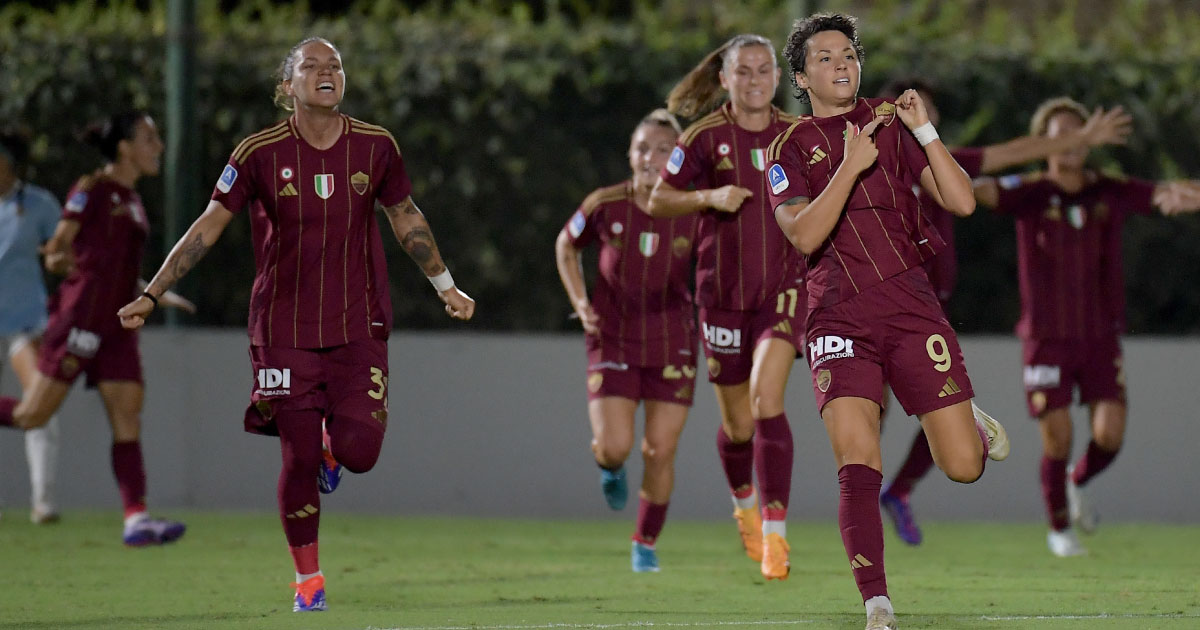
Women and Football: The Rise of Women’s Football and Opportunities for Growth at SFS24
The Social Football Summit 2024, scheduled for November 19-20 at the Stadio Olimpico in Rome, is set to explore one of the most current and dynamic themes in the sports landscape: women and football. In a period where women’s football is experiencing a significant boom, this panel will provide an important opportunity to reflect on the challenges and opportunities the sector faces. In recent years, women's football has gained unprecedented visibility and recognition. Thanks to events such as the FIFA Women’s
Fortune Italia is the Official Media Partner of SFS24!
We are excited to announce a strategic collaboration that will bring even greater visibility to our event! Fortune Italia joins us as the official Media Partner for SFS24, which will take place on November 19-20 at the Stadio Olimpico in Rome. This partnership will amplify our vision, connecting our audience with exclusive content, success stories, and in-depth analysis on key topics shaping the future of business, innovation, and technology. Fortune Italia, renowned as one of the most authoritative voices in the business and financial landscape,
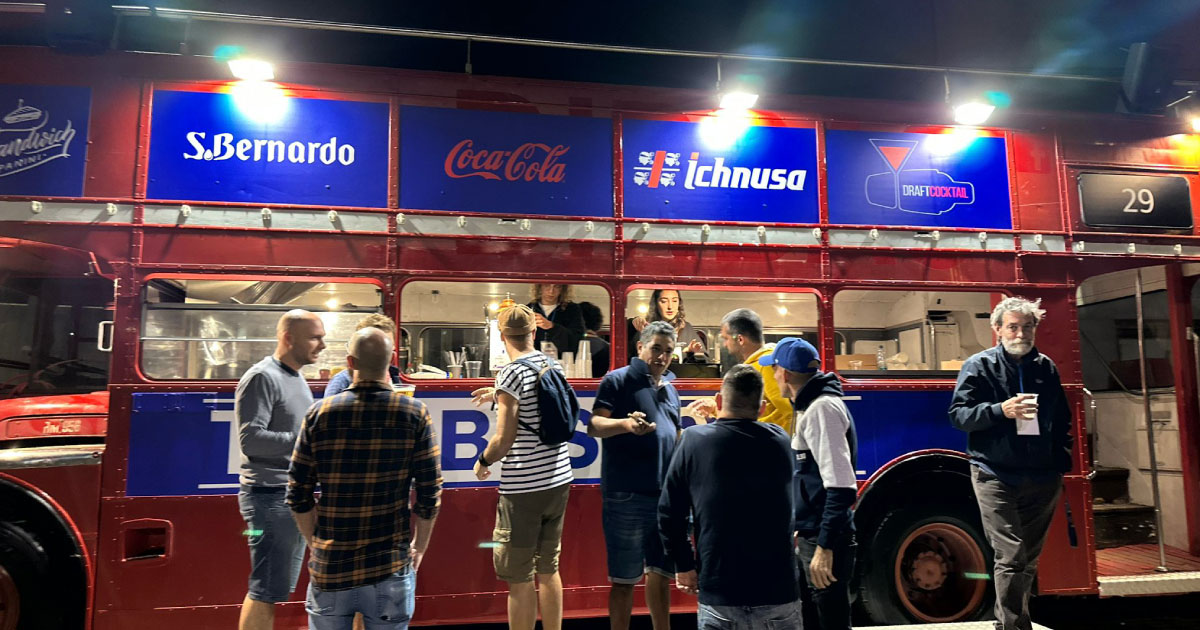
Creating memories: the impact of temporary stores on the sporting experience
The current era is marked by a radical shift in consumer expectations, especially in sporting events and retail. It's no longer just about offering a product or service, but about creating immersive experiences that engage fans and leave a lasting memory. In this context, solutions like temporary stores, pop-up shops, and experience marketing in football are redefining the landscape. The concept of temporary stores has seen significant growth in recent years, establishing itself as a fundamental tool for brands, particularly at high-attendance events