




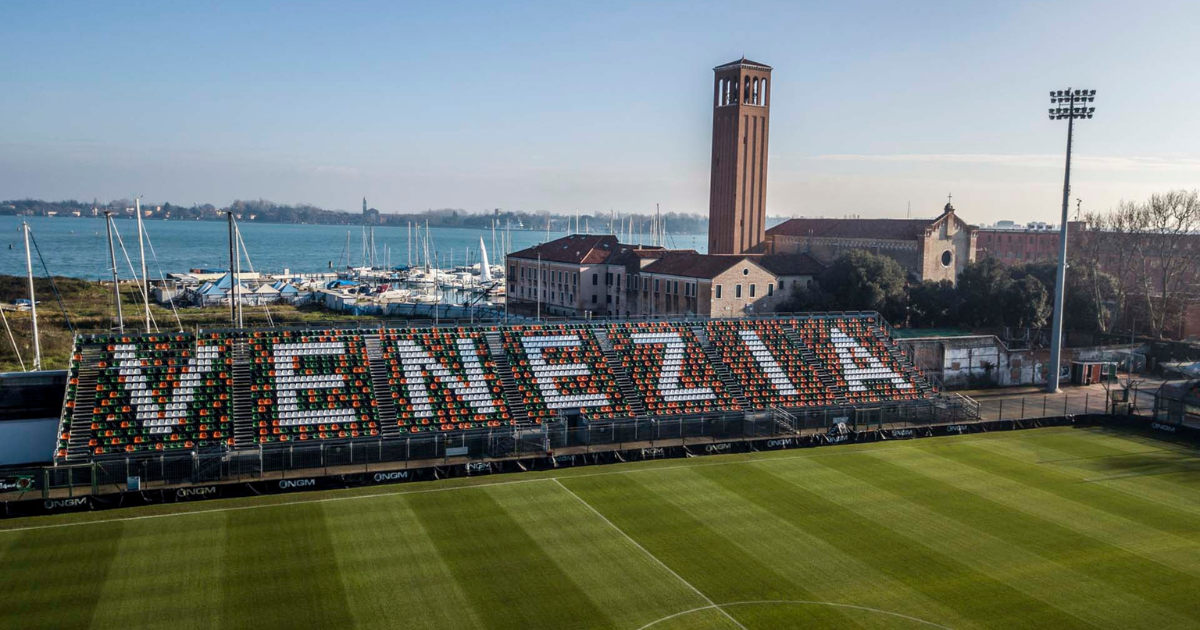
Culture is the new competitive advantage: the case of Venezia FC
The Venetian club has transformed its brand into a global lifestyle icon, following new trends in creativity and culture
In the modern football landscape, the competition for fan attention is global, fragmented, and ruthless. A recent in-depth analysis by Pablo Alzaga (founder of Matinal), titled “Football & Creativity: New Trends on and off the Pitch,” highlights a fundamental paradigm shift: culture has become the new strategic asset for clubs.
It is no longer just about winning trophies; it is about transforming into true cultural icons. And if there is one club that has rewritten the rules of this “off-the-pitch” game, it is undoubtedly Venezia FC.
Football as lifestyle: the intersection of fashion and design
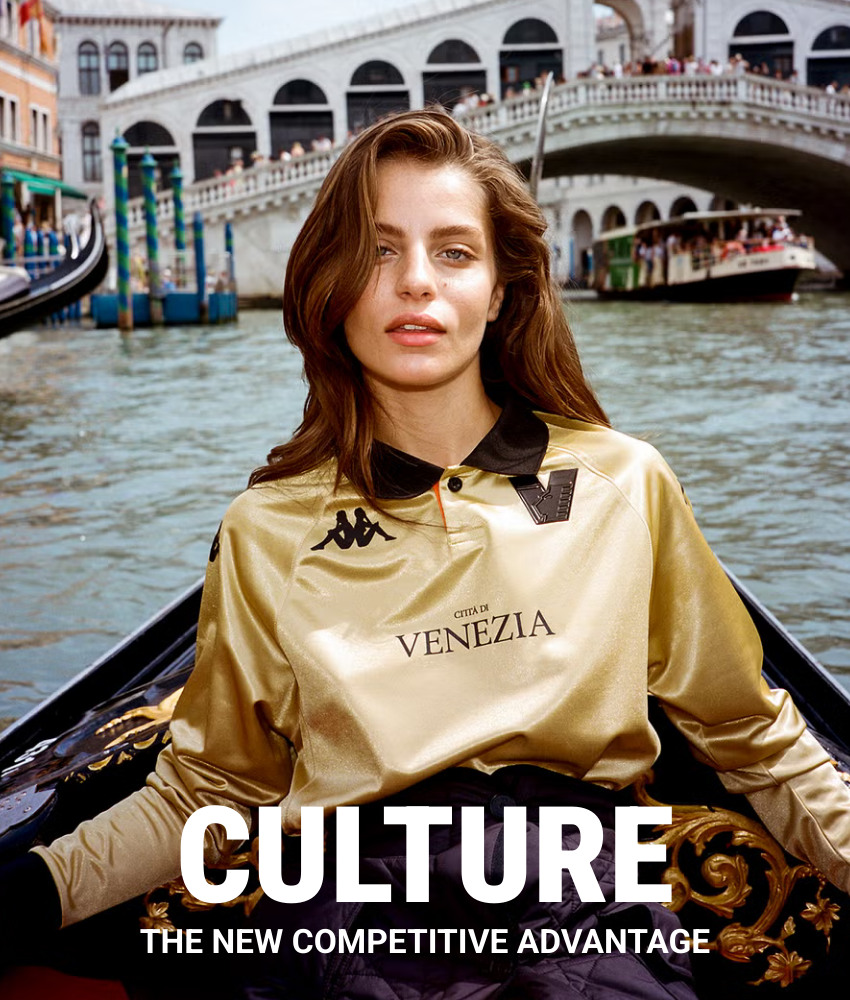
The boundary between sport and lifestyle has become invisible. The WFS report emphasizes how football is now occupying spaces previously reserved for fashion and music. In this scenario, Venezia FC didn’t just sell a football jersey; they sold an aesthetic.
Through meticulously detailed rebranding and photography campaigns that look more like high-fashion editorials than sports news, the club has captured a global audience. This demographic—often far removed from traditional fandom—seeks to wear the Arancioneroverde brand as a piece of contemporary design.
Off-Pitch talent: when creativity takes the field
If there is one lesson Venezia has taught the world of football, it is that “talent” isn’t measured only in goals or saves. In the Lagoon, they understood sooner than others that the invisible team working behind the scenes—composed of designers, art directors, and communicators—is just as fundamental as a twenty-goal-per-season striker.
The club’s creative approach wasn’t a simple aesthetic restyling, but a genuine strategic management choice. Instead of relying on the usual tropes of traditional sports marketing, Venezia opened its doors to professionals from parallel worlds. This cross-pollination allowed the club to speak a new language: they didn’t just “use” the name of one of the world’s most beautiful cities; they chose to interpret its soul.
Their campaigns celebrate the most authentic venezianità (Venetian-ness): from the canals less traveled by tourists to the faces of everyday citizens, all wrapped in an aesthetic that nods to an elegant sense of nostalgia. The jersey stops being a mere technical uniform and becomes a global object of desire. Consequently, the brand becomes “antifragile”: capable of shining and generating value even when Sunday’s result isn’t what was hoped for.
Identity vs. Homogenization: the challenge of the future
One of the greatest dangers highlighted in the analysis is the risky phenomenon of standardization. If all clubs follow the same graphic templates and social media strategies, the brand dissolves into the background noise. Venezia did the exact opposite by embracing its own uniqueness.
Modern fans, especially Generation Z, aren’t just looking for athletic performance; they seek authenticity, stories, and values they can identify with. A club that communicates its culture builds a long-term relationship that extends far beyond the 90 minutes of play.
The Venezia case clearly demonstrates that football is undergoing a profound transition: from a pure entertainment industry to a pillar of popular culture. For decision-makers in the sector, investing in the cultural dimension is no longer an option—it is a necessity to ensure sustainability and relevance.
