





MLS 2026: the year of reckoning between global stars and the World cup shadow
Between the “Messi effect,” Martino’s return to Atlanta, and the anticipation for the 2026 World Cup, MLS is kicking off a season that will be decisive for the future of soccer in the US
Major League Soccer has reopened its doors, and there is a palpable sense that this is no ordinary season. With the 2026 World Cup on the horizon—hosted across the USA, Canada, and Mexico—the American league finds itself in the eye of a storm of investment, star power, and structural reforms aimed at forever changing the perception of North American soccer.
Inter Miami and the “Mascherano Factor”: who can stop Messi?
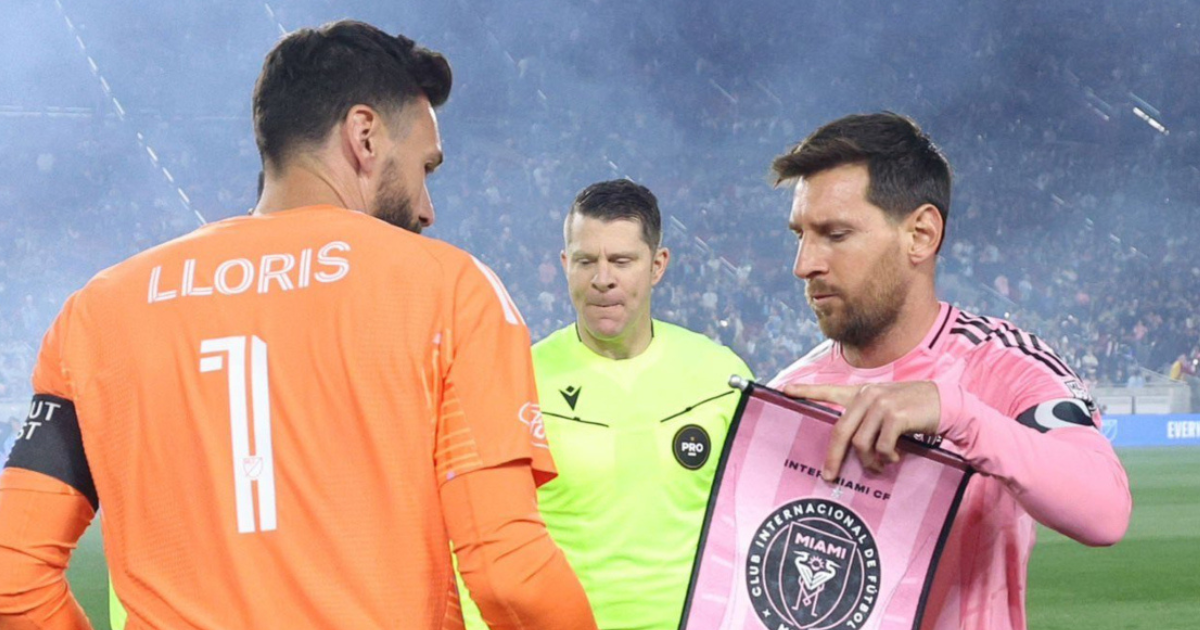
The opening weekend immediately delivered fireworks with a face-off between two global icons: Lionel Messi, leader of the defending champion Inter Miami, and Son Heung-min, the new face of Los Angeles FC. Despite the departure of legends like Busquets and Alba at the end of 2025, Miami has doubled down with an ambitious technical project led by Javier Mascherano.
The former “Jefecito” has bolstered the roster with targeted signings, ensuring security between the posts with Dayne St. Clair and defensive solidity thanks to the Brazilian Micael. Completing the picture are the international experience of Sergio Reguilón and the offensive explosiveness of Germán Berterame, who arrived for a fee close to $15 million. However, the competition isn’t sitting idly by: LAFC, FC Cincinnati, and the new San Diego franchise are already at the top of the power rankings, ready to battle for the title.
A $23 billion business: the growth by the numbers
Behind the on-field spectacle moves an economic machine that has never run faster. Since its founding in 1996, MLS has evolved from a niche experiment into a colossus with a total valuation exceeding $23 billion. While the first franchises were purchased for approximately $5 million, today clubs like Inter Miami and LAFC have surpassed the $1.4 billion valuation threshold, with entry fees for new teams (like San Diego) reaching $500 million.
This explosion is supported by an increasingly aggressive transfer market: in the last winter window alone, hundreds of millions were moved, with Miami leading the spending by investing over $45 million to secure stars of the caliber of Rodrigo De Paul. On the commercial front, sponsorship revenues have broken the $700 million annual ceiling, while the ten-year, $2.5 billion deal with Apple ensures unprecedented financial stability, bringing matches to a global audience of over 3.7 million viewers per week.
Great returns and the World Cup effect: the global showcase
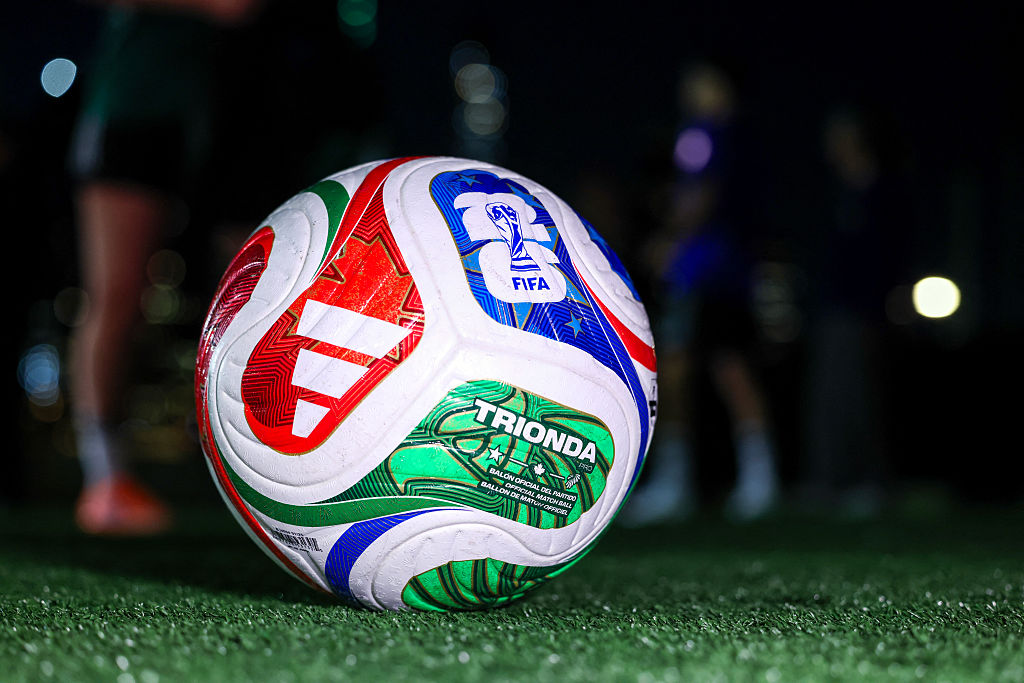
Beyond economic dynamics, 2026 is the year of the World Cup, and MLS is set to play an absolute starring role. Many eyes are fixed on local talents using the league as a springboard for the national team: the battle for the USA’s number one jersey will inevitably hinge on the weekly performances of Matt Turner and Matt Freese, while youngsters like Diego Luna and Max Arfsten are eager to earn their spot in the sun for the global showcase.
The league’s strategy is clear: harness the World Cup’s momentum with a schedule designed to jump back into marquee matchups immediately following the July final. This planning is part of an even deeper reform: starting next year, MLS will align its calendar with the European season—a transformative move intended to facilitate the transfer market and attract champions like Robert Lewandowski, who has already been linked to the Chicago Fire.
Sports diplomacy and record-breaking numbers
While the pitch catalyzes attention, FIFA’s front offices are far from idle. A new partnership between the Trump administration’s Board of Peace and the governing body of world soccer even aims at the potentially—and objectively—controversial construction of a 20,000-seat stadium in Gaza City within three years.
Meanwhile, World Cup fever is rewriting ticketing history: Gianni Infantino has confirmed record-breaking demand, with over a million applications for the vast majority of matches. MLS thus finds itself at a decisive crossroads: between the looming shadow of Messi and the bright lights of the World Cup, North American soccer is taking its final step toward becoming a global giant.
