



Sustainability in modern football is rapidly evolving from mere statements of intent into a core strategic pillar of club operations. Against the backdrop of a profound industry transformation, Udinese Calcio achieves a new international benchmark by launching the “Play for Sustainability – All on the Pitch for the Planet” initiative.
Debuting at Bluenergy Stadium and Applying the UEFA Manual
The key appointment is set for Saturday, September 19, 2026, when Udinese hosts Cagliari in Serie A. On this occasion, the Friulian club will become the first in Europe to implement the guidelines of the Football Event Sustainability Manual directly on the pitch. This operational framework was developed by UEFA and European Leagues to measure and reduce the environmental impact of football events throughout their entire lifecycle.
Designed not as an isolated campaign but as an annual commitment, the initiative aims to test and progressively optimize the club’s ESG practices. Bluenergy Stadium will serve as an innovation lab where the matchday on September 19 will be used to test concrete actions: from low-emission mobility via the Stadium by Bike project, to energy efficiency, waste recycling, responsible catering, and enhanced accessibility. At the core of the project lies a rigorous post-match data collection and reporting phase covering consumption and attendance, establishing an analytical benchmark for future editions.
Institutional Alignment and Strategic Vision
As highlighted by Magda Pozzo, the club’s vision focuses on creating an impact that extends far beyond the 90 minutes on the pitch, turning the collaboration with UEFA and the adoption of the manual into a tool for continuous improvement. This approach is shared by Filippo Veglio, Chief of Social & Environmental Sustainability at UEFA, who emphasized how Udinese’s experience can serve as a blueprint for the entire European football movement, demonstrating the viability of embedding ESG criteria into standard league matches. Similarly, Serie A President Ezio Simonelli welcomed the initiative for building on system-wide sustainability efforts such as the Road to Zero project.
Infrastructure and ESG Positioning: The Udinese Model
For Udinese, this step represents the natural evolution of a strategic journey that has already established the club at the top in Italy and among the leading European clubs for sustainability perception and reputation. This leadership is backed by tangible infrastructure investments, including a 2,409-panel solar array integrated into the stadium roof and the launch of the Energia in Campo Renewable Energy Community. With this new milestone, the Friulian club reinforces how modern management of physical assets and matchday operations can become a powerful growth driver for the entire sports industry.
Udinese Leads the Way in Europe: Matchdays Become a Sustainability Benchmark with UEFA Manual
Sustainability in modern football is rapidly evolving from mere statements of intent into a core strategic pillar of club operations. Against the backdrop of a profound industry transformation, Udinese Calcio achieves a new international benchmark by launching the “Play for Sustainability – All on the Pitch for the Planet” initiative. Debuting at Bluenergy Stadium and Applying the UEFA Manual The key appointment is set for Saturday, September 19, 2026, when Udinese hosts Cagliari in Serie A. On this occasion, the Friulian club
3rd edition of the Festival della Serie A in Parma: from fixture releases to key topics in Italian Football
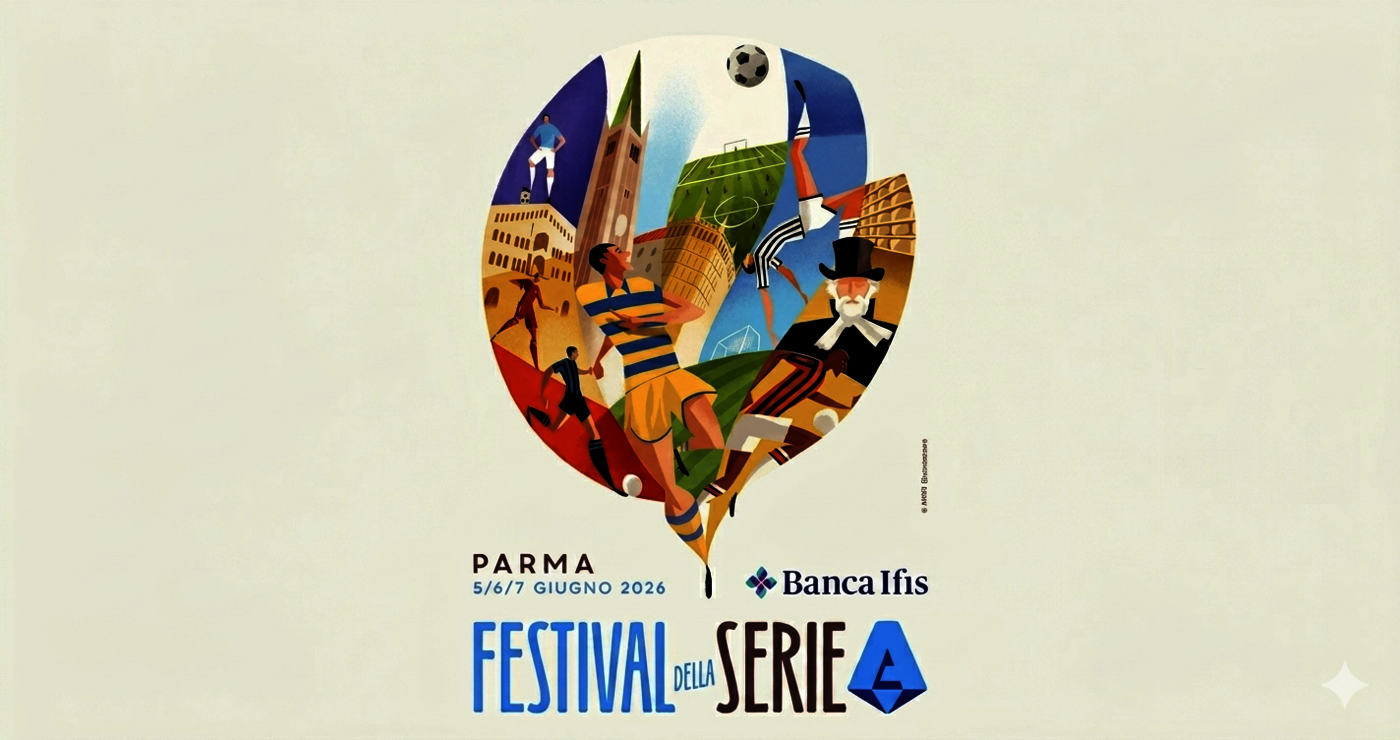
From June 5th to 7th, an appointment with the hot topics of Serie A and beyond: three days packed with insights on the future, innovation, and inclusion in the world of football From June 5th to 7th, Parma will host the third edition of the Festival della Serie A. The three-day event will be structured around macro-themes, featuring panels that explore relevant topics in both national and international football. Discussions will span from the importance of young talent to inclusive dynamics, as

Serie A… How Much Will It Cost You?
English version prepared by editorial team Is high spending an essential requirement for avoiding relegation? Jacopo Carmassi – Numeri in Palla – Social Media Soccer / Social Football Summit column, April 2, 2026 Imagine you are the owner or executive of a men’s football club in Serie B that has just achieved an exceptional sporting milestone: promotion to Serie A. Imagine that, while the fans and the city are still celebrating, your mind is already turned toward the future, toward those first summer

SFS Saudi Edition 2025: Italy and Saudi Arabia engage in dialogue through football, beyond the match
Riyadh, 22 December 2025 – The second edition of SFS Saudi Edition, held in Riyadh, recorded strong attendance and a high level of content, confirming the initiative's value and positioning as an international reference platform for dialogue between Italy and Saudi Arabia in football and sports business. The event was organized by the Social Football Summit and Lega Calcio Serie A, and developed in collaboration with the Italian Embassy in Riyadh, the Italian Trade Agency in Riyadh, the Ministry of Sport, and the Ministry of
SFS Saudi Edition 2025 unites Italy and Saudi Arabia in football
Riyadh hosts the second edition of the SFS event, strengthening the dialogue between sport, business, and innovation. The Social Football Summit (SFS) returns to Riyadh with the second edition of the SFS Saudi Edition, following the inaugural event held in January 2025, further strengthening the dialogue between Italy and Saudi Arabia through football, sports business, and innovation. The event will take place on December 22, 2025, from 11:00 a.m. to 1:15 p.m. (KSA local time, GMT +3), followed by a light lunch, at
Beyond the Pitch: Serie A is a Total Communication Platform. The Value Between Emotion and Data
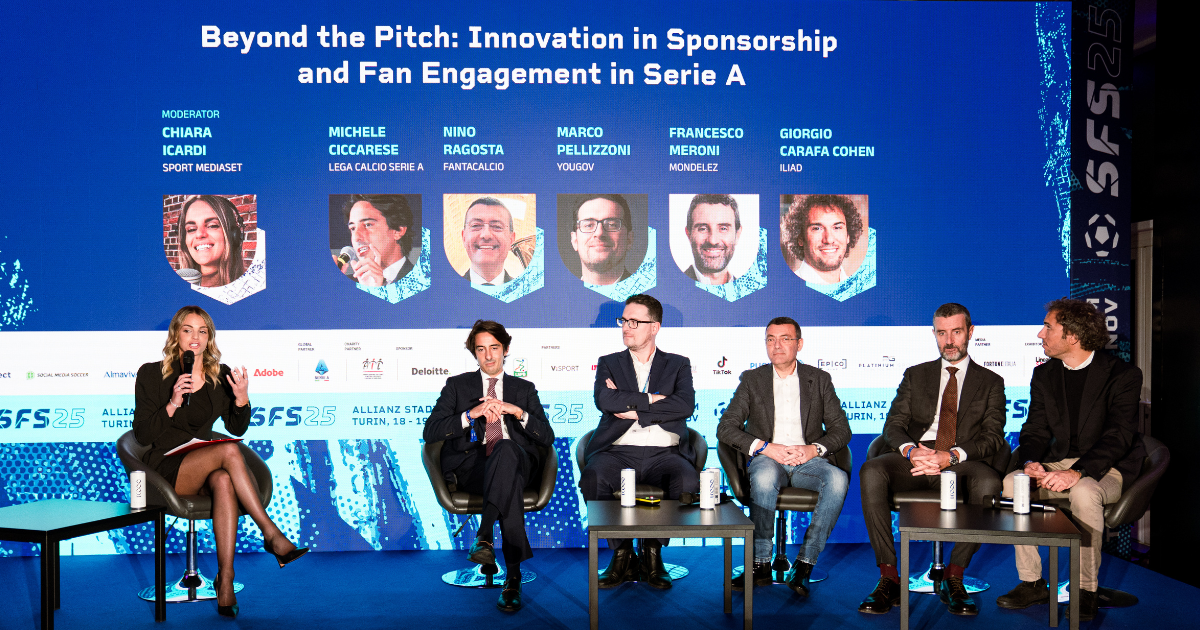
Innovation, engagement, and ROI measurement. These were the keywords of the panel “Beyond the Pitch: Innovation in Sponsorship,” moderated by Chiara Icardi (Sport Mediaset), which brought together industry experts to discuss how football sponsorship is evolving from a mere presence to a genuine communication strategy. On stage were: Michele Ciccarese (Lega Serie A), Nino Ragosta (Fantacalcio), Marco Pellizzoni (YouGov), Francesco Meroni (Mondelez), and Giorgio Cohen Carafa (Iliad). Serie A: from sporting event to digital platform Michele Ciccarese began by clearly defining the
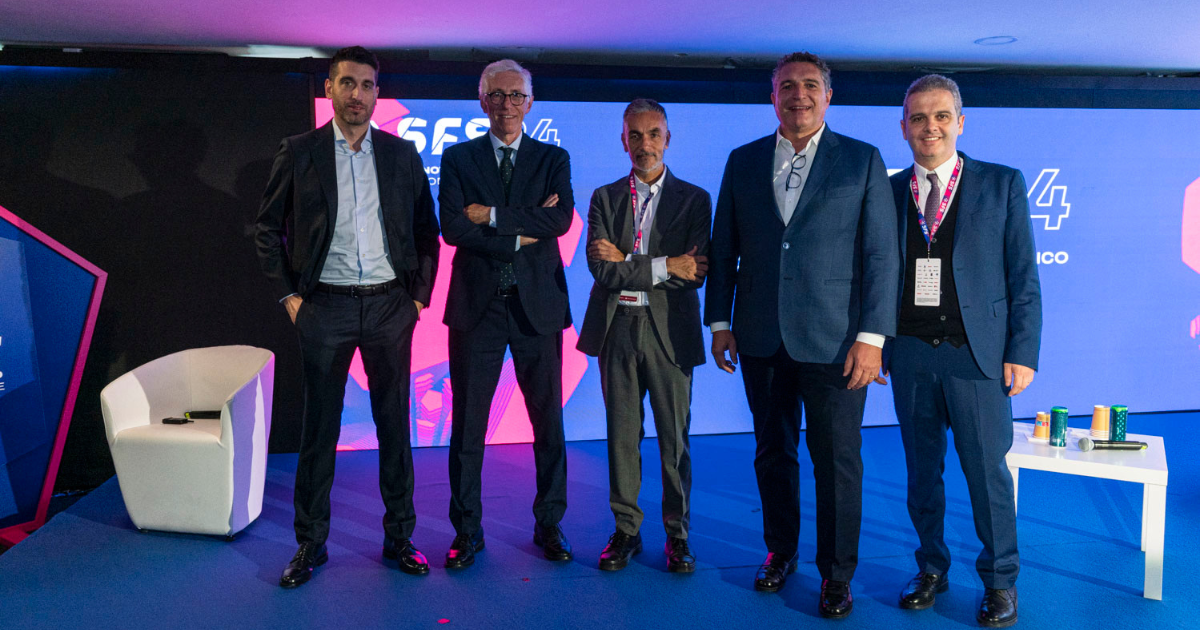
Exclusive SFS24: the Serie A festival presented
During SFS24, Lorenzo Dallari (Editorial & Social Director of Lega Serie A) and Luigi De Siervo (CEO of Lega Serie A) presented the upcoming edition of the Serie A Festival, an event designed to bring Italy’s top football league closer to the general public. The festival offers a space for dialogue, discussion, and the celebration of football in all its facets. The event, created with the goal of showcasing Serie A in an innovative and accessible way, will take place from
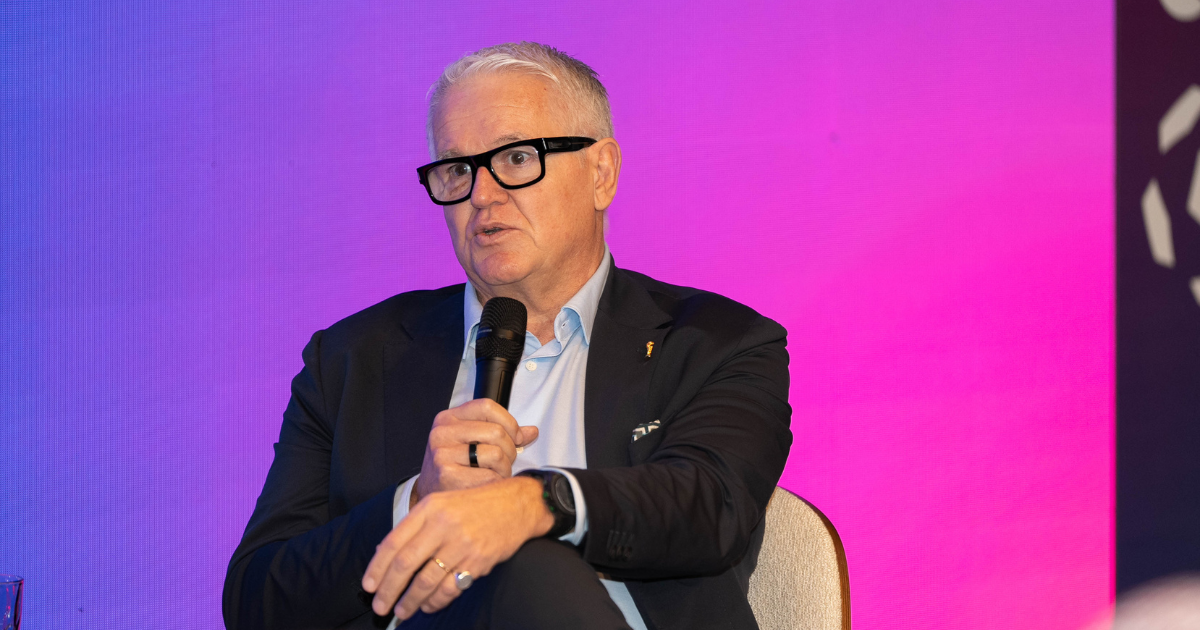
SFS Saudi edition: Football, Investments and new global visions
At the SFS Saudi Edition, within a framework of internationalization and enhancement of the Serie A product, globally renowned guests from the football industry participated. Carlo Baldocci, the Italian ambassador to Saudi Arabia, Ezio Maria Simonelli, the newly elected president of the Serie A League, and Abdulrahman Justaniah, Deputy Minister for Strategic Planning and Investments at the Saudi Ministry of Sports, opened the scheduled panels with institutional greetings addressed to the audience and those streaming the event on the Summit's
Why Americans love Serie A – Foreign ownership in European football
In recent years, European football has experienced a remarkable transformation in club ownership, driven by a range of motivations. For some, football clubs represent prestigious assets, while others are drawn by the opportunity to unlock untapped revenue potential within the sport. Key insights: In Serie A, nine clubs are owned by North American investors, while the English Premier League surpasses that figure, with ten clubs under North American control. In recent years, Italy’s top league has become a favored destination for American investors,
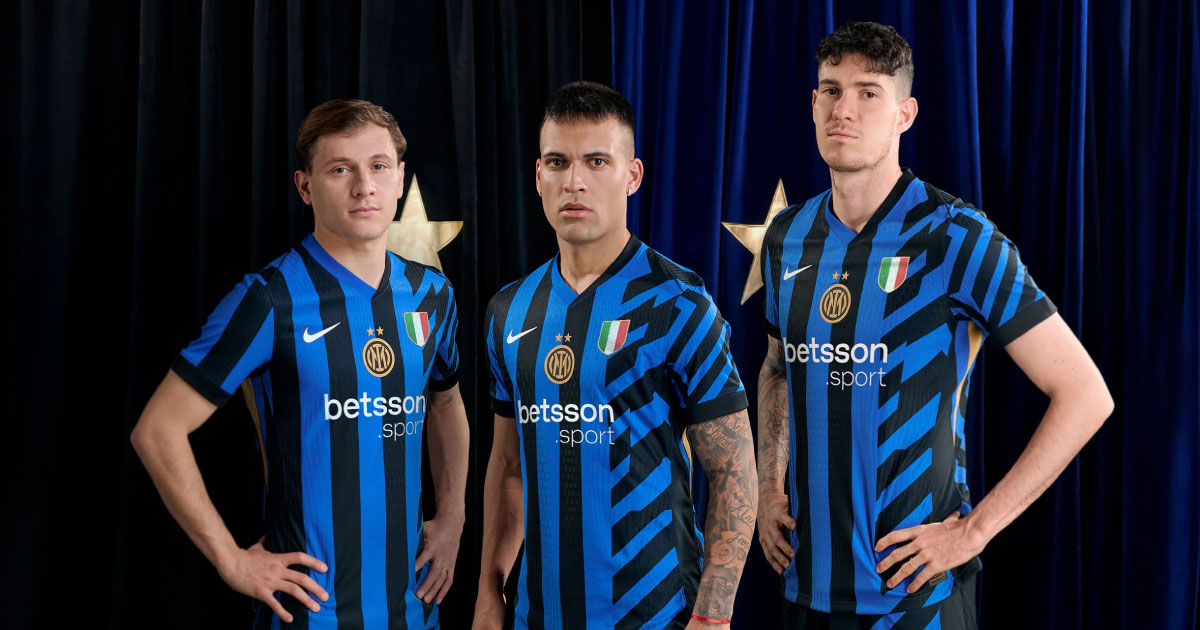
The evolution of football jersey marketing: from sportswear to fashion icon
In recent years, the marketing related to football team jerseys has gained increasing importance, becoming a true cultural phenomenon. It is no longer just a simple piece of clothing but a symbol of belonging and identity for millions of fans around the world. Today, the design of jerseys is meticulously crafted, with colors, logos, and graphics that tell the story and values of the club, strengthening the emotional bond with the fans. Football teams are increasingly collaborating with fashion brands and internationally renowned designers to create