




The president of LaLiga, interviewed by Sky Sport journalist Giorgia Cenni at SFS24, discussed economic sustainability, global expansion, and threats like online piracy, outlining the strategic vision for Spanish football. At SFS, Javier Tebas, the head of the Spanish league, provided a detailed overview of the challenges and opportunities facing Spanish football and, more broadly, the international football landscape.
La Liga has long been a benchmark for sustainability and sporting success. Over the past ten years, Spanish teams have dominated on the international stage, winning 60% of the competitions they participated in. A figure that, according to Tebas, reflects the competitiveness of a system built on financial fair play.
Tebas also highlighted the importance of La Liga’s global growth, which has already begun in strategic regions such as the Middle East and the United States. “La Liga is considered an attractive market on a global scale. We still need to grow, developing geolocalized strategies that respect the specific characteristics of each territory”, said Tebas, emphasizing the role of partnerships in complex areas like Iraq or innovative markets like Dubai.
Another topic was the fight against online piracy, a threat that Tebas described as “a very serious danger.” He accused major tech players like Google and Cloudflare of indirectly facilitating piracy through IP anonymization, noting that 60% of his current efforts are dedicated to combating the phenomenon. “Italy is a positive and inspiring model for all of Europe in this field,” he added, suggesting the need for coordinated action among European leagues.
Tebas also reiterated his firm opposition to the Super League format, calling it a disastrous project for European football. He emphasized how it could destroy both the vertical national and horizontal European football models, compromising the overall balance of the system.
The final part of the panel looked towards La Liga’s future, focusing on developing a global strategy aimed at strengthening economic sustainability, expanding the brand into new markets, and fostering international cooperation to combat illegal activities. Tebas’ vision remains clear: fair, sustainable, and accessible football, capable of innovation without losing its roots.
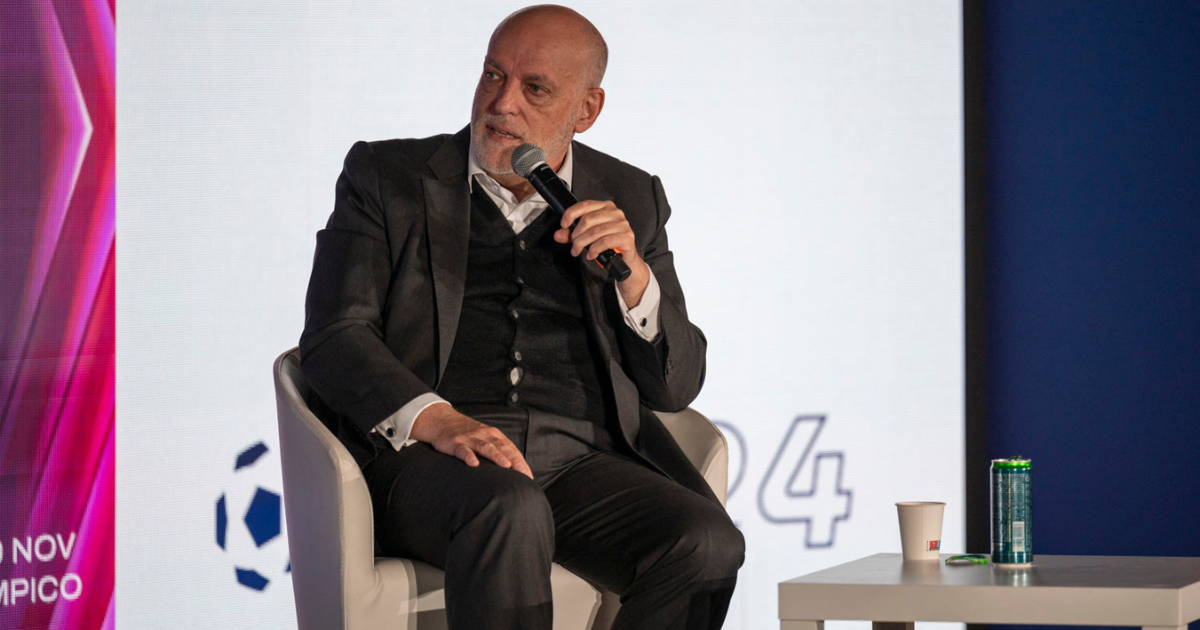
Javier Tebas at SFS: the future of La Liga between financial fair play, piracy fight, and global growth
The president of LaLiga, interviewed by Sky Sport journalist Giorgia Cenni at SFS24, discussed economic sustainability, global expansion, and threats like online piracy, outlining the strategic vision for Spanish football. At SFS, Javier Tebas, the head of the Spanish league, provided a detailed overview of the challenges and opportunities facing Spanish football and, more broadly, the international football landscape. La Liga has long been a benchmark for sustainability and sporting success. Over the past ten years, Spanish teams have dominated on
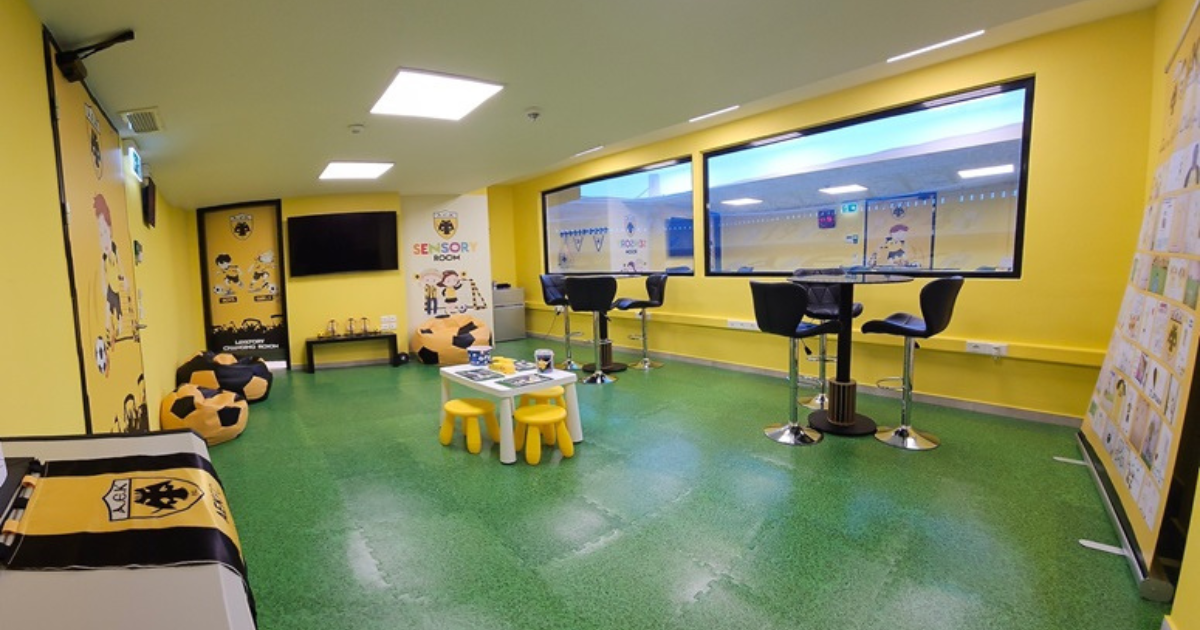
AEK Athens FC: Football and Social Action for a Sustainable Future
Guided by its history and roots, AEK Athens FC has developed a social action plan that harnesses the unique power of football to raise awareness about major societal challenges and issues. With consistency and dedication, the Club organizes a range of initiatives designed to make a difference. AEK Athens FC has launched activities in several key areas: fighting racism and all forms of discrimination, promoting diversity, equality, and inclusion with full respect for human rights. Health and education, aiming to
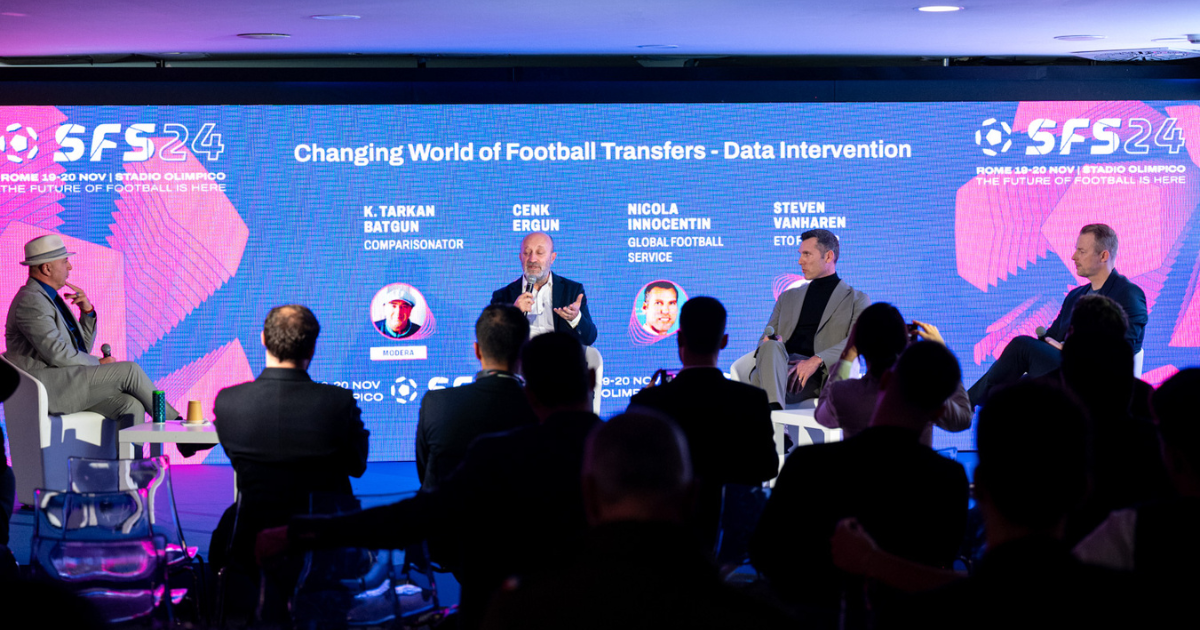
SFS24: The Importance of Data in the Football Industry
The Changing World of Football Transfers Data Intervention, one of the most anticipated panels of the seventh edition of the SFS, offered an illuminating insight into the impact that artificial intelligence (AI) and data analysis are having on football, particularly in scouting and transfer processes. Some of the industry’s leading experts took the stage: Cenk Ergun, former Sporting Director of Galatasaray, Nicola Innocentin, CEO of Global Football Service, K. Tarkan Batgun, CEO of Comparisonator, and Steven Vanharen, Technical and Sporting Director
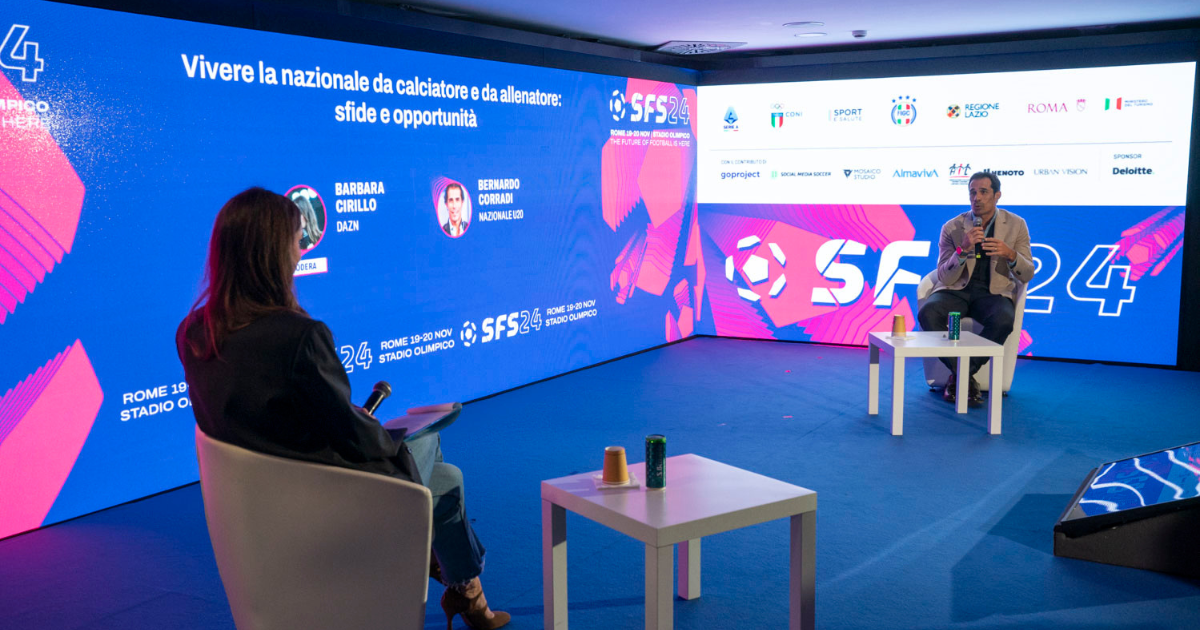
“Playing for Italy is a privilege and a responsibility”, said Bernardo Corradi at SFS24
During SFS24, the event that annually brings together experts and key players in the football industry to discuss its evolution, Bernardo Corradi shared his experiences from past to present, retracing his journey from being a National Team player to coaching Italy’s U-20 side. Moderated by DAZN journalist Barbara Cirillo, the panel offered an insightful reflection on the modern role of a coach and the importance of communication and personal growth for young players. With 246 Serie A appearances, 56 goals, and
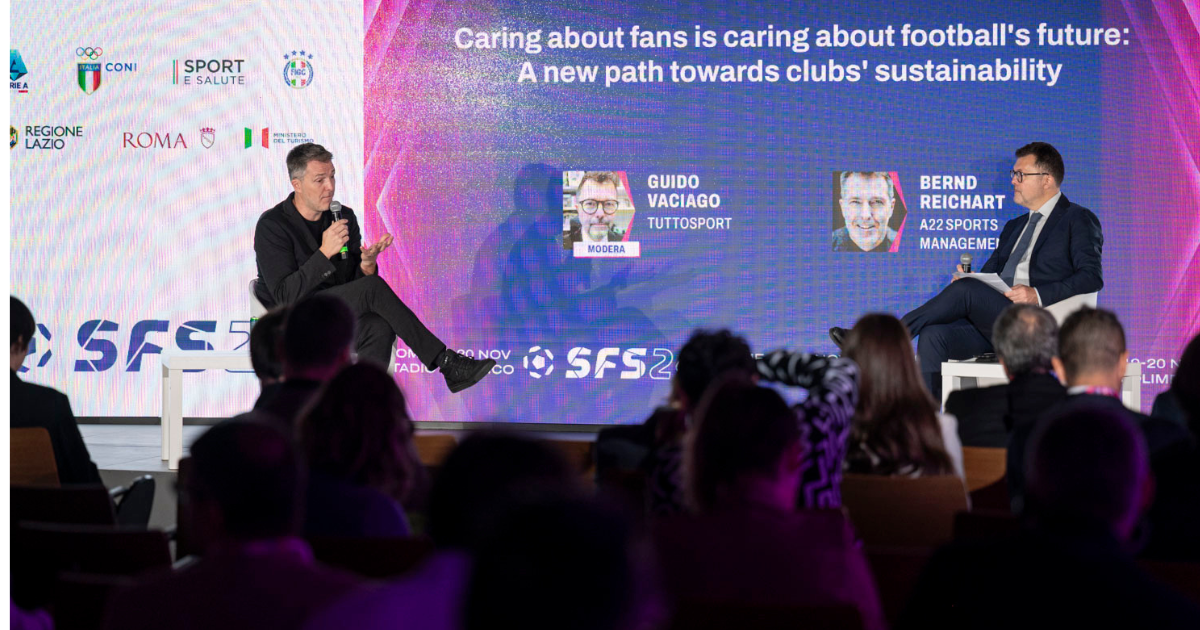
SFS24: SUPERLEAGUE, SUSTAINABILITY, AND THE FUTURE OF FOOTBALL
The debate around the Superleague has never truly faded. Over the past three years, football has been at the center of a clash between opposing visions: on one side, the “football of the people”, and on the other, the “football of the rich”. But is it really so easy to draw a line between good and bad? Probably not, and this is one of the reasons why the future of football remains a divisive topic, with generations confronting each other
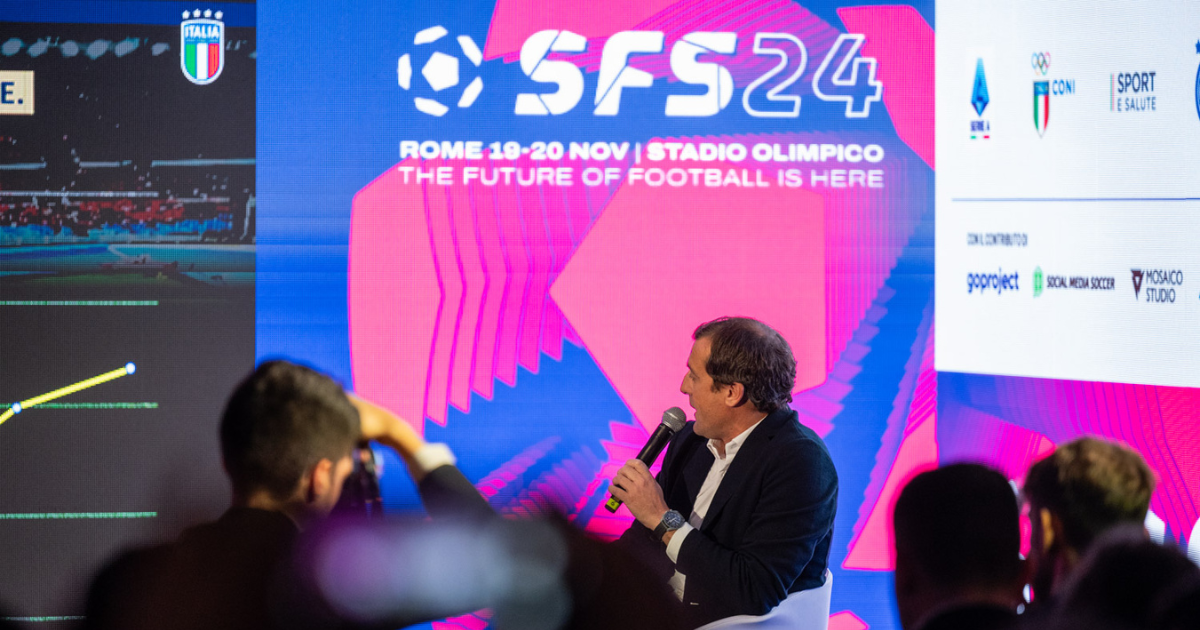
FIGC and a new communication paradigm
Among the many panels featured at SFS, the one with Giovanni Valentini – Chief of the Revenue Area and Deputy Secretary-General of the Italian Football Federation (FIGC) – focused on the evolution of communication strategies within the FIGC in recent years. The discussion, moderated by DAZN journalist Barbara Cirillo, provided an in-depth look at the paradigm shift initiated in 2018 following Italy's failure to qualify for the World Cup. The objective was clear: to revive the national team’s appeal and reach
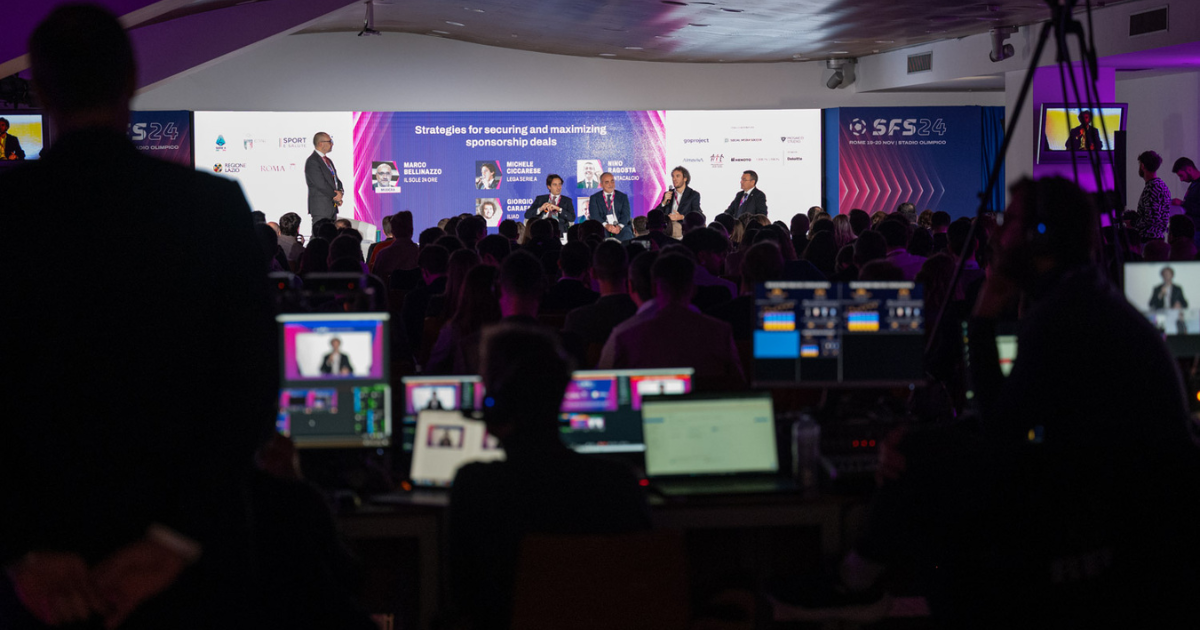
SFS24: Innovation and Strategic Partnerships for the Future of Italian Football
During the SFS24, one of the most followed panels explored the state of Italian football, highlighting its ability to adapt and its potential to create value. Moderated by Marco Bellinazzo, journalist for Il Sole 24 Ore, the discussion featured experts such as Mario Ferro (Head of Marketing & Retail Services Eni Live), Giorgio Carafa Cohen (Chief Brand and Revenues Officer Iliad), Nino Ragosta (CEO Fantacalcio), and Michele Ciccarese (Commercial & Marketing Director Lega Serie A). Italian football is at a crossroads,
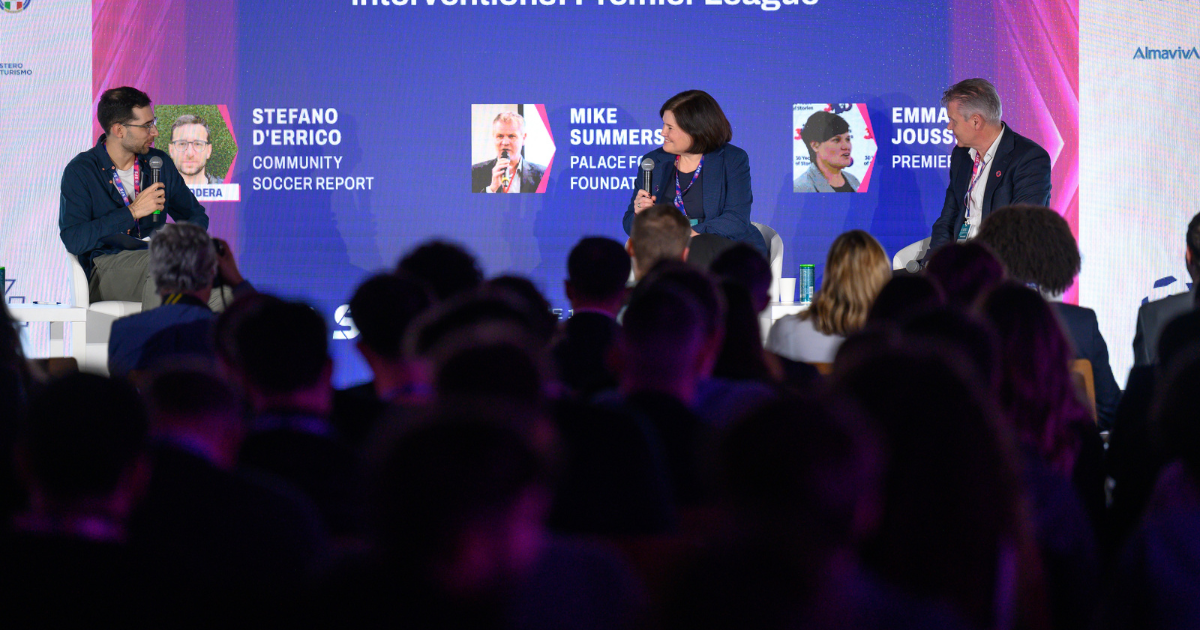
The Social Value of the Premier League: Clubs and Local Communities at the Core
The Premier League is much more than just a football league: behind its global success lies meticulous work aimed at benefiting local communities, carried out in synergy between clubs and dedicated organizations. This was the focus of the SFS24 panel moderated by Stefano D’Errico, Senior Schools Education Officer at Chelsea FC Foundation, featuring Mike Summers, Chief Executive of the Palace for Life Foundation, and Emma Joussemet, Head of Community Engagement at the Premier League. With 1.9 billion people watching the Premier
SFS24: The Football of Tomorrow Between Challenges and Growth Opportunities
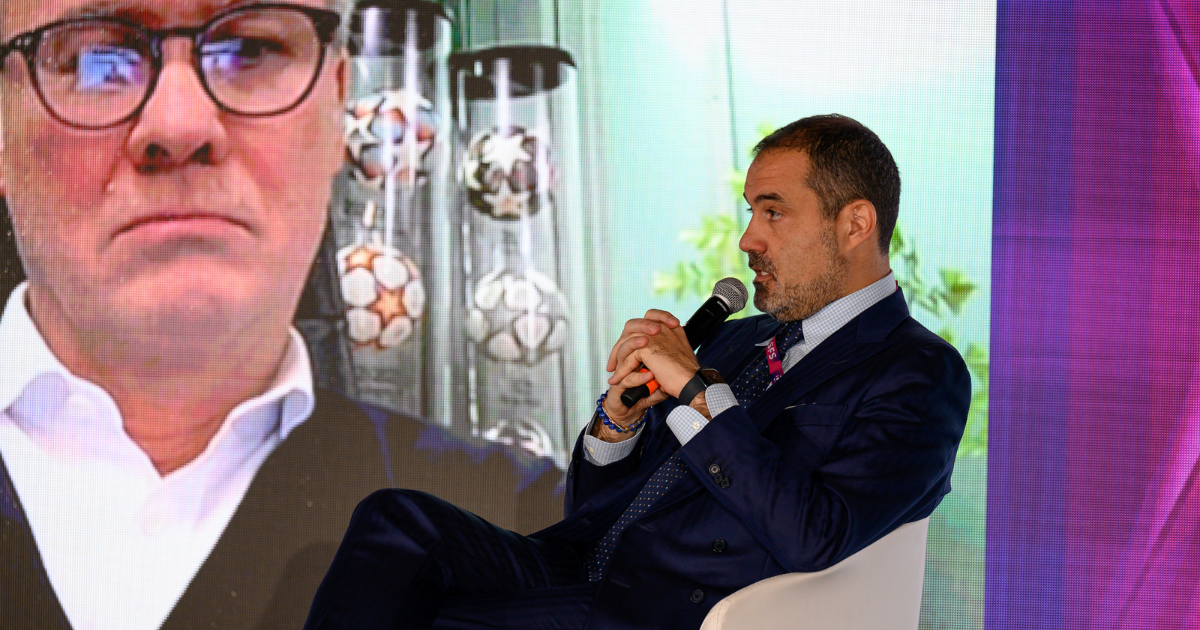
"There's a lot of football, maybe too much, but the game cannot stop". With these words, Andrea Butti, Head of Competitions at Lega Serie A, opened the debate on the evolution of football competitions during SFS24. Moderated by Monica Bertini, a journalist at Sport Mediaset, the panel featuring Butti and Giorgio Marchetti, Deputy General Secretary of UEFA, highlighted how modern football is undergoing an unprecedented transformation with profound impacts on both the sporting and commercial fronts. The key issue remains scheduling,
SFS24: THE TRANSFORMATION OF FOOTBALL CLUBS INTO MEDIA HOUSES
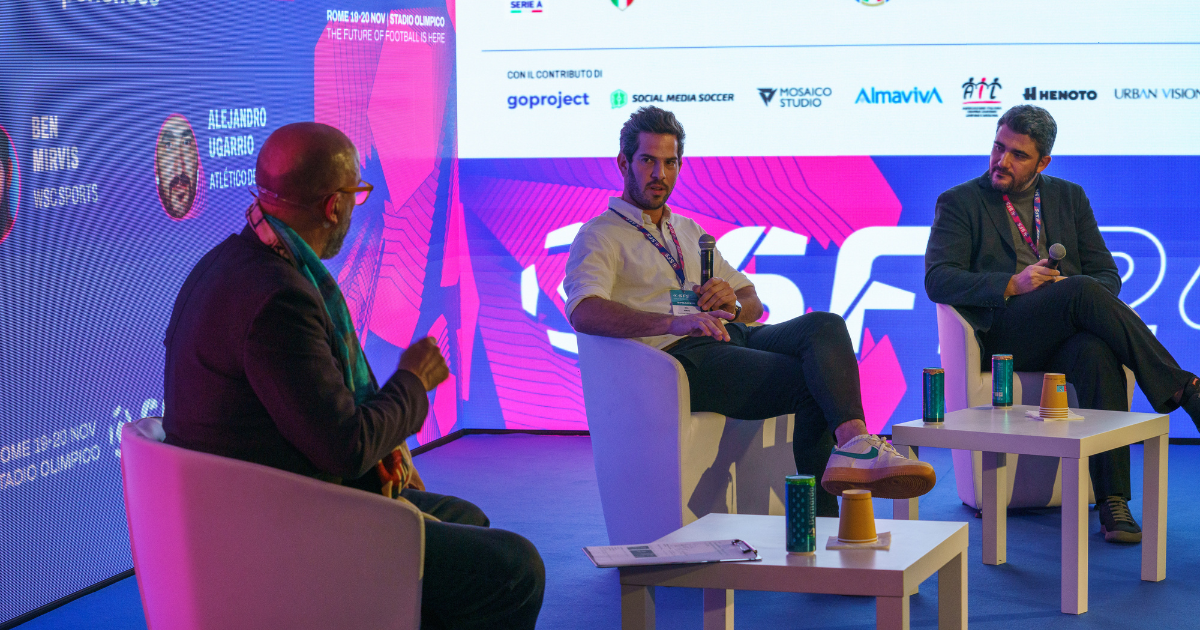
Football is no longer just a sport; it has become an entertainment industry in constant evolution. In recent years, football clubs have started leveraging advanced technologies to transform the fan experience, both at the stadium and in the digital world. Atlético Madrid and WSC Sports are pushing innovation and personalization to new heights, as discussed during the SFS panel moderated by Carlo De Marchis — founder of A Guy with a Scarf. The panel featured Alejandro Ugarrio, Director of Atleti