



Sustainability is no longer an afterthought in football: it’s becoming part of the very blueprint of how clubs, architects, and communities think about stadiums. At a recent panel, representatives from Populous, Fulham FC, and Everton FC shared how they are translating ambition into action.
Populous, the global design company behind many modern stadiums, explained how environmentally responsible design starts at the very foundation. From energy-efficient systems to sustainable materials, the goal is to create venues that not only reduce carbon impact but also remain vibrant hubs for fans and local communities.
From Premier League, Fulham FC shared how these ideas are brought to life on match days. The team is actively working to improve energy efficiency, encourage low-carbon travel, and develop partnerships that help reduce its ecological footprint. Sustainability is becoming part of the rhythm of daily operations, shaping how the club engages with fans and its surrounding community.
Everton FC offered a glimpse into the new Hill Dickinson Stadium, designed with environmental considerations at every stage. From electric vehicle charging points to bicycle facilities and energy-conscious construction, the stadium shows how infrastructure can be both modern and responsible.
Together, these perspectives highlight that sustainable football is a collaborative effort. It’s not just about buildings or policies, but about connecting clubs, designers, and communities in ways that make every match day more responsible. While fully net zero matches are still on the horizon, these steps show that the dream is already moving closer to reality.
By Enovation Consulting
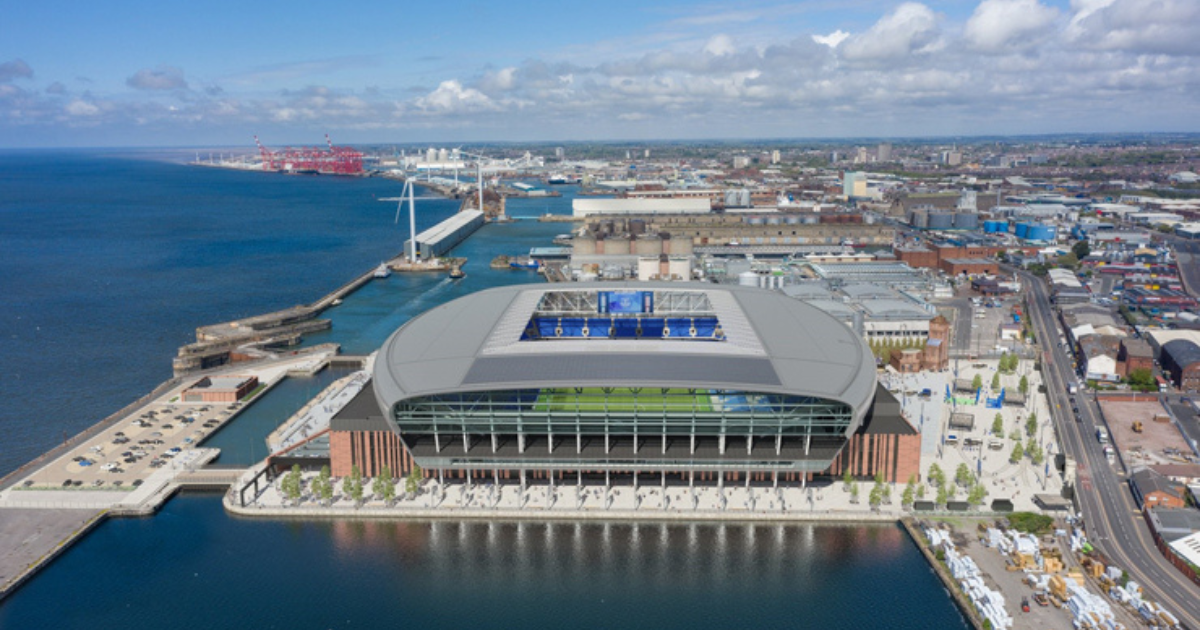
Sustainable Stadiums in Football: How Clubs and Designers Are Making an Impact
Sustainability is no longer an afterthought in football: it’s becoming part of the very blueprint of how clubs, architects, and communities think about stadiums. At a recent panel, representatives from Populous, Fulham FC, and Everton FC shared how they are translating ambition into action. Populous, the global design company behind many modern stadiums, explained how environmentally responsible design starts at the very foundation. From energy-efficient systems to sustainable materials, the goal is to create venues that not only reduce carbon impact
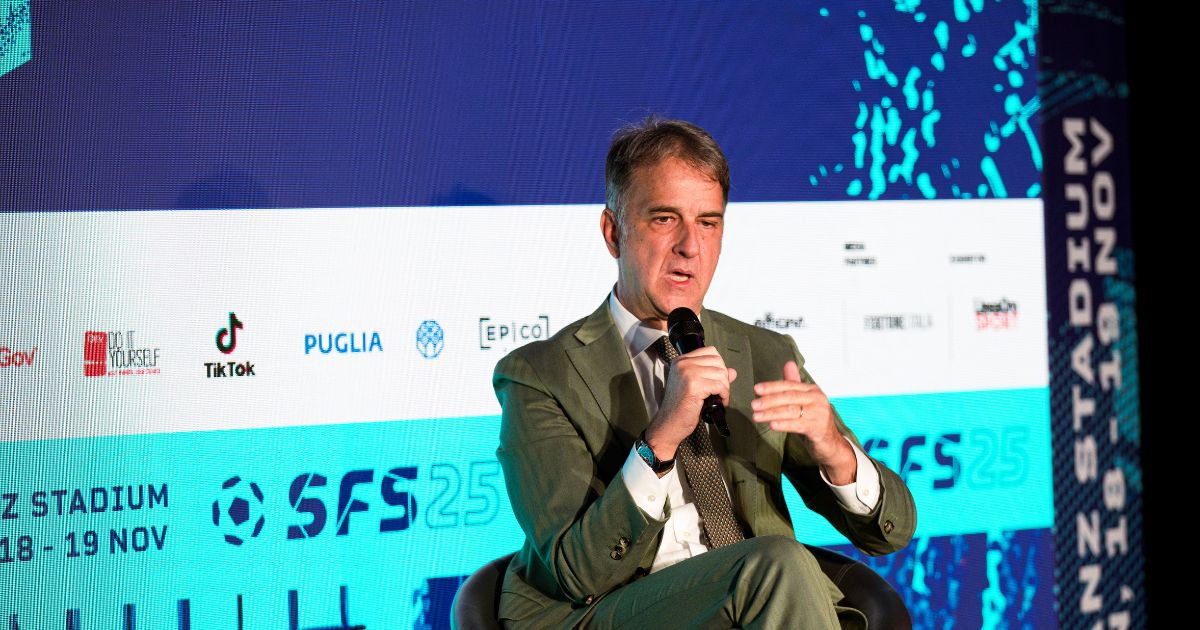
UEFA: Michele Uva Unveils the Sustainable Strategy for Euro 2032 and the Stadium Revolution in Italy
Michele Uva, the Executive Director for Social and Environmental Sustainability and UEFA delegate for Euro 2032, was the guest of honor on the Football Stage, interviewed by Elisabetta Esposito of La Gazzetta dello Sport. Uva, recently included in Time's list of the 100 most influential people in the world, outlined UEFA’s strategy concerning Corporate Social Responsibility (CSR) and its impact on European football, with a crucial focus on the stadium issue ahead of Euro 2032. A systemic effort: Investing in CSR Uva
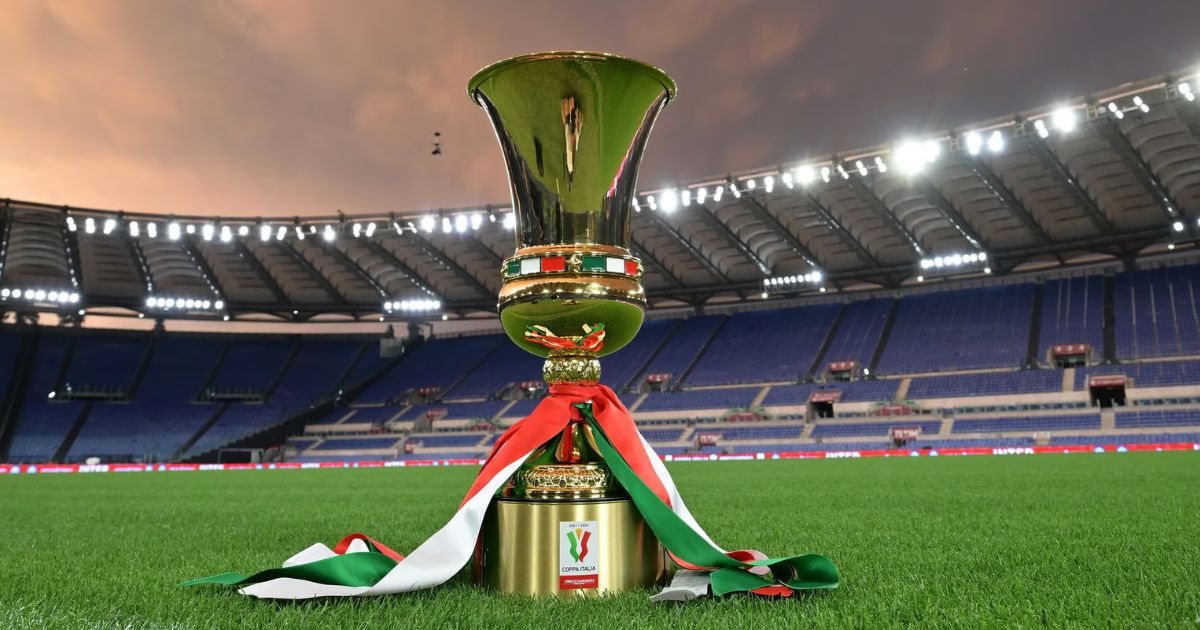
THE 2025 COPPA ITALIA FINAL HIGHLIGHTS SUSTAINABILITY BEST PRACTICE
After the inaugural edition of the “Road to Zero” project in 2024, Lega Serie A, Sport e Salute, Roma Capitale and Roma Servizi per la Mobilità, with the support of UEFA, continued their commitment to sustainability during the 2024/2025 Frecciarossa Coppa Italia Final. The final hosted AC Milan and Bologna FC at the Stadio Olimpico in Rome on the 14th May 2025 and saw the implementation of several initiatives in alignment with last years’ “Road to Zero” ESG (Environmental, Social and Governance) framework. The “Road to Zero” ESG framework was