




The Italy-Saudi synergy and the Future of the Industry: Insights from the SFS Saudi Edition in Riyadh
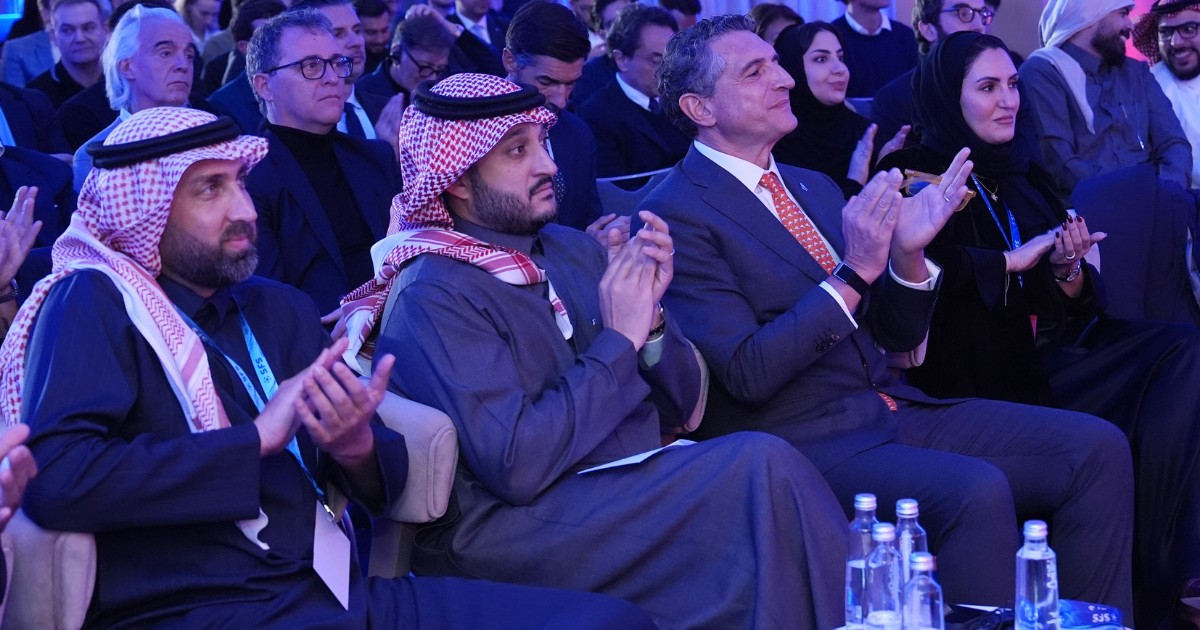
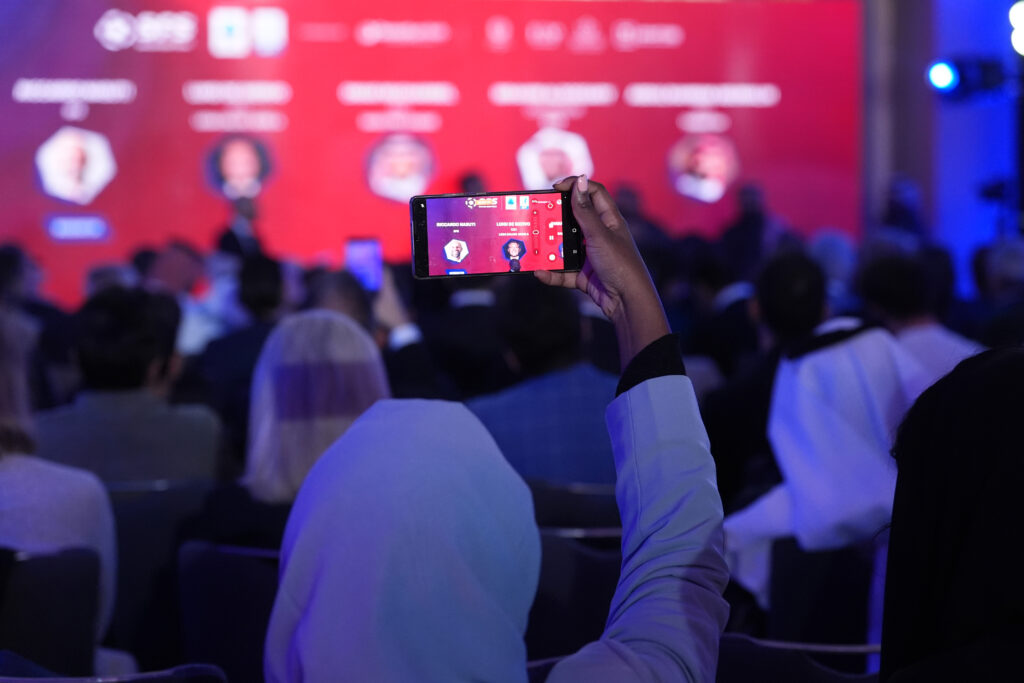
Modern football is no longer played solely within the ninety minutes on the pitch; it thrives in a global dimension shaped by diplomacy, infrastructural innovation, and new commercial frontiers. This was the clear message emerging from the second edition of the SFS Saudi Edition in Riyadh, held alongside the Italian Super Cup. The event traced a strategic line between the tradition of Serie A and the ambitions of Saudi Vision 2030, bringing together the decision-makers who are rewriting the rules of the sports business.
Diplomacy and vision: opening remarks
The dialogue began under the sign of institutional cooperation. Carlo Baldocci, Ambassador of Italy to the Kingdom of Saudi Arabia, and Deputy Minister Ghandourah Ghandourah highlighted how football has become a fundamental geopolitical asset. In this context, Lega Serie A CEO Luigi De Siervo reaffirmed the strategic centrality of the Middle Eastern market for Italian football—no longer viewed merely as a destination for one-off events, but as a long-term partner.
Beyond the stadium: the evolution of fan experience
One of the core themes was the transformation of football venues. The discussion between Waleed Algarni (Assistant Deputy Minister at the Ministry of Sport), Carlo Baldocci (Ambassador of Italy to the Kingdom of Saudi Arabia) and Pier Massimo Marras (General Manager of Webuild) shifted the focus toward infrastructure as experiential hubs. The conversation went beyond “bricks and mortar,” exploring how the design of new Saudi stadiums—supported by Italian engineering know-how—is raising the bar for fan experience, turning stadiums into vibrant venues active 365 days a year.
The convergence of Serie A and the Saudi Pro League
At the heart of the Summit was an unprecedented exchange between the operational leaders of both leagues. Luigi De Siervo and Omar Mugharbel (CEO of the Saudi Pro League) analyzed football as a catalyst for social change. Alongside key figures such as Ibrahim Aldossary (CSR Director of SAFF) and Abdulrahman Abumalih (CEO of Thmanyah), the debate explored how sports storytelling is evolving through new media, transforming clubs into genuine global media companies.
The strategic value of major events
The Italian Super Cup served as the backdrop to delve into international marketing opportunities. Through the voices of Michele Ciccarese (Commercial & Marketing Director of Lega Serie A), Tommaso Bianchini (General Manager of SSC Napoli), and Christoph Winterling (Chief Revenues Officer of Bologna FC), it emerged how Italian clubs are adapting their revenue models to tap into the dynamism of the Saudi market. This process was further supported by Bader Aljeraisy and Hazim Al-Hazmi (Saudi Tourism Authority), who confirmed that sport is the primary driver for the Kingdom’s tourism and investment positioning.
Training and investment: a legacy for the future
There is no growth without investment in human capital. This was the focus of the contributions from Guido Fienga, Mike Puig (Executive VP of Mahd Sports Academy), and Basim K. Ibrahim (Sport Sector Investment Development Director at the Ministry of Investment), who outlined development paths for young talents and investment opportunities within the Saudi sports sector. The closing remarks, entrusted to President Ezio Maria Simonelli and the charisma of Christian Vieri, brought the focus back to the essence of the game: a passion that unites different generations and cultures.
A new legacy for the Football Industry
This meeting in Riyadh marked a genuine turning point, proving that the relationship between Italy and Saudi Arabia has moved beyond simple collaboration into a new era of industrial planning. The Social Football Summit confirmed that Serie A no longer exports just the glamour of the pitch, but an entire ecosystem of managerial, technological, and marketing expertise capable of fostering growth in emerging markets. In the “open-air laboratory” that is Saudi Arabia today, the Summit mapped out the route for future business models—where stadium management, digital content creation, and the transfer of know-how become the pillars of a global, sustainable, and technologically advanced football industry.

