



Sustainability has ceased to be a balance-sheet cost incurred solely for public relations purposes, transforming instead into an essential strategic lever to guarantee the sector’s long-term economic, financial, and social longevity
Sustainability in football has officially moved past the greenwashing phase and entered the realm of pure corporate strategy. With the sport business industry increasingly driven by highly stringent ESG criteria, UEFA and European Leagues have launched a tool designed to redefine event management for a movement that counts over 90 million participants across Europe and moves millions of fans every weekend: the Football Event Sustainability Manual. This manual goes beyond offering the usual list of theoretical good intentions, presenting itself as a truly operational and scalable guide tailored for clubs, leagues, and national associations of all sizes.
A revolutionary approach: the “Pick-and-Drop” philosophy
The real turning point of this manual lies in its flexibility. Recognizing that a top Champions League club has radically different resources and structures compared to a third-division team, UEFA and European Leagues have structured the guide around a modular approach termed “Pick-and-Drop.”
- Total flexibility. Organizers can select and adapt sustainability practices based on their specific needs, budget, and operational maturity.
- For every type of event. Whether it is a single match or a multi-day tournament, the manual offers step-by-step applicable solutions.
- Strategic alignment. The document seamlessly integrates with the UEFA Football Sustainability Strategy 2030: Strength Through Unity, translating macroscopic goals into microscopic, day-to-day actions.
The event lifecycle through an ESG lens
The text abandons the deep-rooted idea that sustainability is limited to simple waste management during the ninety minutes of play, embracing instead the entire lifecycle of the football event. This virtuous path begins well before the gates open with the pre-event planning phase—a crucial moment where strategic objectives related to inclusion, mobility, and environmental impact reduction are defined.
Subsequently, the focus shifts to live implementation, which covers real-time operational management during matchday, optimizing the energy efficiency of floodlights and ensuring maximum accessibility for fans with disabilities.
Finally, the cycle concludes with the post-event debrief, a phase dedicated to data measurement, KPI analysis, and reporting on the actual impact generated. This final step proves vital from a sport business perspective; today, major global brands prioritize investing in clubs and leagues that can demonstrate a positive, certified impact on their territory, turning environmental compliance into a powerful driver of commercial attractiveness. This scientific approach aligns with massive economic trends, considering that the latest benchmarks on major continental tournaments recorded direct sustainability investments close to €30 million, backed by over €7.9 million allocated to climate funds entirely dedicated to grassroots football infrastructure.
Innovation on the pitch: european case studies
Theory gives ample way to practice thanks to a series of case studies already successfully implemented across Europe, demonstrating how strategic innovation can tangibly drive operational change. In Switzerland, for instance, the Swiss Football League stood out in the field of smart mobility through integrated initiatives aimed at encouraging and facilitating the use of public transport by fans to reach venues.
Moving to the Netherlands, the Eredivisie introduced advanced environmental management measures within stadiums, focusing particularly on water conservation and recycling. On the social inclusion front, the experience of Ireland’s Waterford FC stands out, having developed accessibility solutions to create an inclusive matchday fan experience specifically adapted for individuals with autism.
Toward a new governance: the future of the Football Industry
In conclusion, the launch of this manual marks a point of no return for continental football governance. Sustainability has ceased to be a balance-sheet cost incurred solely for public relations purposes, transforming instead into an essential strategic lever to guarantee the sector’s long-term economic, financial, and social longevity.
Clubs and executives capable of anticipating these guidelines and stably integrating them into their industrial and commercial processes will not just comply with new global regulations. On the contrary, they will secure a crucial competitive advantage in a market where brand value and attractiveness to major international investors will increasingly be measured through transparency, operational efficiency, and the ability to generate shared, lasting value for the entire community.
“Pick-and-Drop” sustainability: how the New UEFA Manual changes the rules of Sport Business
Sustainability has ceased to be a balance-sheet cost incurred solely for public relations purposes, transforming instead into an essential strategic lever to guarantee the sector's long-term economic, financial, and social longevity Sustainability in football has officially moved past the greenwashing phase and entered the realm of pure corporate strategy. With the sport business industry increasingly driven by highly stringent ESG criteria, UEFA and European Leagues have launched a tool designed to redefine event management for a movement that counts over 90
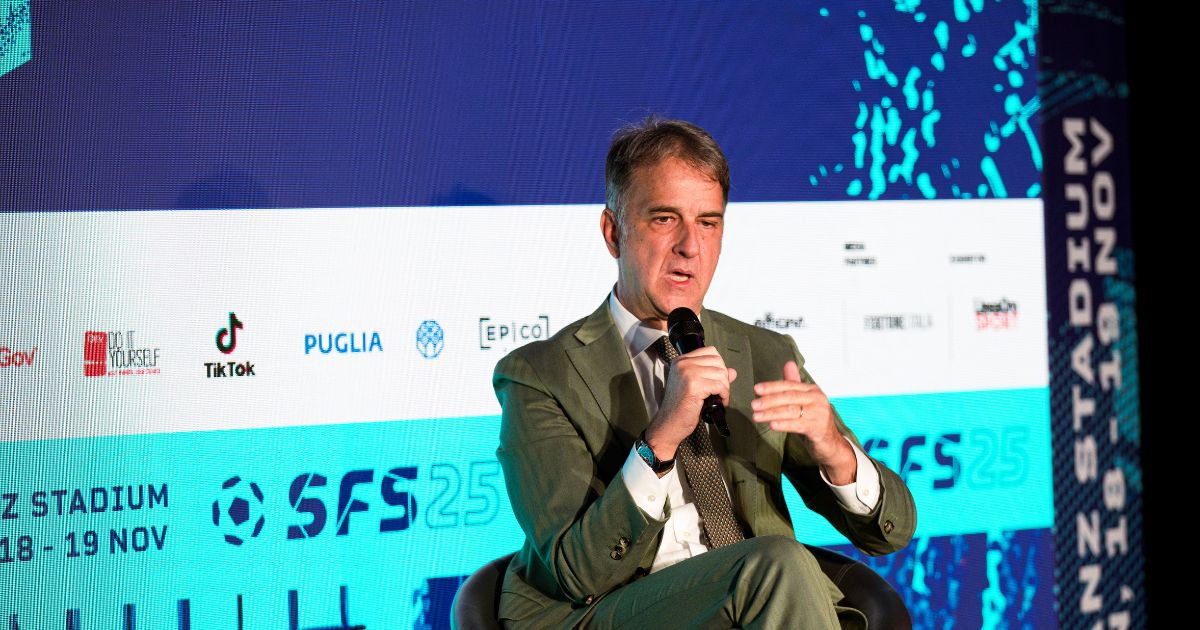
UEFA: Michele Uva Unveils the Sustainable Strategy for Euro 2032 and the Stadium Revolution in Italy
Michele Uva, the Executive Director for Social and Environmental Sustainability and UEFA delegate for Euro 2032, was the guest of honor on the Football Stage, interviewed by Elisabetta Esposito of La Gazzetta dello Sport. Uva, recently included in Time's list of the 100 most influential people in the world, outlined UEFA’s strategy concerning Corporate Social Responsibility (CSR) and its impact on European football, with a crucial focus on the stadium issue ahead of Euro 2032. A systemic effort: Investing in CSR Uva
UEFA Club Competition reforms over the years: Analysing the impact on clubs in small and medium-sized markets
Article written by Football Benchmark UEFA Club Competitions (UCC) are widely regarded as the pinnacle of club football. For most clubs, however, participation on this stage is anything but guaranteed and often celebrated as a landmark achievement. Automatic access to the UEFA Champions League (UCL) league phase is restricted to the top ten leagues by UEFA’s country coefficient. However, the remaining 45 nations, home to nearly 200 million people, are a fundamental component of European club football, providing diversity, depth,
Attendances in Women’s Football: Strategic Drivers and Outlook
Analysis by Football Benchmark Following last week’s analysis of rising matchday attendances in men’s football, this article shifts focus to the women’s game — where recent seasons have seen promising momentum. European women’s football is gaining traction through increased media coverage, and growing commercial interest, fueling a steady rise in stadium attendances. Yet, infrastructure constraints, intensified competition for fan attention, and misaligned stakeholder priorities have hindered a more cohesive and systematic approach to growing stadium audiences. In a market where significant
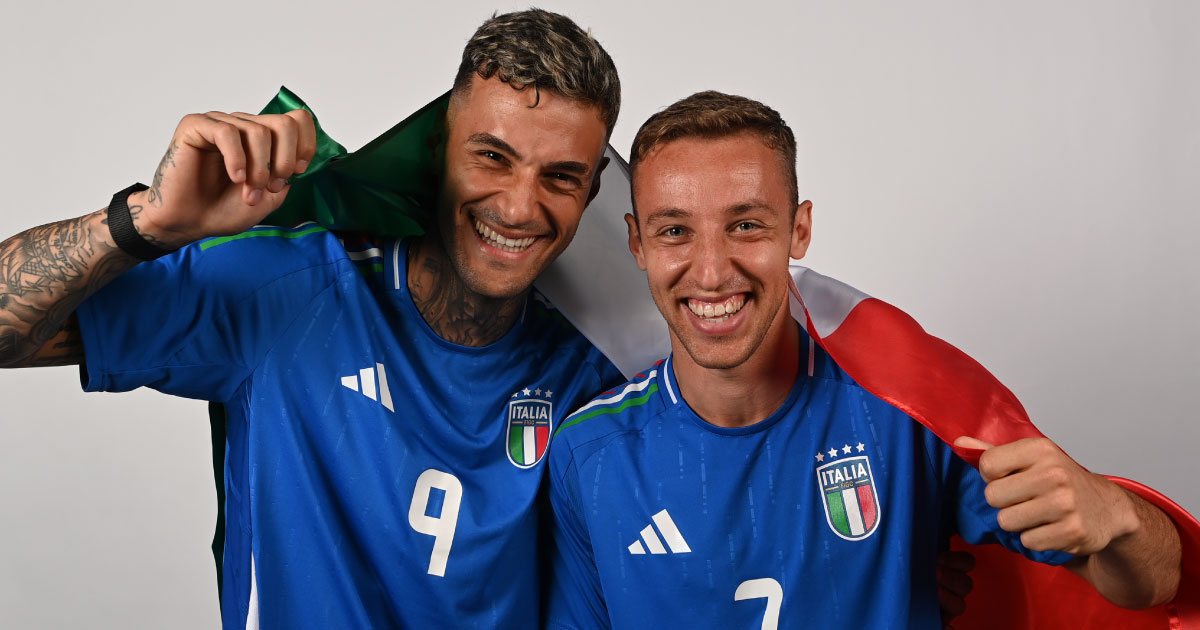
EURO2024, here is the rule that prohibits the main sponsor of the national team team
Within the FIFA regulations, also adopted by UEFA, there is a rule regarding technical equipment and what can be displayed on it. Sponsorships in the world of football began in the early 1970s thanks to the partnership between Jägermeister and Eintracht Braunschweig. This innovation forever changed the world of football, creating connections with various sectors that began to approach the football industry. Since then, a domino effect has involved all major European and global football organizations. However, this phenomenon mainly involved clubs and

International #SportDay: Driving positive change through football
To mark this year’s International Day of Sport for Development and Peace, UEFA is taking part in a United Nations (UN) event highlighting how sport can advance the Sustainable Development Goals and promote peaceful and inclusive societies. Sport’s universality and values make it uniquely positioned to act as a force for good, and the International Day of Sport for Development and Peace (IDSDP), held annually on 6 April, is an opportunity to celebrate that unique position. As the world’s most popular
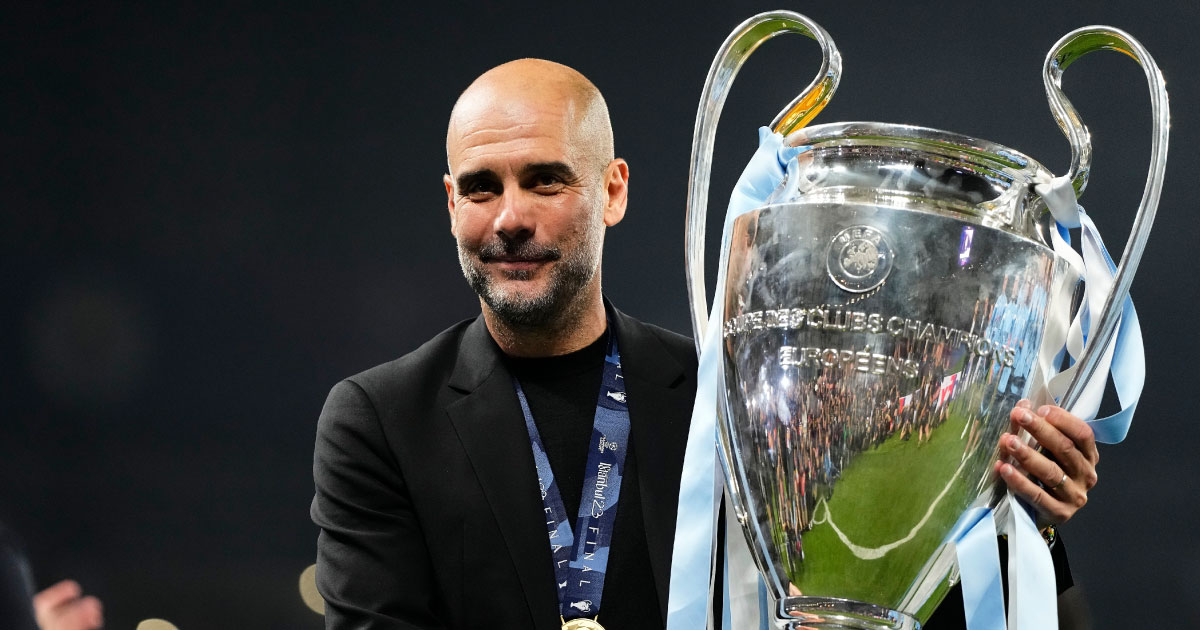
UEFA launches groundbreaking Carbon Footprint Calculator to drive sustainability in European football
UEFA today announced a significant milestone in its commitment to environmental sustainability with the launch of a carbon footprint calculator tailor-made to football organisations. The UEFA Carbon Footprint Calculator, an innovative online tool, marks a pivotal step towards reducing carbon emissions within the football community and underscores UEFA's dedication to being a proactive force in the fight against climate change. Recognising the pressing need for a reduction of the carbon footprint of European football, UEFA has integrated climate advocacy in its Football Sustainability