




While women’s football is experiencing unprecedented commercial growth and popularity, a dark side is emerging that threatens its founding values: the rise of stalking, misogyny, and online abuse is forcing clubs and players into a necessary—but painful—lockdown.
Women’s football has always made accessibility its trademark, a distinguishing feature compared to men’s football, often perceived as distant and heavily guarded. However, this “closeness model” is now faltering under the weight of overexposure that is becoming dangerous for players’ safety.
According to an investigation by The Athletic FC, the recent court case involving Liverpool midfielder Marie Hobinger is just the latest alarming signal: a man was convicted of stalking after harassing the player with disturbing threats such as, “I know where you park your car.”
The Digital Siege: Between Hate and Objectification
The media explosion of the women’s game has unfortunately brought with it a toxic shockwave that spills daily onto social platforms. We are no longer dealing with simple sporting criticism, but with a true scourge of death threats and racist insults that strike athletes in their most private sphere.
What is most frightening is the deeply sexualized nature of these attacks: every post, even the most institutional, risks turning into a dumping ground for vulgar comments.
A telling example involves Arsenal: when the club announced the signing of young Smilla Holmberg, the post was literally overwhelmed by sexual innuendo and misogynistic comments, forcing social media managers to systematically disable replies to stem the digital abuse. This constant pressure is pushing many protagonists to withdraw more and more from public online life.
The Italian Scenario: Between Legal Safeguards and Cultural Barriers
Italy is unfortunately not immune to this downward spiral. Despite the transition to professionalism having better structured the movement, players in Italy’s Serie A Femminile often find themselves navigating a digital ecosystem still deeply steeped in prejudice.
Cases of cyberbullying and sexist comments are commonplace, but it is in the realm of stalking that the most serious incidents have occurred: emblematic is the case involving Inter and national team forward Benedetta Glionna, a victim of prolonged harassment that led to judicial measures.
In Italy as well, elite clubs such as Juventus, Roma, and Milan have begun to raise protection levels, limiting “open” points of contact between fans and players during training sessions and monitoring message flows on official channels more closely.
The Italian challenge is twofold: on the one hand, protecting the physical safety of players; on the other, dismantling a cultural resistance that still struggles to recognize women as professional athletes, too often relegating them to targets of objectification or toxic paternalism that spills over into verbal aggression.
The Clubs’ Response: Toward the “Lockdown” of Players
Faced with this scenario, major clubs have stopped treating these incidents as mere “side effects” of fame and have begun taking drastic measures. The romantic image of players lingering pitchside for selfies and autographs is slowly disappearing, making way for rigid security protocols increasingly similar to those of elite men’s football.
Chelsea, for example, has already drawn a clear line: for the past two seasons, the team has been forbidden from interacting with the public in uncontrolled contexts. This is not a lack of affection for fans, but a strictly precautionary necessity to avoid unpredictable risks. Many other clubs are following suit, permanently integrating close-protection personnel into their staff to escort players during travel and events.
A Challenge for the Future of the Football Industry
The transition to this new phase, though necessary, marks the end of an era of spontaneity. For an industry like women’s football, which has built its success precisely on the unique bond between athletes and fans, this is a crucial challenge.
As various industry experts have emphasized, protecting players is now the absolute priority: without guaranteeing a safe working environment—both physical and digital—the risk is undermining the sport’s attractiveness for future generations. The success of women’s football will not be measured solely by attendance records, but by the system’s ability to defend its stars.
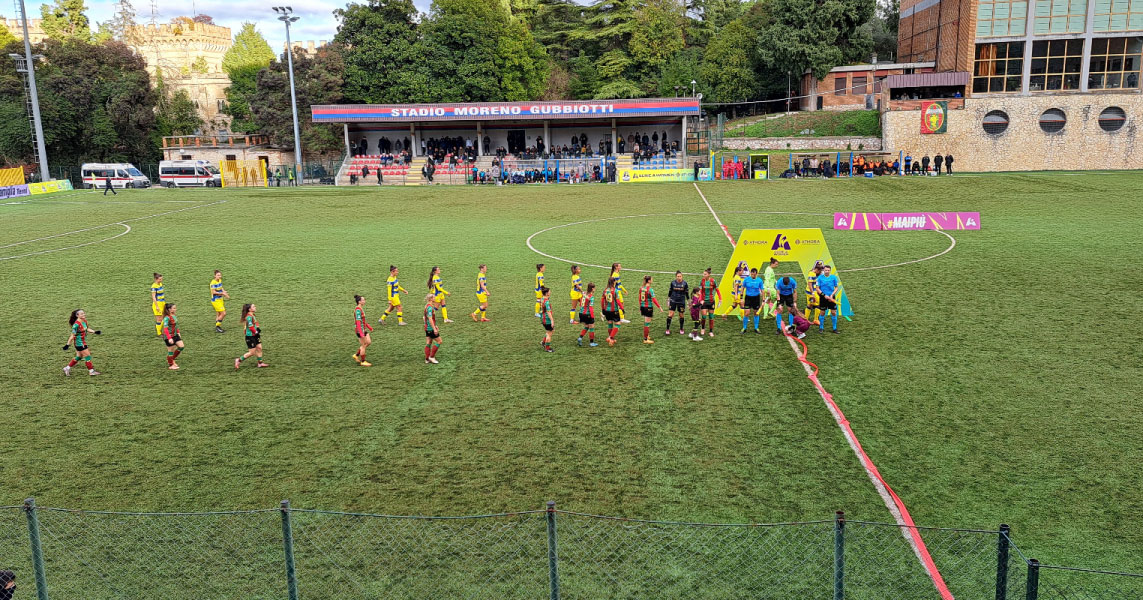
The Other Side of Growth: The Security Emergency and Abuse in Women’s Football
While women’s football is experiencing unprecedented commercial growth and popularity, a dark side is emerging that threatens its founding values: the rise of stalking, misogyny, and online abuse is forcing clubs and players into a necessary—but painful—lockdown. Women’s football has always made accessibility its trademark, a distinguishing feature compared to men’s football, often perceived as distant and heavily guarded. However, this “closeness model” is now faltering under the weight of overexposure that is becoming dangerous for players’ safety. According to an investigation

“Numeri in Palla”, by Jacopo Carmassi: The Revenue Championship
Data and reflections on football club revenues and potential strategies to reduce imbalances Today I want to talk to you about standings. Not the one based on points earned on the pitch, but the one based on football club revenues. The concept that "the richest teams win" (or at least, those among the richest) finds numerous confirmations in reality, both in Italy and abroad. The mirror concept—that "the less wealthy teams lose"—is equally valid. There are, of course, exceptions, but the
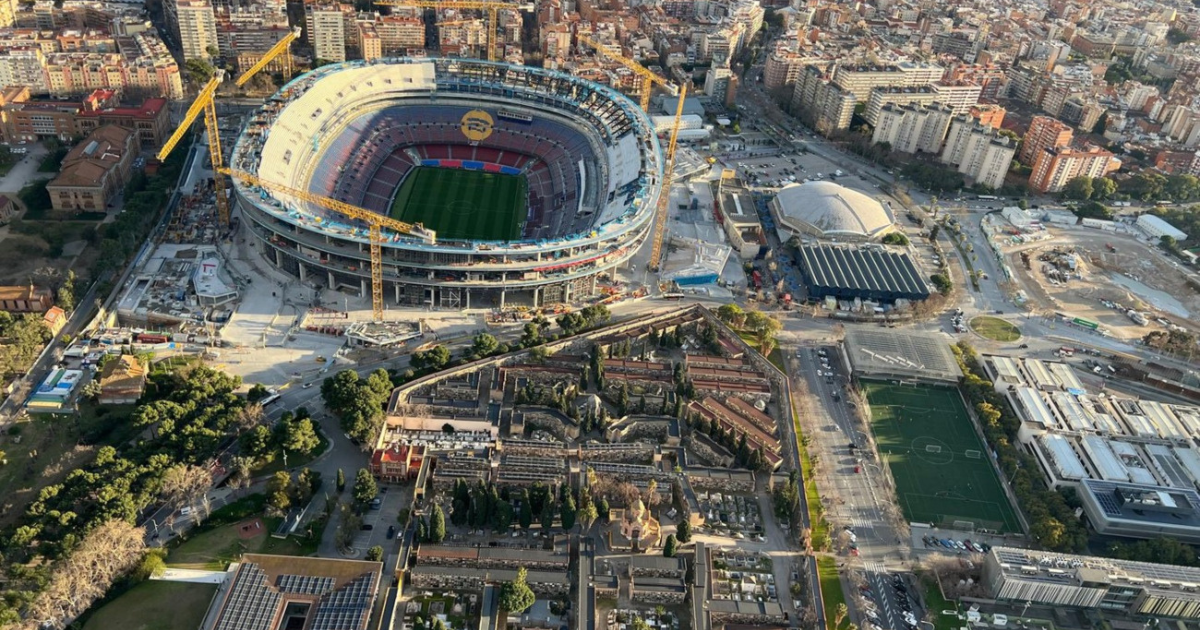
Spotify Camp Nou: Barcelona Shields the Core of its Business with 14,000 New Seats for Members
More than just bricks and mortar: the return to the new Camp Nou transforms club members into a true competitive asset, blending Revenue Management with brand loyalty. As redevelopment work at the Spotify Camp Nou continues at full speed, FC Barcelona is sending a clear message to the club’s beating heart: its members (socios). In a recent official statement, the management confirmed that once municipal approval is secured for "Phase 1C" (concerning the Gol Nord section), the entire capacity increase will
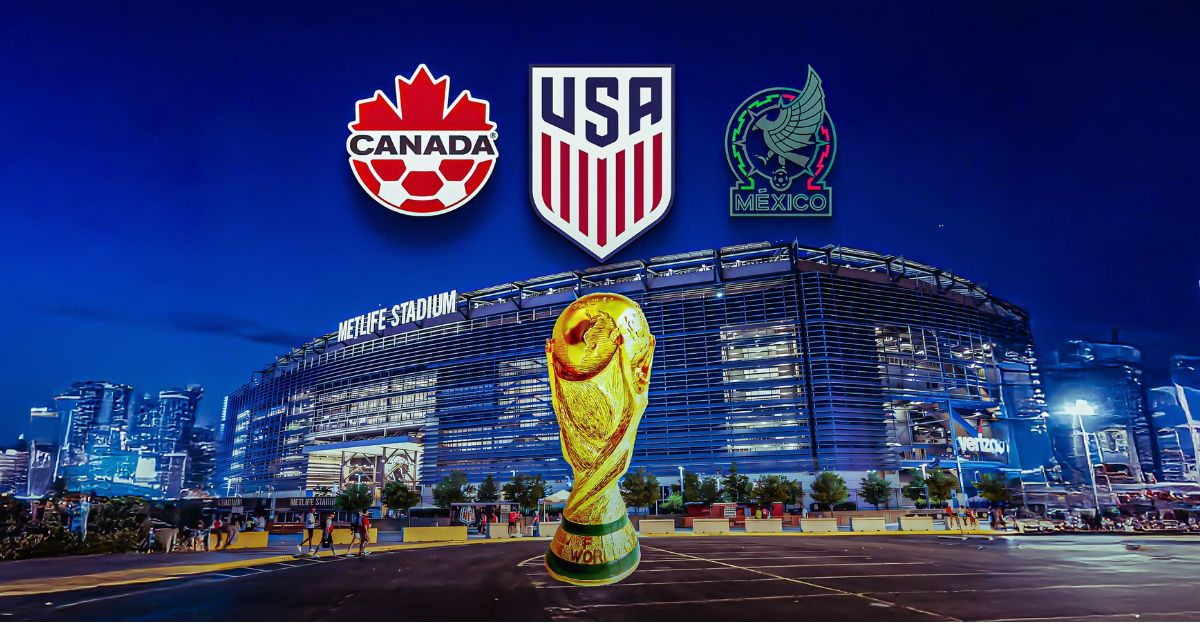
ESTA under the microscope: what’s changing for football travel to the U.S. — and why it matters
Article written by Giulia Pezzano, Senior Immigration Analyst, Arce Immigration Law (Miami) With the 2026 FIFA World Cup approaching and the co-host United States preparing for a surge of fans, media, and football professionals, entry rules are becoming part of the football conversation. Football travel is now routine: preseason tours, international friendlies, fan trips, and a growing wave of creators and media moving with the game. In Washington, that reality intersects with a concrete policy proposal: U.S. Customs and Border Protection (CBP)
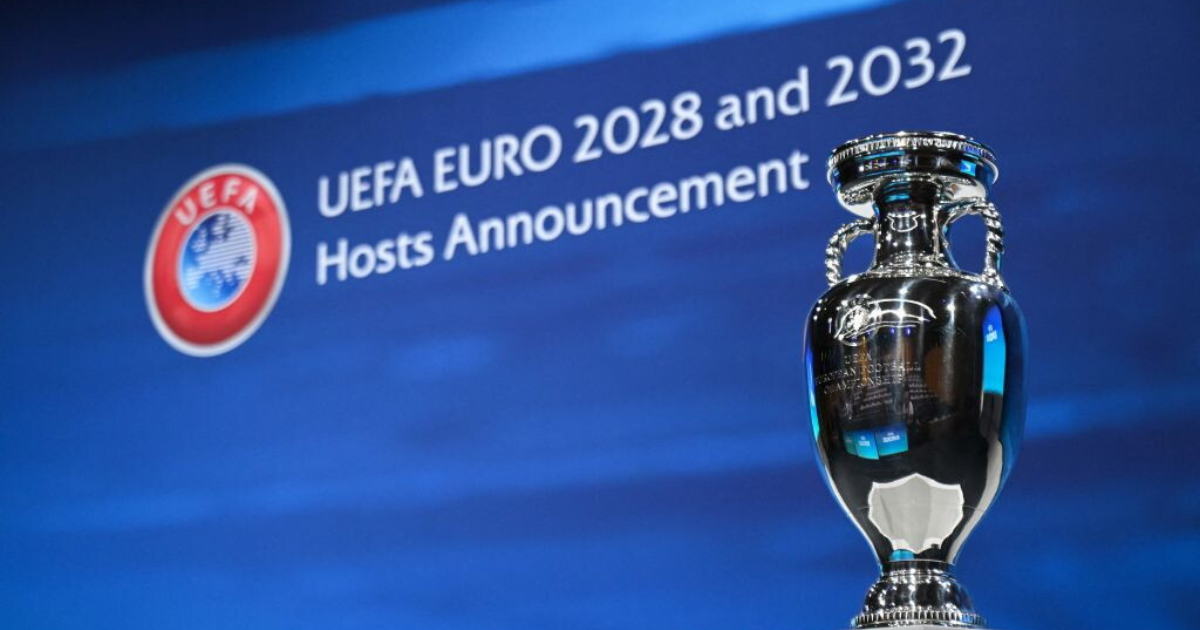
Euro 2032: The Origin and Structural Evolution of Italian Stadiums Vying to Host the Tournament
There is a dream called Euro 2032. The goal is clear and shared by several cities across the Italian "boot." Between surprise entries, a few current certainties, and the risk of shocking exclusions, the race to host this long-awaited continental event remains wide open. Final selections will inevitably be limited due to the joint bid with Turkey. While cities like Rome, Milan, Turin, and Florence seem to have the upper hand, enchanting locations such as Naples, Bari, Palermo, and Cagliari
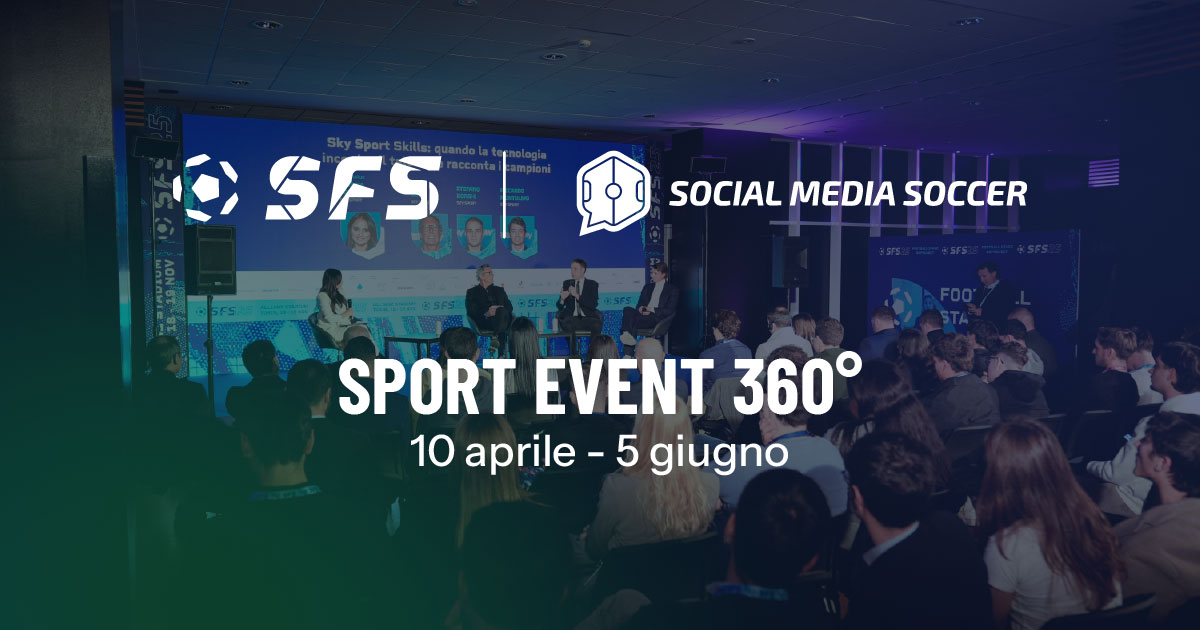
Working in the sport industry: the new training season signed by Social Media Soccer and SFS
The stage of Turin's Allianz Stadium, the lights of SFS25 and the excitement of those who, for the first time, were in close contact with the great decision-makers of world soccer. The final lecture of the latest edition of the Social Media Soccer course, hosted at one of Europe's most iconic venues, was not just a closing act, but tangible proof of how excellence training can shorten the distance between the classroom and the field. It is from this very energy

Excellence rebuilding talent: Italian Sports Medicine and Federica Brignone’s “Miracle”
On the international stage, Italy is far more than a cradle of champions; it has become the global gold standard for sports medicine. While the athletes’ talent ignites the arenas, it is the expertise of our surgeons, physiotherapists, and cutting-edge facilities that ensures that talent shines again—even after the most devastating injuries. At SFS, where innovation and performance take center stage, Federica Brignone’s success at the Milano-Cortina 2026 Games stands as the ultimate manifesto of a system that blends surgical engineering,
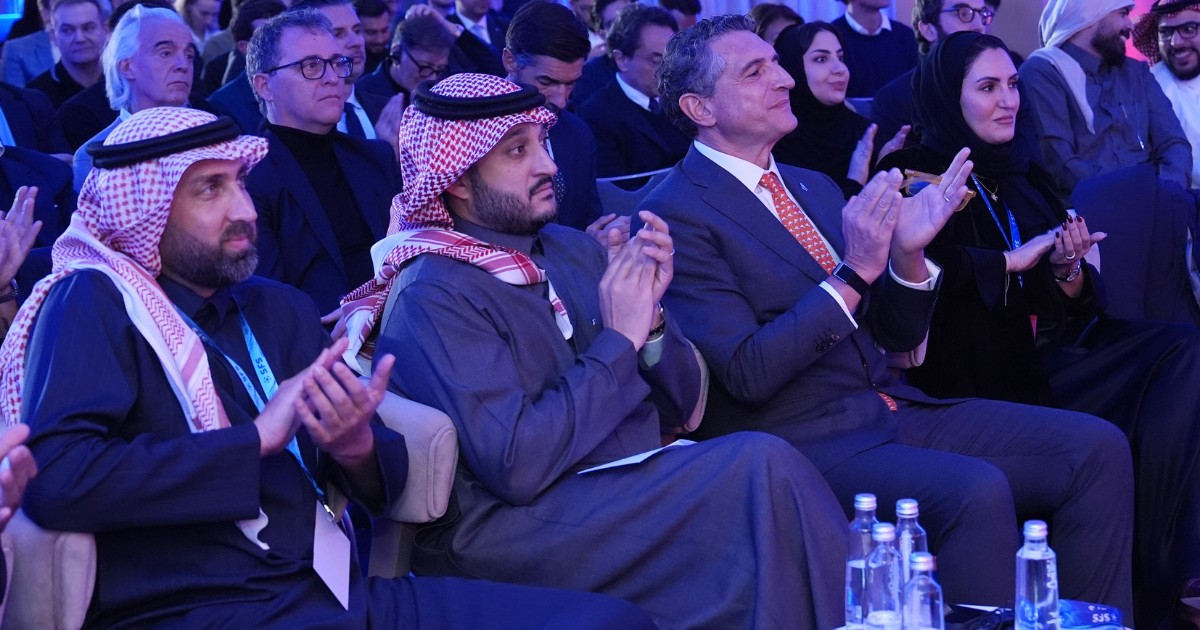
The Italy-Saudi synergy and the Future of the Industry: Insights from the SFS Saudi Edition in Riyadh
Modern football is no longer played solely within the ninety minutes on the pitch; it thrives in a global dimension shaped by diplomacy, infrastructural innovation, and new commercial frontiers. This was the clear message emerging from the second edition of the SFS Saudi Edition in Riyadh, held alongside the Italian Super Cup. The event traced a strategic line between the tradition of Serie A and the ambitions of Saudi Vision 2030, bringing together the decision-makers who are rewriting the rules of the
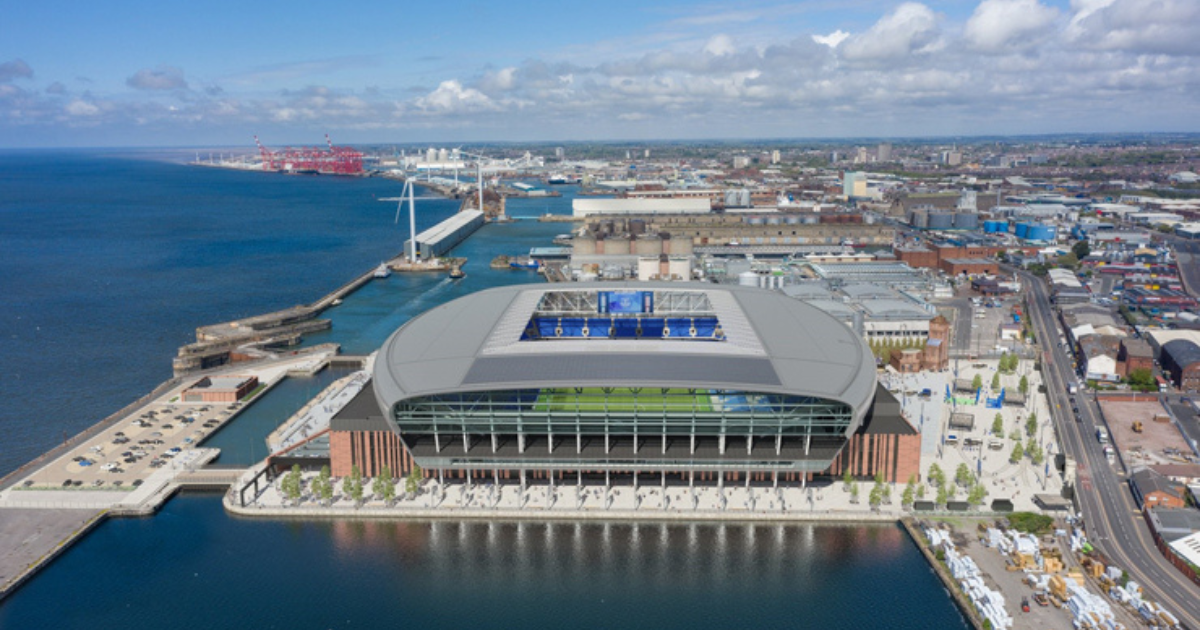
Sustainable Stadiums in Football: How Clubs and Designers Are Making an Impact
Sustainability is no longer an afterthought in football: it’s becoming part of the very blueprint of how clubs, architects, and communities think about stadiums. At a recent panel, representatives from Populous, Fulham FC, and Everton FC shared how they are translating ambition into action. Populous, the global design company behind many modern stadiums, explained how environmentally responsible design starts at the very foundation. From energy-efficient systems to sustainable materials, the goal is to create venues that not only reduce carbon impact

SFS Saudi Edition 2025: Italy and Saudi Arabia engage in dialogue through football, beyond the match
Riyadh, 22 December 2025 – The second edition of SFS Saudi Edition, held in Riyadh, recorded strong attendance and a high level of content, confirming the initiative's value and positioning as an international reference platform for dialogue between Italy and Saudi Arabia in football and sports business. The event was organized by the Social Football Summit and Lega Calcio Serie A, and developed in collaboration with the Italian Embassy in Riyadh, the Italian Trade Agency in Riyadh, the Ministry of Sport, and the Ministry of