




International mega-sports events are almost always presented as powerful engines of economic and employment growth for host nations. However, reality can sometimes prove far more complex than predictive models.
This is currently unfolding in the United States, where the highly anticipated World Cup is delivering a spectacular show on the pitch, but falling short of expectations within the labour market.
The employment boom predicted for the leisure & hospitality sector (restaurants, bars, hotels, and entertainment) simply has not materialised. In fact, it experienced a sharp slowdown right at the tournament’s peak.
The data: a cold shower from the Bureau of labor statistics
According to the latest report from the US Bureau of Labor Statistics, the leisure and hospitality sector recorded a drop of no fewer than 61,000 jobs in June.
This figure runs completely counter to pre-tournament estimates and arrives within a broader macroeconomic context that is cooler than expected: overall US employment increased by just 57,000 units (falling short of expectations), while the unemployment rate settled at 4.2%.
Analysts were also surprised by downward revisions for previous months: the number of jobs created in April and May combined was 74,000 lower than initially estimated.
The paradox: packed venues, but few hirings
The most striking aspect of this dynamic is the apparent disconnect between the visual perception of the tournament and the actual economic data. James Knightley, Chief International Economist at ING, commented to the BBC:
“The leisure and hospitality sector was a real area of weakness. That was a big surprise given the World Cup is still ongoing and bars and venues are crowded.”
While May showed initial signs of ramping up recruitment ahead of the World Cup, June completely flipped the script. Venues are operating at full capacity thanks to the fans, but businesses are clearly managing the influx with existing staff, choosing not to gamble on new long-term or seasonal contracts.
According to Knightley, the modest increase in employment over the past three months is not necessarily the start of a new trend.
What does this mean for the football industry and future mega-events?
This scenario offers crucial food for thought for those involved in Sport Business and public policy tied to major events. A primary explanation for this slowdown could lie in progressive digitalisation and evolving workforce models.
It is highly likely that managing such short demand spikes is now being absorbed by spot contracts typical of the gig economy, the use of service apps, and increased automation—such as contactless ordering and self-checkouts. These factors significantly reduce the need for physical new hires, even during peak footfall.
Furthermore, it reopens the debate for host cities regarding the tournament’s true economic legacy. Indeed, the real challenge is not played out on the temporary peak of June, but on the ability to convert immense global visibility into sustainable tourism and long-term structural investments.
In conclusion, this situation calls for more prudent financial planning. Clubs, leagues, and federations must now recognise that the financial spillover generated locally does not automatically translate into a linear, uniform growth across all local economic sectors.
The World Cup confirms its status as a global commercial and public success, but it leaves a clear lesson: the economic impact of a major sporting event can no longer be measured by the outdated metrics of the past.
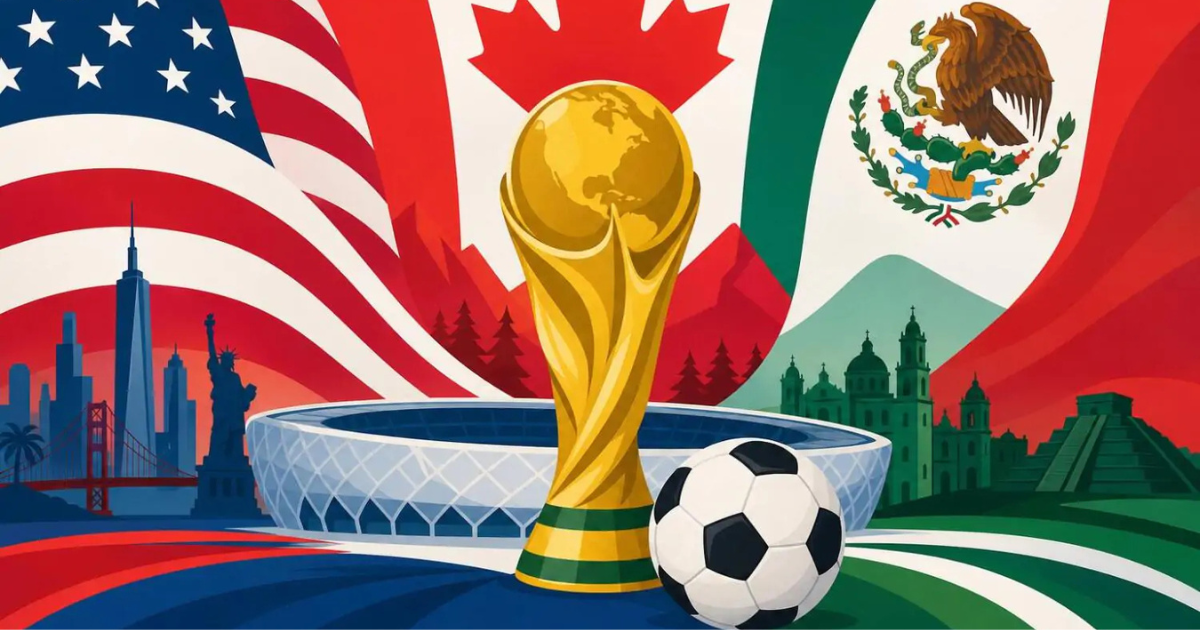
The US World Cup “paradox”: full stadiums, but the job boom fails to take off
International mega-sports events are almost always presented as powerful engines of economic and employment growth for host nations. However, reality can sometimes prove far more complex than predictive models. This is currently unfolding in the United States, where the highly anticipated World Cup is delivering a spectacular show on the pitch, but falling short of expectations within the labour market. The employment boom predicted for the leisure & hospitality sector (restaurants, bars, hotels, and entertainment) simply has not materialised. In fact, it

Evolution of Sustainability Policies and Strategies in FIFA
Editorial contribution by FDC Consulting Digital ESG FIFA governs football on a global scale. It coordinates over 200 national associations, organizes the most-watched tournaments on the planet, and generates economic flows that few other sectors can match. All of this brings with it an environmental and social responsibility of extraordinary proportions. How has it addressed this in recent years? With a strategy that has made significant strides on paper, but still displays relevant contradictions in practice. Understanding this evolution is useful
SFS 26 together with Social Media Soccer as main partner
Modern football is evolving at an unprecedented pace, driven by technological innovation and a deep understanding of digital transformation dynamics. In this landscape, Social Media Soccer stands out as a digital agency that places a passion for football and a profound knowledge of the digital world at its core, helping clubs, institutions, brands, and stakeholders communicate effectively, strategically, and, above all, authentically. Based on this shared vision, which brings together a love for the sport and the endless opportunities of digital
SFS 26 and GoProject announce main partnership
The future of the Football Industry is based on the ability to anticipate change, integrating technological solutions with creative visions capable of making its mark in a complex world like football. In this ever-evolving landscape, GoProject is among the leading players, and the SFS team is proud to announce it as its main partner. Digital company and innovative SME, the company responds to the most complex challenges by combining technologicalexpertise in software development and strategic and creative - expertise in
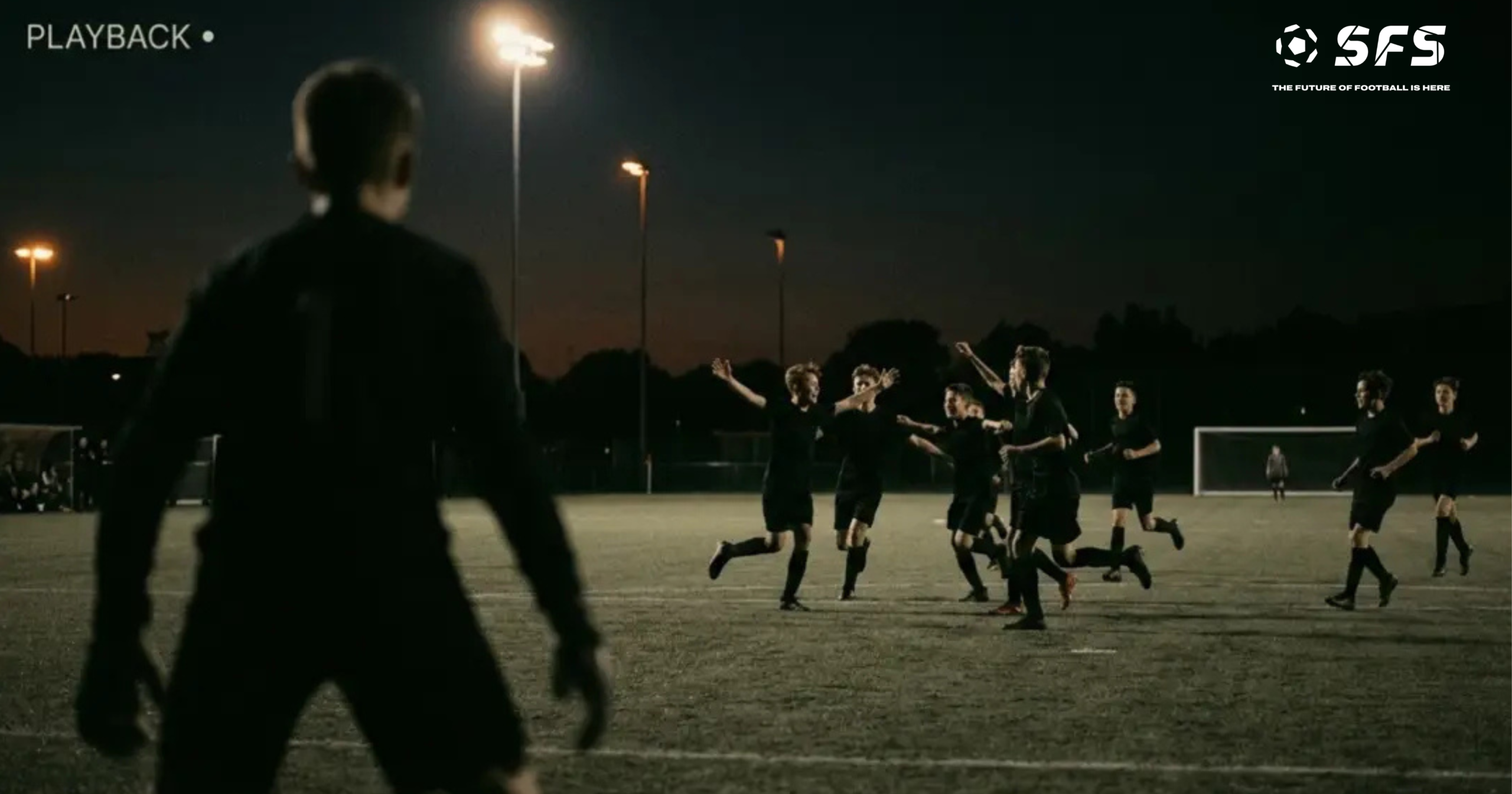
PLAYBACK: from aggregator to universally recognized operating system
From a solution aggregator to a true operating system for sports: this has been the rapid and accelerated evolution that has allowed PLAYBACK to establish and assert itself on a global scale, strategically strengthening its partnerships and international network. The value and scope of this innovation have been widely certified by the start-up's recent global successes. Following its significant participation in SFS ExtraTime 2025, its victories at the 2025 UK StartUp Awards and the PSG Labs Micro Lab Pitch Competition at

“Pick-and-Drop” sustainability: how the New UEFA Manual changes the rules of Sport Business
Sustainability has ceased to be a balance-sheet cost incurred solely for public relations purposes, transforming instead into an essential strategic lever to guarantee the sector's long-term economic, financial, and social longevity Sustainability in football has officially moved past the greenwashing phase and entered the realm of pure corporate strategy. With the sport business industry increasingly driven by highly stringent ESG criteria, UEFA and European Leagues have launched a tool designed to redefine event management for a movement that counts over 90
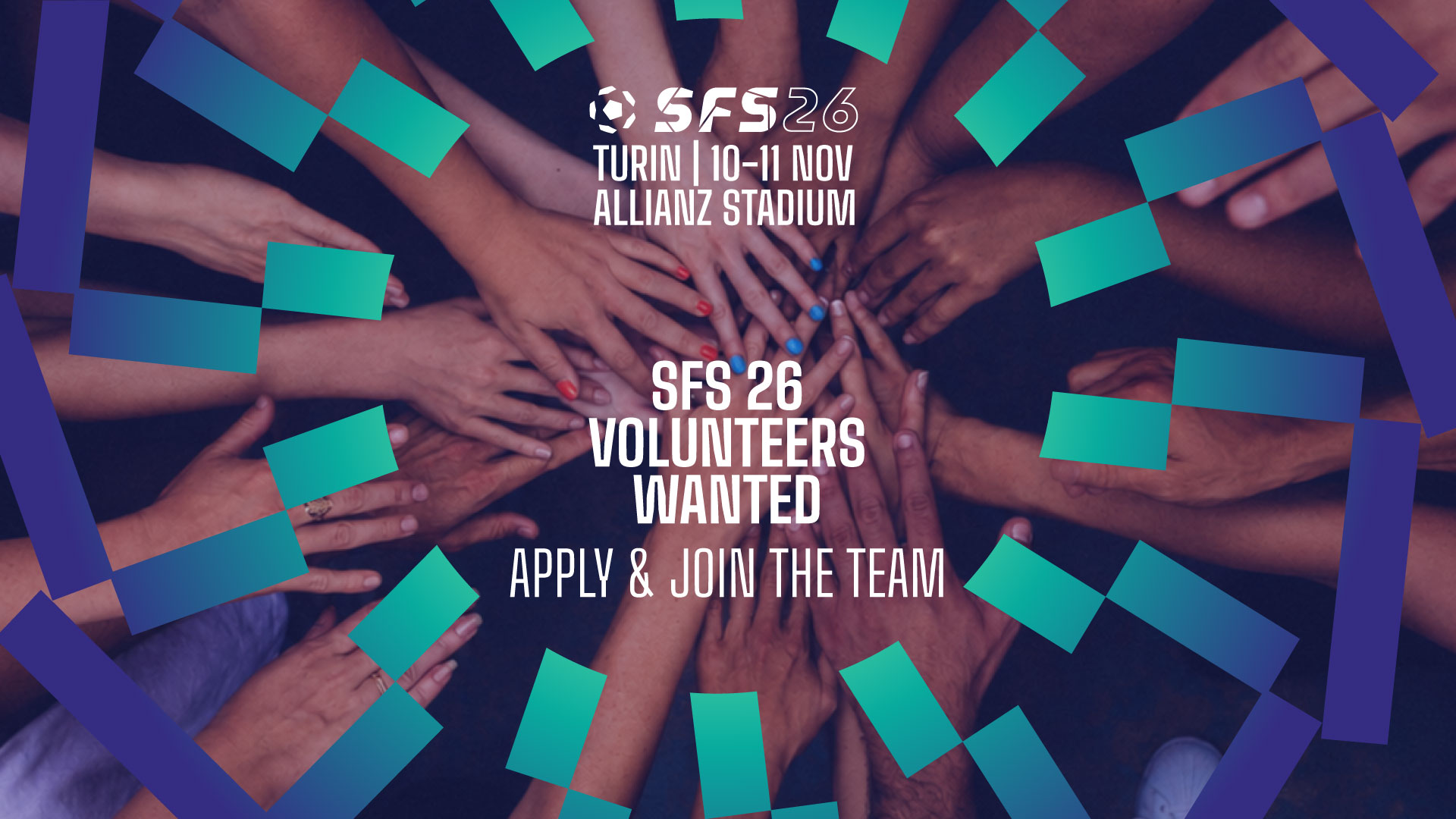
SFS 26: Be part of the game – Apply to volunteer now!
Building on the extraordinary success and high participation of past editions, SFS 26 officially launches its volunteer recruitment campaign The countdown has begun. On November 10 and 11, 2026, the prestigious setting of the Allianz Arena in Turin will host the ninth edition of the Social Football Summit (SFS), the leading international event dedicated to business, sustainability, marketing, and innovation in the football industry. For two days, Turin will become the capital of football business, hosting prestigious clubs, institutions, top managers, and

Sporthype: Neuroscience at the service of mental well-being and performance
The countdown to the Social Football Summit 2026 has officially begun, and with it, anticipation is building for the SFS ExtraTime startup competition. Before diving into the novelties of the upcoming edition, it is only natural to look back and assess the legacy left by the protagonists of the previous year. While coming from different backgrounds and markets, last year's finalists proved to be united by a very clear common thread: the determination to rewrite the rules of the game
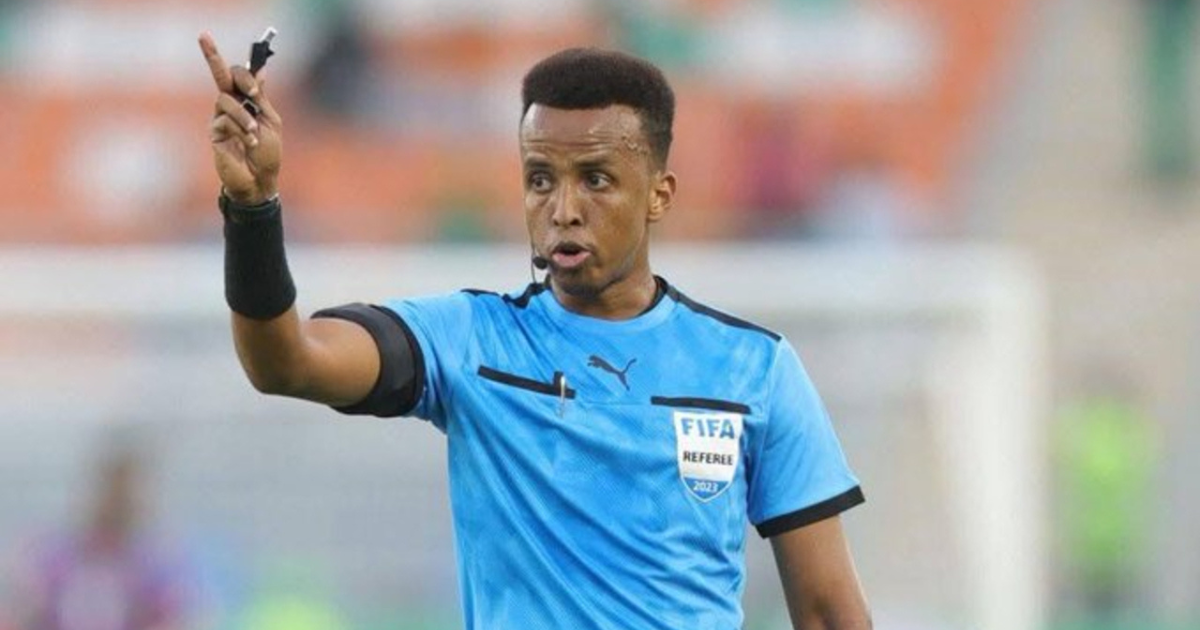
A Visa does not guarantee an entry to the United States: what the somali referee case teaches about U.S. immigration
By Giulia Pezzano, Senior Immigration Analyst, Arce Immigration Law (Miami) The 2026 FIFA World Cup has already delivered an important immigration lesson before many fans have even packed their bags: a U.S. visa does not guarantee entry into the United States. Somali referee Omar Abdulkadir Artan, selected to serve as a match official at the tournament, was reportedly denied entry at Miami International Airport despite holding a valid U.S. visa. According to public reporting, U.S. Customs and Border Protection (CBP) found him
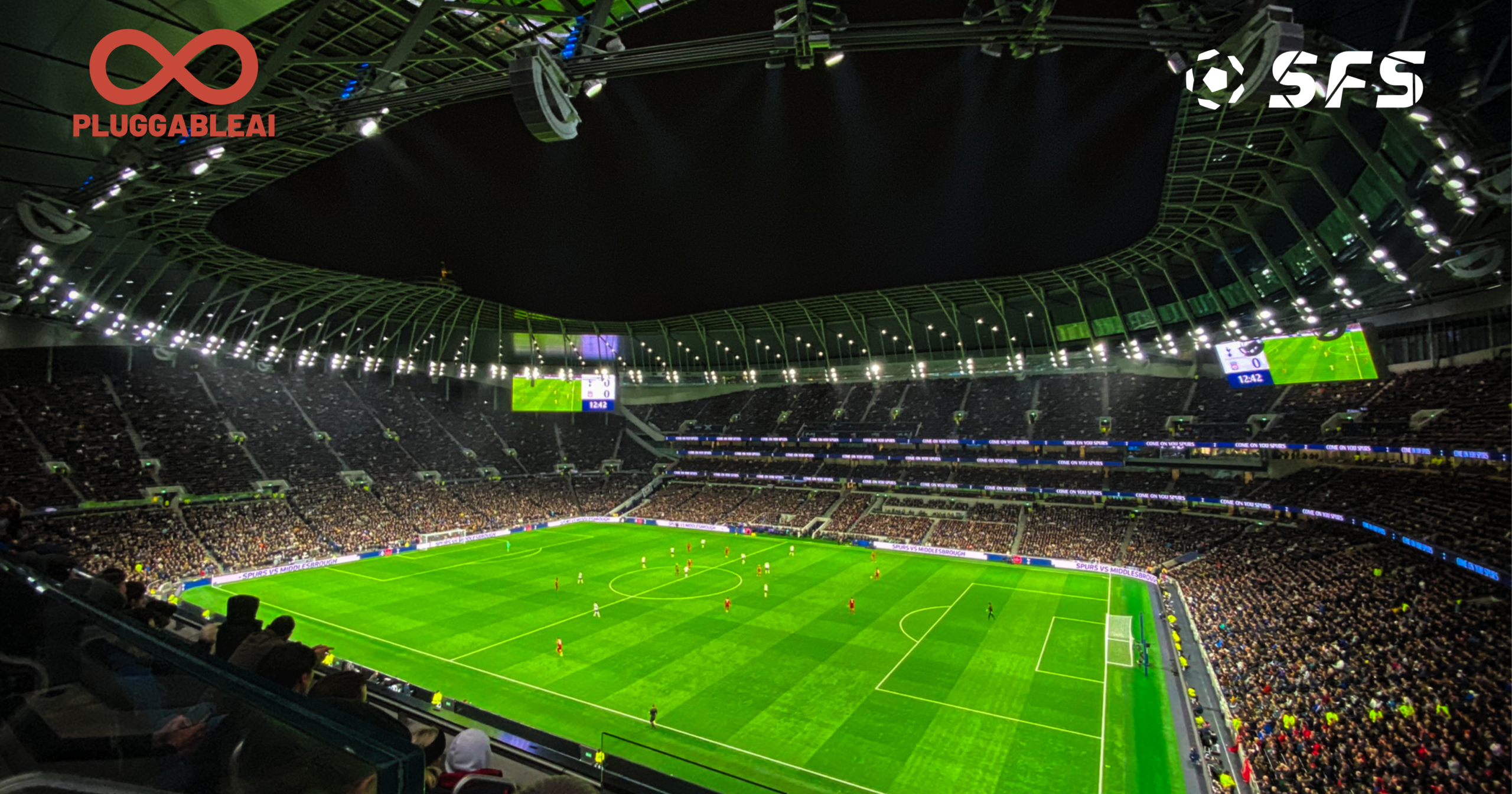
From stadium to smartphone: how PluggableAi is turning fans into data (and ROI)
Looking ahead to SFS26 and the launch of the new edition of the SFS Extra Time startup competition, the spotlight inevitably turns back to the finalists that lit up SFS25. These are companies characterized by diverse ideas, backgrounds, and perspectives, yet deeply united by a shared goal: the drive to grow, scale the market, and innovate the football industry from its very foundations. A year after the last edition, each startup has successfully consolidated its market positioning or enhanced its product