




“Inside sustainable leagues” is a new editorial series that looks at how some of the world’s leading football leagues are structuring sustainability — through models, initiatives and operational tools. The first article focuses on governance, using different experiences to explore the variety of approaches currently shaping the game.
In recent years, sustainability has become a more consistent part of football’s narrative, steadily entering the language of clubs, leagues and wider stakeholders. However, it is often discussed through individual initiatives or standalone projects, without fully capturing its deeper, structural dimension.
With this series, we want to shift the focus to that level: not on single actions, but on how sustainability is being gradually organised, structured and embedded across the major football leagues worldwide.
In the articles that follow, we will explore some of its key dimensions — from governance to foundations, from activations to campaigns, and up to system-level tools — to understand how sustainability is becoming increasingly integrated into the way the football industry operates.
The first lens is governance, understood here as the way sustainability is embedded into the stable functioning and organisation of leagues. It is not only about its presence, but about how it is defined, coordinated and translated into operational practice.
The ways in which this happens are not uniform, and they are unlikely to become so. Historical, cultural and organisational differences all shape how the topic is interpreted and developed across contexts. Some leagues aim to build shared frameworks, others integrate sustainability into existing structures, while others rely on models already rooted in local territories and communities.
Rather than searching for a single model, the goal is to read these pathways in their specificity, observing their internal logic and recurring elements. A comparison across several relevant cases helps build a clearer and more nuanced understanding of how sustainability is evolving in different countries.
FRANCE: LFP AND THE “ONE TEAM” PLATFORM
In the case of the Ligue de Football Professionnel, sustainability has recently been structured through the “One Team” platform — the main coordination hub for professional football initiatives in France.
Rather than a collection of separate projects, it acts as a framework (previously branded “Jouons la Collectif”) that brings together activities, campaigns and programmes under a single, recognisable identity. In doing so, it helps give consistency and visibility to the league’s and clubs’ overall commitment.
Here, governance is expressed through the ability to create a shared space where sustainability becomes both readable and communicable at system level. A key feature is the effort to define a common language and a unified narrative structure. In this sense, “One Team” works not only as a coordination platform, but also as an identity-building tool.
The league takes on a central coordinating role — not only organising joint activities, but also defining their scope and amplifying their outcomes. The result is a model where sustainability is integrated through a coherent system that aligns the different components of the league in a single strategic direction.
GERMANY: DFL AND INTEGRATED SUSTAINABILITY FUNCTIONS
In the case of the DFL, the independent organisation running the Bundesliga and 2. Bundesliga, sustainability has progressively become a structural component of how clubs and the league system operate.
The “WIRKT” framework sits within a broader structure that translates sustainability into multiple operational dimensions — from strategy and internal governance to environmental management, social impact, organisational processes and compliance.
The German model stands out for the level of detail with which sustainability is embedded into decision-making and operations. The different areas are not treated separately, but structured in a systemic way: strategy, organisation, finance and partnerships, digitalisation, leadership and communication are seen as interconnected fields. Alongside these sit environmental and social dimensions, including resource management, mobility, energy, inclusion and rights.
In this context, governance is not only expressed through a narrative platform (with “BundesligaWIRKT” as the visible layer), but through the formalisation of an internal operating system within clubs.
Sustainability becomes a stable function, embedded into management logic and organisational processes, with a high level of continuity and structure. Among top leagues, Germany is also the one with the highest share of clubs holding a sustainability strategy and publishing regular sustainability reports. The focus is not only on external storytelling, but on translating sustainability into measurable, repeatable practices.
JAPAN: J.LEAGUE BETWEEN STRUCTURE AND COMMUNITY
In the case of Japan’s J.League, sustainability develops through a model that combines central coordination with strong local roots.
Initiatives such as “Hometown” and “SHAREN!” are not simply operational extensions, but part of a long-standing identity where clubs are closely connected to their local communities — a principle that has been further structured and reinforced at league level over time.
The J.League has gradually evolved these practices into a coordinated framework that strengthens their reach and continuity. The relationship between clubs and territories becomes a foundational element of the model, progressively systematised through shared tools.
Governance, in this case, is expressed through the ability to structure an already existing vocation, reinforcing it through central coordination while preserving its community-driven origin.
PREMIER LEAGUE: EVOLUTION OF A COMMUNITY-DRIVEN MODEL
In England, sustainability is rooted in a long tradition of social engagement by clubs, linked to the “Football in the Community” model that began developing in the 1980s. Unlike other European contexts, the starting point here was not a centrally defined league structure, but a strongly embedded local ecosystem.
Over time, this legacy has been progressively recognised and integrated into a more structured system, through the work of the Premier League and the EFL, and the development of club foundations and dedicated programmes. Central initiatives — such as the Premier League Foundation and the league’s environmental sustainability strategy — represent the consolidation phase of this process, turning widespread practices into a more coordinated model.
In this case, the league’s role is mainly about connection and amplification: giving structure and coherence to a system that originates at club level but is progressively organised into a more visible and aligned framework.
ITALY: SERIE A AND PROGRESSIVE CONVERGENCE
Finally, in Serie A, sustainability has developed through a less centralised logic compared to other European leagues, but one that is still meaningful in its evolution.
In the absence of a single overarching platform or a strongly coordinated league model, sustainability has spread through shared references — often linked to UEFA standards — and through the growing initiatives of individual clubs. In recent years, several clubs have developed more structured approaches, increasingly aligned with league-level guidelines, contributing to a gradual convergence of practices.
Governance here appears more distributed and evolving: it does not emerge from a single central design, but from the progressive consolidation of shared practices that gradually become more stable over time.
Editorial series by Community Soccer Report, a platform that reports, analyses and activates sustainability in Italian football.
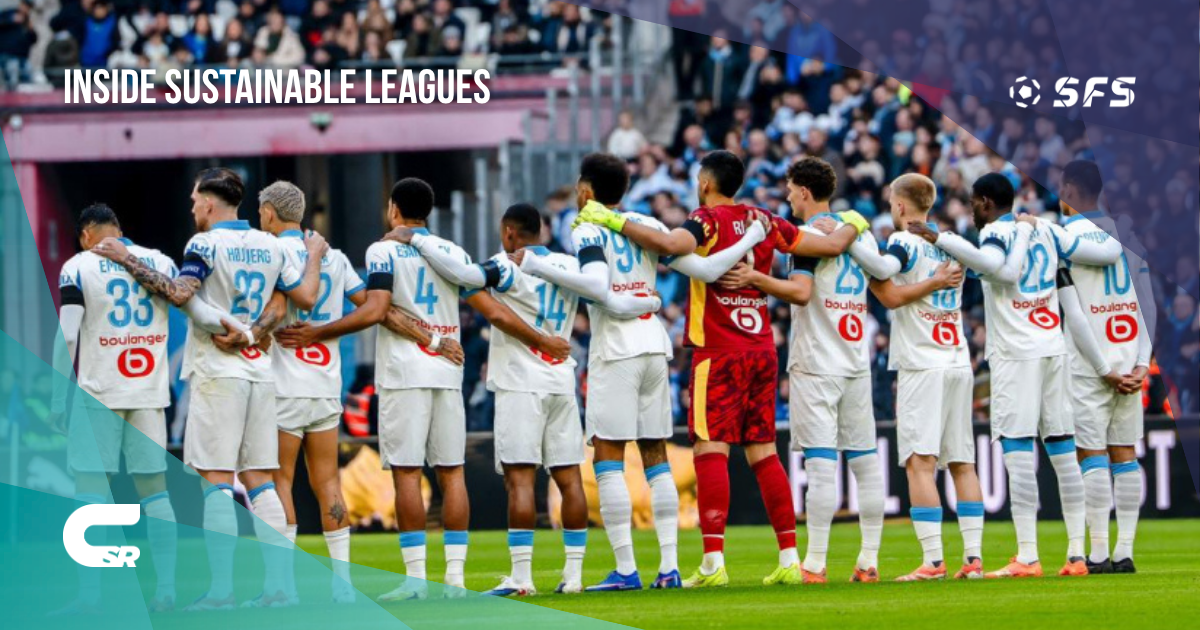
INSIDE SUSTAINABLE LEAGUES
"Inside sustainable leagues" is a new editorial series that looks at how some of the world’s leading football leagues are structuring sustainability — through models, initiatives and operational tools. The first article focuses on governance, using different experiences to explore the variety of approaches currently shaping the game. In recent years, sustainability has become a more consistent part of football’s narrative, steadily entering the language of clubs, leagues and wider stakeholders. However, it is often discussed through individual initiatives or standalone
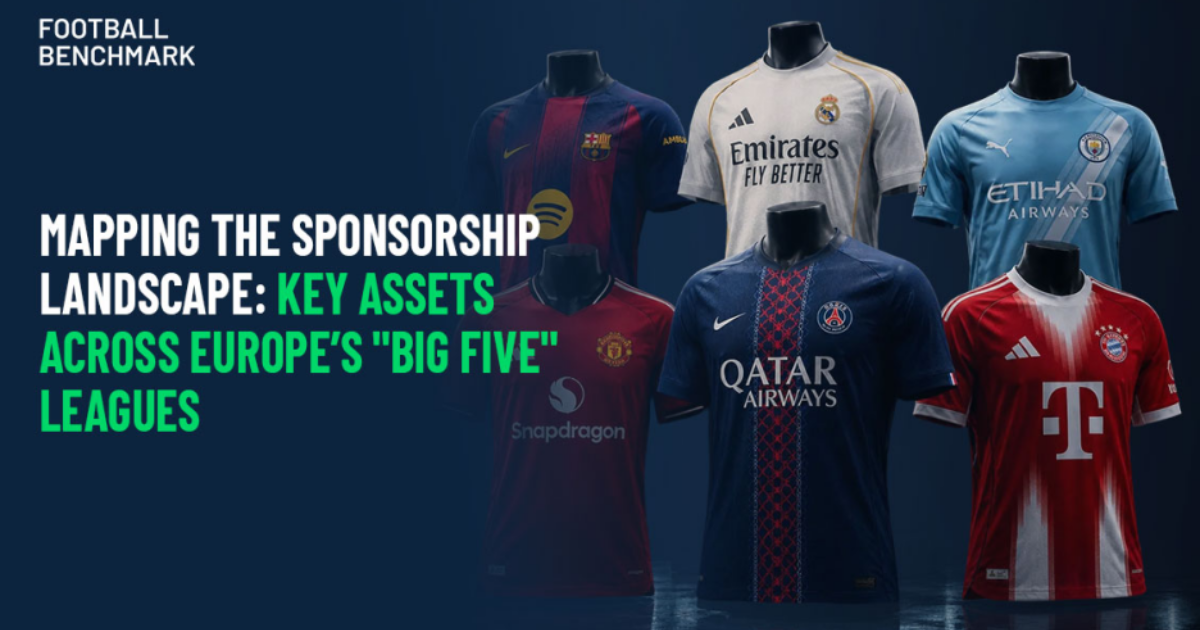
Mapping the sponsorship landscape: key assets across Europe’s “Big Five” leagues
Article written by Football Benchmark European football’s sponsorship market continues to expand, reinforcing the strategic importance of commercial partnerships within the game’s economic model. According to the latest market overview by the European Sponsorship Association (ESA), the European sponsorship sector reached €34.5 billion in 2025, representing a 4.7% year-on-year increase. Sport accounted for 72% of the total market, while football alone generated more than €13 billion in sponsorship value. A significant share of this activity is concentrated within the “Big Five” leagues
SFS Snack arrives in Rome: sustainability strategies and new leadership for the future of sport
SFS Snack returns to Rome with a new event dedicated to sustainability, innovation and leadership in the football and sports industry. Scheduled for May 14, 2026, at Hotel De La Ville in Rome, the event will explore how sustainability is no longer just a trend, but a strategic driver capable of influencing organizational models, business decisions and the future development of sport. Through talks, discussions and networking opportunities, SFS Snack will bring together executives, professionals, brands and industry stakeholders to share perspectives

Football and ESG: how clubs can measure and communicate their impact
There’s a question that is being heard more and more often in executive rooms across the sports world: how do you measure the sustainability of a football club? The answer isn’t simple—but it does exist. And the clubs that have found it first are already reaping the benefits. Measuring ESG impact doesn’t mean filling out a questionnaire once a year. It means building a data collection system that works continuously, covers very different areas, and produces numbers that can be compared
SFS 26 RETURNS TO TURIN: SOCIAL FOOTBALL SUMMIT ON 10–11 NOVEMBER AT ALLIANZ STADIUM
The Social Football Summit (SFS) announces its 2026 edition, scheduled for 10–11 November at the Allianz Stadium in Turin. The event confirms its position as one of Europe’s leading gatherings dedicated to the Football Industry and an increasingly central international hub within the global football landscape. Over the years, SFS has established itself as a benchmark platform, attracting a growing number of clubs, institutions, and international organizations, and strengthening its role as a meeting point between sport, business, and innovation. An increasing
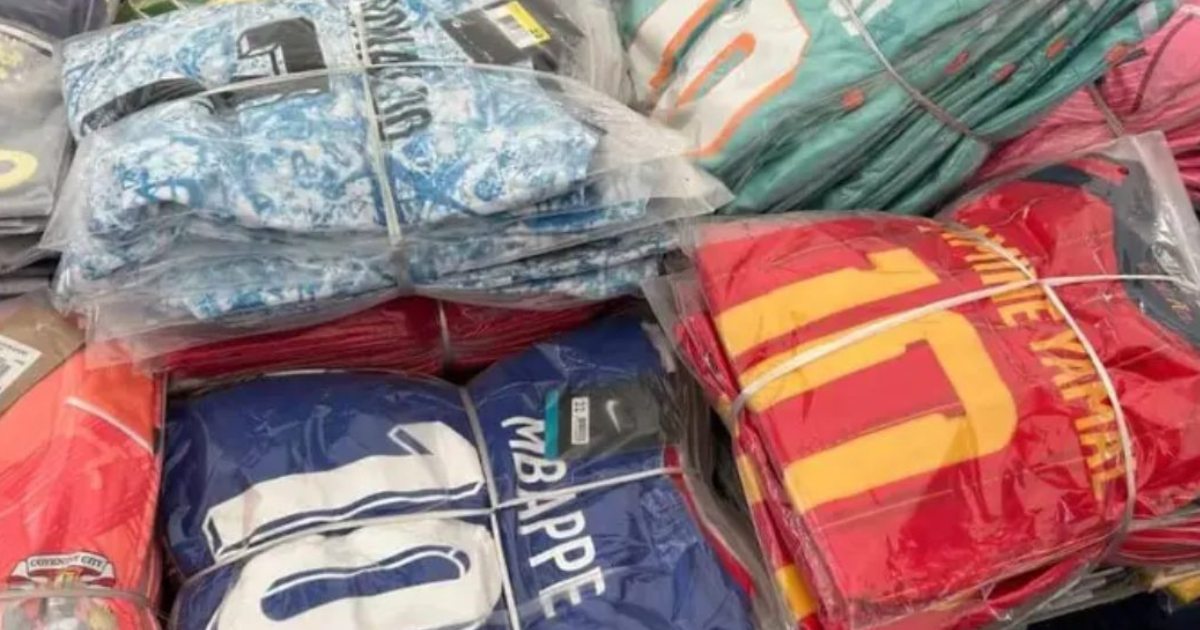
The “Fake” That Drains the Coffers: Why Counterfeiting is Modern Football’s No. 1 Enemy
From World Cup seizures to budget deficits: how counterfeiting stunts club growth and why marketing must pivot toward pricing and digital assets The latest international crackdown, resulting in the seizure of thousands of counterfeit kits destined for the upcoming World Cup, is merely the tip of the iceberg of a phenomenon that has reached industrial proportions. While top clubs' marketing departments spend months perfecting every detail of a new kit launch, unofficial versions—nearly identical and sold at a fraction of the

The O-1/O-2 Visa Strategy: How Player Transfers and Essential Support Staff Can Move Faster and Cost Less
By Giulia Pezzano, Senior Immigration Analyst, Arce Immigration Law (Miami) A player transfer rarely involves just one person. When time is short and performance depends on trusted support staff, the little-known O-1/O-2 visa strategy can help move both the athlete and the essential team around the athlete faster, more smoothly, and often at a lower overall cost. In the football market, time is money. Clubs have narrow transfer windows, and coaches often want the athlete in camp immediately. A commercial team is
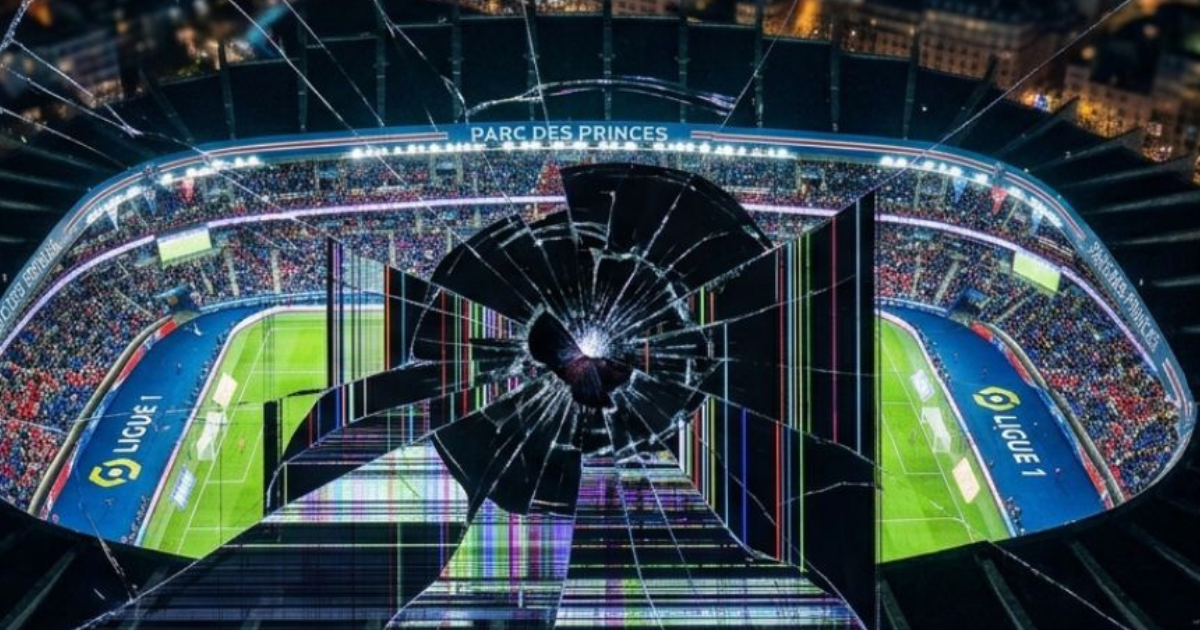
THE REASONS BEHIND THE CRISIS OF THE FRENCH FOOTBALL SYSTEM
French football is facing a profound crisis. Data presented by the DNCG (Direction Nationale du Contrôle de Gestion) outlines a worrying picture, particularly regarding the system's financial stability. At the heart of the discussion—highlighting the criticality of this moment—lies one of the pillars of the football industry: broadcasting rights. The collapse in value of the domestic package has generated massive losses for numerous clubs, many of which are now heavily dependent on European competitions to offset the shortcomings of the
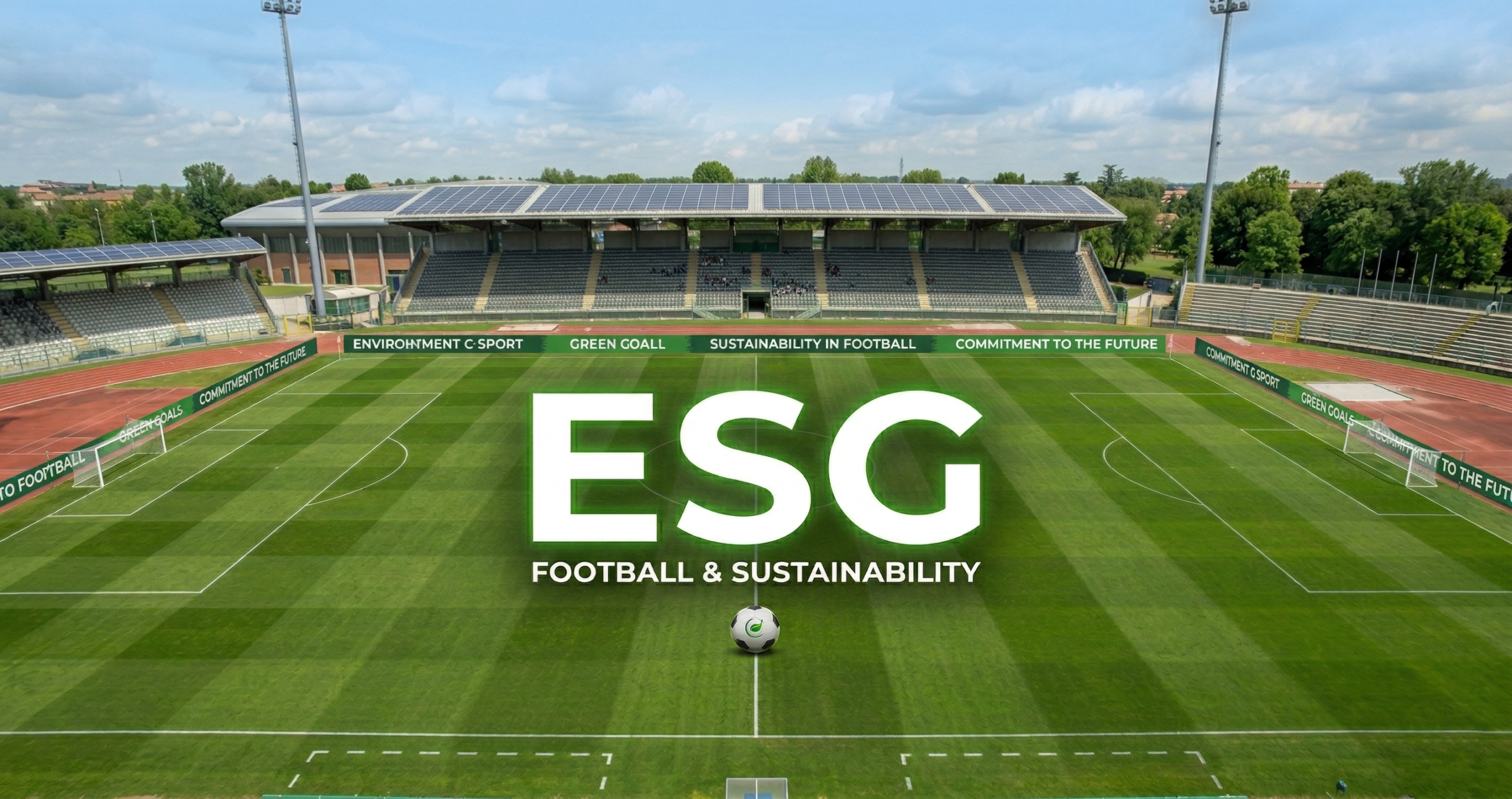
Why sustainability is becoming a competitive advantage for football clubs
When ESG is mentioned in football, the first reaction is often the same: it’s a topic for large multinationals, not for sports clubs. Or: it’s a matter of image, not business. Both positions are understandable, especially for those who haven’t yet had the chance to engage concretely with what is happening in the market. But the facts tell a different story—and it’s worth understanding it. ESG stands for Environmental, Social, Governance. These are three dimensions that measure how sustainable an organization

Serie A… How Much Will It Cost You?
English version prepared by editorial team Is high spending an essential requirement for avoiding relegation? Jacopo Carmassi – Numeri in Palla – Social Media Soccer / Social Football Summit column, April 2, 2026 Imagine you are the owner or executive of a men’s football club in Serie B that has just achieved an exceptional sporting milestone: promotion to Serie A. Imagine that, while the fans and the city are still celebrating, your mind is already turned toward the future, toward those first summer