




Online hate speech has become a growing challenge in today’s digital world, and sport, with all its passion and visibility, often feels its impact most intensely. This shared concern brought together representatives from the FIA, the ATP, the Football Association, and Dublin City University at the 2025 Social Football Summit in a dedicated panel, where each offered insight into how their organisations are working to create safer and more respectful online spaces.
The FIA opened the conversation by highlighting its collaborative United Against Online Abuse initiative. By bringing together sports organisations, public institutions, and technology partners, the FIA aims to build a collective response to online harm. This work is supported by AI-driven tools that help detect harmful content, as well as research programmes designed to understand where abuse originates and how it spreads.
Building on this idea of protection and support, the ATP Tour shared its player-focused approach. Through the Safe Sport programme, the organisation uses technology to monitor and filter abusive messages sent to tennis players, easing the emotional burden that constant online exposure can create. At the same time, education and wellbeing resources complement this effort, ensuring that athletes are not left to navigate digital negativity on their own.
A similar commitment to safeguarding the community came from the Football Association with its Enough is Enough campaign, which encourages players, fans, parents, and coaches to speak up when they encounter abuse, reinforcing the idea that everyone has a role in shaping a healthier environment. The FA has also strengthened the mechanisms that allow serious online harassment to be investigated, reflecting a belief that online behaviour deserves the same accountability as actions on the pitch.
Adding a research dimension, Dublin City University emphasised the importance of understanding online hate at its roots: DCU’s work uses AI and data analysis to identify patterns of abusive language and explore the contexts in which it spreads, also considering the still largely unexplored languages. Their research helps ensure that the tools used to moderate online spaces are fair, transparent, and responsive to real human communication.
Taken together, these perspectives show that addressing online hate requires more than one solution. It calls for a blend of technology, education, empathy, and shared responsibility, and by working in unison, sports organisations and researchers are helping to shape a digital world where respect can flourish, both on and off the field.
By Enovation Consulting
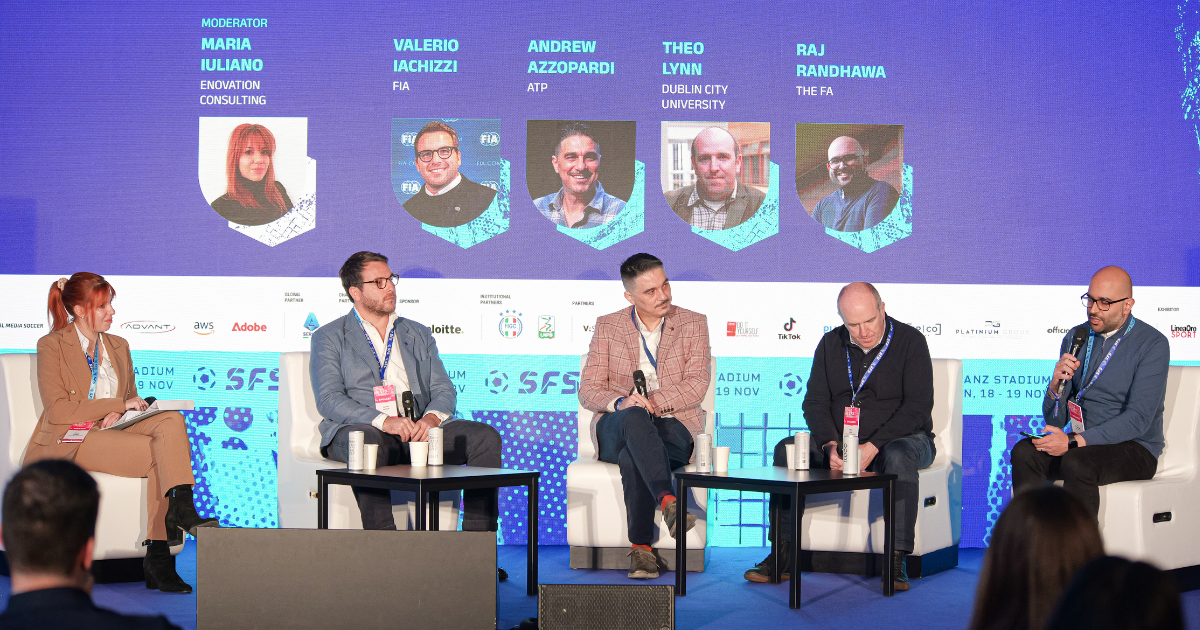
Beyond the Screen: How Sport and Research Join Forces Against Hate Speech
Online hate speech has become a growing challenge in today’s digital world, and sport, with all its passion and visibility, often feels its impact most intensely. This shared concern brought together representatives from the FIA, the ATP, the Football Association, and Dublin City University at the 2025 Social Football Summit in a dedicated panel, where each offered insight into how their organisations are working to create safer and more respectful online spaces. The FIA opened the conversation by highlighting its collaborative
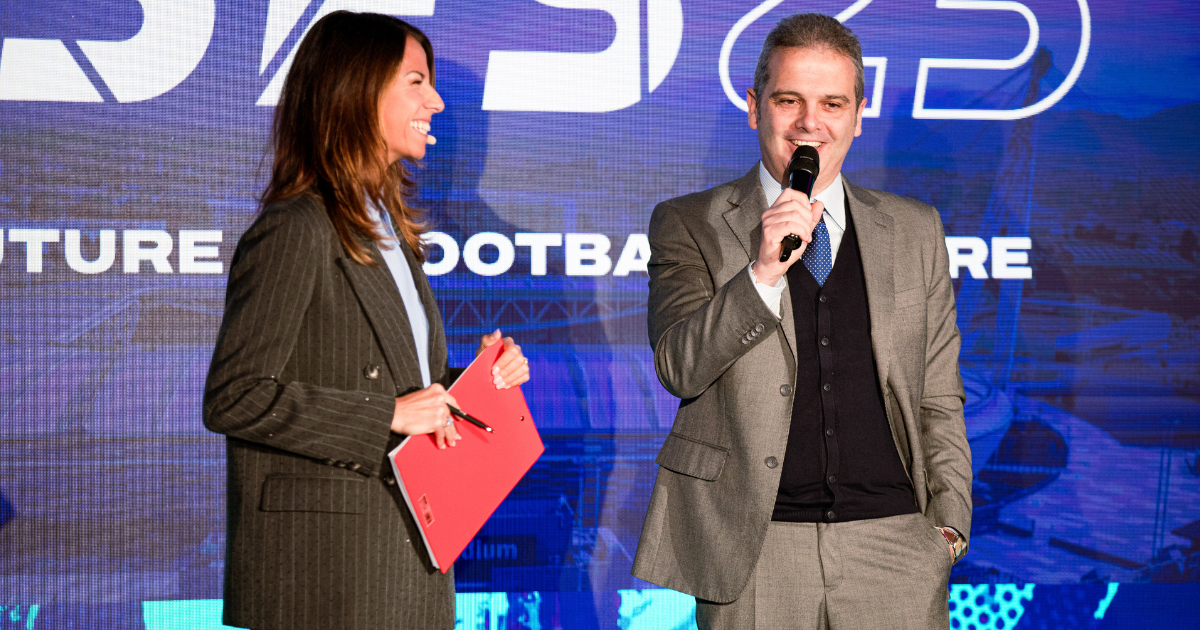
Valentini: Uniting expertise to design the future of the Football Industry
“The football industry can evolve only through concrete collaboration between clubs, federations, leagues, institutions and companies — especially those leading innovation processes. The growth of the sector depends on the ability to combine skills, visions and resources to build a truly competitive and sustainable ecosystem. At Allianz Stadium in Turin, the centrality of cooperation emerged clearly, along with the vitality of a transforming ecosystem and the awareness that innovation and sustainability are no longer future perspectives, but operational priorities and shared
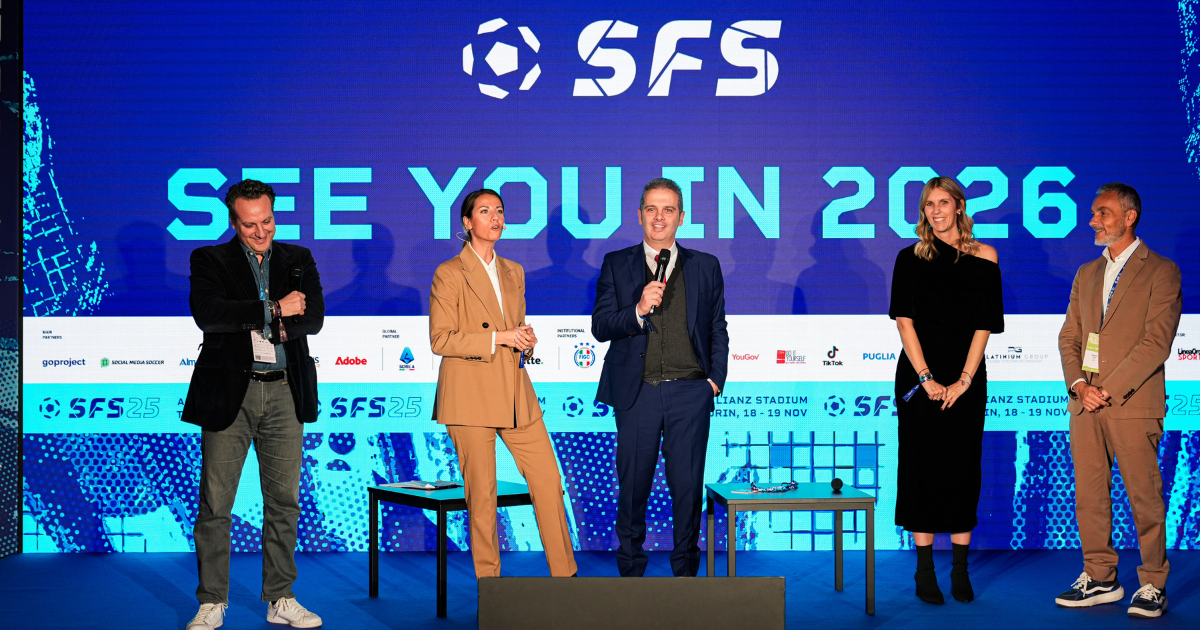
Allianz Stadium in Turin Becomes the Global Capital of the Football Industry for Two Days
The eighth edition of SFS – Social Football Summit, the main event organized in Italy dedicated to the international football industry, has concluded. For the first time, the Summit took place in Turin, hosted at the Allianz Stadium, registering exceptional participation from industry professionals, clubs, sports institutions, companies, and media, with over 3,000 attendees, more than 50 panels, over 150 speakers, and 60 partner companies. The 2025 edition confirmed the Summit's role as a platform for innovation, networking, and training in
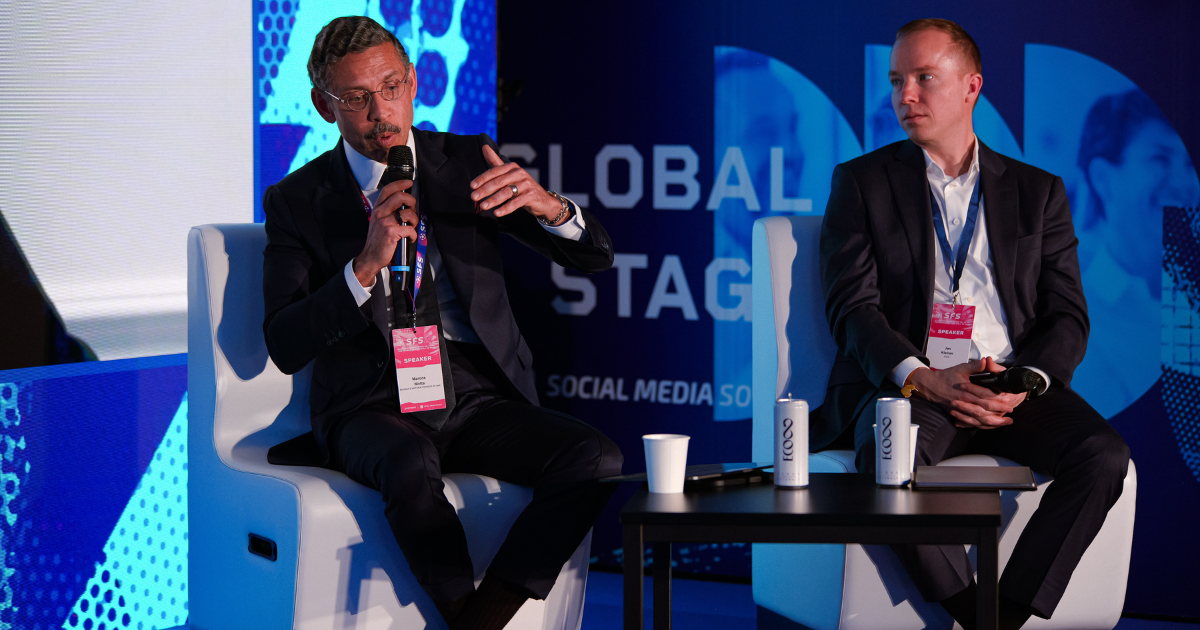
Multi-Club Ownership in Football: Rules, Risks and the Future of Investment in the Global Football Industry
On the afternoon of Day 2 on the Global Stage, a panel was held focusing on investment in football through multi-club ownership models. The session, moderated by Lucas Ferrer, Partner at Statim Legal, featured contributions from Jan Kleiner, Director of Football Regulatory, FIFA, Lina Souloukoulu, CEO of Nottingham Forest FC and Marcos Motta, Partner, Bichara e Motta Attorneys at Law). Jan Kleiner opened the discussion by outlining FIFA’s position on the growing phenomenon of multi-club ownership, in which financial groups control
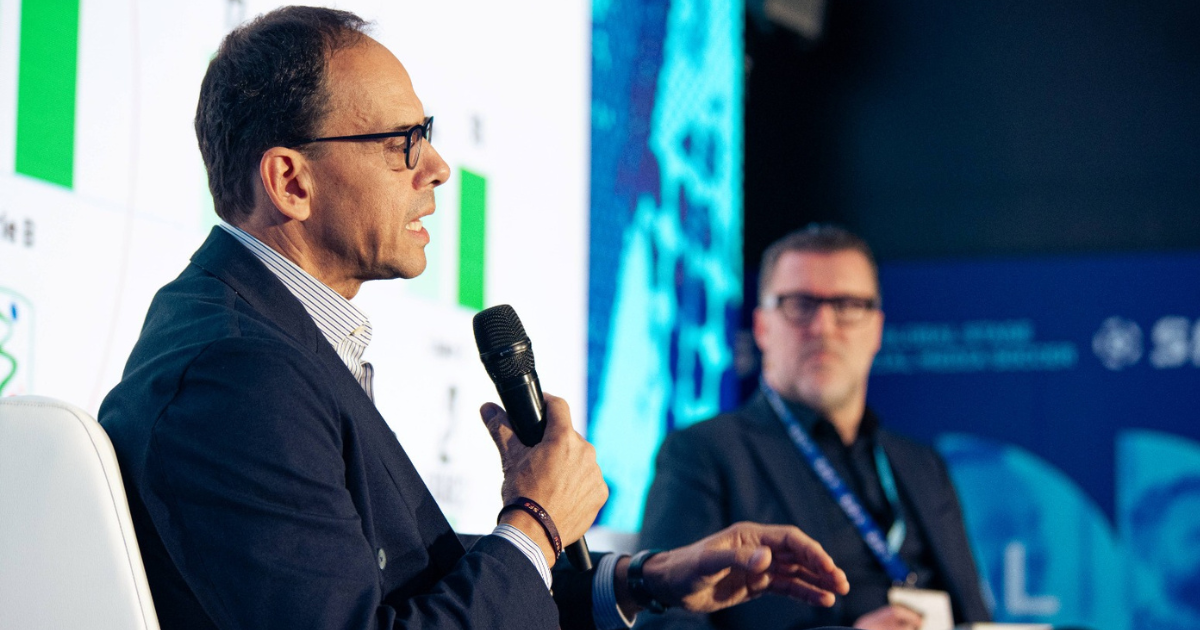
Sustainability, Talent, and Infrastructure: Serie BKT Between Financial Challenges and Product Appeal
During SFS 25, the panel dedicated to Sustainability, Talent Development, and Infrastructure unveiled the economic and structural dynamics of Serie BKT, highlighting critical issues alongside unique opportunities. The speech by Paolo Bedin, President of Lega Serie BKT, interviewed by Andrea Sartori, CEO of Football Benchmark and independent advisor to Lega B, provided a lucid overview of the need for a strategic shift for the entire football system and the Italian second division. The financial challenge: economic data Bedin opened the debate by
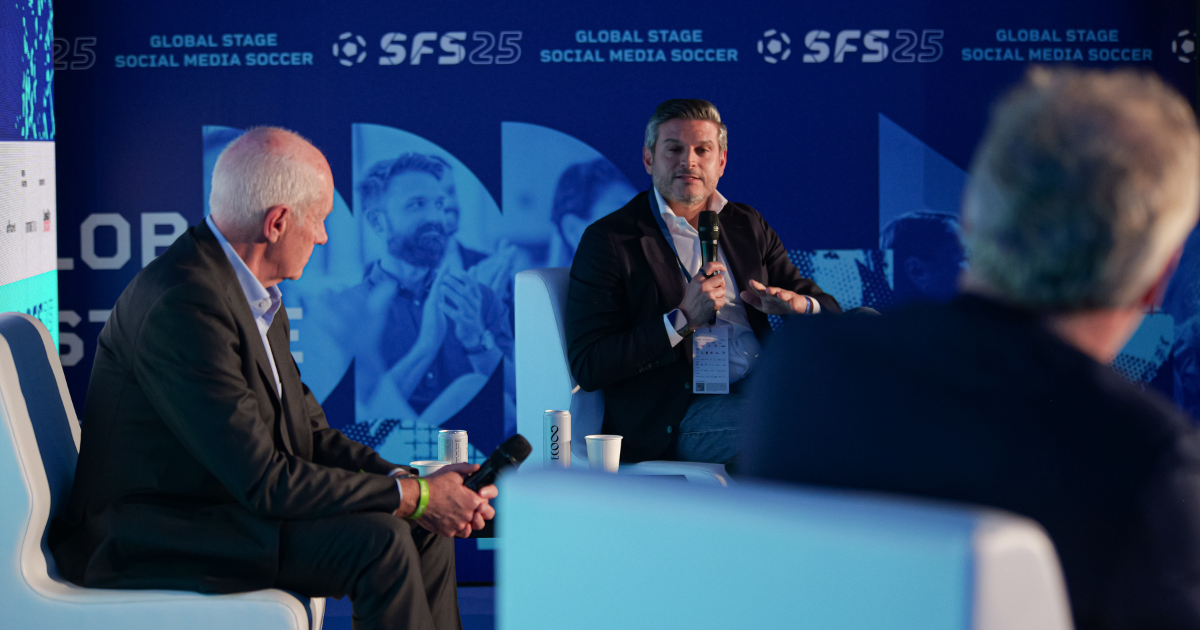
Knowing the data to know your customers
The last SFS25 meeting of the Global Stage opened a dialogue on data awareness with the help of Francesco di Biase Italy Chief Representative of PLATINIUM GROUP, Paolo Magri CEO of EICMA and Mattia Gamberoni Head of Italy and Spain at STRIPE. In the world of sports and entertainment events, truly knowing your audience means making smarter decisions, building better experiences, and generating value. The problem? Many clubs and organizations don't know their data. They don't “read” their fans and end up building
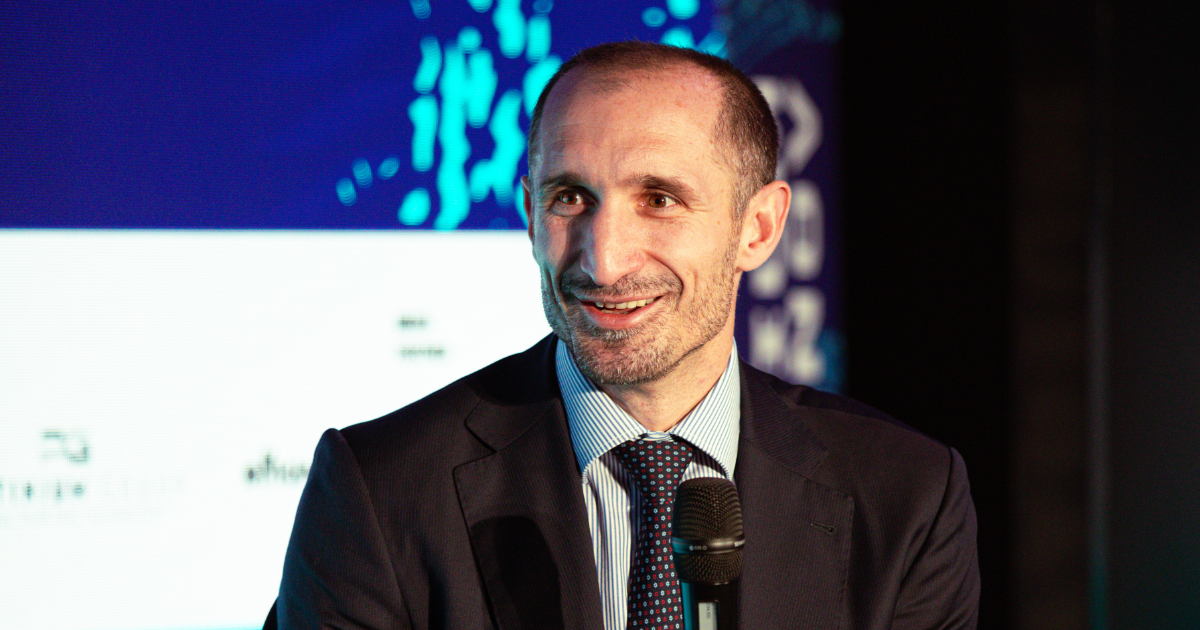
Life lesson with Giorgio Chiellini
When you are not fully aware of the direction to take, it can be useful to be guided by the words of Juventus' new Director of Football Strategy, Giorgio Chiellini, who spoke during the sixth panel of the day at the Football Stage during an interview conducted by Giulia Mizzoni. Choosing goals: this is the first step. Without a specific goal, it is difficult to know how and where to move. They are needed to turn on the light, such as
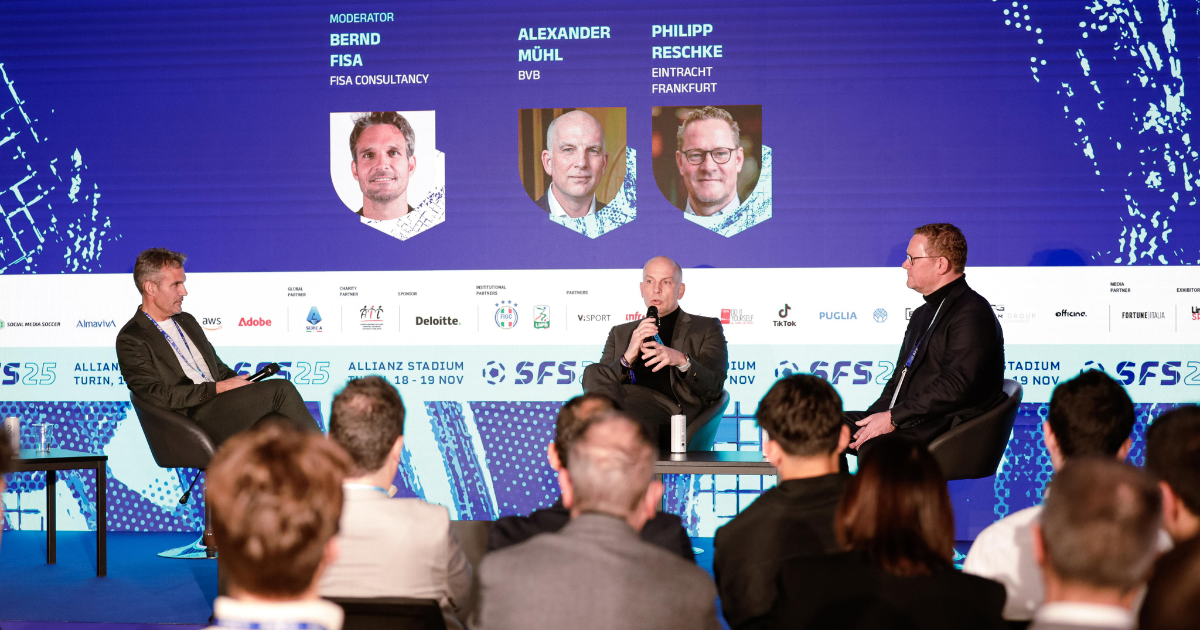
The Bundesliga Model Fills Stadiums and Fan Stories
The second panel of Day 2 Football Stage focused on the German identity, centered around the 50+1 rule, and featured Alexander Mühle, Director Marketing & Digitalisation at Borussia Dortmund, Bernd Fisa, Founder of Fisa Consultancy, and Philipp Reschke, Board Member of Eintracht Frankfurt Football AG. To understand the scale of the Bundesliga phenomenon, one only needs to look at the data: clubs like Bayern Munich surpass 300,000 registered members. Not only the German 'Panzer' (tank) boasts staggering numbers, but also Borussia
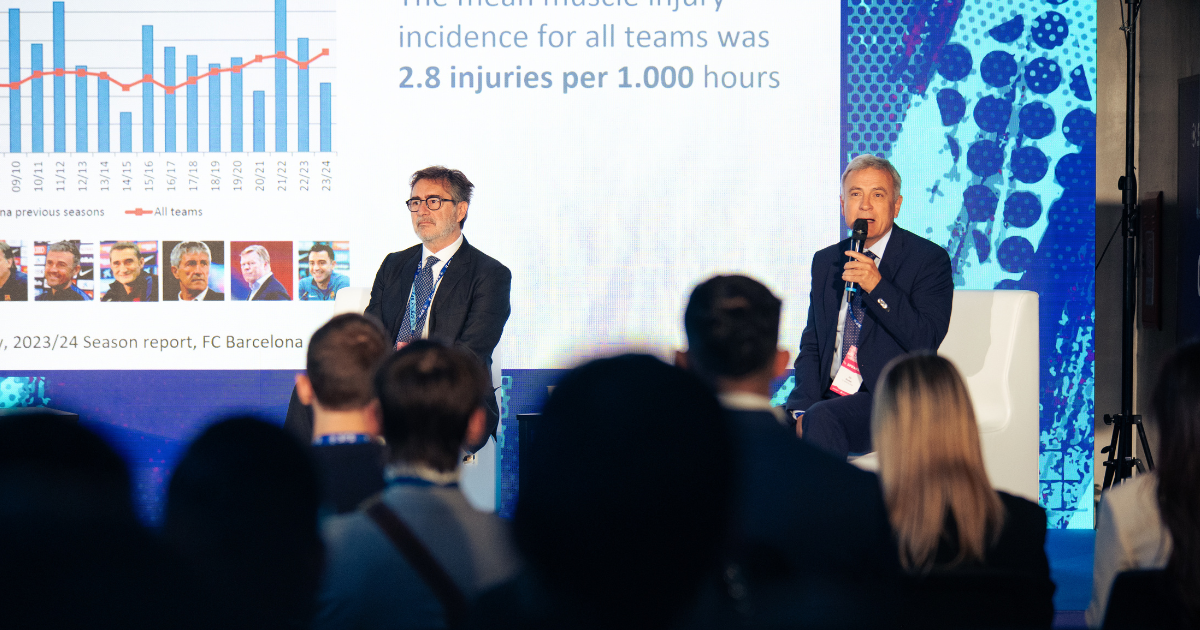
Injury Prevention in Sports: Isokinetic and FC Barcelona Share Insights at SFS 25
Sports medicine opened Day 2 on the Global Stage at SFS 25 with a high-level panel featuring Fabrizio Tencone, Sports Medicine Physician at the Isokinetic Medical Group, and Gil Rodas, MD, PhD, Head of Sport Medicine and the Medical Area at FC Barcelona, moderated by Carolina Tha. Injuries remain one of the biggest and most persistent challenges in sports. Tencone presented a long-term study carried out by Isokinetic: “Eight years ago, we expected injuries to increase significantly. Today’s data shows that

FIFA, Gai: “The upcoming World Cup? The greatest event ever organized on earth”
The SFS 25 Football Stage GoProject hosted the meeting “SFS 25 interview: A. Alciato interviews Romy Gai,” an interview conducted by Prime Video journalist Alessandro Alciato with Romy Gai, Chief Business Officer of FIFA, who began the meeting by talking about the FIFA Club World Cup and the agreement with DAZN, the sole broadcaster of the competition. The idea arose from the need to give the World Cup the visibility necessary to be recognized as an “elite” event. The aim