




SFS 25 hosted a panel focused on the relationship between the Digital Euro and the Football Economy, featuring Luca Felletti, Sales & Marketing Director at Intesa Sanpaolo, Alessandro Giovannini, Digital Euro Project Leader at the ECB, and Gianfranco Previtera, Commercial Director at Almaviva, moderated by Marco Bellinazzo from Il Sole 24 Ore.
Giovannini opened the discussion by clearly explaining what the Digital Euro is and why it represents an inevitable transformation in a world where cash usage continues to decline. “The Digital Euro is simply the digital version of the banknotes in our wallets. Today, ATMs work abroad through non-European networks; the Digital Euro will ensure digital payments across Europe using European channels, as if you were paying with cash,” he said.
Felletti emphasized that the key concept for the future is “familiarity”—the ability of digital services to be simple, intuitive, and seamlessly integrated into users’ daily lives. “We want to compete on a global level. To achieve this, we must continue investing in mobile apps and infrastructure that make citizens’ lives easier,” he explained.
A central topic of the panel was global competition. Giovannini underlined that the ECB aims to provide a unified system across the EU that delivers a common experience while adapting to local needs. Felletti provided a concrete sports-related example: “Imagine a fan realizing their dream of attending the Tennis Finals. Our goal is to create a platform and wallet that allow them to manage everything—food, merchandising, ticketing—in a single digital space.”
Almaviva, selected by the ECB, will play a key role in developing the infrastructure and mobile app for the Digital Euro. Previtera highlighted the strategic importance of data management: “Our mission is to keep European citizens’ transaction data in Europe, which is often analyzed by international players. This is a truly European project with full European sovereignty.”
Giovannini also recalled a significant example from Euro 2024: “We saw that ticket purchases largely relied on non-European payment tools. It is essential to guarantee, at a European level, the possibility to participate in sports and cultural events with European payment systems. The Digital Euro will achieve this.”
The panel concluded with a symbolic but powerful note: for the first time, Italy is leading the development of the Digital Euro alongside the ECB and Almaviva. “We don’t know if the national team will make it to the World Cup,” Bellinazzo added with a smile, “but thanks to Intesa Sanpaolo and Almaviva, Italy will definitely be there in the world of digital finance.”
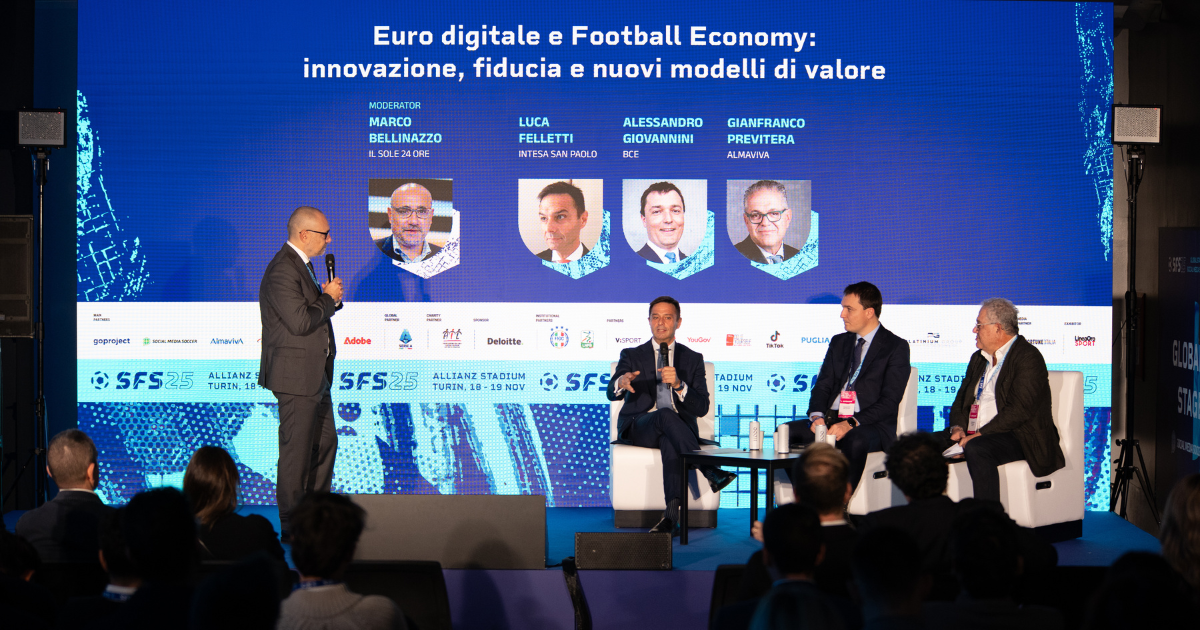
Digital Euro, Data and Fans: Italy Leads Europe’s Payment Revolution
SFS 25 hosted a panel focused on the relationship between the Digital Euro and the Football Economy, featuring Luca Felletti, Sales & Marketing Director at Intesa Sanpaolo, Alessandro Giovannini, Digital Euro Project Leader at the ECB, and Gianfranco Previtera, Commercial Director at Almaviva, moderated by Marco Bellinazzo from Il Sole 24 Ore. Giovannini opened the discussion by clearly explaining what the Digital Euro is and why it represents an inevitable transformation in a world where cash usage continues to decline. “The Digital Euro
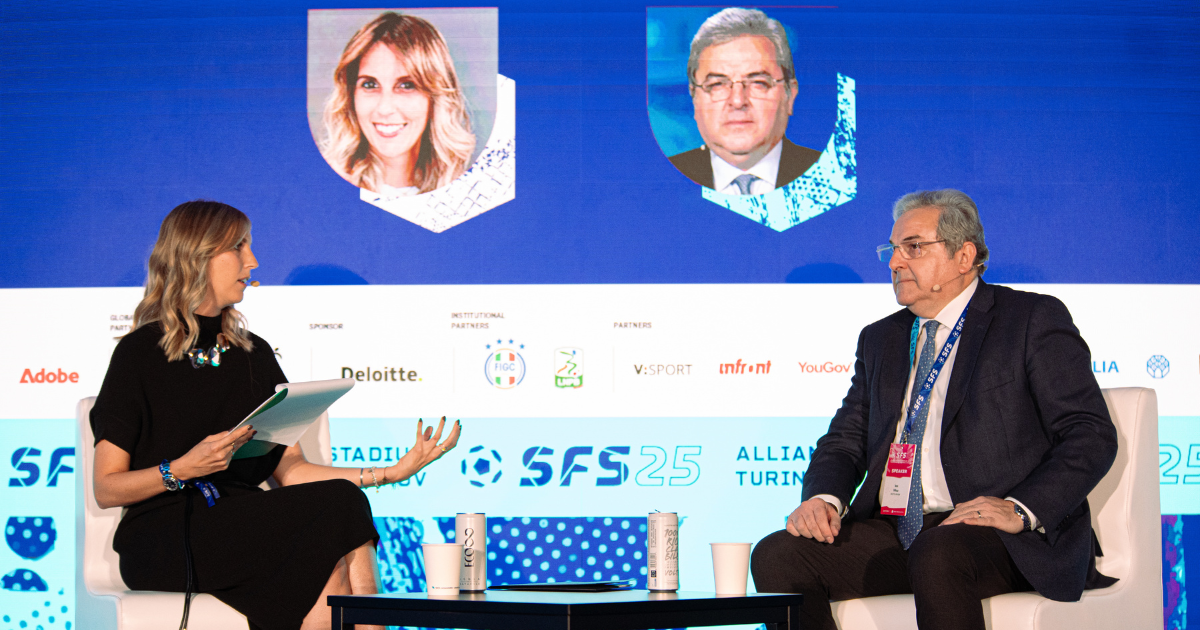
UN TOURISM AT SFS25: THE IMPORTANCE OF SPORTS TOURISM BETWEEN INNOVATION AND SUSTAINABILITY
The panel that opened the Global Stage of the eighth edition of the Social Football Summit featured Ion Vilcu, Director of the Affiliate Members and Public-Private Collaboration Department at UN Tourism, interviewed by Sports Business Growth Advisor Carolina Tha. In his opening remarks, Vilcu explained the reasons behind UN Tourism’s presence at SFS25, starting from a key figure illustrating the growth of sports tourism. “We’re talking about more than 600 million dollars, accounting for 10% of global tourism, with expected growth

Women’s Empowerment and Professionalism: The Future of Football in Italy
Moderated by Silvia Campanella (TuttoSport), an exceptional panel composed of Domenico Aurelio (Parma Women), Marta Carissimi (Genoa CFC), Nicola Verdun (Como Women), Patrizia Panico (UEFA Pro), and Betty Bavagnoli (AS Roma) discussed the sporting, political, and social impact of women's football in Italy, contextualized to the current historical moment. The path towards evolution The panelists retraced the concrete steps that have led to the current development of the movement. Betty Bavagnoli, building on her experience as a former player and coach, emphasized
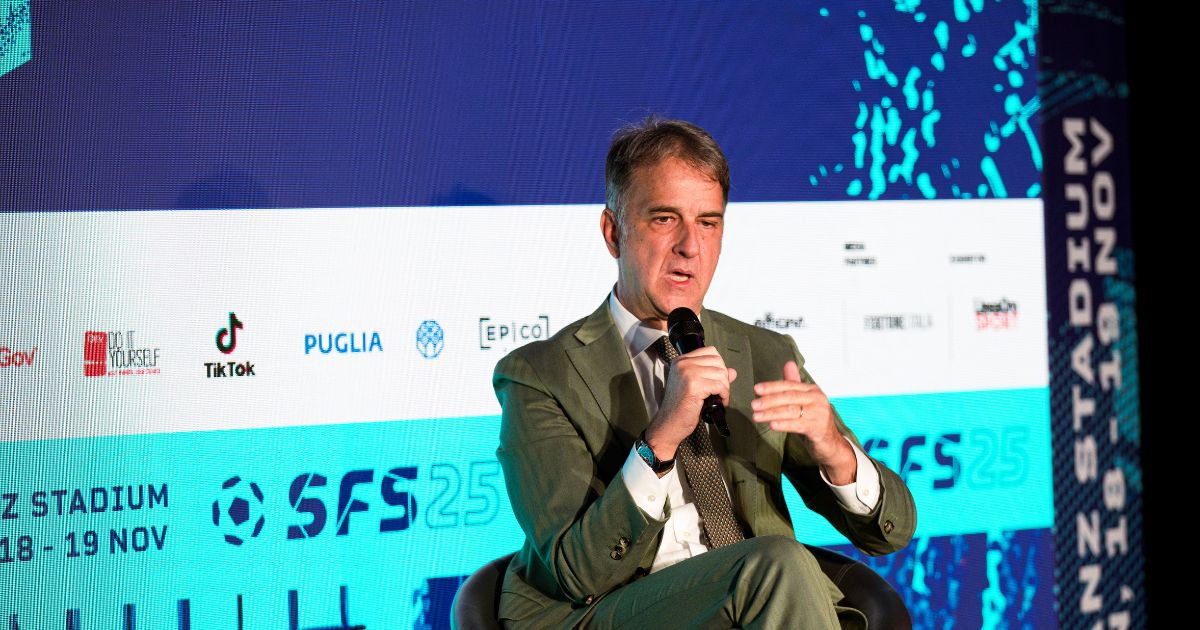
UEFA: Michele Uva Unveils the Sustainable Strategy for Euro 2032 and the Stadium Revolution in Italy
Michele Uva, the Executive Director for Social and Environmental Sustainability and UEFA delegate for Euro 2032, was the guest of honor on the Football Stage, interviewed by Elisabetta Esposito of La Gazzetta dello Sport. Uva, recently included in Time's list of the 100 most influential people in the world, outlined UEFA’s strategy concerning Corporate Social Responsibility (CSR) and its impact on European football, with a crucial focus on the stadium issue ahead of Euro 2032. A systemic effort: Investing in CSR Uva

TicketOne announces T-zOne at SFS 25: the new sports ticketing platform
As you know, the SFS is the stage where the biggest innovations meet the business and passion of sport. And speaking of innovation, we couldn't be more excited to share a key moment that took place during our event: the official launch of T-zOne, TicketOne's brand new B2B platform entirely dedicated to sports ticketing. To fully understand the vision and strategy behind this revolutionary step, we had the privilege of speaking with Andrea Grancini, CEO of TicketOne. His answers offer valuable

Valentini: “We Officially Inaugurate SFS 25 at Allianz Stadium, a Benchmark for the Entire Football Industry”
The curtain has officially risen on the eighth edition of SFS 25, the most anticipated event for the entire Football Industry. The two-day event, taking place at the Allianz Stadium on November 18 and 19, 2025, kicked off in a room packed with participants, partners, and international stakeholders. Giving the start to the proceedings, from the stage of the Football Stage, was Gianfilippo Valentini, CEO of GoProject, host, and creator of the event. His opening speech highlighted the strategic evolution of the
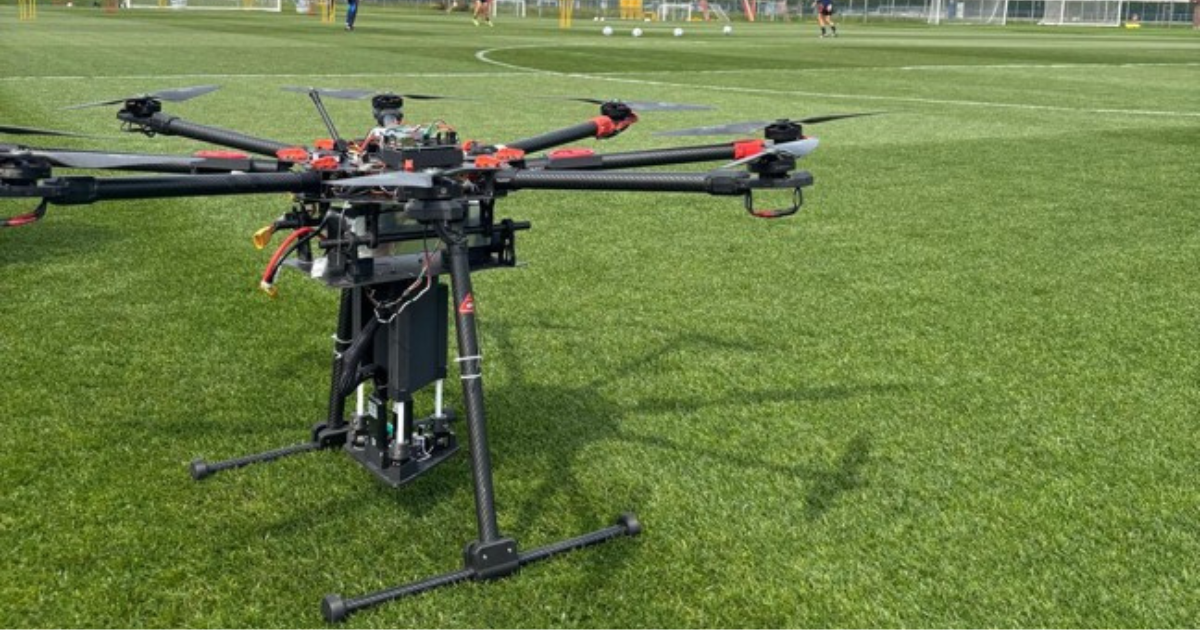
Space11: “In modern football, turning the pitch into a source of strategic data means having a real competitive advantage”
In the era of data-driven football, performance analysis is no longer limited to athletes' GPS data. The next frontier of innovation concerns the fundamental infrastructure on which all matches take place: the turf. Its quality directly influences player health, athletic performance, and the club’s economic efficiency. SFS25 is pleased to present Space11, a pioneer in deep-tech solutions that is revolutionizing the management of sports fields. To understand the scope of this innovation, we spoke with Raffaele Simonetta, CEO & Founder of Space
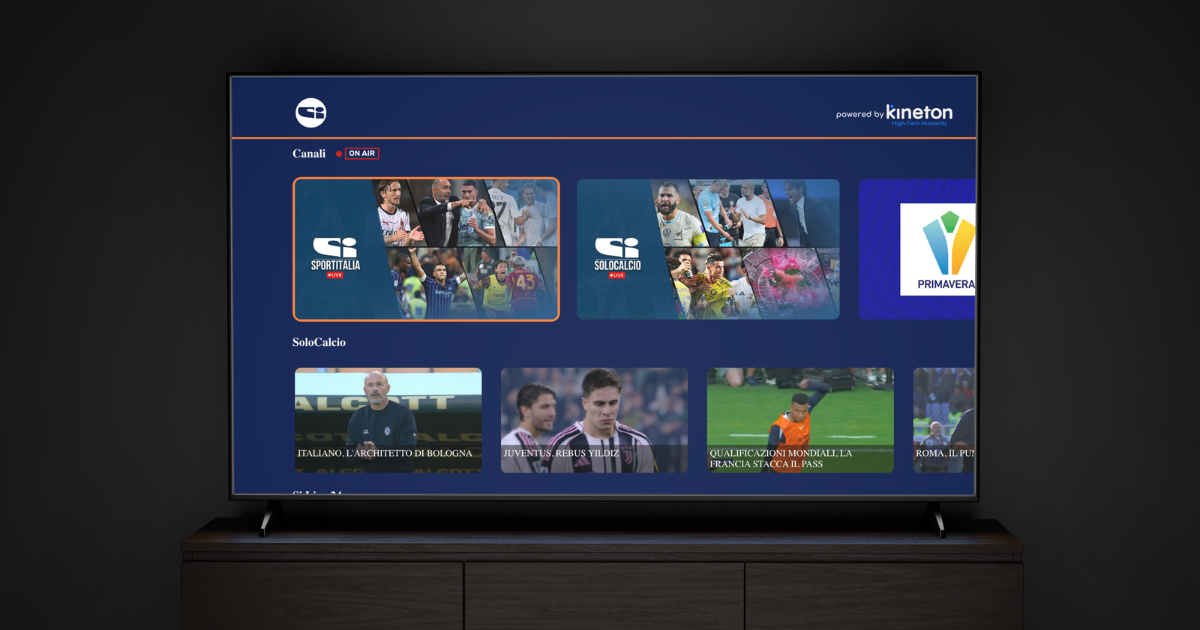
Strategy and content: a look at football’s digital future with Kineton
Football is no longer just a sport, but a complex ecosystem fueled by data, technology, and a constant quest for engagement. The real frontier of economic growth and the fan experience today lies at the intersection of Media, IT, and Telco. In view of the Social Football Summit 2025, we had the honor of delving into these dynamics with Alessandro Cavicchia, Deputy & Head of Business Development in the Media-IT-Telco Area at Kineton, a leading company that is charting the course

LGA Service: facility management and the quality of the sports experience
The efficiency of a football club is not just measured on the pitch, but also in the care of its infrastructure and the people who make it operational every day. The Social Football Summit (SFS 25) highlights the role of facility management and how human value, professionalism, and attention to detail directly impact brand quality and the customer experience. We interviewed Giulia Gencarelli, Marketing Manager at LGA Service, a historical player in the Facility Management sector, to understand how their 360-degree
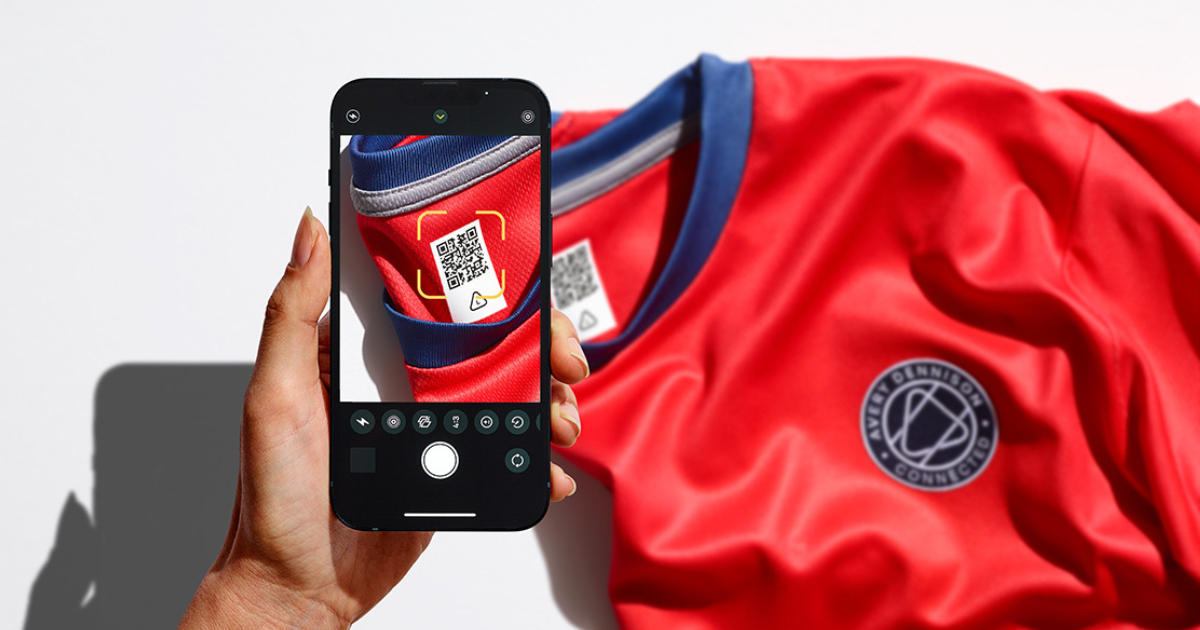
Avery Dennison on the Digital Jersey Revolution: Security, Sustainability, and Fan Connection
SFS 25 is the nexus where technological innovation meets the football industry. In an era where counterfeiting threatens revenue and sustainability is an imperative, sportswear is transforming from a mere physical product into a digital platform. In this exclusive interview with Louis Eschalier, Global Sports Marketing Specialist of Avery Dennison, a global leader in RFID solutions and materials science, we explore how the introduction of smart labels and Digital IDs is rewriting the rules of football merchandising. The jersey is