




Michele Uva, the Executive Director for Social and Environmental Sustainability and UEFA delegate for Euro 2032, was the guest of honor on the Football Stage, interviewed by Elisabetta Esposito of La Gazzetta dello Sport. Uva, recently included in Time’s list of the 100 most influential people in the world, outlined UEFA’s strategy concerning Corporate Social Responsibility (CSR) and its impact on European football, with a crucial focus on the stadium issue ahead of Euro 2032.
A systemic effort: Investing in CSR
Uva opened his speech by emphasizing the importance of a coordinated and collective approach to sustainability. “It is a systemic effort, the result of collective thinking that is significantly investing in CSR themes. The impact of stakeholders throughout the supply chain has generated interest even in Anglo-Saxon systems.”
UEFA bases its operations on five pillars of sustainability, essential for guiding actions across all continents. The operating logic is strictly top-down, ensuring that the commitment starts from the leadership. “Juventus was the first European club to have reported on the CSR theme in its annual financial statements,” Uva recalled, highlighting the pioneering role of some Italian clubs on the European stage.
The impact is visible: sustainability is not a cost, but a strategic investment. For example, the last European Championship saw the application of 125 themes in the ESG field, with 95 actions dedicated to the women’s sector. Strategy, a concrete action plan, and transparent measurement through data analysis are the cornerstones of this approach. The concept is scalable to any event, as demonstrated by the sustainability matrix developed for the Women’s U17 event in the Faroe Islands.
The Sustainability pyramid: reaching the base
UEFA operates through “anticipation,” analyzing social issues to disseminate best practices and positive messages (such as the fight against racism and inclusion). Clubs are now required to have reference figures in the CSR field. The top-down strategy has a clear objective: by 2030, UEFA wants to reach the base of the pyramid. “By 2030, we want to reach the base of the pyramid: fans, the community influenced by football, and amateur football level. Today there are 250,000 clubs in Europe in the amateur category. Imagine if all of them carried out one sustainable activity per day.” Regarding the Italian situation, Uva expressed appreciation: “The Italian Football Federation (FIGC) was among the first to adopt our strategy and contextualize it to our country-system according to UEFA guidelines, and then apply it.”
Euro 2032 and the Italian Infrastructure Issue
A crucial chapter of the discussion was dedicated to the Italian bid for Euro 2032. Italy has until next October to present suitable stadiums, among which the Allianz Stadium is included. “Infrastructure has been our ballast, but it is a cultural process to have a beautiful home that has social and sporting impact. It is the right of any citizen to experience a sustainable event.” The parameters for a new UEFA stadium are complex: of the 132 required standards, approximately 20% are related to sustainability, which must be integrated right from the design phase. The new stadiums must combine functionality, modernity, and, above all, flexibility and increased capacity. “We brought virtuous models like the stadiums in Bergamo and Udine to the European Parliament.” Uva noted a “great speed of investment in infrastructure also by funds, which want to create business but also connect with the territory and the community.”
Uva’s legacy at UEFA
In conclusion, the Executive Director touched upon the subject of his professional future at UEFA. “A manager’s cycle is always between 4 and 6 years. My journey is coming to an end in this area, and it is right to leave a certified legacy for European football.”
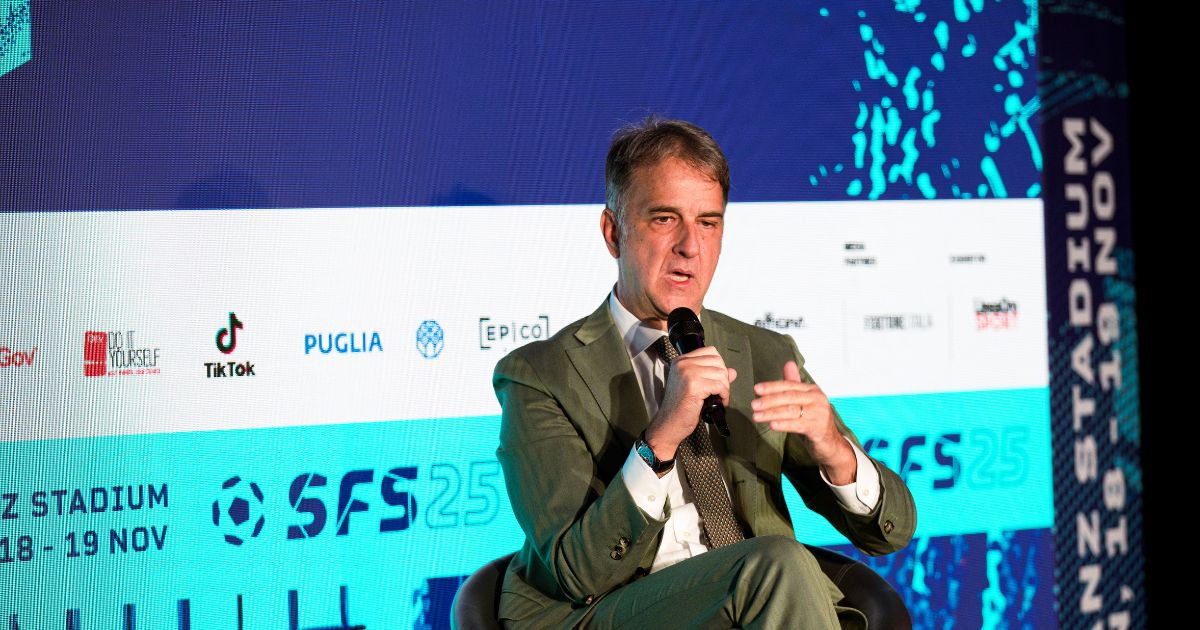
UEFA: Michele Uva Unveils the Sustainable Strategy for Euro 2032 and the Stadium Revolution in Italy
Michele Uva, the Executive Director for Social and Environmental Sustainability and UEFA delegate for Euro 2032, was the guest of honor on the Football Stage, interviewed by Elisabetta Esposito of La Gazzetta dello Sport. Uva, recently included in Time's list of the 100 most influential people in the world, outlined UEFA’s strategy concerning Corporate Social Responsibility (CSR) and its impact on European football, with a crucial focus on the stadium issue ahead of Euro 2032. A systemic effort: Investing in CSR Uva

TicketOne announces T-zOne at SFS 25: the new sports ticketing platform
As you know, the SFS is the stage where the biggest innovations meet the business and passion of sport. And speaking of innovation, we couldn't be more excited to share a key moment that took place during our event: the official launch of T-zOne, TicketOne's brand new B2B platform entirely dedicated to sports ticketing. To fully understand the vision and strategy behind this revolutionary step, we had the privilege of speaking with Andrea Grancini, CEO of TicketOne. His answers offer valuable
Valentini: “We Officially Inaugurate SFS 25 at Allianz Stadium, a Benchmark for the Entire Football Industry”
The curtain has officially risen on the eighth edition of SFS 25, the most anticipated event for the entire Football Industry. The two-day event, taking place at the Allianz Stadium on November 18 and 19, 2025, kicked off in a room packed with participants, partners, and international stakeholders. Giving the start to the proceedings, from the stage of the Football Stage, was Gianfilippo Valentini, CEO of GoProject, host, and creator of the event. His opening speech highlighted the strategic evolution of the
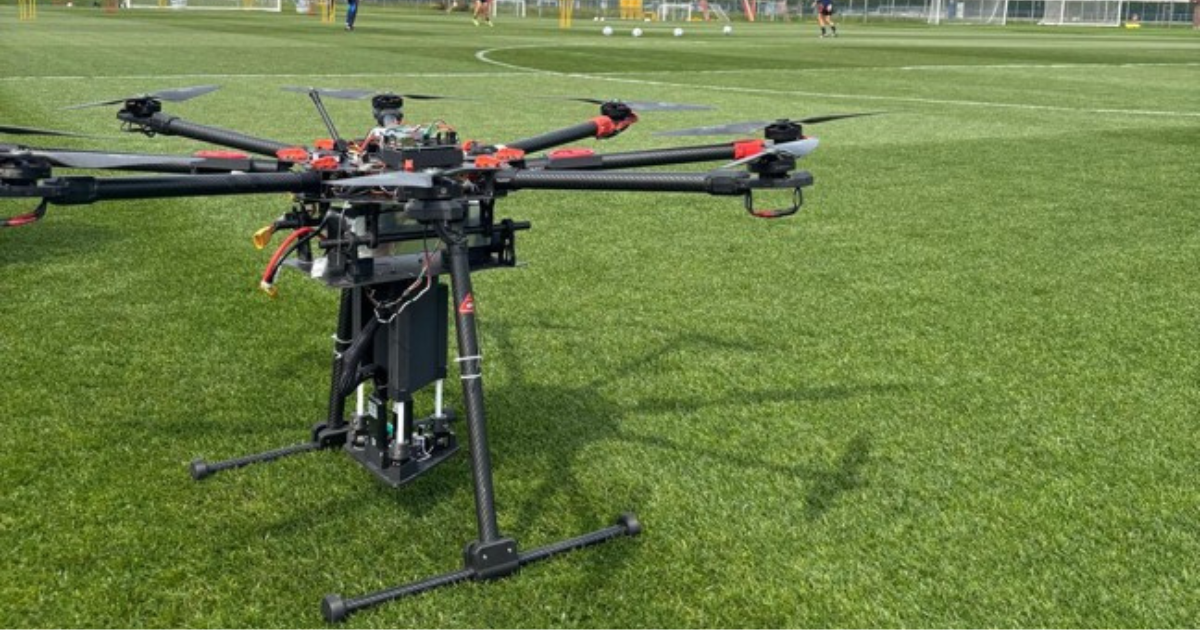
Space11: “In modern football, turning the pitch into a source of strategic data means having a real competitive advantage”
In the era of data-driven football, performance analysis is no longer limited to athletes' GPS data. The next frontier of innovation concerns the fundamental infrastructure on which all matches take place: the turf. Its quality directly influences player health, athletic performance, and the club’s economic efficiency. SFS25 is pleased to present Space11, a pioneer in deep-tech solutions that is revolutionizing the management of sports fields. To understand the scope of this innovation, we spoke with Raffaele Simonetta, CEO & Founder of Space

Strategy and content: a look at football’s digital future with Kineton
Football is no longer just a sport, but a complex ecosystem fueled by data, technology, and a constant quest for engagement. The real frontier of economic growth and the fan experience today lies at the intersection of Media, IT, and Telco. In view of the Social Football Summit 2025, we had the honor of delving into these dynamics with Alessandro Cavicchia, Deputy & Head of Business Development in the Media-IT-Telco Area at Kineton, a leading company that is charting the course

LGA Service: facility management and the quality of the sports experience
The efficiency of a football club is not just measured on the pitch, but also in the care of its infrastructure and the people who make it operational every day. The Social Football Summit (SFS 25) highlights the role of facility management and how human value, professionalism, and attention to detail directly impact brand quality and the customer experience. We interviewed Giulia Gencarelli, Marketing Manager at LGA Service, a historical player in the Facility Management sector, to understand how their 360-degree
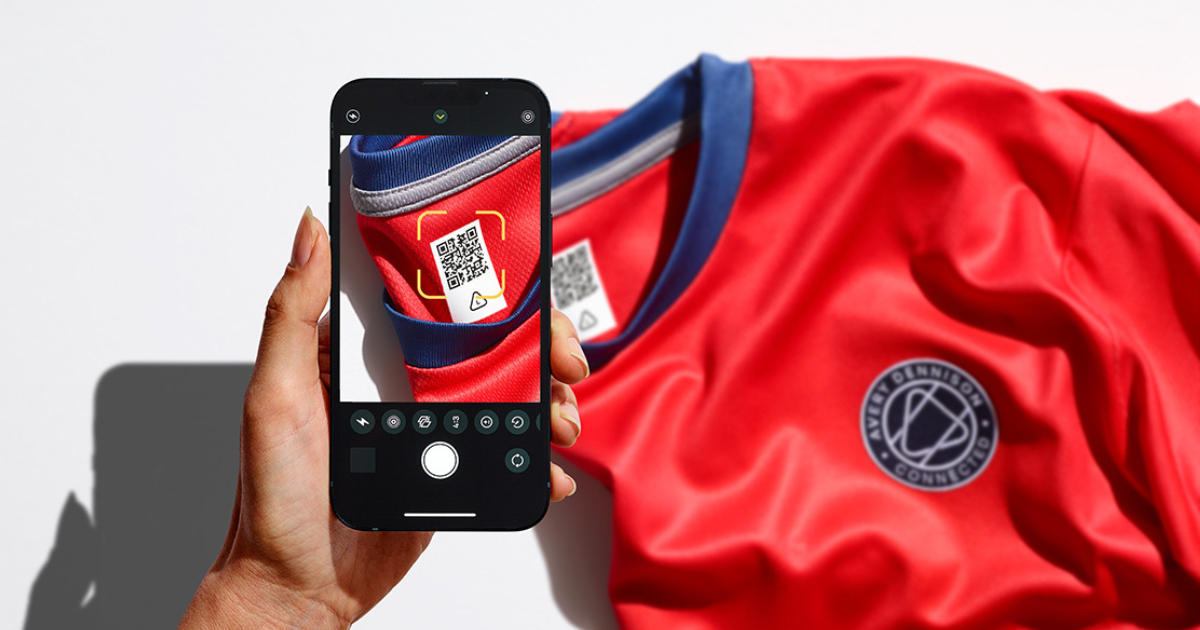
Avery Dennison on the Digital Jersey Revolution: Security, Sustainability, and Fan Connection
SFS 25 is the nexus where technological innovation meets the football industry. In an era where counterfeiting threatens revenue and sustainability is an imperative, sportswear is transforming from a mere physical product into a digital platform. In this exclusive interview with Louis Eschalier, Global Sports Marketing Specialist of Avery Dennison, a global leader in RFID solutions and materials science, we explore how the introduction of smart labels and Digital IDs is rewriting the rules of football merchandising. The jersey is
The rise of women’s football executives: Inside the WSL’s evolving leadership structures
Article written by Football Benchmark Growing professionalisation in women’s football is increasingly visible off the pitch, as clubs establish dedicated leadership structures to support the game’s long-term development. Among Europe’s leading leagues, England’s WSL has become a clear example of how this transformation is taking shape. Most clubs now feature dedicated leadership roles for their women’s sides, with Managing Directors and CEOs responsible for overall structures. Chelsea appointed its first Women’s Football CEO in 2024, Brighton in 2023, while others have formalised
SFS25: Chiellini, Tare, Mancini, Gai, Uva, Buonfiglio and De Siervo among the key speakers shaping the future of football through AI, infrastructure and sustainability
On 18–19 November, the Allianz Stadium in Turin will host the eighth edition of the Social Football Summit, bringing together top executives, clubs and institutions to discuss Football Economy, AI, infrastructure and new value models. Turin, 13 November 2025 – The countdown is on for the eighth edition of the Social Football Summit (SFS25), Italy’s only internationally recognised event dedicated to the football industry, which for the first time will take place in Turin, inside the iconic Allianz Stadium, on 18 and 19 November. The 2025 edition

Stefano Maneri, ESGeo: “Italian Football is chasing, but sustainability can be the lever that wins the championship!”
In view of SFS 25, we interviewed Stefano Maneri, Senior ESG Advisor at ESGEO (Avvale Group), a key player in sustainability consulting and digital governance. In this exclusive interview, Maneri clarifies how the ESG approach must move beyond the logic of a mere “constraint” to become a driver of business and innovation for sports clubs. He analyzes the challenges facing Italian football, the regulatory and cultural gap compared to leagues like the Premier League, and the strategic importance of having