




The future of the Football Industry is based on the ability to anticipate change, integrating technological solutions with creative visions capable of making its mark in a complex world like football.
In this ever-evolving landscape, GoProject is among the leading players, and the SFS team is proud to announce it as its main partner. Digital company and innovative SME, the company responds to the most complex challenges by combining technologicalexpertise in software development and strategic and creative – expertise in the various communication and marketing projects in which it is involved.
The common goal now is to guide football industry clubs, brands, and institutions toward digitalization that is both technologically sound and communicatively effective. At SFS 26, we’ll explore how integrating advanced proprietary software and customized marketing strategies can speed up the modernization of corporate and production processes, improving not only operational efficiency but also the value of the experience for fans and stakeholders involved.
SFS 26 and GoProject announce main partnership
The future of the Football Industry is based on the ability to anticipate change, integrating technological solutions with creative visions capable of making its mark in a complex world like football. In this ever-evolving landscape, GoProject is among the leading players, and the SFS team is proud to announce it as its main partner. Digital company and innovative SME, the company responds to the most complex challenges by combining technologicalexpertise in software development and strategic and creative - expertise in
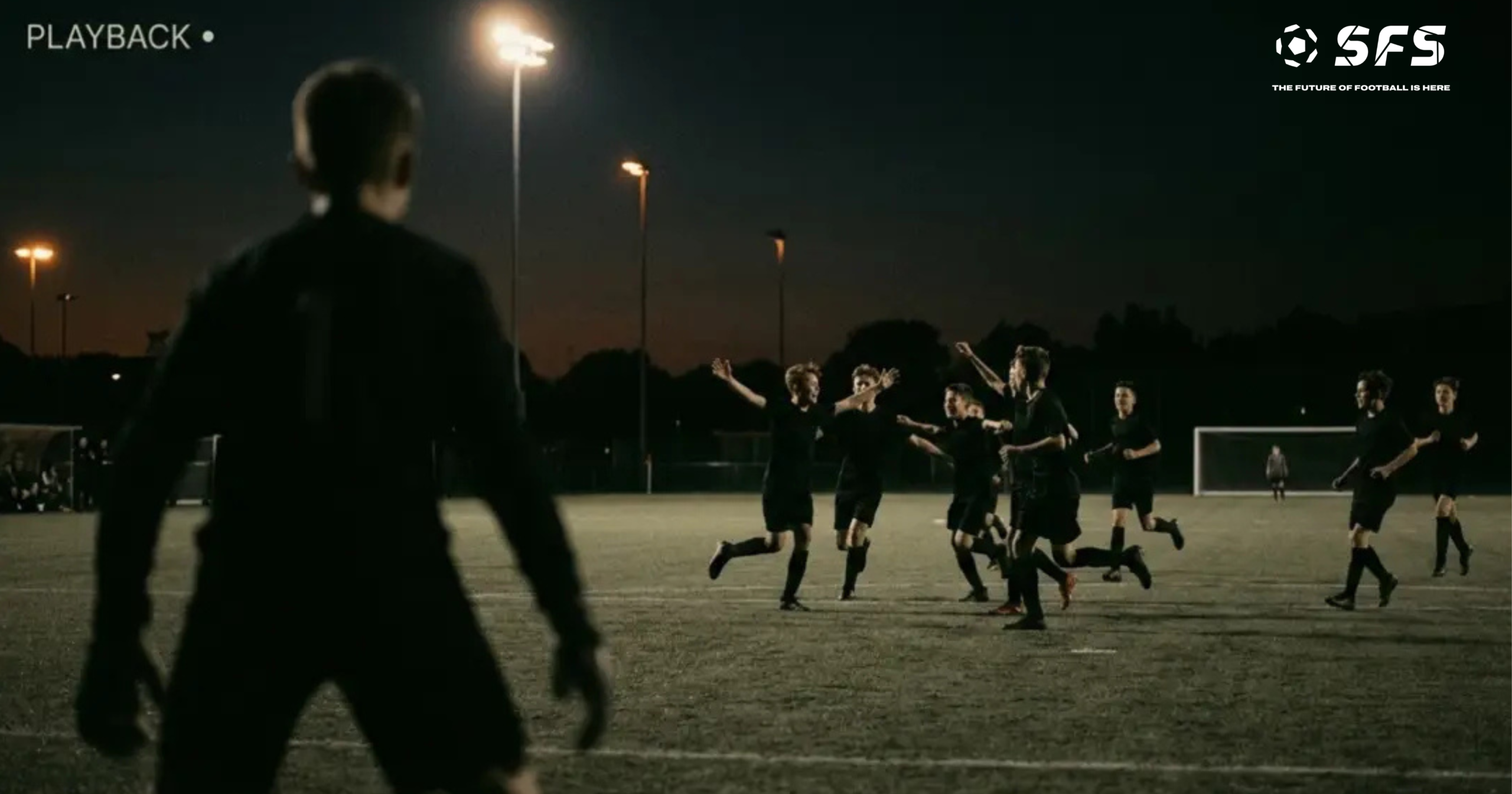
PLAYBACK: from aggregator to universally recognized operating system
From a solution aggregator to a true operating system for sports: this has been the rapid and accelerated evolution that has allowed PLAYBACK to establish and assert itself on a global scale, strategically strengthening its partnerships and international network. The value and scope of this innovation have been widely certified by the start-up's recent global successes. Following its significant participation in SFS ExtraTime 2025, its victories at the 2025 UK StartUp Awards and the PSG Labs Micro Lab Pitch Competition at

“Pick-and-Drop” sustainability: how the New UEFA Manual changes the rules of Sport Business
Sustainability has ceased to be a balance-sheet cost incurred solely for public relations purposes, transforming instead into an essential strategic lever to guarantee the sector's long-term economic, financial, and social longevity Sustainability in football has officially moved past the greenwashing phase and entered the realm of pure corporate strategy. With the sport business industry increasingly driven by highly stringent ESG criteria, UEFA and European Leagues have launched a tool designed to redefine event management for a movement that counts over 90
SFS 26: Be part of the game – Apply to volunteer now!
Building on the extraordinary success and high participation of past editions, SFS 26 officially launches its volunteer recruitment campaign The countdown has begun. On November 10 and 11, 2026, the prestigious setting of the Allianz Arena in Turin will host the ninth edition of the Social Football Summit (SFS), the leading international event dedicated to business, sustainability, marketing, and innovation in the football industry. For two days, Turin will become the capital of football business, hosting prestigious clubs, institutions, top managers, and

Sporthype: Neuroscience at the service of mental well-being and performance
The countdown to the Social Football Summit 2026 has officially begun, and with it, anticipation is building for the SFS ExtraTime startup competition. Before diving into the novelties of the upcoming edition, it is only natural to look back and assess the legacy left by the protagonists of the previous year. While coming from different backgrounds and markets, last year's finalists proved to be united by a very clear common thread: the determination to rewrite the rules of the game
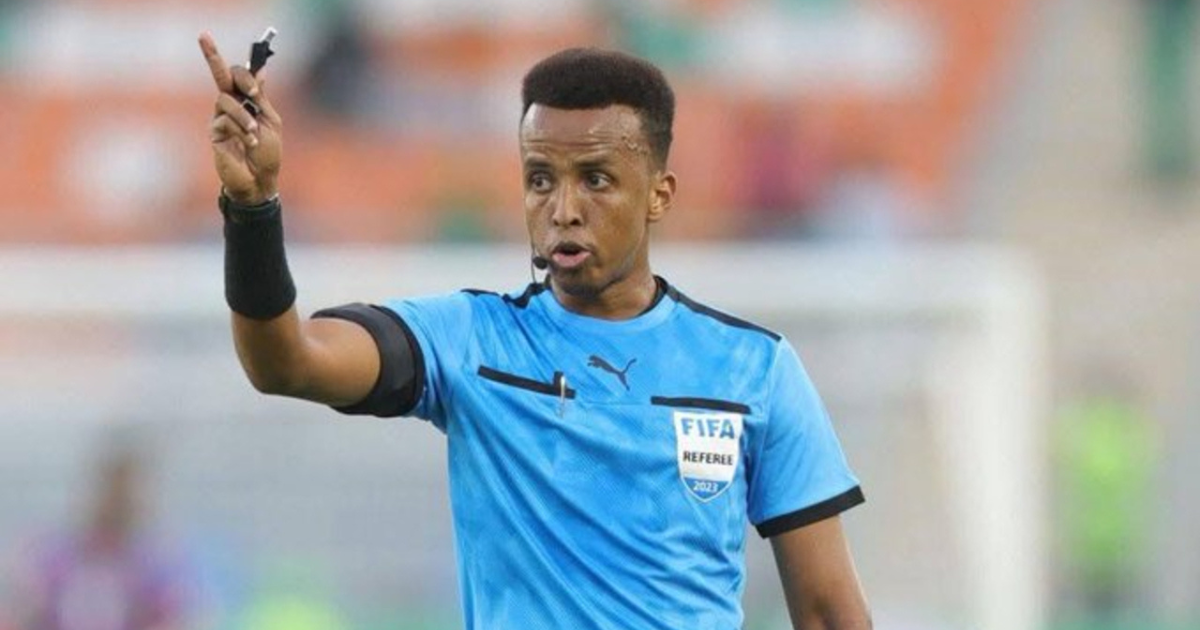
A Visa does not guarantee an entry to the United States: what the somali referee case teaches about U.S. immigration
By Giulia Pezzano, Senior Immigration Analyst, Arce Immigration Law (Miami) The 2026 FIFA World Cup has already delivered an important immigration lesson before many fans have even packed their bags: a U.S. visa does not guarantee entry into the United States. Somali referee Omar Abdulkadir Artan, selected to serve as a match official at the tournament, was reportedly denied entry at Miami International Airport despite holding a valid U.S. visa. According to public reporting, U.S. Customs and Border Protection (CBP) found him

From stadium to smartphone: how PluggableAi is turning fans into data (and ROI)
Looking ahead to SFS26 and the launch of the new edition of the SFS Extra Time startup competition, the spotlight inevitably turns back to the finalists that lit up SFS25. These are companies characterized by diverse ideas, backgrounds, and perspectives, yet deeply united by a shared goal: the drive to grow, scale the market, and innovate the football industry from its very foundations. A year after the last edition, each startup has successfully consolidated its market positioning or enhanced its product

INSIDE SUSTAINABLE LEAGUES
“Inside Sustainable Leagues” is an editorial series exploring how some of the world’s leading football leagues are structuring sustainability through different models, initiatives and tools. This second chapter focuses on foundations After looking at how leagues are embedding sustainability at governance level, this second article focuses on the operational structures through which these themes are activated, coordinated and developed over time. Alongside the creation of strategies and shared frameworks, many leagues have chosen to structure their social commitment through dedicated foundations. With

With AI and the FIFA-Lenovo partnership, World Cup 2026 steps into the future: all the hi-tech innovations unveiled
From 3D player models to 500Hz smart connected balls. In less than two weeks, the tournament set to revolutionize the Football Industry kicks off The countdown is almost over. In less than two weeks, on June 11, the most futuristic and technologically advanced World Cup in history will kick off across Canada, the United States, and Mexico. FIFA has officially opened the doors to the third millennium of global football, introducing a suite of innovations designed to redefine not only on-pitch

The economics of the Champions League (through a different lens)
An overview of revenues and UEFA prize money for participating clubs – and some reflections Jacopo Carmassi – Numeri in Palla Column, Social Media Soccer / Social Football Summit, June 3, 2026 English version prepared by editorial team The Champions League final took place last Saturday, so in this new edition of Numeri in Palla, I couldn't miss the opportunity to focus on Europe's premier competition. However, I won't be talking about penalty shootouts, even though I am tempted to mention Marquinhos' beautiful