




As we approach SFS25, the Social Football Summit continues to strengthen strategic collaborations with the main players in the world of football and sports business. Among them, Infront Italy stands out as a key partner in innovation, technology, and sports rights management.
In this interview, we spoke with Alessandro Giacomini, Managing Director of Infront Italy since 2019, to understand how the evolution of media, changing fan habits, and digital opportunities are transforming football, and how the partnership with SFS contributes to delivering innovative content, experiences, and strategies to clubs, leagues, and commercial partners.
What, in your opinion, are the priorities for those operating in the sector?
“Football is undergoing a profound transformation. Fans no longer want to simply watch a match—they want to live an immersive, continuous experience. This requires new languages, new platforms, and constant listening. The priority for clubs, leagues, and commercial partners is to understand these needs and build authentic relationships that last over time”.
Infront has always been a benchmark for the evolution of the sports market. What is your role in this transformation today?
“We guide our partners through a journey of innovation that combines technology, content, and commercial strategy. We provide expertise and solutions to maximize rights, improve fan experience, and create new sustainable business models. Our goal is to generate shared value with a long-term vision that balances economic growth and the quality of the sports experience”.
How important is the digital dimension in the relationship between clubs and fans?
“It has become central. Digital enables a direct and constant dialogue with the audience, opening the way to personalized content and real interactions. It is also a significant development opportunity for the entire ecosystem: it allows clubs to expand their fan base, engage new generations, and experiment with new storytelling formats”.
Artificial intelligence is revolutionizing many sectors. Which applications do you see as most promising for football?
“AI can contribute in several areas: from content production and distribution to fan data management, and even sponsorship optimization. It enables more relevant experiences and supports strategic decisions based on concrete insights. However, it is essential that this innovation remains at the service of people and the values of sport”.
What is Infront’s vision for the future of football and the sports industry?
“The future can be summed up in three key words: innovation, collaboration and sustainability. Innovate to make football increasingly competitive and inclusive; collaborate to create synergies across the entire value chain; and operate sustainably, with growth that respects people and territories. Infront will continue to be a reliable partner for those who want to build the future of sport with passion and vision”.
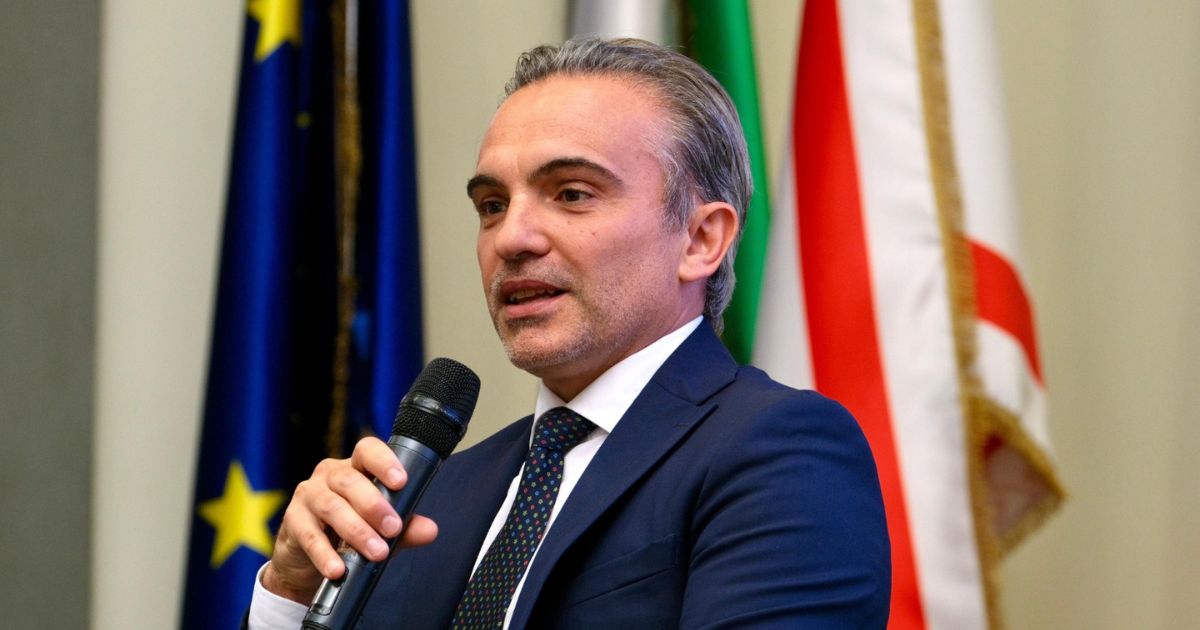
Road to SFS 25: Innovation and the Future of Football with Alessandro Giacomini of Infront Italy
As we approach SFS25, the Social Football Summit continues to strengthen strategic collaborations with the main players in the world of football and sports business. Among them, Infront Italy stands out as a key partner in innovation, technology, and sports rights management. In this interview, we spoke with Alessandro Giacomini, Managing Director of Infront Italy since 2019, to understand how the evolution of media, changing fan habits, and digital opportunities are transforming football, and how the partnership with SFS contributes to delivering
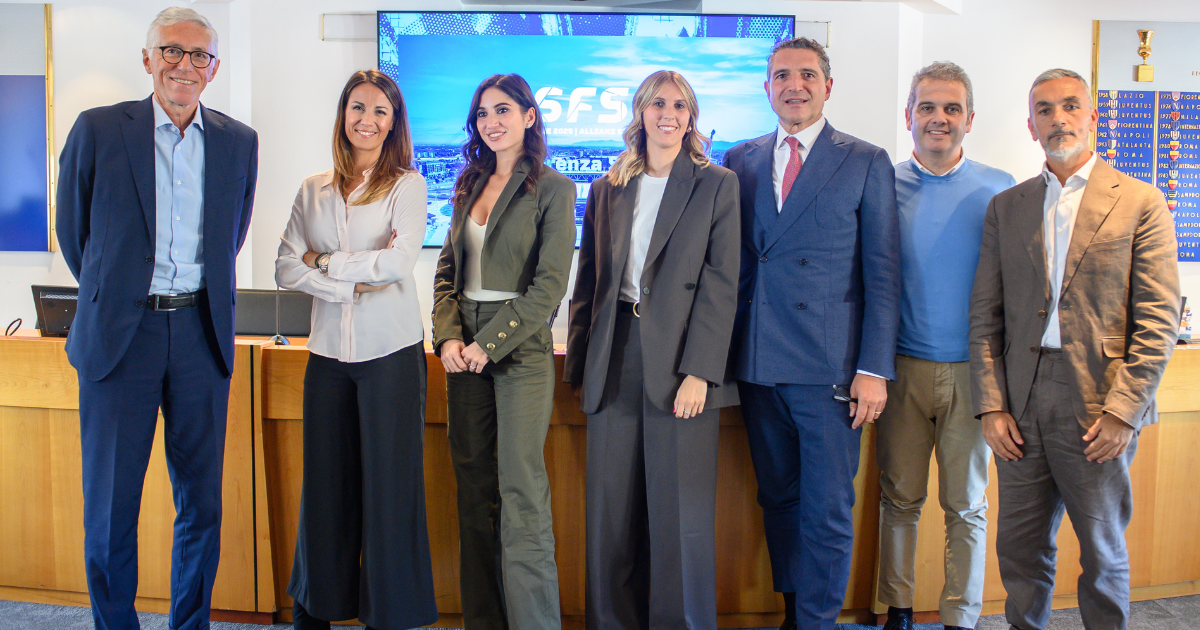
SFS – Social Football Summit brings the football industry to the Allianz Stadium in Turin
Among the top speakers: Romy Gai (FIFA), Michele Uva (UEFA), Luigi De Siervo (Lega Serie A), Jes Buster Madsen (Saudi Pro League), Luciano Buonfiglio (CONI), Claudio Fenucci (Bologna), Giorgio Chiellini (Juventus), Roberto Mancini, Alexander Mühl (Borussia Dortmund), Rocio Torres (Atletico Madrid), Emily Defroand (West Ham) Today, in Milan, at the Assembly Hall of Lega Calcio Serie A, the press conference to present the eighth edition of SFS – Social Football Summit, the only Italian event of international relevance dedicated to the
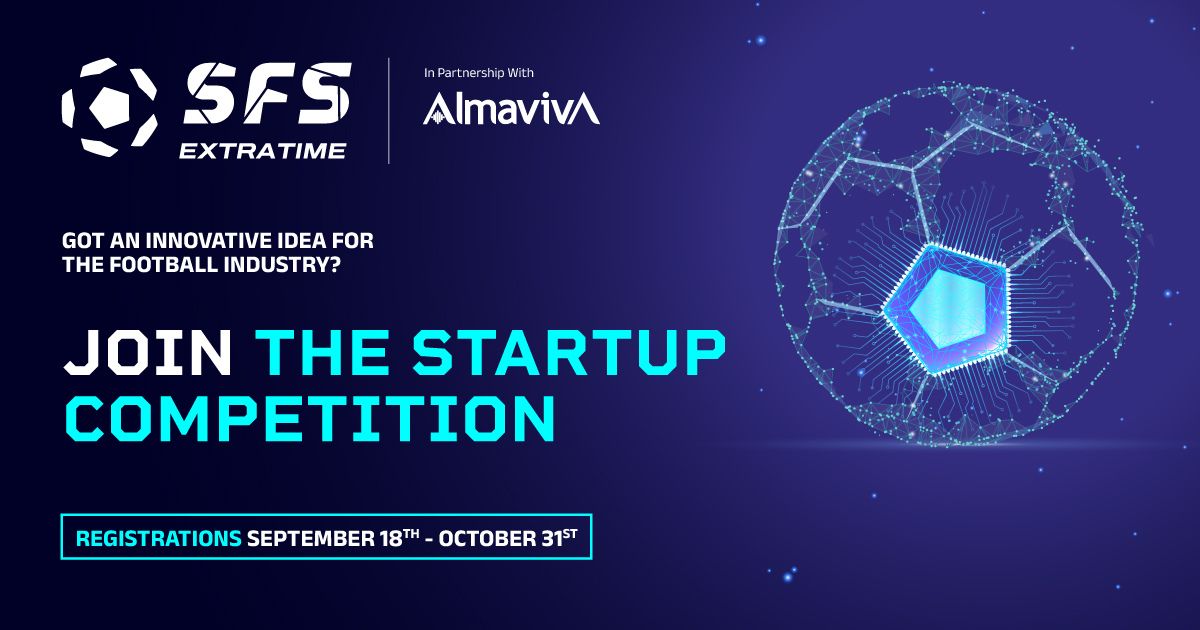
SFS EXTRA TIME 2025 kicks off: soccer innovation startup competition
In partnership with Almaviva - final stage on Nov. 18, 2025, Allianz Stadium, Turin, Italy Social Football Summit officially launches SFS EXTRATIME 2025, the startup competition dedicated to innovation in the soccer and sports industry, created in partnership with Almaviva, an Italian leader in digital transformation. The challenge, now in its new edition, will be held as part of the8th edition of SFS - Social Football Summit, scheduled for Nov. 18 and 19, 2025 at the Allianz Stadium in Turin, offering startups

SENSATIONNELLES 2025: Intermarché in support of women’s soccer and inclusion
Launched in 2022 as part of the partnership between Intermarché and the French Football Federation (FFF), the SENSATIONNELLES by Intermarché program continues to promote women's soccer in amateur clubs, contributing to the personal growth of young people and strengthening ties with local territories and sports realities. Since its inception, the project has received 777 applications and awarded nine clubs for their initiatives aimed at social inclusion, accessibility, disability support, health and personal development. On the occasion of International Women's Day,
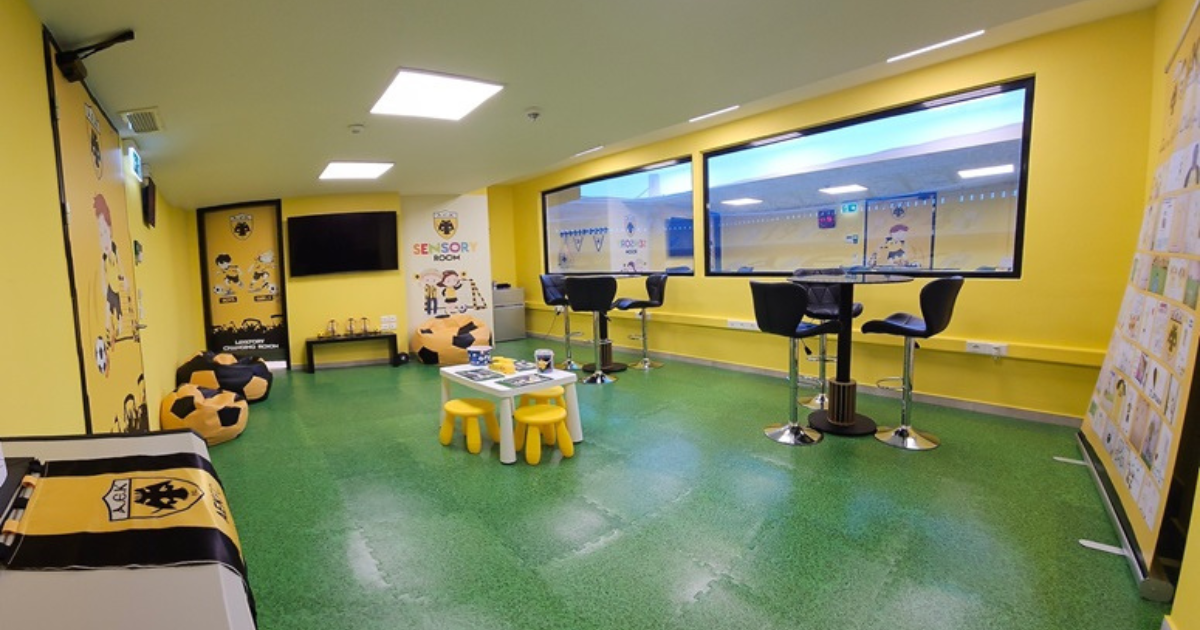
AEK Athens FC: Football and Social Action for a Sustainable Future
Guided by its history and roots, AEK Athens FC has developed a social action plan that harnesses the unique power of football to raise awareness about major societal challenges and issues. With consistency and dedication, the Club organizes a range of initiatives designed to make a difference. AEK Athens FC has launched activities in several key areas: fighting racism and all forms of discrimination, promoting diversity, equality, and inclusion with full respect for human rights. Health and education, aiming to
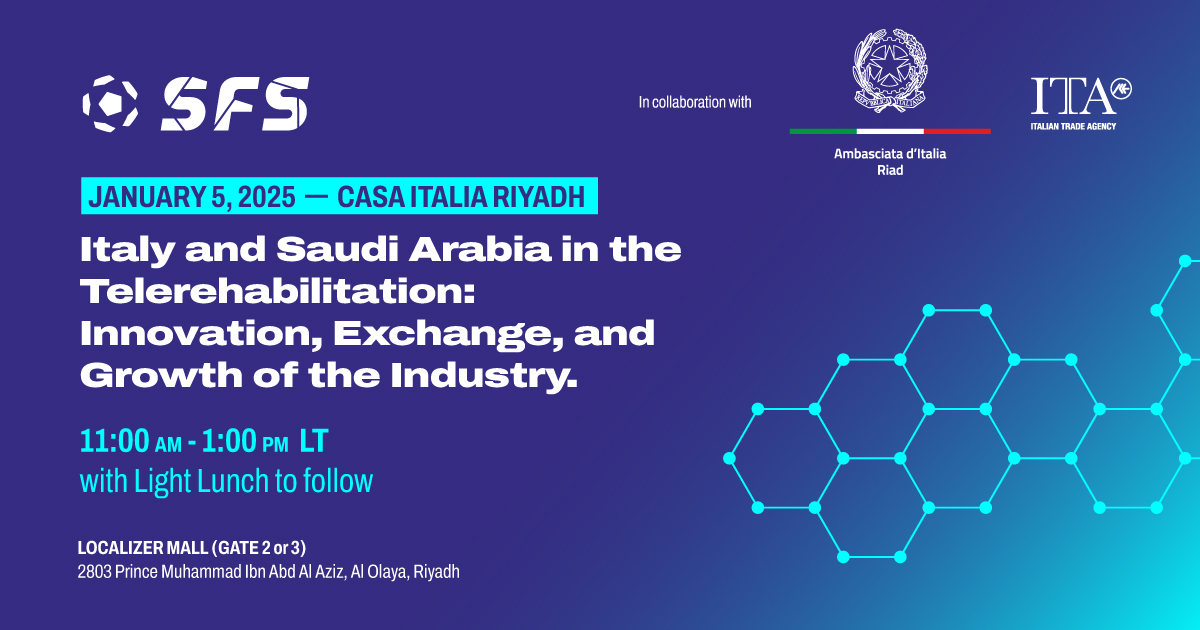
Italy and Saudi Arabia in Telerehabilitation: Innovation, Exchange, and Industry Growth
The role of digital innovation in healthcare is rapidly growing, and on January 5, 2025, Riyadh will host a pivotal event dedicated to the future of telerehabilitation. Organized by SFS in collaboration with ICE – Italian Trade Agency and the Embassy of Italy in Riyadh, the event will take place at Casa Italia Riyadh (Localizer Mall, Al Olaya), hosted by Almaviva. It represents a unique opportunity to explore innovative ideas and collaborations between Italy and Saudi Arabia in the field of

Physical health: safeguarding football players
The world of professional football has reached unprecedented levels of intensity and competitiveness. However, with the increased pressure on performance, the physical health of footballers has become a crucial issue to be addressed. At SFS24, we propose to explore innovative strategies and established practices to protect the physical well-being of athletes, addressing the challenges and opportunities related to their health. One of the primary objectives of our meeting is to promote a culture of prevention. Injuries represent one of the biggest

The Future of Sports Tourism at SFS24
The Social Football Summit, now in its seventh edition at the Stadio Olimpico in Rome on November 19-20, 2024, promises to be an unmissable event for sports, marketing, and tourism enthusiasts. This year, one of the key topics will focus on tourism. In an era where the connection between sports and tourism is increasingly evident, this panel will provide an in-depth overview of the opportunities and challenges facing the sector. Events such as the World Cup, the Olympics, and European cup

Community Development, Local Causes and Interaction: The Premier League Experience at SFS24
Nel contesto del SFS24, uno dei temi più centrali sarà il panel dedicato a "Community Development, Local Causes and Interaction: l’approccio della Premier League", che offrirà uno sguardo approfondito sul modo in cui il calcio può essere uno straordinario motore di cambiamento sociale. Il calcio è molto più che un semplice sport: rappresenta un potente veicolo per l’inclusione, lo sviluppo delle comunità e il supporto a cause locali. Questo tema verrà trattato da esperti del settore e protagonisti della Premier League,
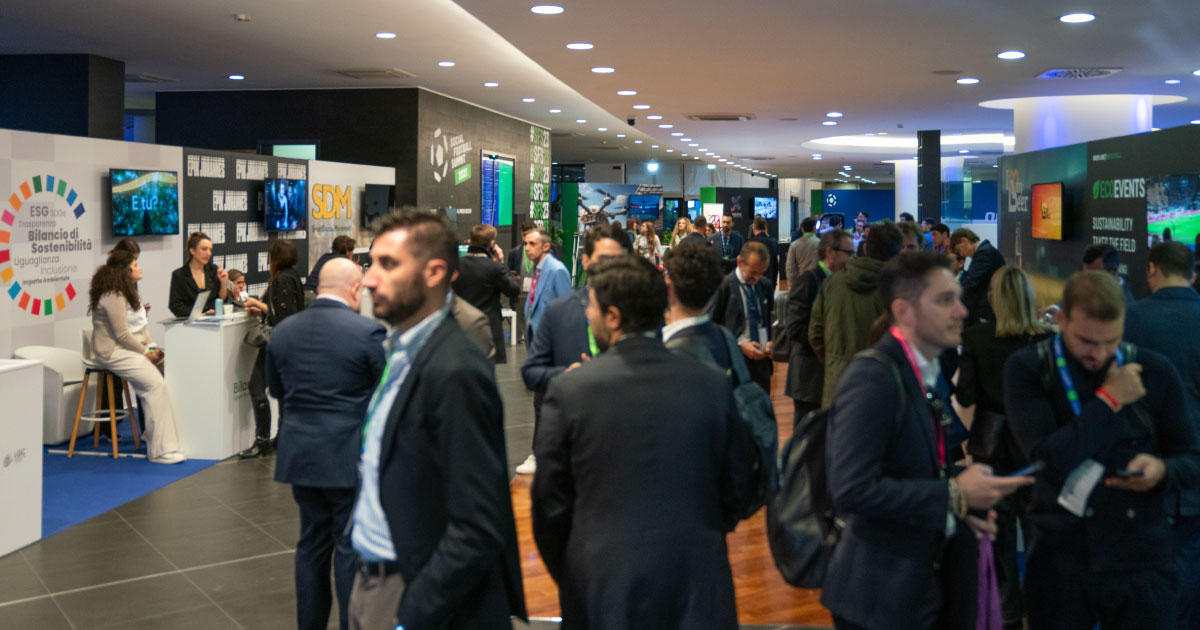
Football and Business: The New Frontier for Corporate Networking and Branding
In recent years, the business-to-business (B2B) events sector has decisively shifted towards the world of sports, with a special emphasis on football. This sport, with its large following and deep emotional connection, represents a unique opportunity for networking and corporate marketing. It is no coincidence that the number of B2B events linked to football is on the rise, as companies realize the enormous potential for building relationships, increasing visibility, and generating value. Football as a Networking Platform Football has the unique ability