




The Global Stage Social Media Soccer hosted the meeting “Football and Antitrust: The impact of recent EU Court of Justice cases on current issues.” The protagonists were Saverio Valentino (Member of the Board AGCM) and Salvatore Lamarca (Antitrust Lawyer and Author of the book “Sport and European Law”), moderated by Francesca Buttara (Founder DOWELL). We are facing a profound transition, a new era following the rulings of the European Court that place football within the market, a sector that must comply with principles of competition, transparency, and proportionality. How are these rulings changing the vision of football ? This is the question at the heart of the discussion.
At the heart of the issues addressed was a recognized change in the conception of sport. Lawyer Salvatore Lamarca commented on this: “Sport has not always been viewed in economic terms. In common parlance, sport is seen as separate from economics, but this is not the case. Football is a real industry. Technological developments in television have made the sports sector attractive from the point of view of the television rights market, first nationally and then internationally. As a result, there has been an increase in interest and controversy surrounding issues that all have an economic basis.”
On this subject, lawyer Saverio Valentino gave his interpretation, from the perspective of the competition and market authority: “FIFA and UEFA are regulators, and the Court of Justice recognizes that they can continue to be so. But, as we saw with the ‘Super League case’, since the regulators are also organizers, a conflict of interest may arise. Therefore, in this sense, these regulators can organize their competitions but must establish rules so that other players can organize competitions that may compete with theirs. Thus, there is no longer a monopoly on the organization of such competitions.”
The importance of competitive balance was emphasized by lawyer Lamarca: “The Court of Justice recognizes that footballl and sport are economic activities subject to economic law. At the same time, European law recognizes the specificity of sport within these rules. Returning to the topic of competition. In sport, as in football, there cannot be a single protagonist, but there must be a need to preserve competitive balance. The Court of Justice has attempted to maintain this balance: equilibrium, solidarity among participants, fairness.”
On the Super League case, lawyer Valentino’s position is clear. He reiterated that FIFA and UEFA must establish non-discriminatory, transparent, and proportionate criteria to ensure that competitions can coexist with international ones. A fundamental rule at the European level, in this sense, is sporting merit. The Court of Justice believes that this is a fundamental criterion that FIFA and UEFA must take into account.
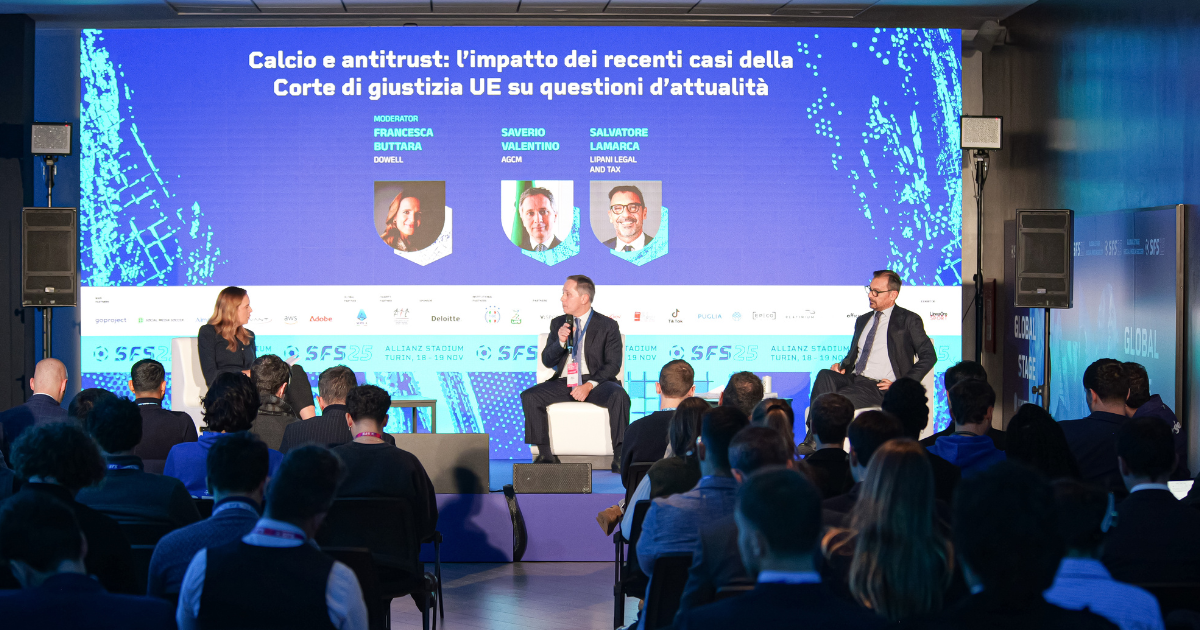
Football and Antitrust: “No more monopoly of FIFA and UEFA on the organization of competitions”
The Global Stage Social Media Soccer hosted the meeting “Football and Antitrust: The impact of recent EU Court of Justice cases on current issues.” The protagonists were Saverio Valentino (Member of the Board AGCM) and Salvatore Lamarca (Antitrust Lawyer and Author of the book “Sport and European Law”), moderated by Francesca Buttara (Founder DOWELL). We are facing a profound transition, a new era following the rulings of the European Court that place football within the market, a sector that must comply with principles
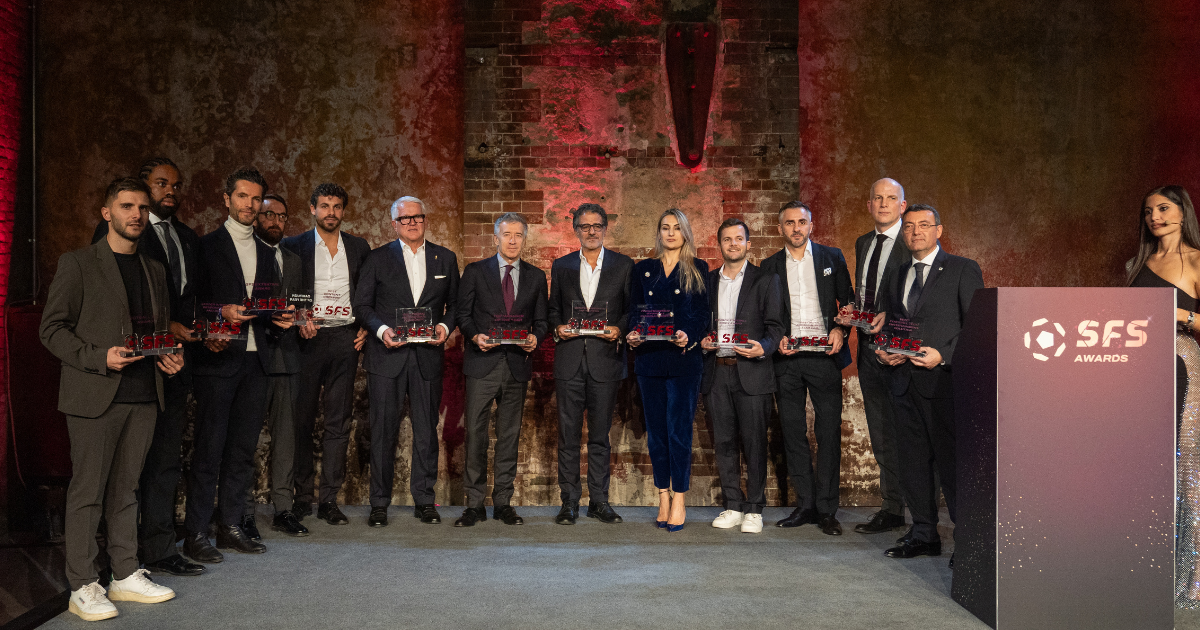
SFS AWARDS 2025: THE TRIUMPH OF EXCELLENCE AT THE OGR IN TURIN FOR ANINDUSTRY IN CONSTANTEVOLUTION
The 2025 edition of the SFS Awards concluded at the OGR in Turin, an event that celebrated excellence in the football industry. The evening, hosted by Anna Maria Baccaro, was enhanced by the presence of SFS partners. The setting of the OGR made the occasion even more memorable, and the event represented a unique opportunity to highlight the winning synergy between sport, innovation, social impact, and business. One of the most emotional moments of the Awards was the tribute dedicated to the memory
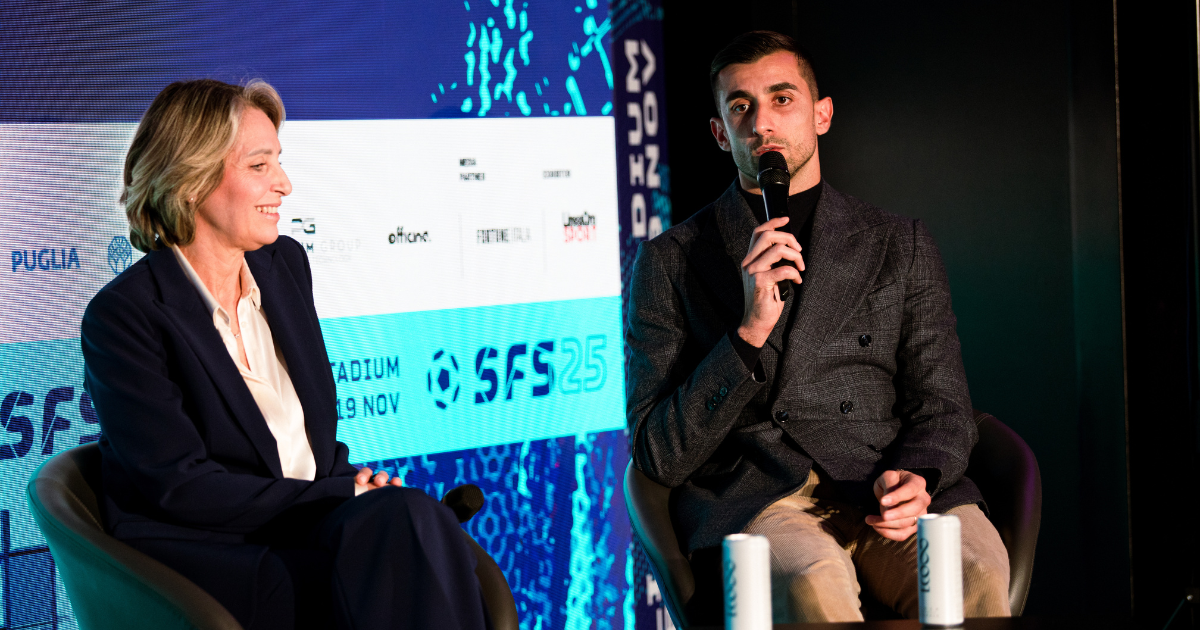
Mattia Perin’s Mental Investment Redefines Talent in Football
The panel "Is Football Really Prioritizing Players’ Mental Health?", moderated by Riccardo Nasuti (Digital Manager SFS 25), focused on the crucial topic of athlete mental health. The conversation between Juventus goalkeeper Mattia Perin and his personal psychologist, Nicoletta Romanazzi, offered a frank perspective on the internal work required for high performance, highlighting how cultural resistance is finally beginning to fade. The personal story and freedom from external judgments Mattia Perin shared his experience, revealing that he had wanted to quit playing after
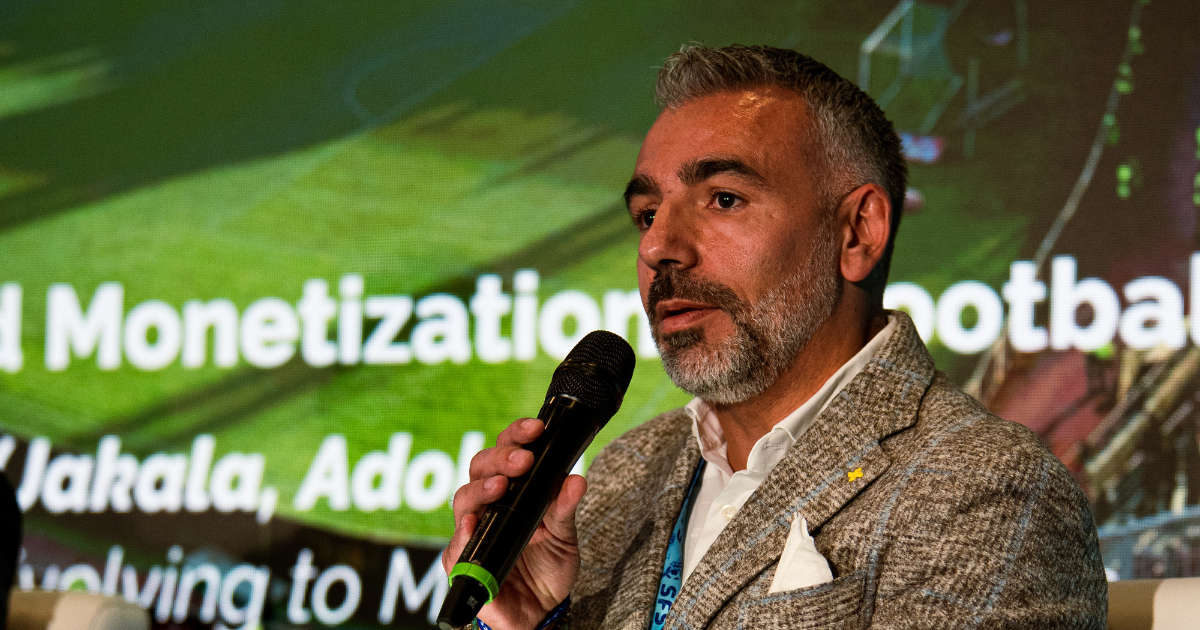
Data Wars in Football: How Data, Ethics and Personalization Are Shaping the Future of Fan Engagement
The panel “Data Wars: Ownership, Ethics and Monetization in Football” brought together some of the leading figures in digital innovation within the football industry. Speakers included Pierdamiano Tomagra, Head of Digital at Serie A, Raffaele Cerchiaro, Managing Director at Jakala, Andrea Peron, Sales Leader at Adobe Experience Cloud, and Claudia Di Renzi, Head of Accounting, CRM & Loyalty at FIGC. The session was moderated by journalist Giulia Piscina. In modern football, the decisive match is increasingly played off the pitch —
AI in Sport: Artificial Intelligence Amplifies Human Instinct and Revolutionizes the Game
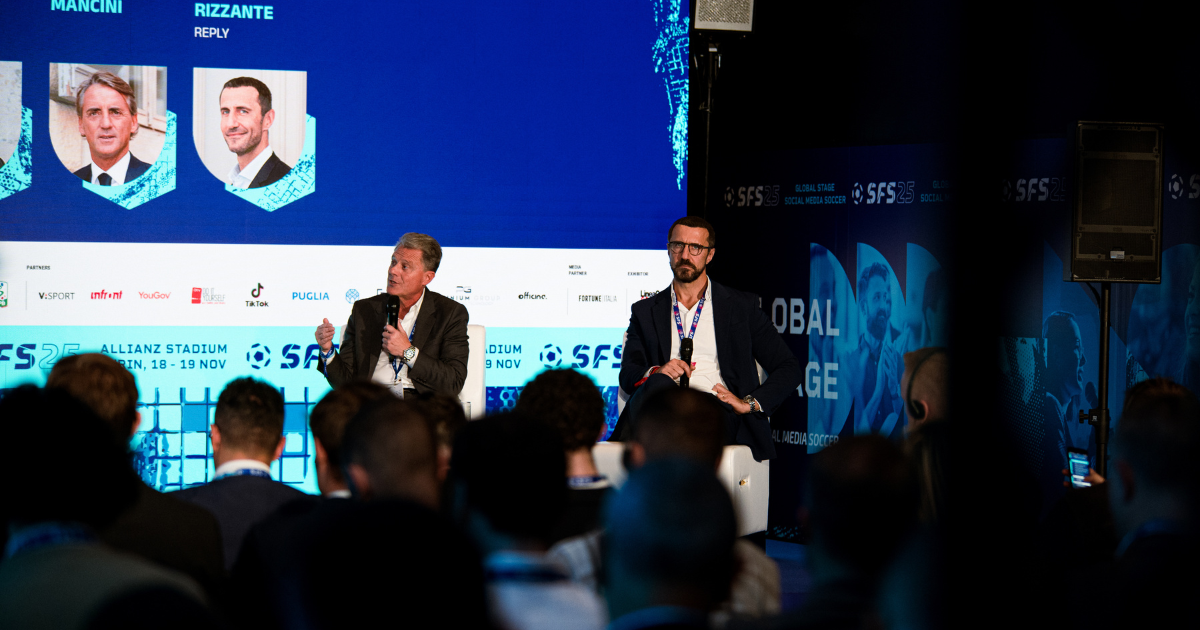
The panel "AI in Sport," moderated by Ivan Ortenzi, shone a spotlight on the dual relationship between technology and the human component in football. On stage, Filippo Rizzante (Reply) and Sergio Gianotti (AWS) dialogued, with a brief online contribution from Mister Mancini, who immediately expressed a clear stance: "AI is very useful, but I still trust my intuition (laughs, Ed.)." The new geography of technology Rizzante framed the technological scenario, noting how leadership, once "US centric" over the last 20 years, is
Saudi Pro League, a Data Revolution: Madsen Presents QIMA, the Platform Transforming Football
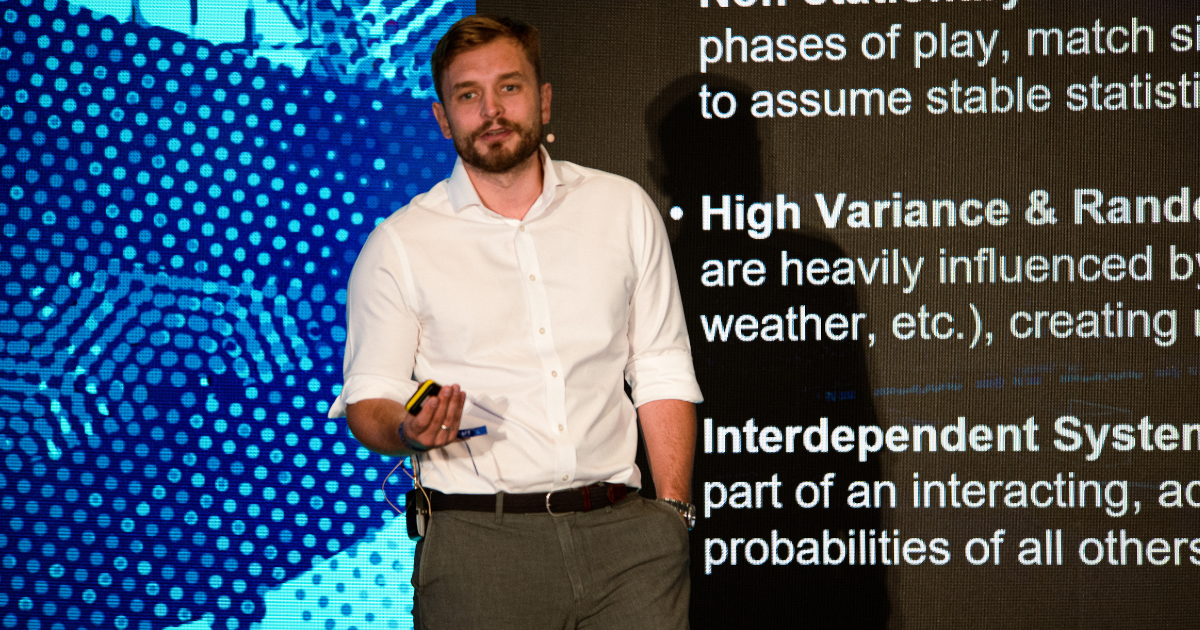
Not only Italian football: at SFS 25 the focus broadened to the international stage with a session dedicated to the Saudi Pro League, led by Jes Buster Madsen, Director of Football and Data Science for the league. For the past year, Madsen has overseen an ambitious project: building a unified platform capable of collecting and integrating all league data, making it accessible to clubs to better manage their season, performance and strategic planning. “We have the opportunity to create a centralized system,
Are Football Infrastructures a Real Investment? Stadiums and Sports Centers: The Shift from Cost to Asset
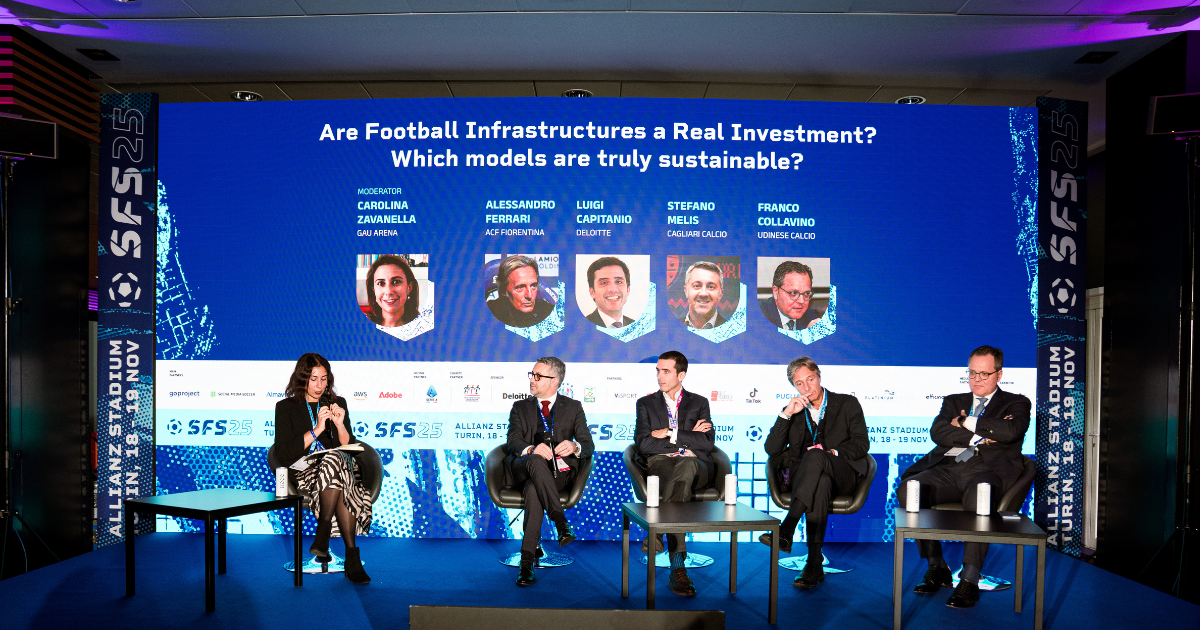
The panel "Are football infrastructures a real investment?" addressed a crucial question for the future of Italian football: do investments in stadiums and sports centers truly generate value? The answer, which emerged from the discussion among experts from Deloitte and representatives of virtuous clubs like Fiorentina, Cagliari, and Udinese, was unanimous: yes, but only if integrated into a 360-degree business model. Present on stage were: Alessandro Ferrari (Fiorentina), Stefano Melis (Cagliari), Luigi Capitanio (Deloitte), Franco Collavino (Udinese), and the panel
Beyond the Pitch: Serie A is a Total Communication Platform. The Value Between Emotion and Data
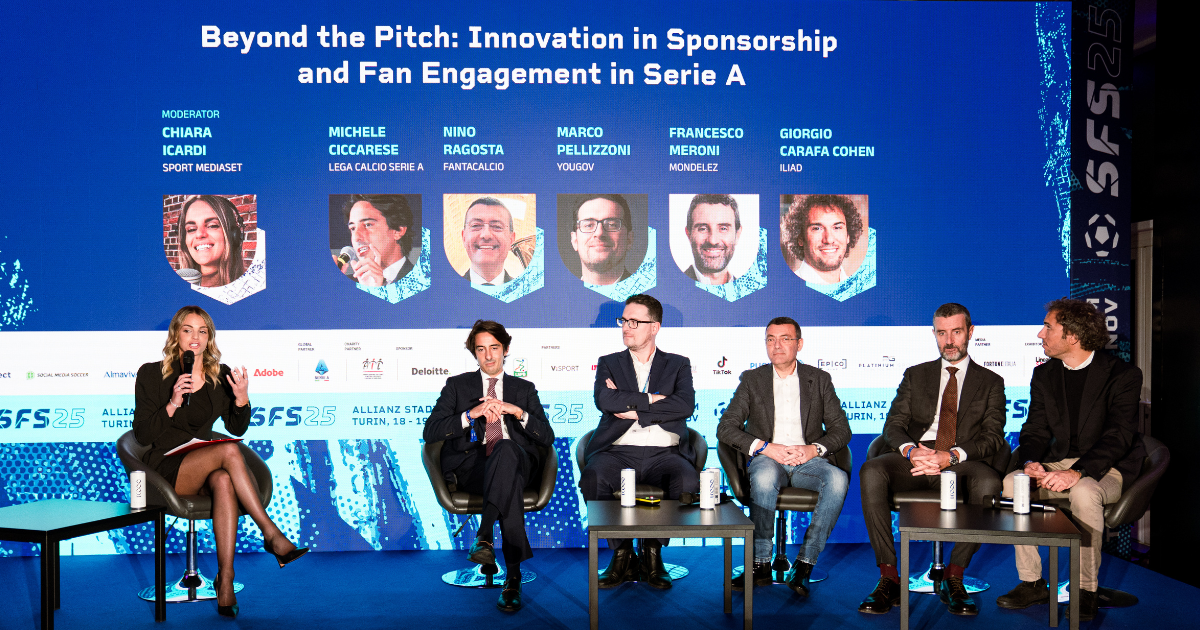
Innovation, engagement, and ROI measurement. These were the keywords of the panel “Beyond the Pitch: Innovation in Sponsorship,” moderated by Chiara Icardi (Sport Mediaset), which brought together industry experts to discuss how football sponsorship is evolving from a mere presence to a genuine communication strategy. On stage were: Michele Ciccarese (Lega Serie A), Nino Ragosta (Fantacalcio), Marco Pellizzoni (YouGov), Francesco Meroni (Mondelez), and Giorgio Cohen Carafa (Iliad). Serie A: from sporting event to digital platform Michele Ciccarese began by clearly defining the
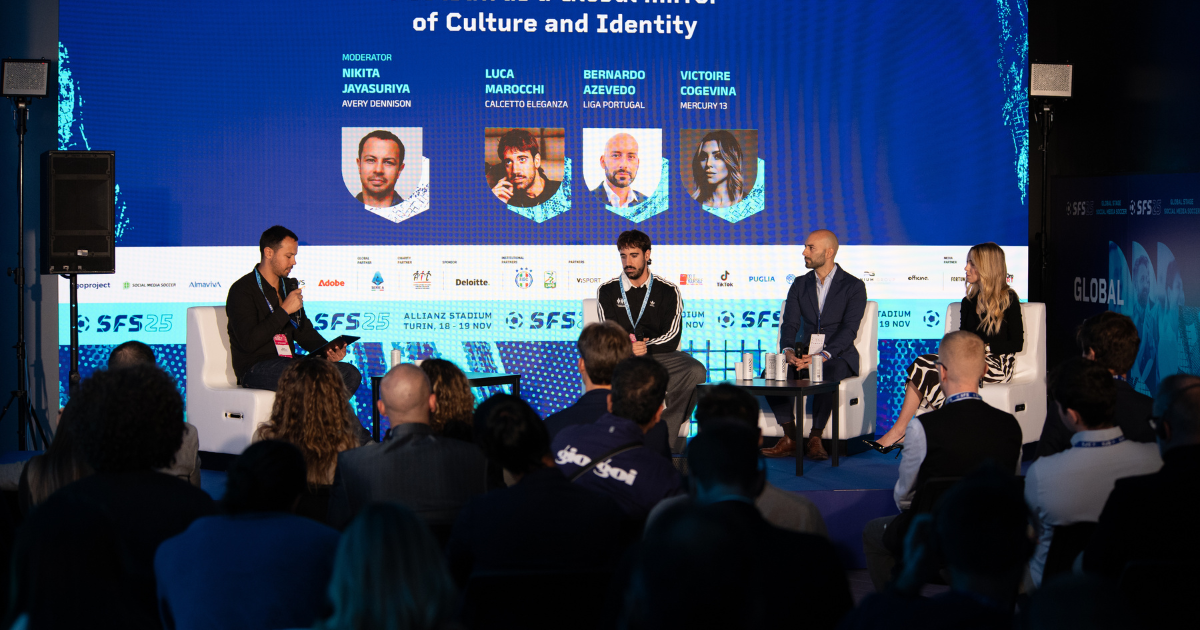
Football, Identity and Brand Revolution: The Future Runs Through Personalisation and Storytelling
The third panel of the day on the Global Stage focused on the relationship between football, identity and culture, featuring Luca Marocchi, Victoire Cogevina and Bernardo Azevedo, General Manager of Liga Portugal, moderated by Nikita Jayasuriya. The discussion explored the role of football as a builder of identity, both in the men's and women’s game. According to Victoire Cogevina, the social potential of the sport is still evolving: “Only time will tell, but I believe football is a platform for social
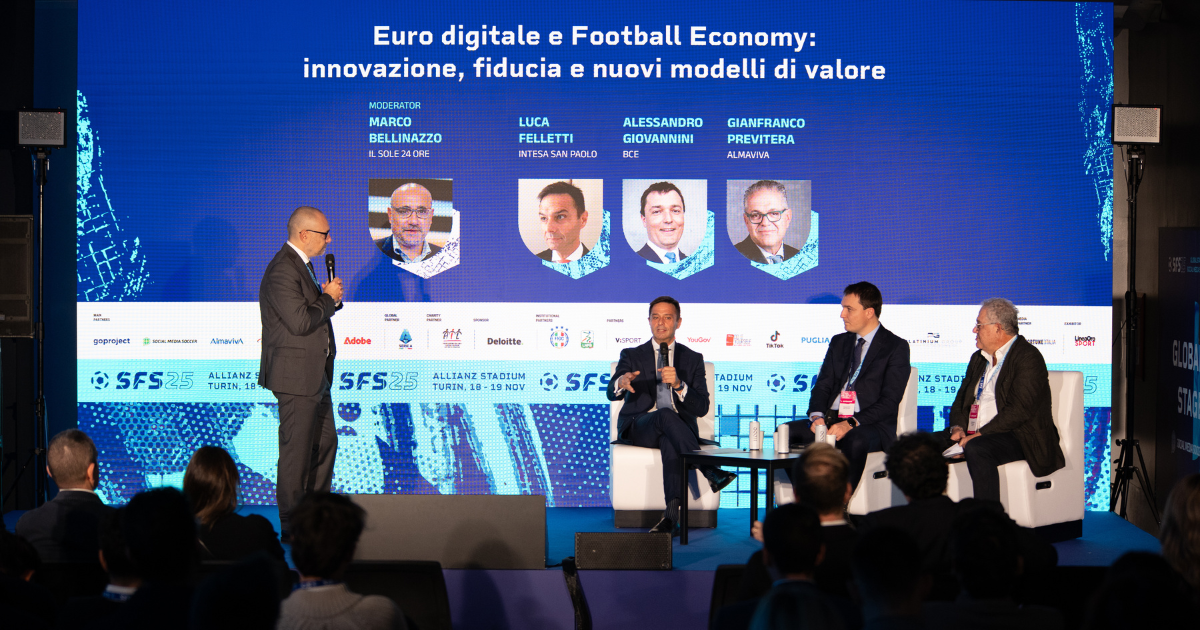
Digital Euro, Data and Fans: Italy Leads Europe’s Payment Revolution
SFS 25 hosted a panel focused on the relationship between the Digital Euro and the Football Economy, featuring Luca Felletti, Sales & Marketing Director at Intesa Sanpaolo, Alessandro Giovannini, Digital Euro Project Leader at the ECB, and Gianfranco Previtera, Commercial Director at Almaviva, moderated by Marco Bellinazzo from Il Sole 24 Ore. Giovannini opened the discussion by clearly explaining what the Digital Euro is and why it represents an inevitable transformation in a world where cash usage continues to decline. “The Digital Euro