




SFS Snack returns to Rome with a new event dedicated to sustainability, innovation and leadership in the football and sports industry.
Scheduled for May 14, 2026, at Hotel De La Ville in Rome, the event will explore how sustainability is no longer just a trend, but a strategic driver capable of influencing organizational models, business decisions and the future development of sport.
Through talks, discussions and networking opportunities, SFS Snack will bring together executives, professionals, brands and industry stakeholders to share perspectives and best practices on the evolving relationship between sustainability and leadership.
As part of the SFS ecosystem, SFS Snack is designed as a series of short and itinerant conferences hosted in different cities, creating opportunities for dialogue and connection throughout the year. In 2026, in addition to Rome, there will be other SFS Snacks, with stops in Florence (Coverciano) and Budapest in May, and then in Bari, London, and Milan after the summer.
The Rome edition will focus on how organizations and leaders can adapt to new challenges by embracing innovation, responsibility and long-term strategic vision within the sports business landscape.
📍 Hotel De La Ville — Rome
📅 May 14, 2026
⏰ 09:30 — 12:30
Participation is subject to approval by the organization following registration through the dedicated online form.
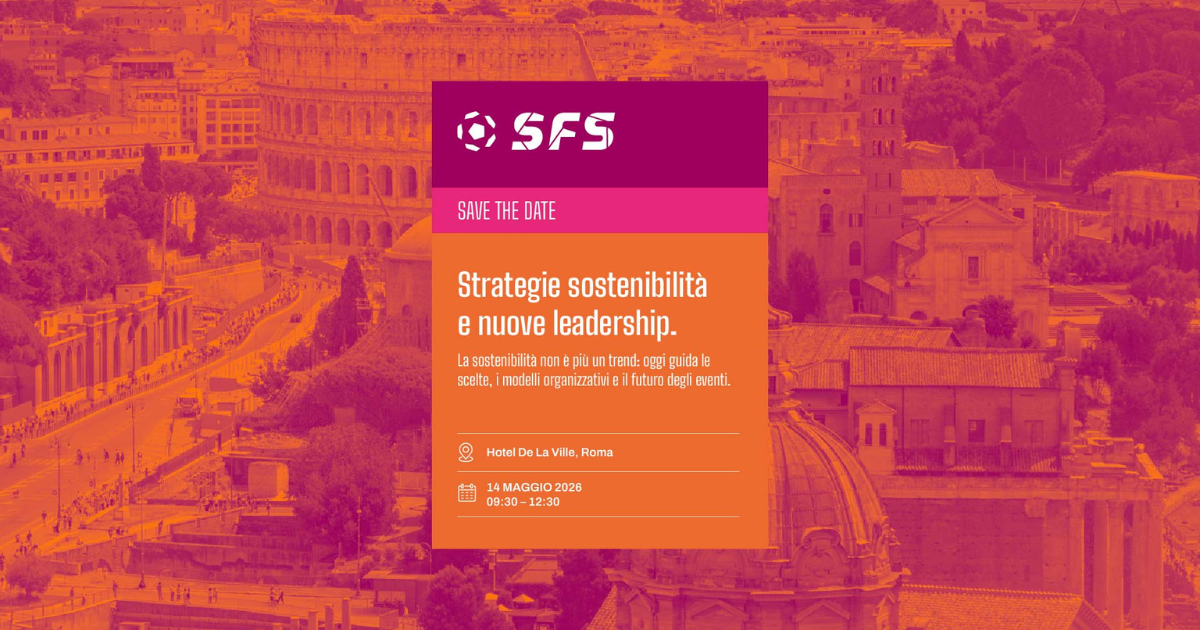
SFS Snack arrives in Rome: sustainability strategies and new leadership for the future of sport
SFS Snack returns to Rome with a new event dedicated to sustainability, innovation and leadership in the football and sports industry. Scheduled for May 14, 2026, at Hotel De La Ville in Rome, the event will explore how sustainability is no longer just a trend, but a strategic driver capable of influencing organizational models, business decisions and the future development of sport. Through talks, discussions and networking opportunities, SFS Snack will bring together executives, professionals, brands and industry stakeholders to share perspectives

Football and ESG: how clubs can measure and communicate their impact
There’s a question that is being heard more and more often in executive rooms across the sports world: how do you measure the sustainability of a football club? The answer isn’t simple—but it does exist. And the clubs that have found it first are already reaping the benefits. Measuring ESG impact doesn’t mean filling out a questionnaire once a year. It means building a data collection system that works continuously, covers very different areas, and produces numbers that can be compared
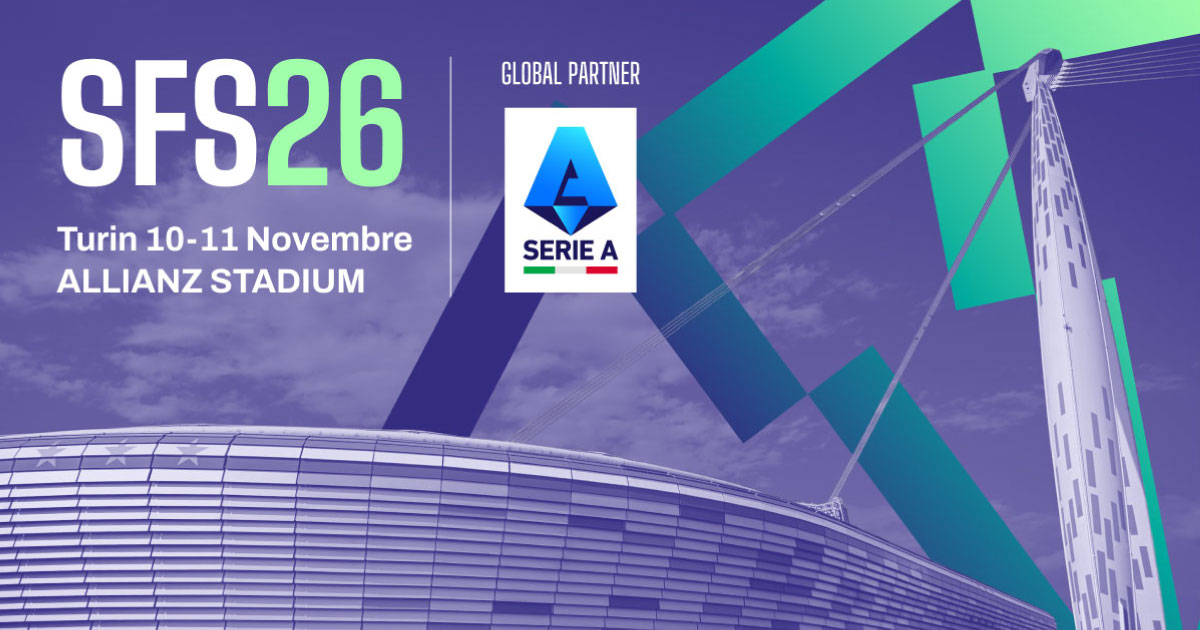
SFS 26 RETURNS TO TURIN: SOCIAL FOOTBALL SUMMIT ON 10–11 NOVEMBER AT ALLIANZ STADIUM
The Social Football Summit (SFS) announces its 2026 edition, scheduled for 10–11 November at the Allianz Stadium in Turin. The event confirms its position as one of Europe’s leading gatherings dedicated to the Football Industry and an increasingly central international hub within the global football landscape. Over the years, SFS has established itself as a benchmark platform, attracting a growing number of clubs, institutions, and international organizations, and strengthening its role as a meeting point between sport, business, and innovation. An increasing
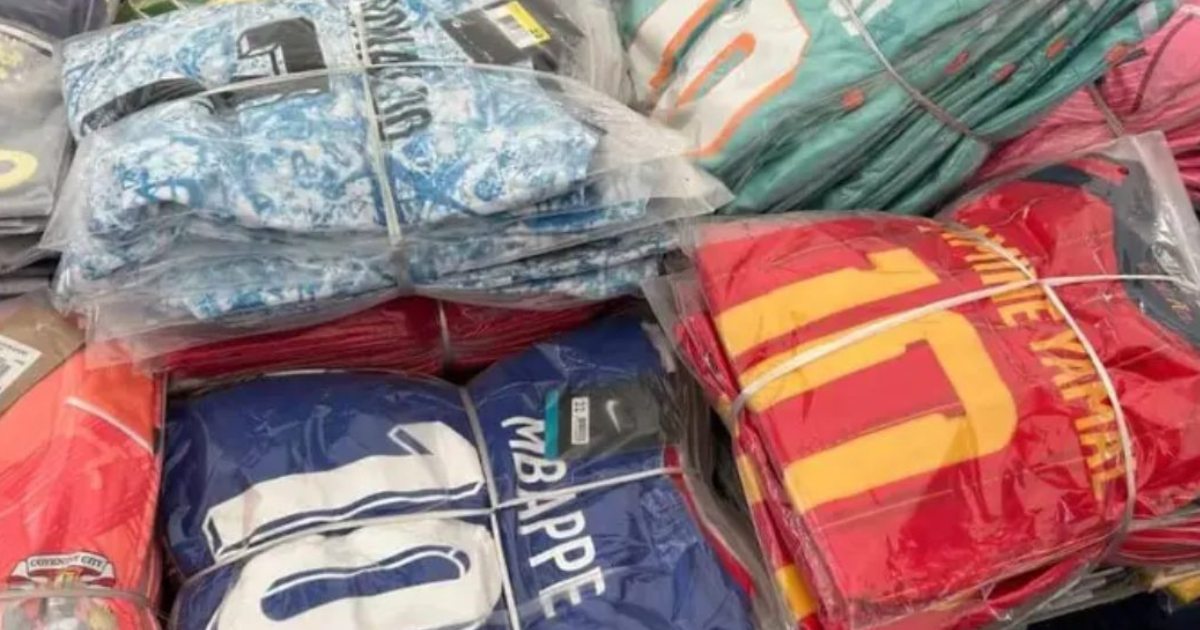
The “Fake” That Drains the Coffers: Why Counterfeiting is Modern Football’s No. 1 Enemy
From World Cup seizures to budget deficits: how counterfeiting stunts club growth and why marketing must pivot toward pricing and digital assets The latest international crackdown, resulting in the seizure of thousands of counterfeit kits destined for the upcoming World Cup, is merely the tip of the iceberg of a phenomenon that has reached industrial proportions. While top clubs' marketing departments spend months perfecting every detail of a new kit launch, unofficial versions—nearly identical and sold at a fraction of the

The O-1/O-2 Visa Strategy: How Player Transfers and Essential Support Staff Can Move Faster and Cost Less
By Giulia Pezzano, Senior Immigration Analyst, Arce Immigration Law (Miami) A player transfer rarely involves just one person. When time is short and performance depends on trusted support staff, the little-known O-1/O-2 visa strategy can help move both the athlete and the essential team around the athlete faster, more smoothly, and often at a lower overall cost. In the football market, time is money. Clubs have narrow transfer windows, and coaches often want the athlete in camp immediately. A commercial team is
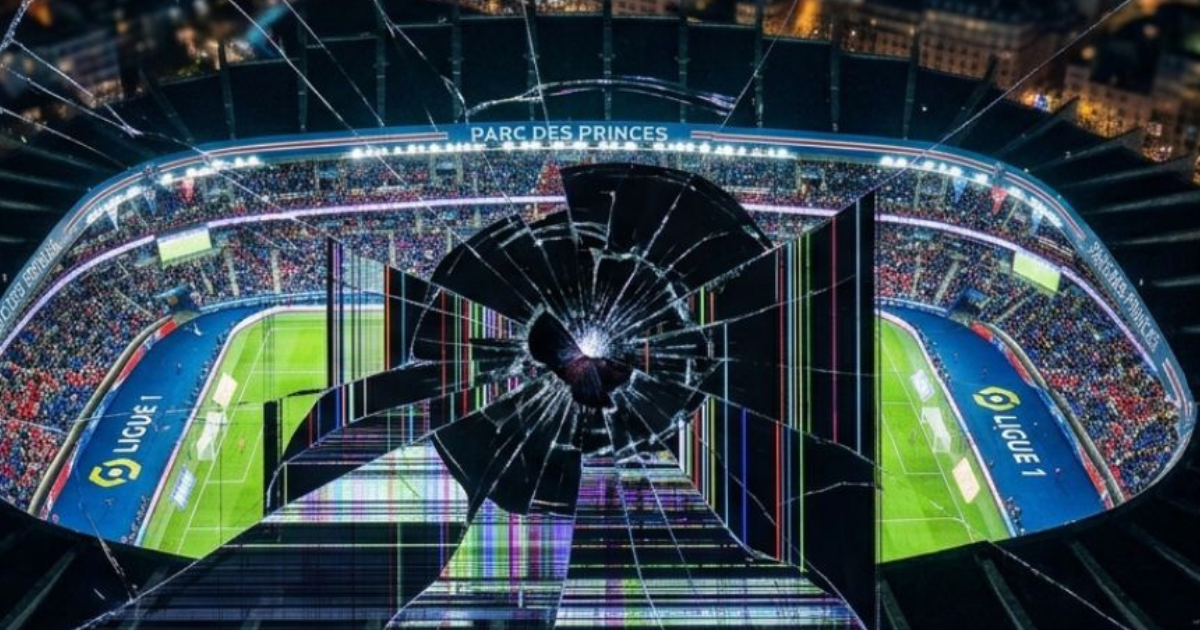
THE REASONS BEHIND THE CRISIS OF THE FRENCH FOOTBALL SYSTEM
French football is facing a profound crisis. Data presented by the DNCG (Direction Nationale du Contrôle de Gestion) outlines a worrying picture, particularly regarding the system's financial stability. At the heart of the discussion—highlighting the criticality of this moment—lies one of the pillars of the football industry: broadcasting rights. The collapse in value of the domestic package has generated massive losses for numerous clubs, many of which are now heavily dependent on European competitions to offset the shortcomings of the
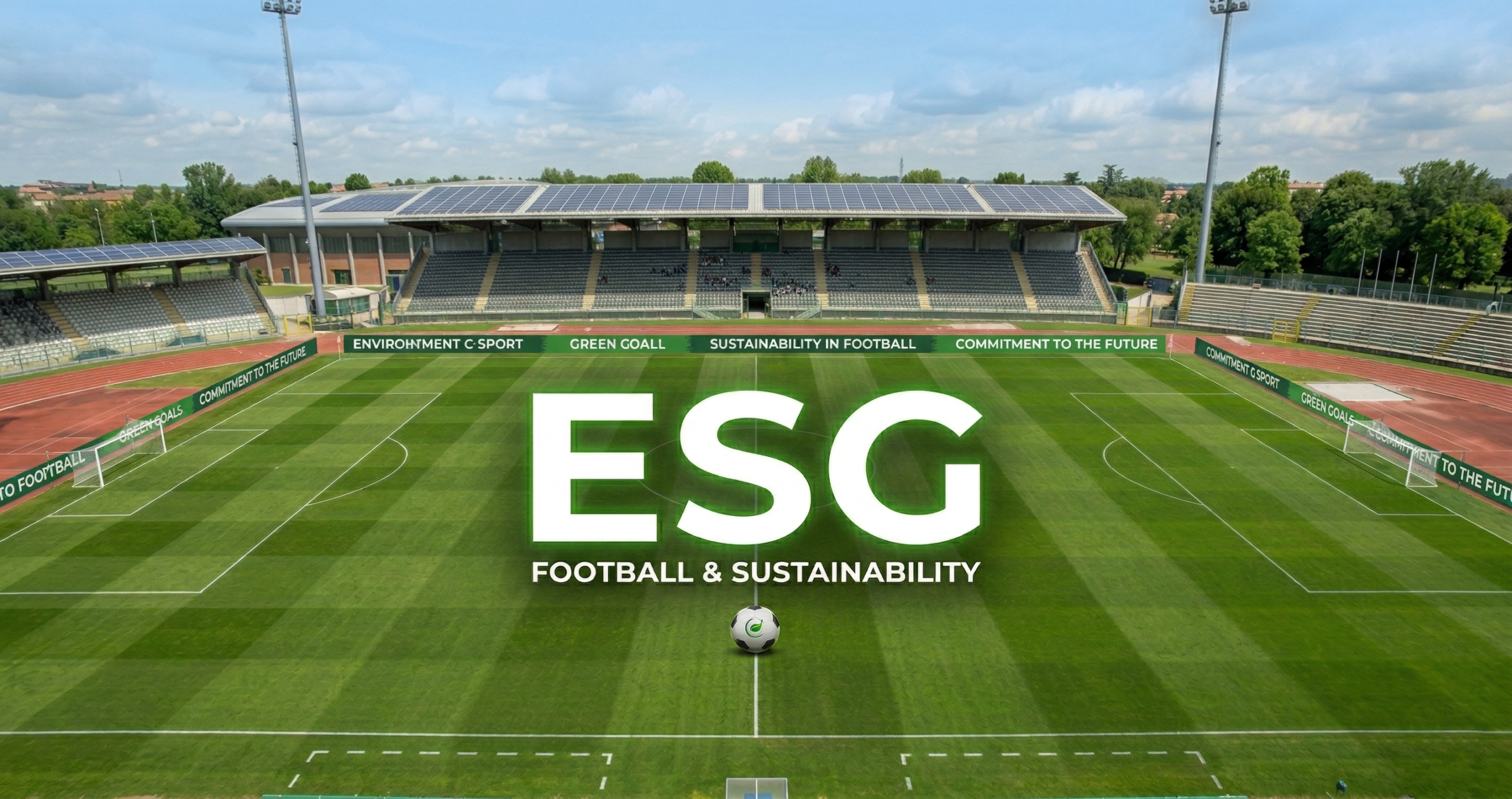
Why sustainability is becoming a competitive advantage for football clubs
When ESG is mentioned in football, the first reaction is often the same: it’s a topic for large multinationals, not for sports clubs. Or: it’s a matter of image, not business. Both positions are understandable, especially for those who haven’t yet had the chance to engage concretely with what is happening in the market. But the facts tell a different story—and it’s worth understanding it. ESG stands for Environmental, Social, Governance. These are three dimensions that measure how sustainable an organization

Serie A… How Much Will It Cost You?
English version prepared by editorial team Is high spending an essential requirement for avoiding relegation? Jacopo Carmassi – Numeri in Palla – Social Media Soccer / Social Football Summit column, April 2, 2026 Imagine you are the owner or executive of a men’s football club in Serie B that has just achieved an exceptional sporting milestone: promotion to Serie A. Imagine that, while the fans and the city are still celebrating, your mind is already turned toward the future, toward those first summer
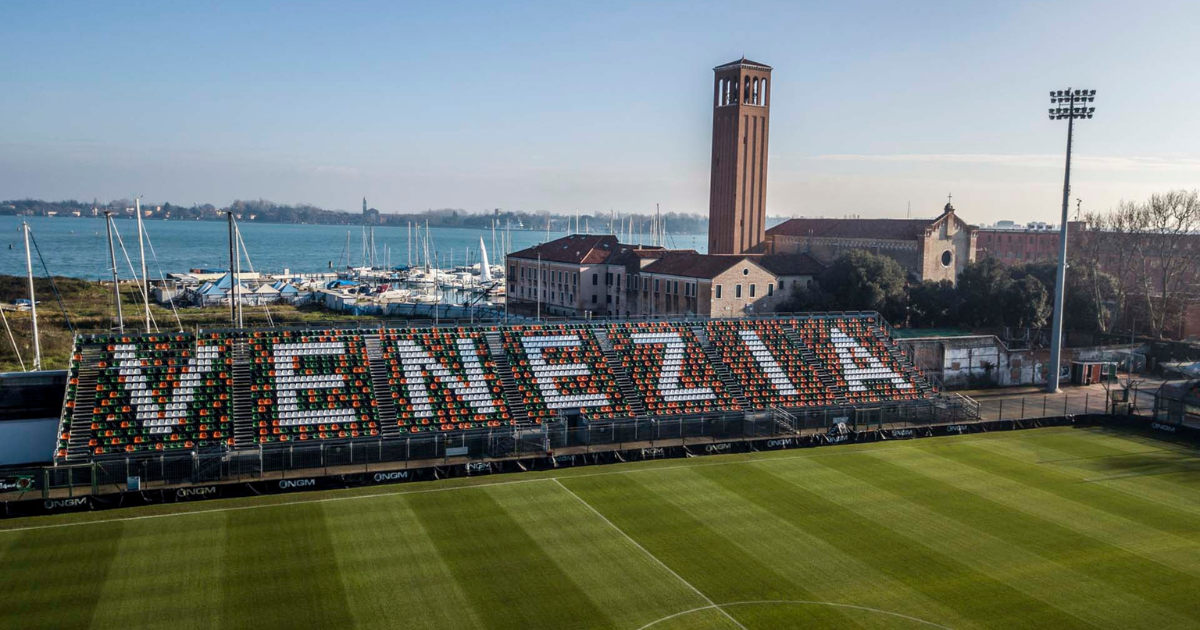
Culture is the new competitive advantage: the case of Venezia FC
The Venetian club has transformed its brand into a global lifestyle icon, following new trends in creativity and culture In the modern football landscape, the competition for fan attention is global, fragmented, and ruthless. A recent in-depth analysis by Pablo Alzaga (founder of Matinal), titled "Football & Creativity: New Trends on and off the Pitch," highlights a fundamental paradigm shift: culture has become the new strategic asset for clubs. It is no longer just about winning trophies; it is about transforming into
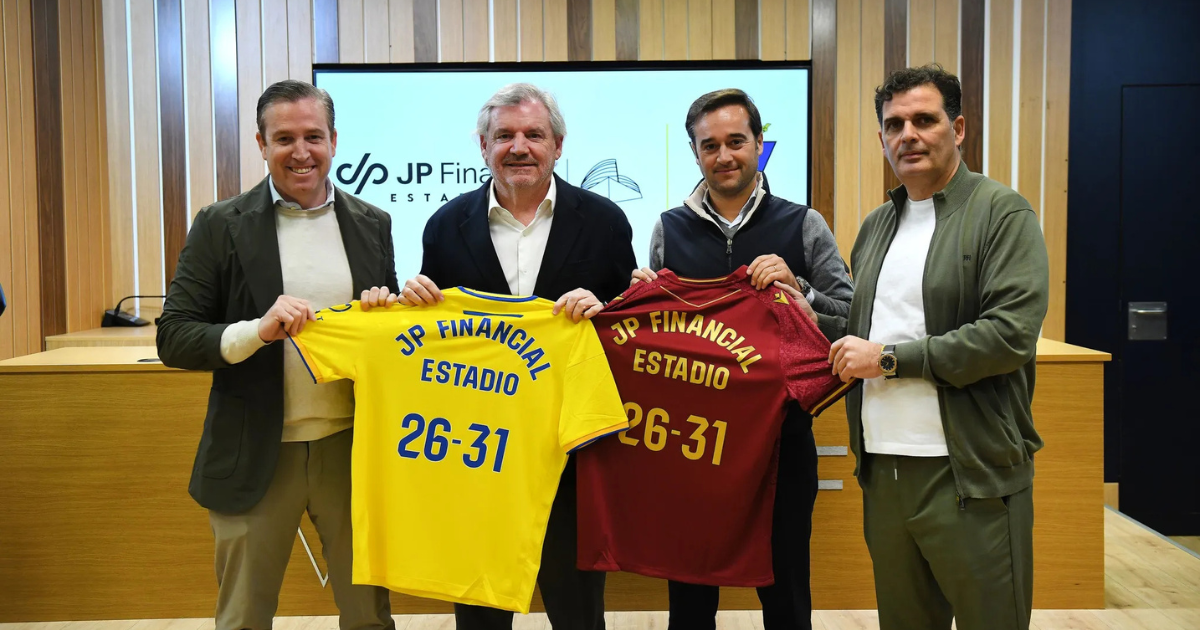
Naming Rights and innovation: JP Financial to name Cádiz’s new “Sportech City”
JP Financial invests €2.5 million for the naming rights of Nomadar’s new Arena in Cádiz: a 300,000 sqm hub blending sports, fintech, and high technology The future of football is no longer played solely on the pitch; it unfolds along the fine line connecting infrastructural innovation and global financial markets. As the industry grapples with the sustainability of new stadiums, a strong signal arrives from Spain: the ability to transform an ambitious project into a monetizable asset well before the first