




On January 5, 2025, within Almaviva’s space at Casa Italia (Localizer Mall Gate 2/3, Riyadh), the event “Italy and Saudi Arabia in the Telerehabilitation: Innovation, Exchange and Growth of the Industry” will take place. Organized by SFS in collaboration with the Italian Embassy in Riyadh and the Italian Trade Agency, the event will highlight advancements in telerehabilitation.
Among the key speakers in the panel “The Role of Italian Companies in the Development of Sports and Football: Italian Excellence in Telerehabilitation,” Dr. Franco Molteni, Scientific Director of the Villa Beretta Rehabilitation Research Innovation Institute, granted us an exclusive interview before his departure.
In an international context like the Riyadh panel, what are the challenges and opportunities for implementing tele-rehabilitation solutions in countries with diverse technological infrastructures?
Dr. Franco Molteni:
“Technology enables the distribution of expertise and ensures proximity to a person undergoing functional recovery activities, regardless of the location where the service, contact, and relationship are provided, followed, and maintained. We are in a golden age because communication can work very effectively even remotely. There is an opportunity to interact with sensor technology that informs distant observers about the body’s biological reactions, the type of movement, and how that movement is performed. At the same time, there is a need for continuity of care and proper execution of therapy. All this is well summarized by what telerehabilitation and technology can currently offer”.
How is digital technology transforming the way sports rehabilitation is managed, particularly for elite athletes like football players?
Dr. Franco Molteni:
“Digital technology offers two possibilities. First, it acts as an information medium between the athlete and those responsible for their care. These technologies allow us to obtain highly accurate functional profiles of the individual being monitored. Second, digital technology is proactive: it enables monitored exercise solutions that provide precise therapeutic exercise instructions and equally precise feedback on whether these methods, which are actual therapy, are being correctly executed—whether the exercise is being properly used by the athlete and administered correctly by the coach”.
How does telerehabilitation allow for personalized recovery plans and remote monitoring of athletes’ progress?
Dr. Franco Molteni:
“This is closely linked to the use of technologies that track movement and lifestyle. Based on this information, we can determine whether to intervene more proactively, intensify training, or make modifications. This applies to training but also, more broadly, to how recovery phases are managed. Currently, there are technologies that provide valuable information, particularly about rest moments—for instance, sleep quality, which is an essential factor to consider. When we aim to intensify a training protocol or verify the results of training, it’s important to consider that exercise affects sleep quality and vice versa. Lastly, advanced sensor technology is now available to measure the autonomic nervous system’s reactions, such as unconscious responses related to stress and emotional states, which can also be monitored in relation to training. Therefore, maximum personalization, remote monitoring, and precision in identifying what is being done and how it is done”.
Can football, as one of the world’s most popular sports, drive technological innovation in rehabilitation?
Dr. Franco Molteni:
“Technological innovation will undoubtedly lead to changes in the delivery of rehabilitation services in sports. It will enable innovations in systems related to virtual reality as well as exercise itself. All aspects connected to concentration and attentional skills will benefit from these technologies, including reaction times. The goal is not to replace on-field work with remote technologies but to complement it. There is a preparatory phase for movement, movement programming, and identifying the correct methods to achieve optimal focus on the sports activity, which can be monitored and managed through tele-rehabilitation systems. Technology will therefore become an important ally for on-field activity. Moreover, on-field activity might become more effective and carry fewer injury risks if preparation in terms of concentration, attention, and reaction times is supported by digital technologies and virtual reality”.
What is the role of technology in supporting not only the physical recovery but also the psychological well-being of athletes during rehabilitation?
Dr. Franco Molteni:
“This is a crucial point. The psychological aspect is likely 50% of the ability to reach peak performance levels. Especially in terms of psychological support, remote assistance and concentration techniques are well-known. For telerehabilitation to be effective, the service must include access to the best psychologists, regardless of where in the world the athlete wishes to train. Let’s not forget the role of virtual reality. VR is evolving rapidly, enabling immersion in virtual worlds that can provide significant benefits before transitioning to the real world. This aspect should definitely be considered”.
What are the future prospects for making these technologies accessible not only to professional athletes but also to amateurs and ordinary people?
Dr. Franco Molteni:
“Access to care is both a sustainability and an ethical issue. Technologies are an essential means to bring care closer to individuals, ensuring better accessibility compared to conventional systems. Remote accessibility, in this sense, implies physical distance but closeness in terms of relationships and connecting individuals with competent professionals. This is a key element of accessibility. Additionally, technology costs are decreasing, which improves accessibility prospects. These technologies are neither invasive nor intrusive but are genuinely collaborative with traditional organizational systems. The goal is not to create isolated niches from which individuals cannot escape but to build communities that stay connected remotely—primarily through human connection. The aim is to develop multiplayer technology that simultaneously enables exercise and fosters a sense of communication and connection rarely utilized until now”.
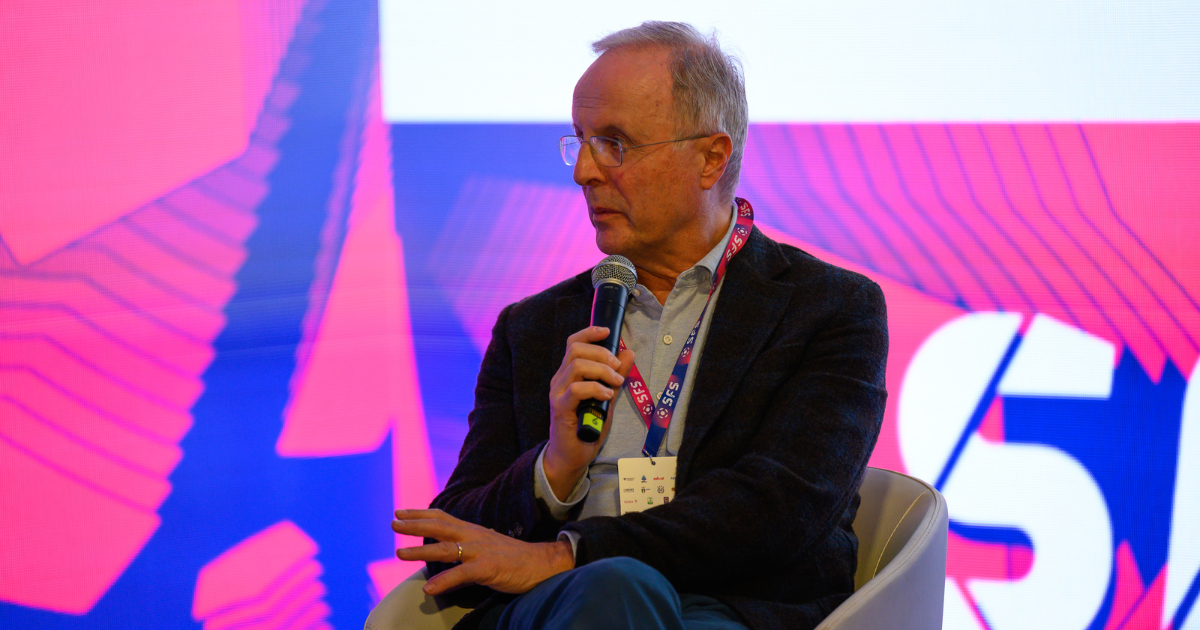
Telerehabilitation and Innovation: The Future of Sports Recovery with Digital Technology
On January 5, 2025, within Almaviva's space at Casa Italia (Localizer Mall Gate 2/3, Riyadh), the event "Italy and Saudi Arabia in the Telerehabilitation: Innovation, Exchange and Growth of the Industry" will take place. Organized by SFS in collaboration with the Italian Embassy in Riyadh and the Italian Trade Agency, the event will highlight advancements in telerehabilitation. Among the key speakers in the panel "The Role of Italian Companies in the Development of Sports and Football: Italian Excellence in Telerehabilitation," Dr. Franco Molteni,
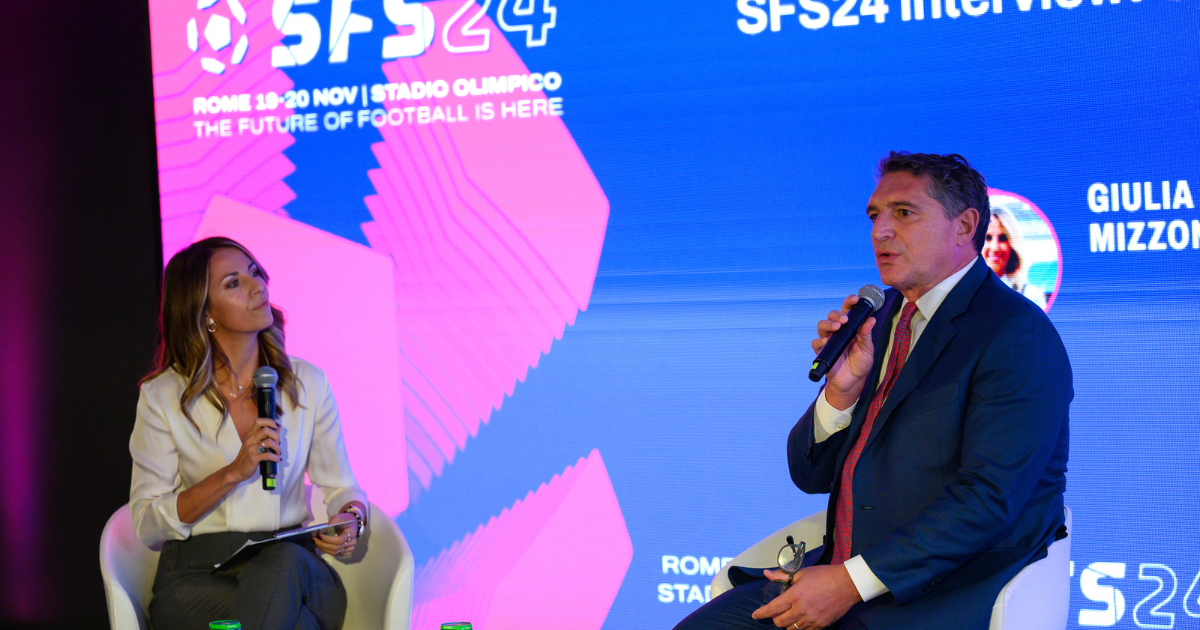
SFS24, Serie A and the Path to Global Football Leadership
"Serie A is now, in every sense, a media company. We have repositioned the product in a competitive landscape, following commercial and entertainment-driven strategies", said Luigi De Siervo, CEO of Lega Serie A, speaking at the SFS24 event, dedicated to the national and international football industry. Giulia Mizzoni, a journalist for Amazon Prime Video, interviewed the CEO, asking specific questions about the league’s strategies and future projects. De Siervo highlighted the work done over the years, with the NBA, NFL, and
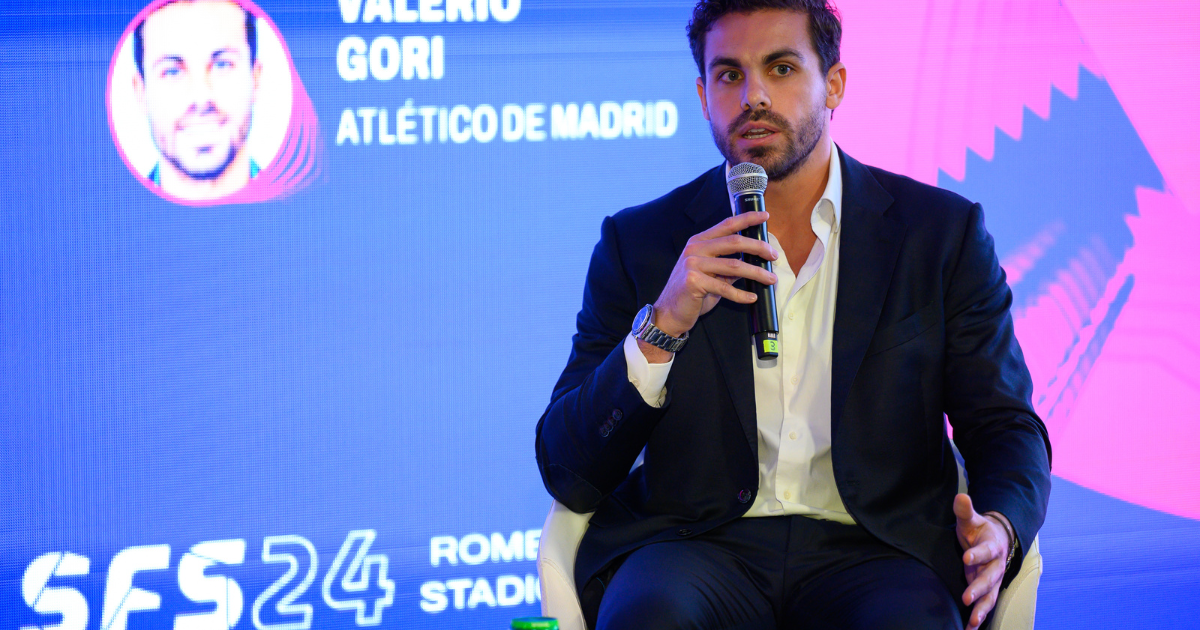
Atletico Madrid and the Communication Revolution: Between Creativity, Data, and the Creator Economy
Atletico Madrid is not only one of the most successful and competitive teams in the European football scene but also a communication laboratory that leverages creativity and diversification strategies as its key strengths. At SFS24, Valerio Gori – Marketing Director of Atletico Madrid – explained to Carlo De Marchis and Paola Marinone how the Madrid-based club has managed over the years to build an omnichannel communication strategy with high engagement rates. Everything revolves around international positioning, through concrete and unique actions
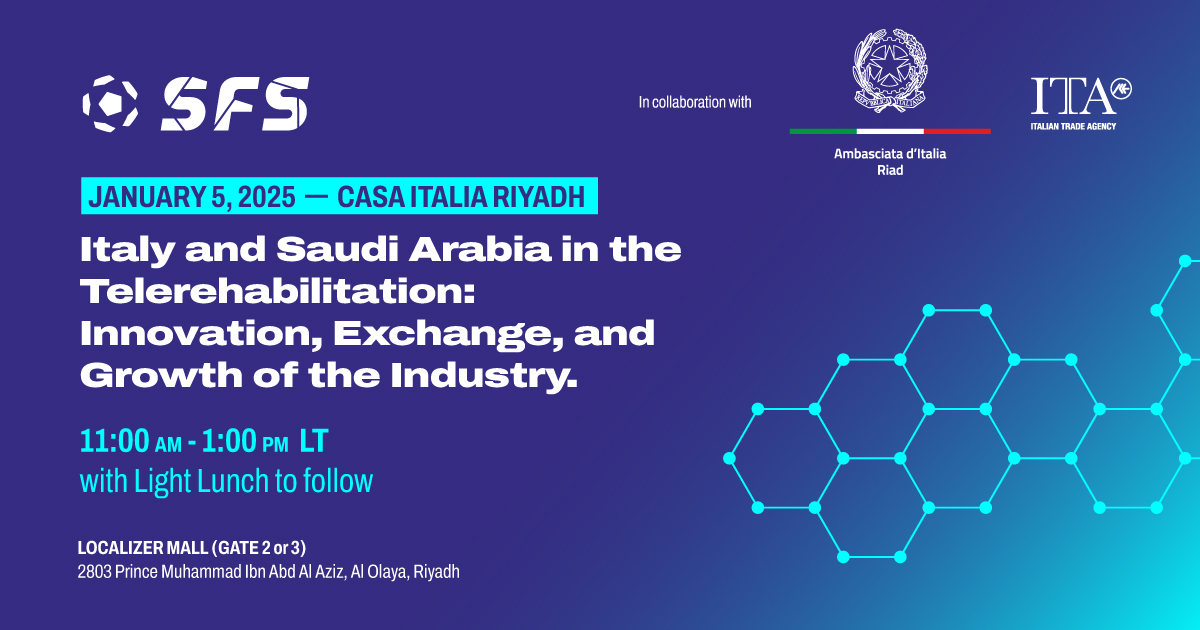
Italy and Saudi Arabia in Telerehabilitation: Innovation, Exchange, and Industry Growth
The role of digital innovation in healthcare is rapidly growing, and on January 5, 2025, Riyadh will host a pivotal event dedicated to the future of telerehabilitation. Organized by SFS in collaboration with ICE – Italian Trade Agency and the Embassy of Italy in Riyadh, the event will take place at Casa Italia Riyadh (Localizer Mall, Al Olaya), hosted by Almaviva. It represents a unique opportunity to explore innovative ideas and collaborations between Italy and Saudi Arabia in the field of
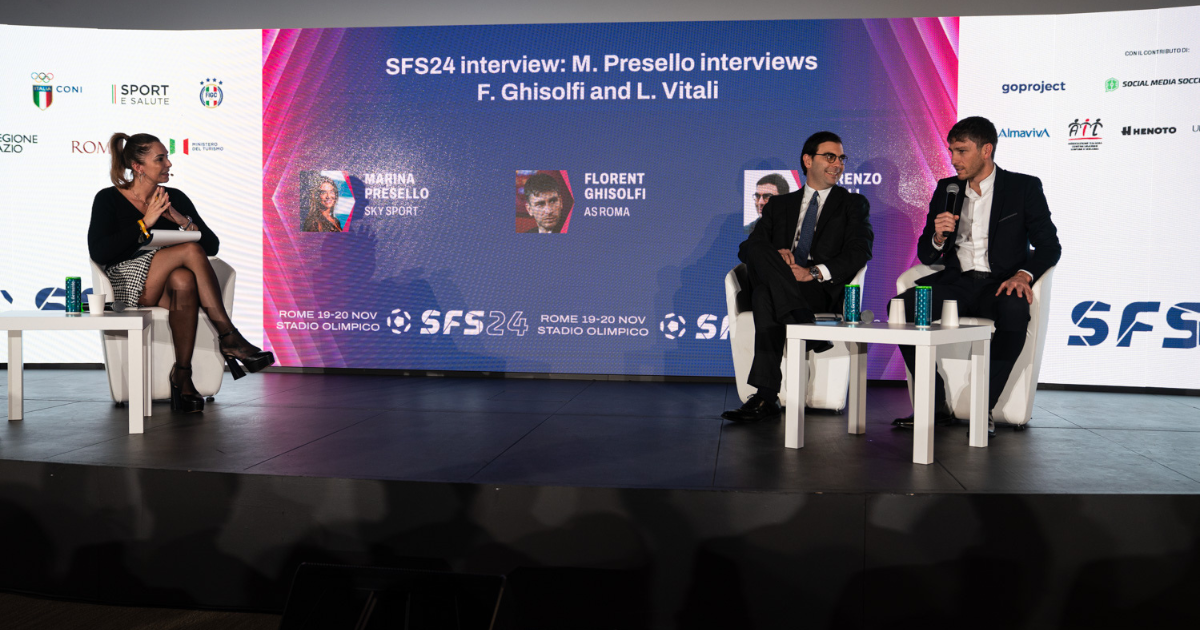
“Roma must be an Italian and local brand, but with an international soul,” said Florent Ghisolfi at SFS24
During a challenging period for sports results, Lorenzo Vitali – General Counsel of AS Roma – and Florent Ghisolfi – Head of the Technical Area for the Giallorossi – were interviewed on stage at the Summit. In the presence of Sky Sport journalist Marina Presello, the panel analyzed the state of the Roman club from every angle. Following the dismissal of Daniele De Rossi and the brief tenure of Djuric, the club decided to bet on Claudio Ranieri, a coach with
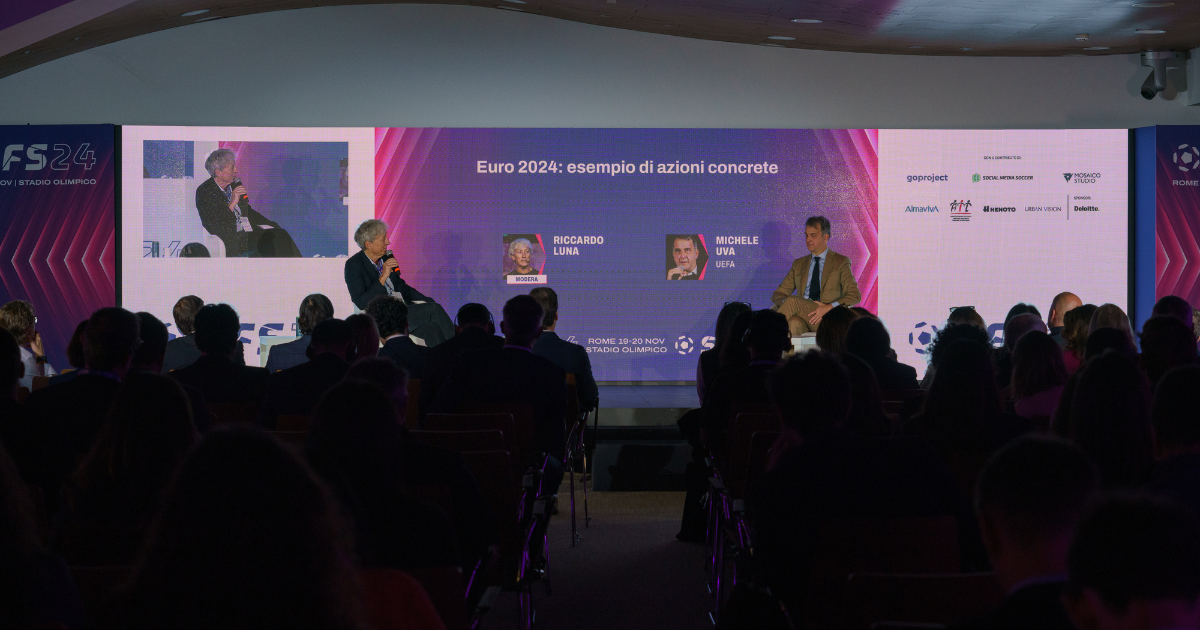
“The path to sustainability requires collective action”, said Michele Uva at SFS24
After presenting the ESG strategies implemented for EURO2024, Michele Uva – UEFA’s Director of Social & Environmental Sustainability – was interviewed on stage at the SFS by journalist Riccardo Luna. The panel, titled "Euro2024: an example of concrete actions", focused on sustainability, which Uva himself described as "an essential asset with significant cultural and social influence". Just days before COP29, the United Nations Climate Change Conference, the Summit devoted considerable attention to the interplay between environmental policies and the football
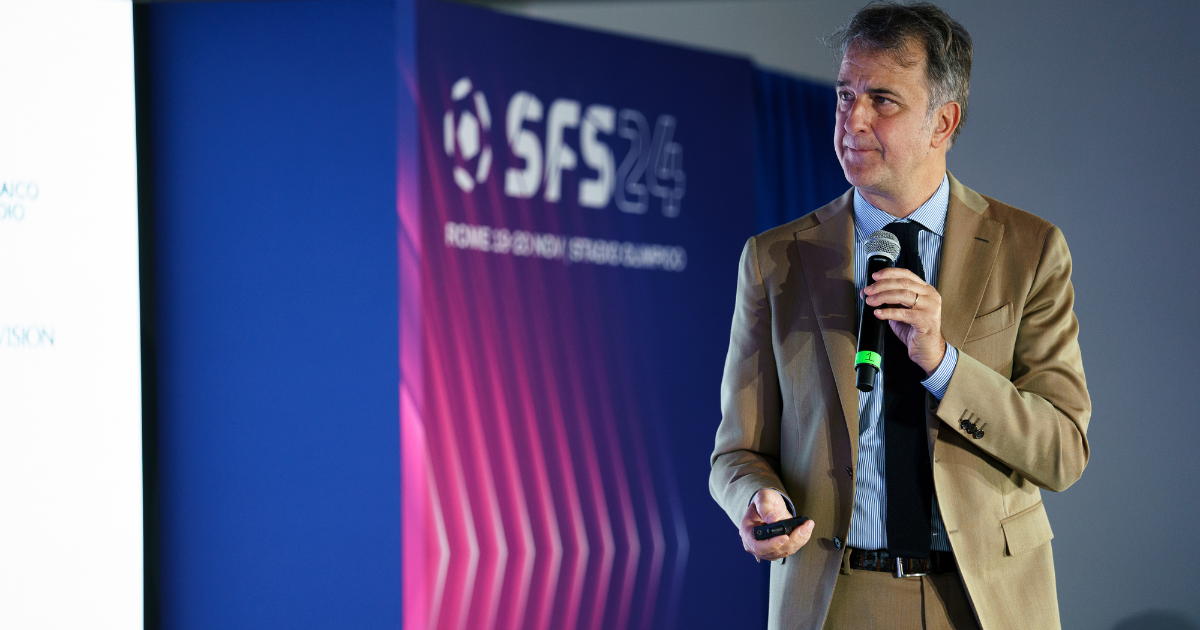
EURO 2024, ESG strategies with Michele UVA
Michele Uva, UEFA Director of Social & Environmental Sustainability, presented a summary of the key ESG (Environmental, Social and corporate Governance) actions implemented for the UEFA Euro 2024 tournament held in Germany at the SFS24. This journey began two and a half years ago with the aim of defining a replicable path for the future for UEFA, federations, and amateur clubs. Before outlining the ESG activities, however, Uva wanted to outline the scope of the event in terms of personnel involved, cumulative
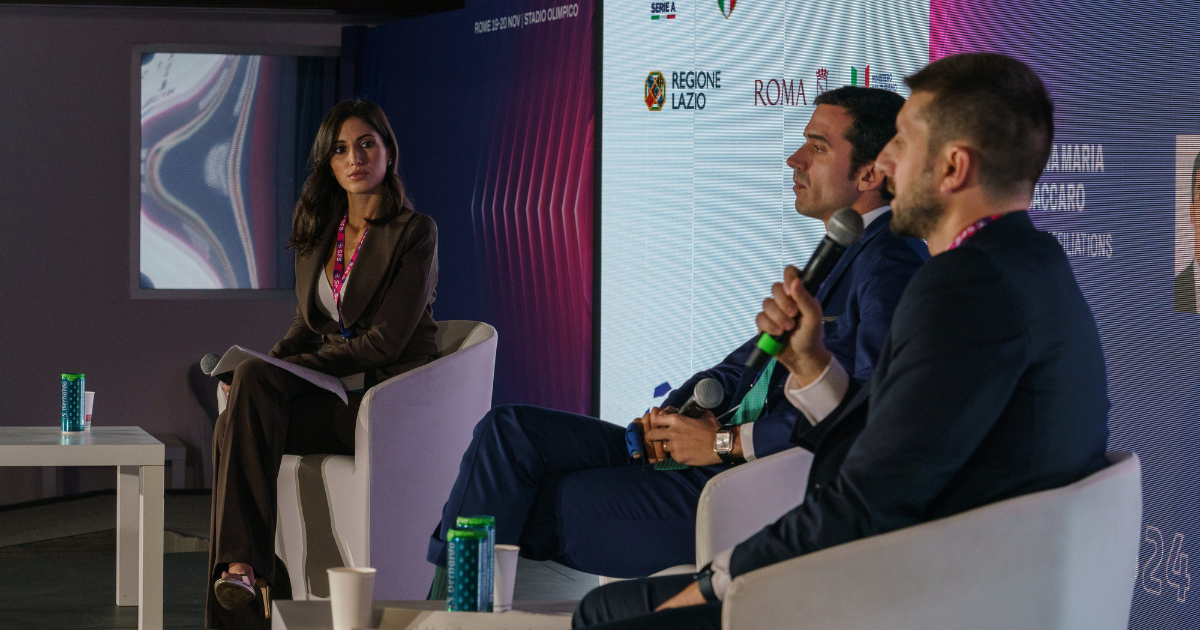
HOW FANS WILL LOOK LIKE IN THE FUTURE, THE DELOITTE ANALYSIS
How can we analyze the fan segment from an industrial standpoint? And, above all, how can we leverage the visceral passion for a club to generate new sources of value? This was the main theme of the panel How fans will look like in the future, scheduled at SFS24. On stage, alongside journalist Anna Maria Baccaro, were the two Deloitte Monitors Luigi Capitanio and Andrea Cabiati. Starting from a market analysis conducted on around two thousand fans worldwide, very interesting data
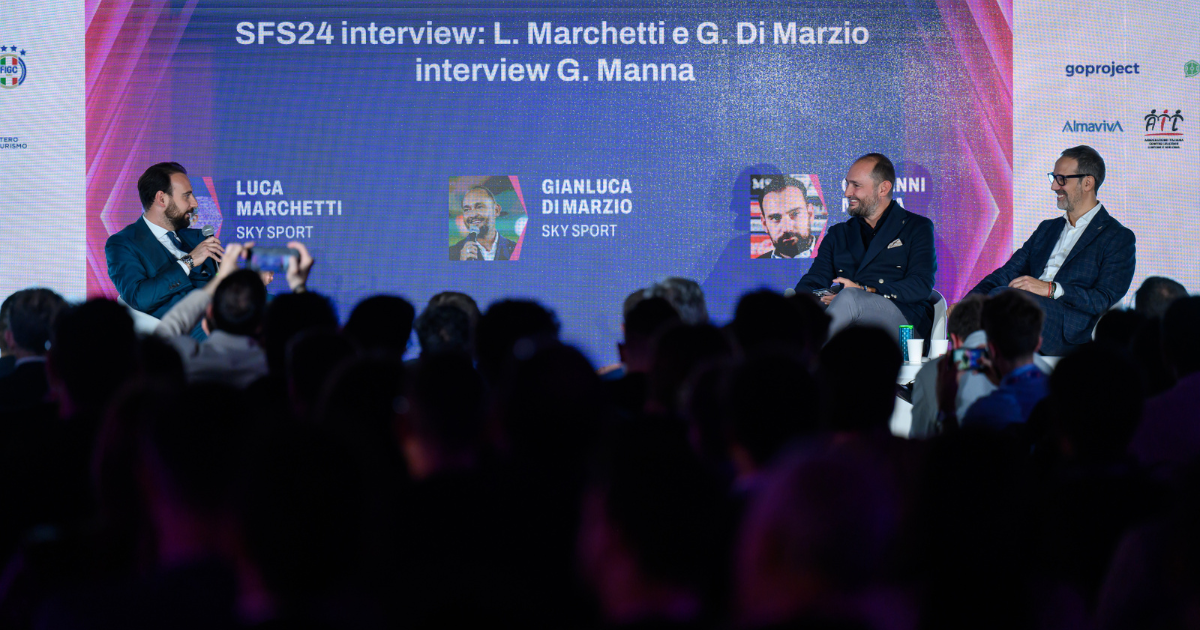
“We aim for a privately owned stadium and focus on the youth sector,” Giovanni Manna said at the SFS
Giovanni Manna, Sporting Director of Napoli, was a guest at the SFS, interviewed by Sky Sport journalists Luca Marchetti and Gianluca Di Marzio. Many topics were discussed: from his professional journey to future career challenges, as well as the current season under the leadership of Aurelio De Laurentiis in Naples. “At Lugano, I worked as a team manager, and there wasn’t a consolidated structure, so I operated as a self-starter. Fabio Paratici and Walter Sabatini have been indispensable references. A second
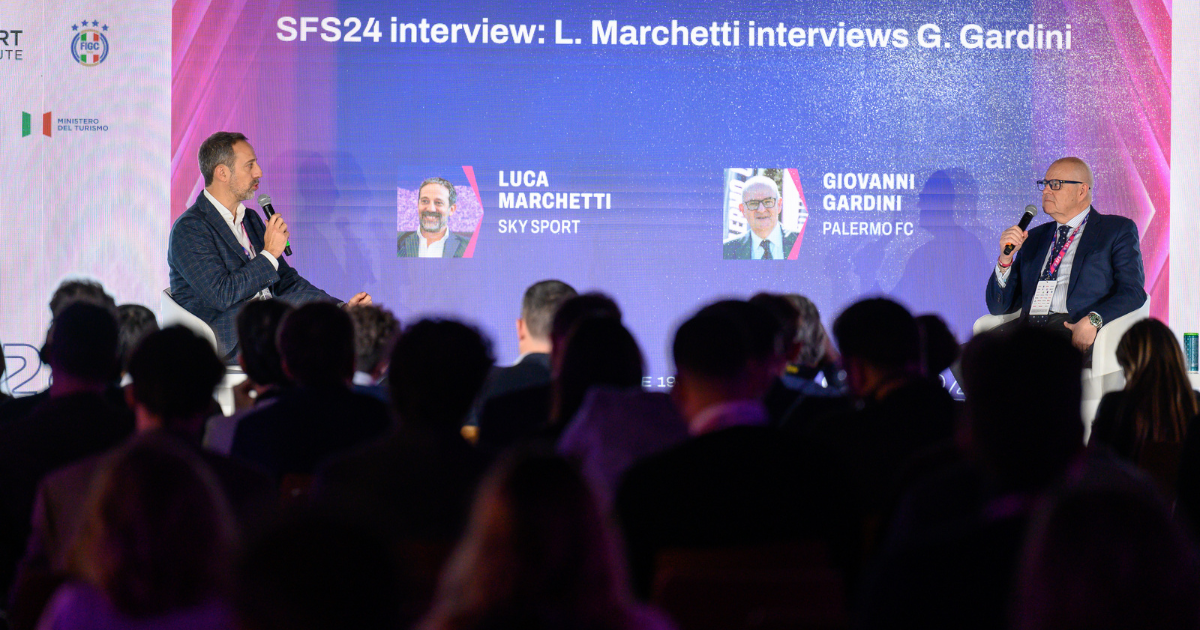
“With Palermo, we are halfway through our journey,” Giovanni Gardini said at the SFS
In 2019, Palermo F.C. was relegated to Serie C, going through one of the darkest phases in its history. Today, however, the club plays in Serie B and is one of the most interesting entities in the Italian and European football scene, not only in sporting terms but also from a communication and managerial perspective. This and much more were discussed at the SFS, held on November 19 and 20 at the Stadio Olimpico in Rome. During the Football Stage panel,