




LEAP Academy will be a key player at the SFS 25, the benchmark event for Italian football business, which will take place at the Allianz Stadium in Turin on November 18th and 19th.
The Academy will be featured at the event with a high-profile session: a conference titled “Working in the Sport Business,” an integral part of its Master in Law, Justice, and Sports Management. This educational program was specifically designed by prominent figures in the football industry with a crucial goal: to provide aspiring professionals with the specialized skills necessary to launch and solidify a successful career in this complex and rapidly evolving sector.
From Theory to Practice: Immediate Efficiency and Competence
The Master is aimed at anyone aspiring to a professional role in the world of sport and offers a complete overview of the fundamental principles of the subject, analyzed through legislative, procedural, state, and federal lenses.
The true strength of this program is its practical approach. Training is not limited to theoretical instruction: participants will be involved in intense simulations and, in the final workshop, will gain concrete practice in drafting a defensive brief within sports justice proceedings. These practical sessions are fundamental to ensure future professionals gain efficiency and competence that is immediately applicable in the field.
Exclusive Advantages: Networking and Internship at Lega B
Those enrolled in the LEAP Academy Master enjoy an exclusive benefit: the inclusion of the Delegate Pass for SFS 25. This pass not only allows attendance at the inaugural conference “Working in the Sport Business” (scheduled for November 18th from 2:30 PM to 5:00 PM) but also guarantees access to all event activities, facilitating crucial networking with key stakeholders in the national and international football landscape.
Furthermore, the Master’s Scientific Committee has established an important merit-based award: the most deserving student will have the extraordinary opportunity to undertake a paid internship within the Legal Area of Lega Nazionale Professionisti Serie B. This is a unique chance to work closely with the second most important professional football league in Italy and immediately apply the knowledge gained.
An Elite Faculty
The Master will take place over an intensive period, from November 7th to 29th, with lessons concentrated on Fridays and Saturdays. The faculty is composed of true industry leaders, guaranteeing a top-tier education. Prominent, highly experienced speakers include:
- Gabriele Nicolella (General Secretary of Lega B)
- Paco D’Onofrio (Professor of Sports Law at the University of Bologna)
- Jacopo Tognon (Arbitrator since 2007 at CAS/TAS in Lausanne)
- Valerio Casagrande (Chief Financial Officer Parma Calcio 1913)
- Maurizio Scaccabarozzi (Lawyer)
- Paolo Piani (Sector Expert)
For detailed information on the program or enrollment, please consult the official LEAP ACADEMY website.

Educational Excellence Meets Football Business: LEAP Academy at SFS 25 with the Master in Sports Law and Management
LEAP Academy will be a key player at the SFS 25, the benchmark event for Italian football business, which will take place at the Allianz Stadium in Turin on November 18th and 19th. The Academy will be featured at the event with a high-profile session: a conference titled "Working in the Sport Business," an integral part of its Master in Law, Justice, and Sports Management. This educational program was specifically designed by prominent figures in the football industry with a crucial
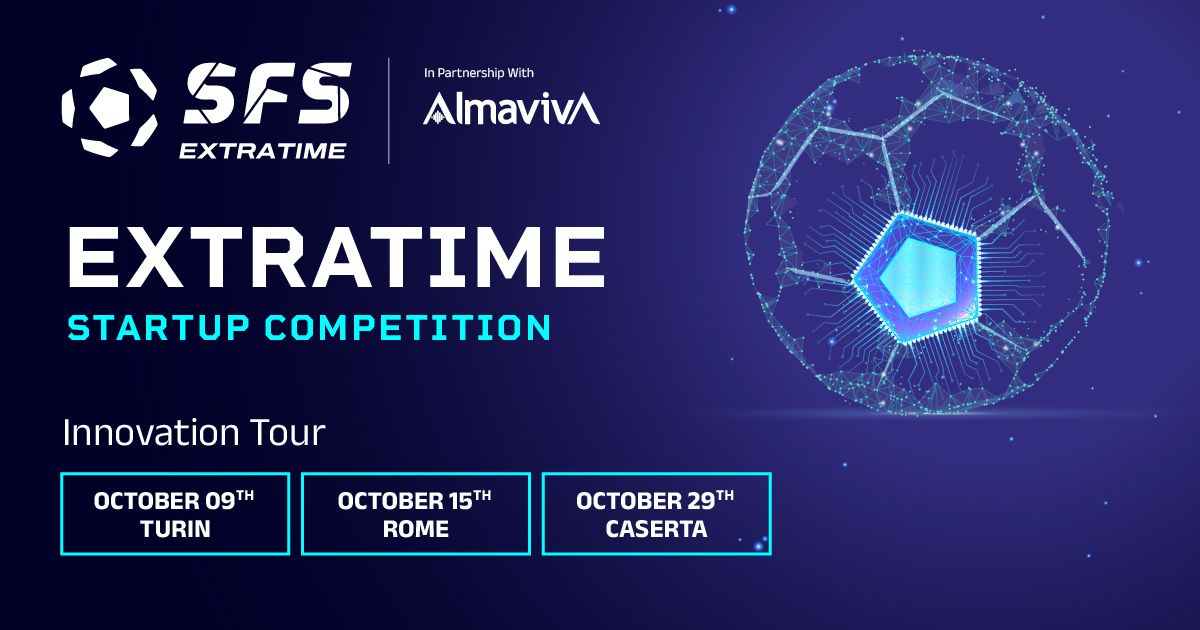
SFS EXTRATIME returns: the innovation tour heads to Turin, Rome, and Caserta on the road to SFS 25
SFS EXTRATIME, the Startup Competition of SFS 25, is back in collaboration with Almaviva, with a new Innovation Tour across three Italian cities – Turin, Rome, and Caserta – to discover the most groundbreaking projects capable of revolutionizing the future of the Football Industry and the wider sports business. The Innovation Tour offers a unique opportunity for startups, students, innovators, and young entrepreneurs to explore the world of SFS EXTRATIME and learn how to submit their ideas. Here’s the full schedule: - Turin – October 9, 2025, 2:00 PMUniversity of Turin, Luigi Einaudi
Lazio region and Camera di Commercio of Rome bring you to SFS 25 in Turin
The Rome Chamber of Commerce launches a strategic initiative to support the area's economy. With the support of the Special Company Development and Territory, and in collaboration with the Lazio Region (through Lazio Innova), the expression of interest is open for participation in the upcoming SFS25. The goal is to select and promote three regional excellences in the Football Industry. The Call: 3 Full Board Seats for Lazio Startups and MPMIsAs part of the Convention for Joint Participation in Trade Fair
AWS and SFS: a strategic partnership to revolutionize the future of football
We are proud to announce Amazon Web Services (AWS) as Main Partner of the Social Football Summit 25 (SFS 25), the leading international event for the football industry, taking place on 18–19 November at the Allianz Stadium in Turin. This strategic partnership marks a crucial step for innovation in the football sector. AWS, the global leader in cloud computing, will bring its powerful ecosystem of cutting-edge technologies — from cloud and artificial intelligence to advanced data analytics solutions — to transform the modern
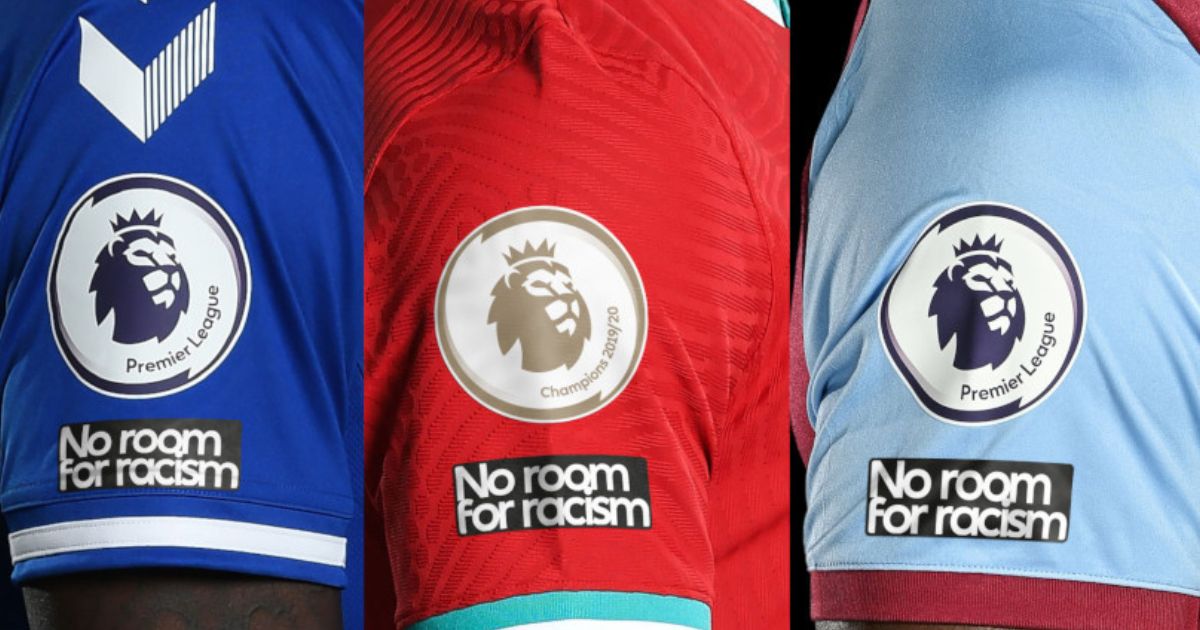
Online hate speech in sports: an increasingly urgent challenge
Article written by Enovation Consulting From racism against football players to prejudice towards women: how sports organizations are trying to address a growing phenomenon. In recent years, with the widespread rise of social media, online hate speech has become an increasingly concerning issue, particularly in the world of sports. Digital platforms like Twitter, Instagram, and TikTok have revolutionized the way fans engage with athletes and sporting events. These platforms have helped bridge the gap between athletes and supporters, creating opportunities for connection, inspiration, and real-time
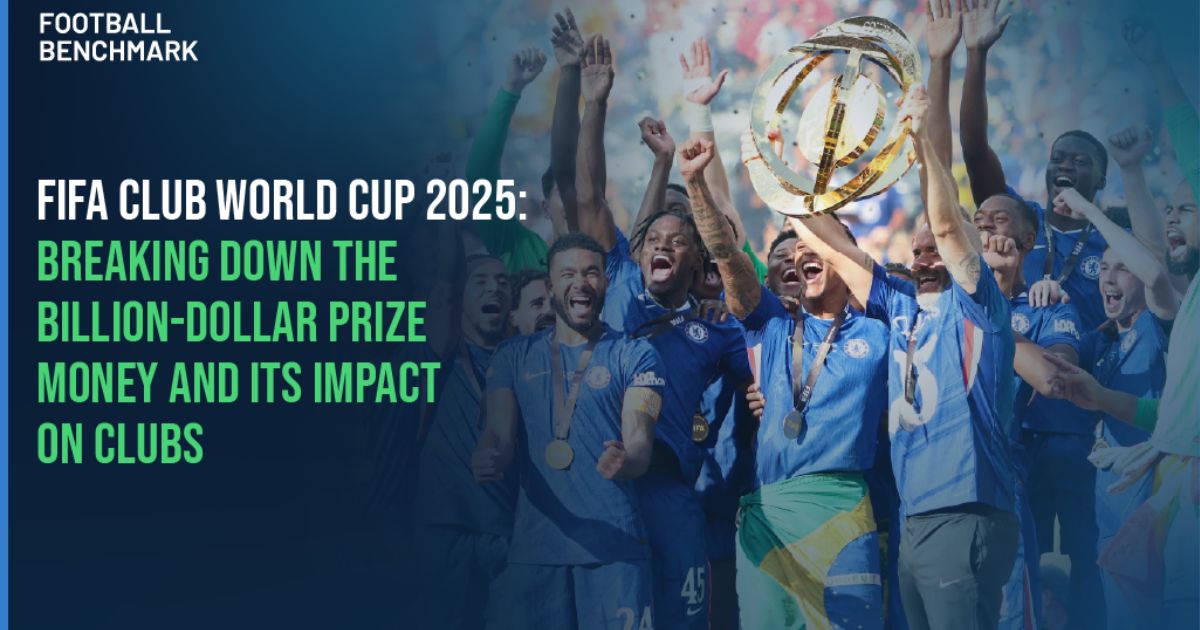
FIFA Club World Cup 2025: Breaking down the billion-dollar prize money and its impact on clubs
Analysis by Football Benchmark With USD 1.25 billion allocated through prize money and solidarity payments, the expanded FIFA Club World Cup offers a practical example of how global competitions are influencing club revenues and shifting the financial landscape across regions and tiers of the game. While the highest earners were familiar names, the data reveals a more nuanced picture. European clubs from outside the “Big Five” leagues, as well as those with lower annual revenues globally, experienced significant financial impacts relative
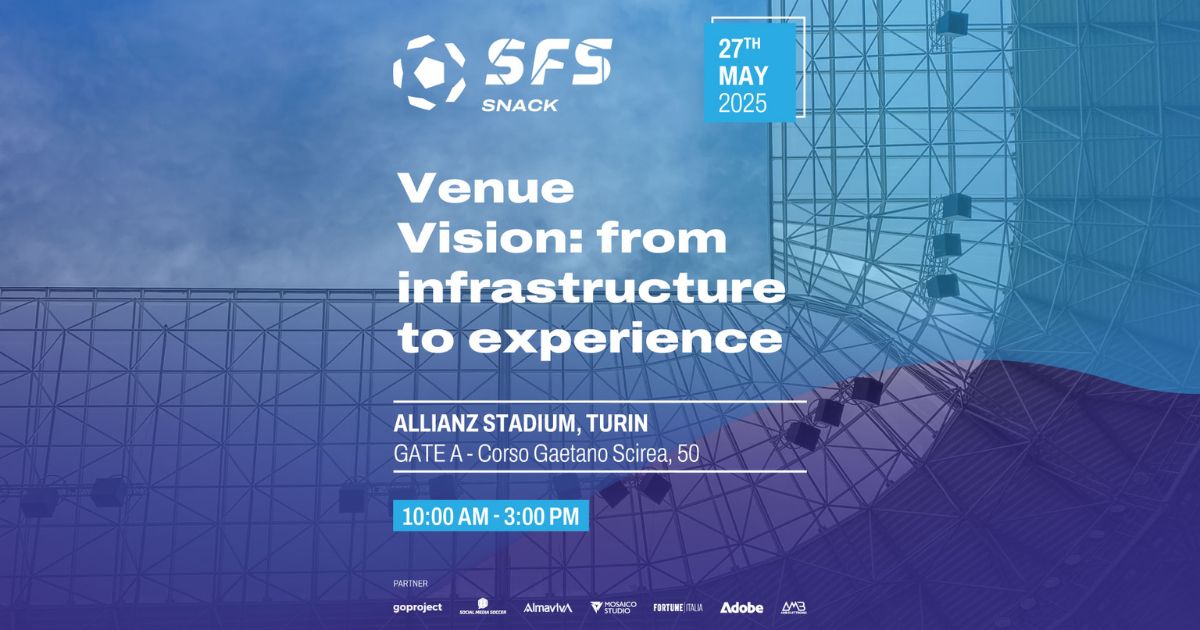
SFS BRINGS THE FUTURE OF SPORTS VENUES TO TURIN
On May 27 at the Allianz Stadium in Turin, a full day of meetings, networking, and innovation focused on the future of sports venues A new stop of the SFS Snack format will take place at Allianz Stadium in Turin on May 27 with the event “Venue Vision: from infrastructure to experience”, dedicated to the evolution of sports venues as hubs of innovation, entertainment, and fan engagement. National and international experts will share their insights on how stadiums are becoming true experiential ecosystems, going far
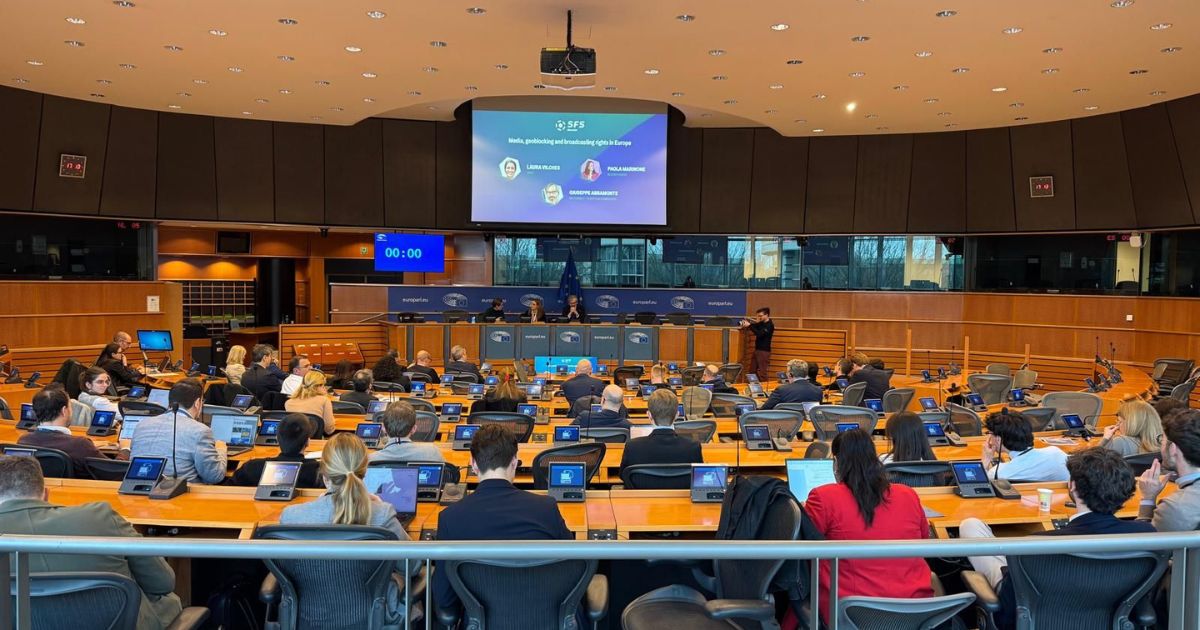
SFS at the European Parliament: A Success for the Future of European Football
SFS Snack Brussels – Football and Europe: rules, rights and priorities The SFS Snack Brussels event concluded with great success, bringing the debate on European football governance to the heart of European institutions. Hosted at the prestigious European Parliament, it provided a unique opportunity for institutions, experts, and industry professionals to discuss the regulatory, economic, and social challenges that will shape the future of football in Europe. The event was introduced by institutional remarks from MEP Nicola Zingaretti "uniting Europe means uniting society and
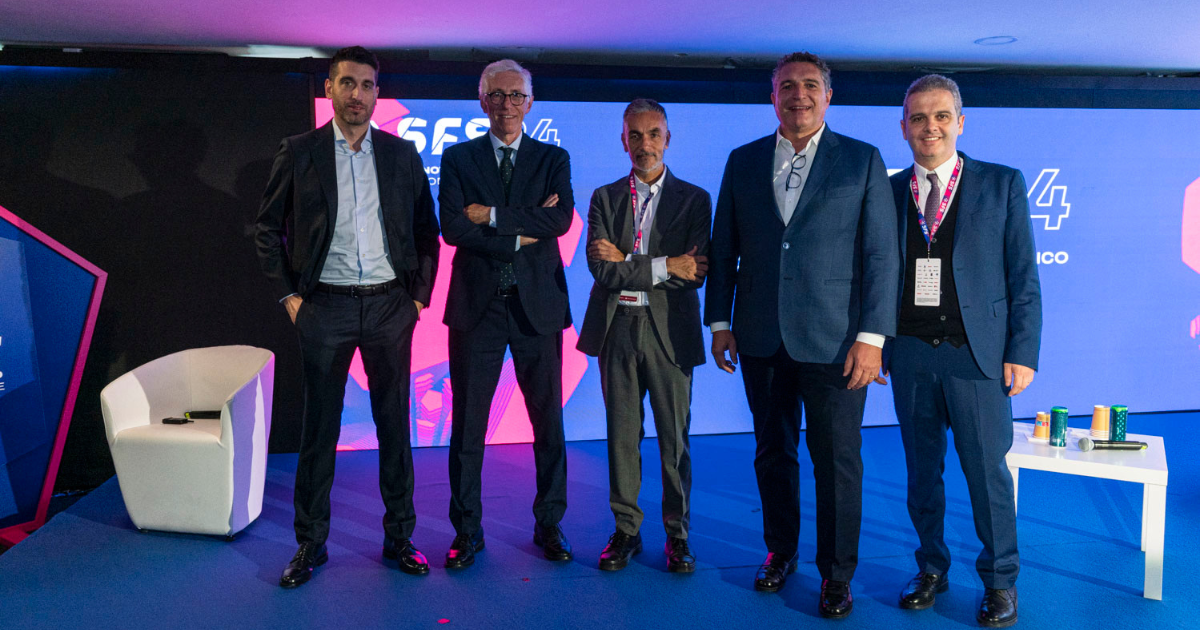
Exclusive SFS24: the Serie A festival presented
During SFS24, Lorenzo Dallari (Editorial & Social Director of Lega Serie A) and Luigi De Siervo (CEO of Lega Serie A) presented the upcoming edition of the Serie A Festival, an event designed to bring Italy’s top football league closer to the general public. The festival offers a space for dialogue, discussion, and the celebration of football in all its facets. The event, created with the goal of showcasing Serie A in an innovative and accessible way, will take place from
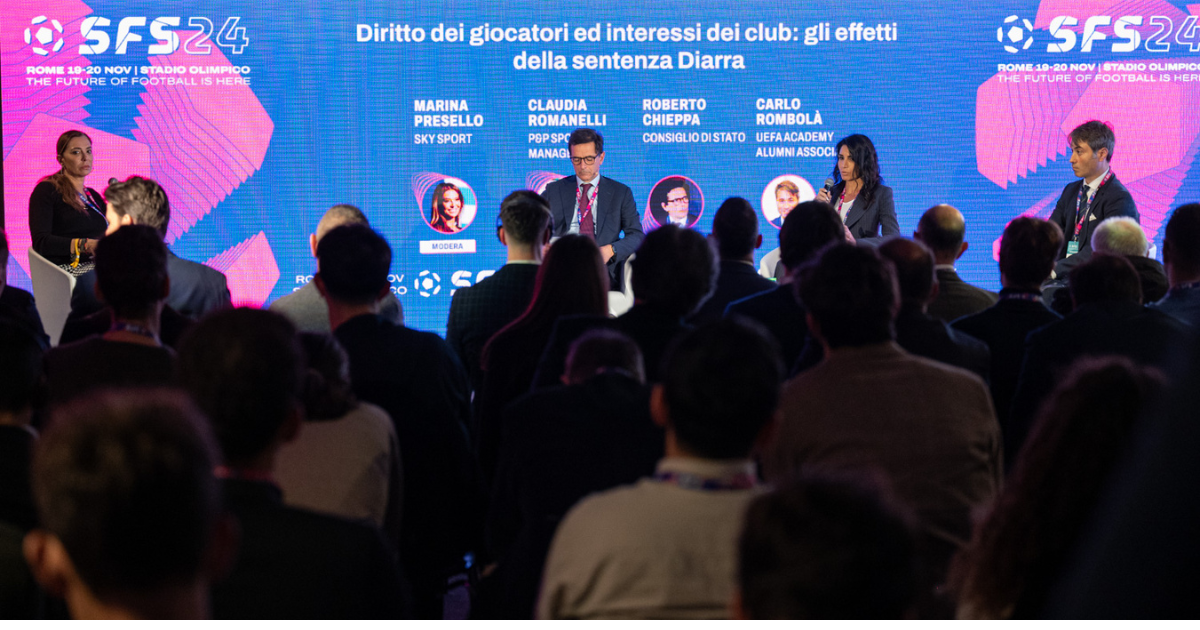
The Diarra Case and Sports Justice: Football Between Courts and International Regulations
Can a court judgement change the rules of the game?The panel “Players’ rights and club interests: the effects of the Diarra ruling” shed light on one of the most complex cases in modern sports justice, sparking new reflections on the balance between sports law and EU law. Moderated by Sky Sport journalist Marina Presello at SFS24, the panel featured Claudia Romanelli (P&P Sport Management), Roberto Chieppa (President of Section at Consiglio di Stato), and Carlo Rombolà (UEFA Academy Alumni Association). Lassana