




From 32 to 48 teams: an analysis of the logistical challenges and business opportunities of the tournament set to transform North America into the new epicenter of football.
On June 11, 2026, what will take place at the Banorte Stadium in Mexico City, the legendary Azteca, will mark the beginning of a new era in world football. The next FIFA World Cup is no longer just a sporting milestone, but the greatest testing ground ever faced by the football industry.
Between unprecedented economic ambitions and logistical complexities, the tournament promises to be a total social experiment, destined to rewrite the rules of major global event management.
As recently highlighted by The Athletic, the expansion from 32 to 48 teams is not a simple numerical increase; it is a true revolution that redefines the very concept of a global event, raising profound questions about the system’s resilience.
104 matches, 3 countries, 1 grand objective
For the first time, three nations — the United States, Canada, and Mexico — will co-host a tournament featuring 104 matches over 39 days. For brands and industry stakeholders, this means unprecedented media saturation and geographical coverage, spanning 16 host cities across multiple time zones.
However, the real challenge lies in the sustainability of such an organizational effort. Firstly, travel and logistics management represent an unprecedented puzzle: coordinating the movement of 48 delegations and millions of fans across an entire continent requires flawless infrastructural efficiency.
Parallelly, the new tournament format — featuring 12 groups of four teams and the introduction of a Round of 32 — extends the competition by a week. While this increase guarantees higher ticketing and broadcasting revenues, it also raises legitimate concerns regarding the physical and mental workload imposed on athletes.
Innovation and “Fan Experience” 2.0
The 2026 World Cup will be the first major testing ground for new technologies applied to the fan experience on a continental scale. From ultra-high-tech NFL stadiums, ready to be transformed into “soccer” temples, to the heavy digitalization of visas and transport, the goal is to create a fluid and interconnected ecosystem.
But the path to excellence is not without obstacles. International analysis shows how geopolitical tensions and rising costs are putting pressure on local administrations.
For instance, American host cities are still awaiting crucial federal funding for security, while the rising ticket prices — expected to be the most expensive ever — risk compromising affordability for the traditional fan base, shifting the event toward an increasingly exclusive dimension.
Why 2026 will change the Football Industry
For those working in the Football Industry, 2026 represents the definitive “conquest” of the North American market. With the final scheduled at MetLife Stadium in New Jersey, football aims to become truly mainstream in the United States, attracting investments that will shift the economic balance between Europe and America for decades to come.
Beyond the pitch and the spectacle of goals, the 2026 World Cup stands as the ultimate benchmark for the entire industry. It will be the measure of the capacity to manage complexity: an ecosystem where stadium sustainability, global flow management, and native integration with digital entertainment must coexist.
Football is shedding its skin, and the 2026 World Cup will tell us if this “giant model” is the sustainable horizon of the future or a challenge too ambitious for the current balance of the system.
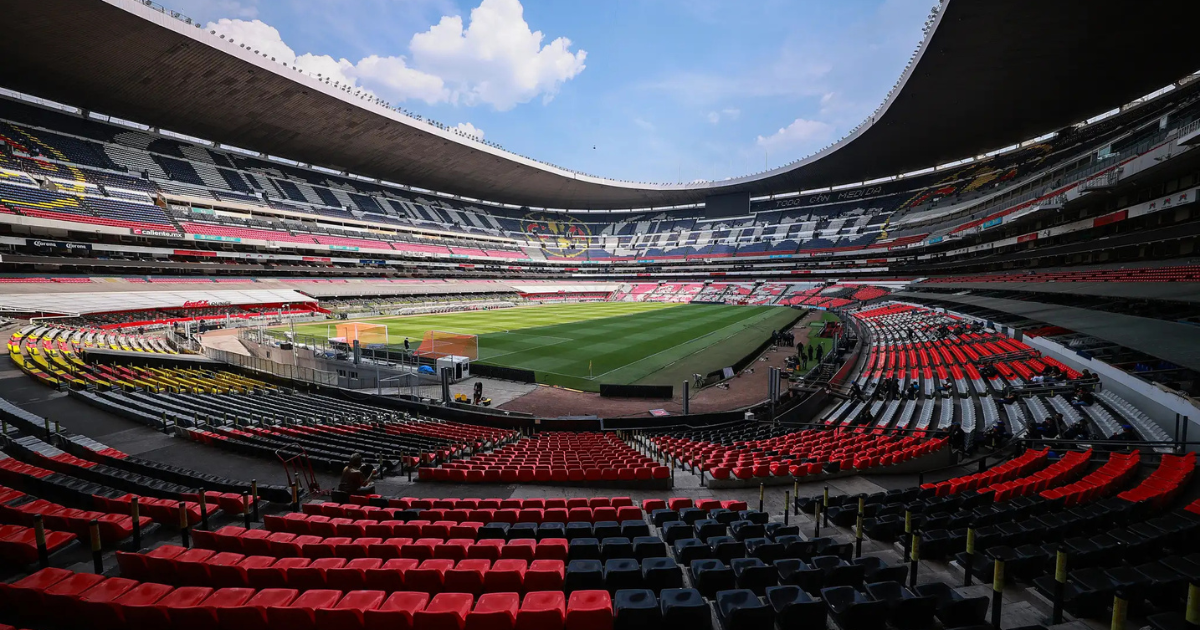
World Cup 2026: welcome to the era of sporting giantism
From 32 to 48 teams: an analysis of the logistical challenges and business opportunities of the tournament set to transform North America into the new epicenter of football. On June 11, 2026, what will take place at the Banorte Stadium in Mexico City, the legendary Azteca, will mark the beginning of a new era in world football. The next FIFA World Cup is no longer just a sporting milestone, but the greatest testing ground ever faced by the football industry. Between unprecedented
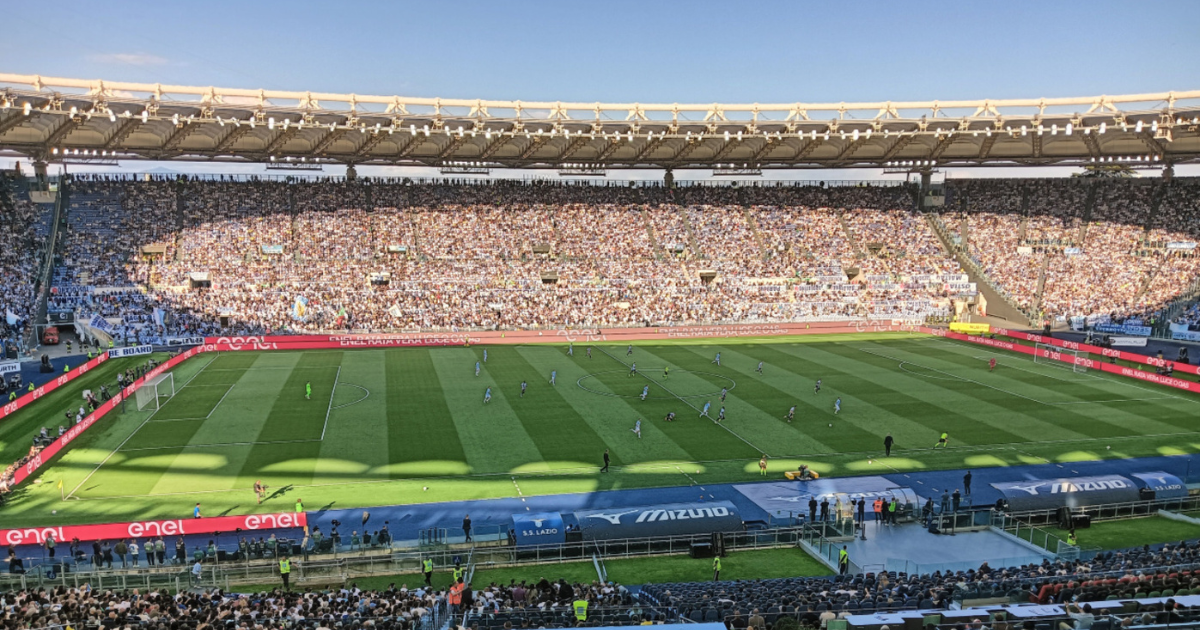
Matchday experience and loyalty: mapping fan attendance in Serie A
A five-year study by SeatPick analyzes stadium occupancy rates: Juventus leads for consistency, while Milan dominates in absolute volume. In the landscape of modern football, the stadium has evolved from a simple match venue into the beating heart of a fan engagement strategy designed to drive long-term loyalty. A recent analysis by SeatPick, based on Transfermarkt data from the last five years (2021-2026), provides a clear picture of "physical loyalty" in Italy, highlighting the clubs most successful in maintaining high stadium
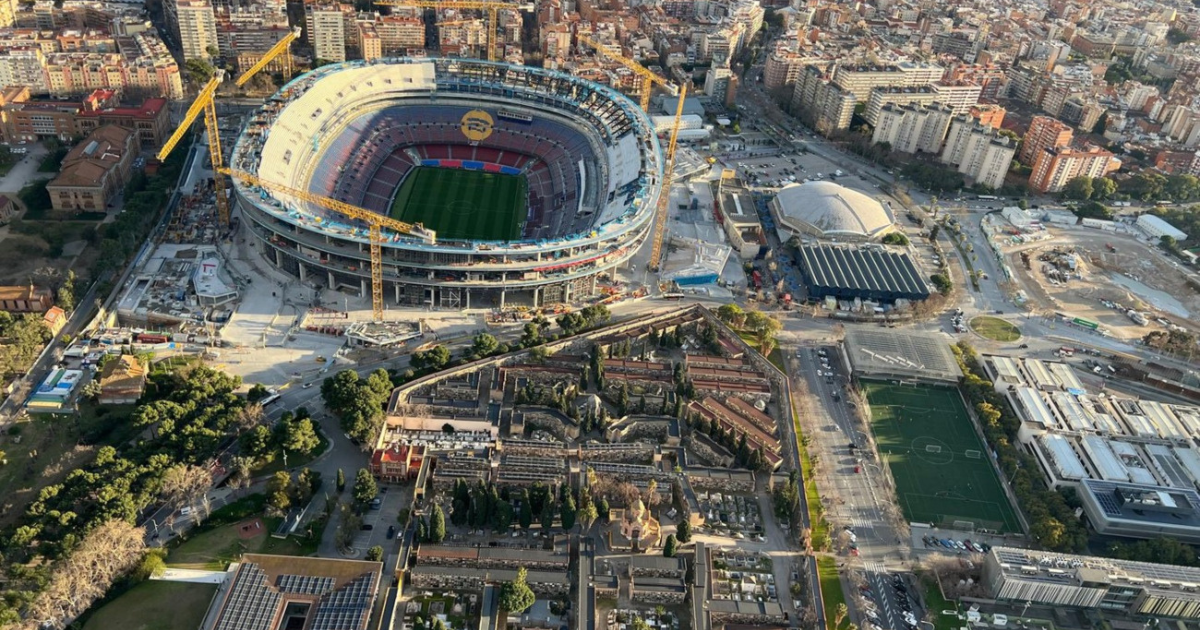
Spotify Camp Nou: Barcelona Shields the Core of its Business with 14,000 New Seats for Members
More than just bricks and mortar: the return to the new Camp Nou transforms club members into a true competitive asset, blending Revenue Management with brand loyalty. As redevelopment work at the Spotify Camp Nou continues at full speed, FC Barcelona is sending a clear message to the club’s beating heart: its members (socios). In a recent official statement, the management confirmed that once municipal approval is secured for "Phase 1C" (concerning the Gol Nord section), the entire capacity increase will
SFS and Villarreal CF present SFS Snack: “Soccer infrastructure and urban development”
SFS (Social Football Summit) and Villarreal CF are proud to announce the next edition of SFS Snack, a short-form international conference dedicated to the soccer industry, to be held on April 15 at the famous Estadio de la Cerámica. SFS Snack Vila-real will bring together high-level speakers, including representatives from major clubs such as Villarreal CF, AS Roma and Valencia Basket Club, as well as managers of international brands such as Ascale. The event, titled "Football, infrastructure and urban development," will

Stadium Business – Strategies to optimize matchday revenues
For decades, matchday revenue has been a cornerstone of football club finances, alongside broadcasting and commercial income. However, new fan engagement trends and technological advancements are challenging traditional ticketing models. Clubs must now adapt to a rapidly changing landscape where fan expectations, digital innovation, and commercial pressures require a more dynamic, data-driven approach to stadium monetization. In this article, we explore some of the strategies football clubs are implementing to maximize their matchday revenues. Defining matchday revenues Before the analysis, it is
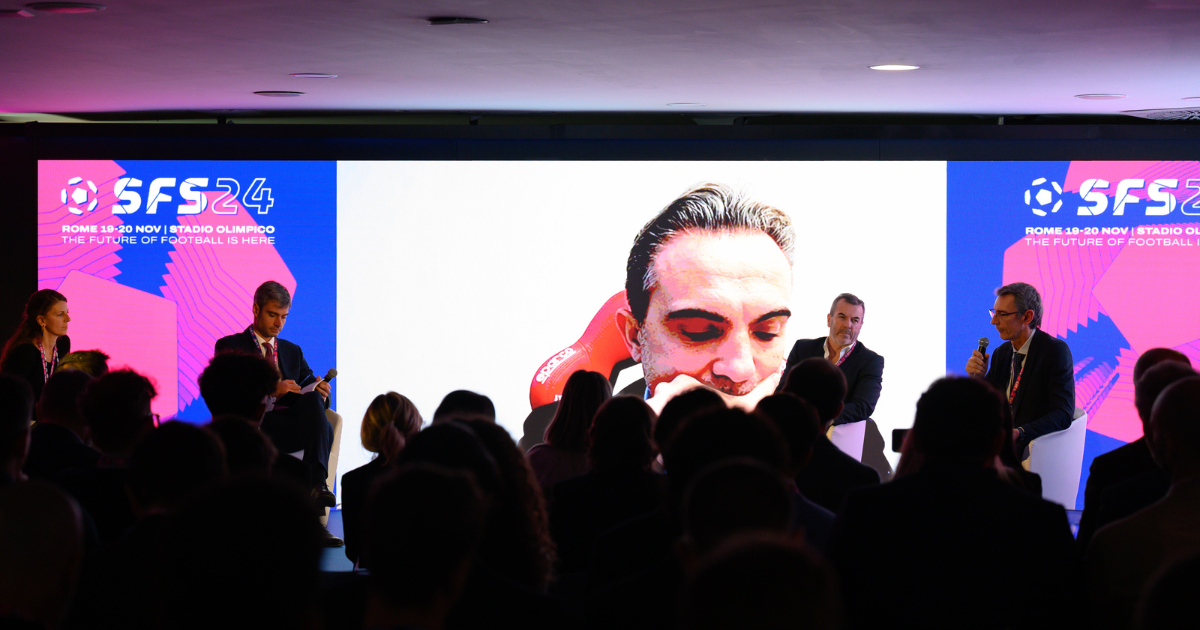
The stadium of the future: business, technology, and relationships in an evolving ecosystem
The modern stadium is no longer just a simple arena dedicated to sports but a continuously evolving ecosystem capable of integrating business, entertainment, and relationships. This was the central theme of the panel at SFS organized by Infront, featuring experts such as Javier Doña (Senior Stadia and Sports Management Advisor – Grandstand JD), Rolando Favella (Udinese), Alessandro Giacomini (Infront), and Stefano Deantoni (Infront), key figures in the management and innovation of sports facilities. The discussion highlighted how stadiums have become true