




This morning, in the beautiful setting of the Olympic Stadium, the event dedicated to sports medicine organized by Sports Doctor Network was held, with SFS active in the role of partner. The panel sessions, which also extended throughout the day, revolved around the theme of innovation and dissemination of best practices in protecting the health of athletes, in order to enhance scientific expertise and direct testimony from Europe’s leading soccer clubs.
Indeed, the range of speakers who took turns on the stage was remarkable in both professional caliber and quality: doctors from major European teams-Real Madrid, Bayern Munich, Chelsea, Atletico Madrid, Juventus, AS Roma and others-actively contributed to the dialogue. Also speaking was Gianfilippo Valentini, CEO of SFS, who from the microphones placed in the Montemario area made these statements, “We believe and invest in the SFS as a useful networking platform for the meeting and dialogue between stakeholders interested in forming and sharing experiences with strong cultural and social impacts.” Indeed, sustainability andtechnological innovation are some of the central pillars of the SFS, as also expounded in the event’s manifesto. The panel was of course also aimed at informing those present about the new location of SFS25, which this year will be held in Turin next November 18 and 19.
In this regard, a substantial part of the day was also dedicated to the venue and the cultural and social importance of sports facilities. Daniele Laureti, from GESIS (a trade association dedicated to the redevelopment of sports facilities), who was called to the stage, spoke on the subject, “Today, sports facilities are compared to specific institutions, having become micro communities that need to elevate themselves by meeting certain standards.” To wit. “Providing services to families. In Italy there are often cultural mystifications, which do not respect the connections between sports and health. The facilities, however, must be designed for that kind of activity in order to provide concrete answers to the community that makes its demands. And in this process, the role played by new technologies and ‘ artificial intelligence was also mentioned, of course. To conclude, several sponsors who wanted to associate their brands with the event also took the stage. Among them was Molisana, a player in the agribusiness sector, which through Communications and Marketing Manager Francesca Dinucci wanted to emphasize the importance of representing brands from a value perspective: “Innovation has been key to creating a healthy company with production machines that are increasingly sustainable and respond to market demands.” A seemingly unlikely relationship, that between soccer and a food brand, except that “la Molisana represents a healthy brand with a high value aspect that wants to embrace all Italian soccer fans.”
The SFS is honored to have collaborated in making this day happen.

Sports Doctor Network. Sustainability and innovation in the service of sports medicine
This morning, in the beautiful setting of the Olympic Stadium, the event dedicated to sports medicine organized by Sports Doctor Network was held, with SFS active in the role of partner. The panel sessions, which also extended throughout the day, revolved around the theme of innovation and dissemination of best practices in protecting the health of athletes, in order to enhance scientific expertise and direct testimony from Europe's leading soccer clubs. Indeed, the range of speakers who took turns on the
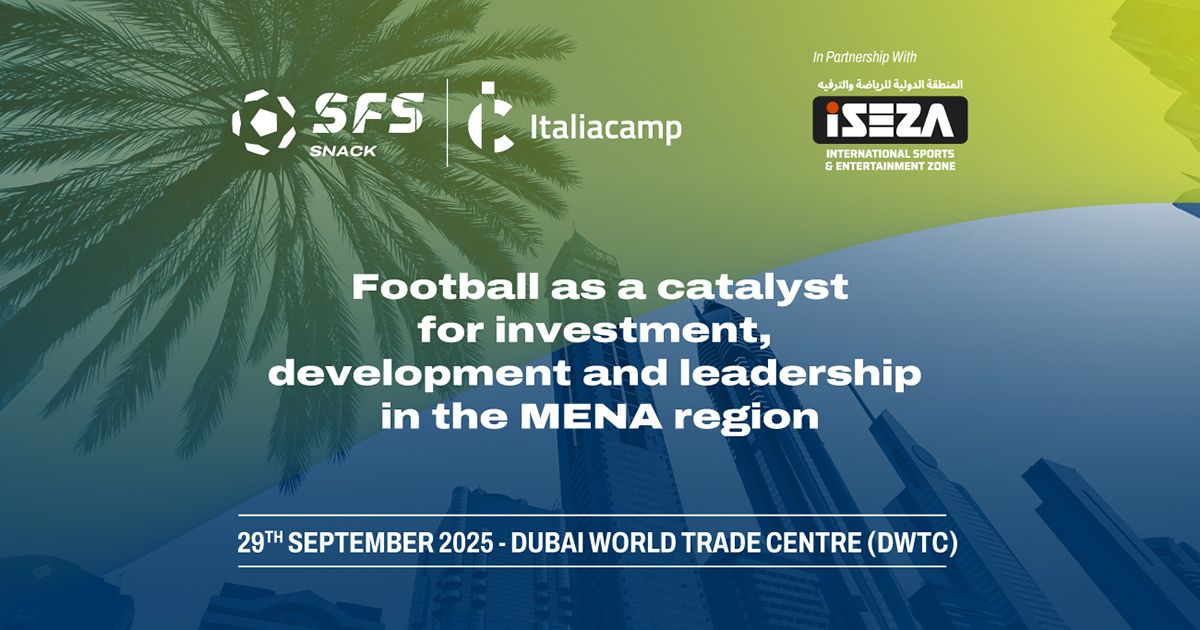
DUBAI BECOMES GLOBAL STAGE FOR SPORTS AND BUSINESS DIALOGUE
Italiacamp EMEA and SFS co-organize an exclusive international event on the role of soccer as an engine for investment, development and leadership in the MENA region Social Football Summit (SFS) and Italiacamp EMEA, in collaboration with the International Sports & Entertainment Zone (ISEZA), announce the next edition of SFS Snack in Dubai: "Football as a Catalyst for Investment, Development and Leadership in the MENA Region," scheduled for September 29, 2025 at ISEZA, Ground Floor - Building 4, One Central,
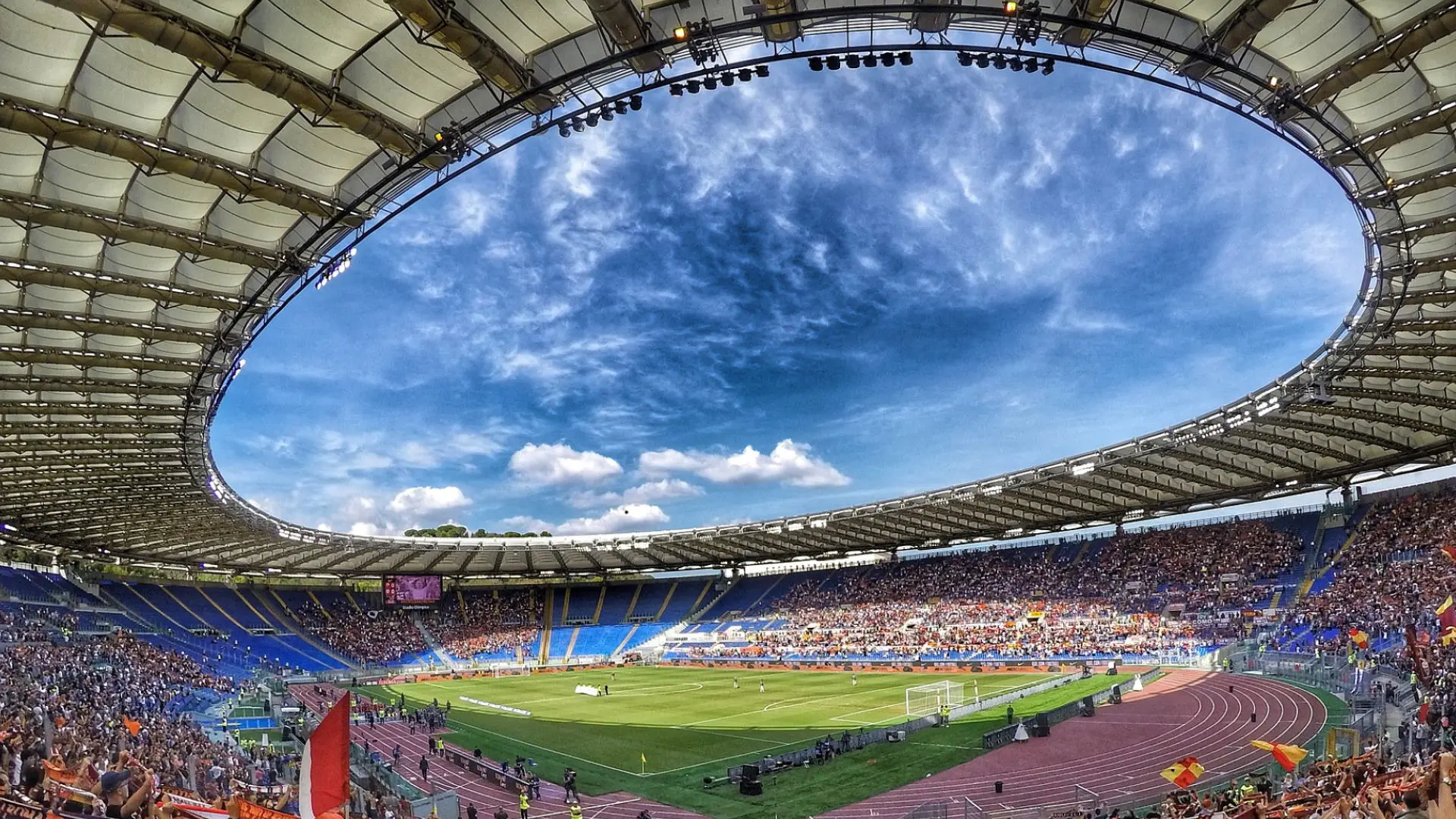
SFS partners with International Summit on Sports and Medicine.
SFS strengthens its commitment to sports medicine by launching a prestigious partnership with Sports Doctors Network, an international network of excellence in the field. This collaboration marks a decisive step in SFS's desire to actively contribute to innovation and the dissemination of best practices in athlete health protection, enhancing scientific expertise and direct testimony from Europe's leading football clubs. The alliance with Sport Doctors Network comes to fruition with theInternational Summit on Sports and Medicine, the first event in Italy
Profitability in football: Lessons from Europe’s most profitable clubs
Article written by Football Benchmark European club football has enjoyed strong revenue growth over the past decades, driven by expanding competitions, internationalisation, and commercial innovation. Yet recent years have tested this trajectory. The COVID-19 pandemic disrupted operations, while ongoing shifts in the media landscape continue to put pressure on historically reliable income streams. In parallel, regulatory frameworks have increasingly prioritised financial sustainability, reshaping the operating environment for clubs across the continent. Despite rising revenues, there remains a widespread perception that football
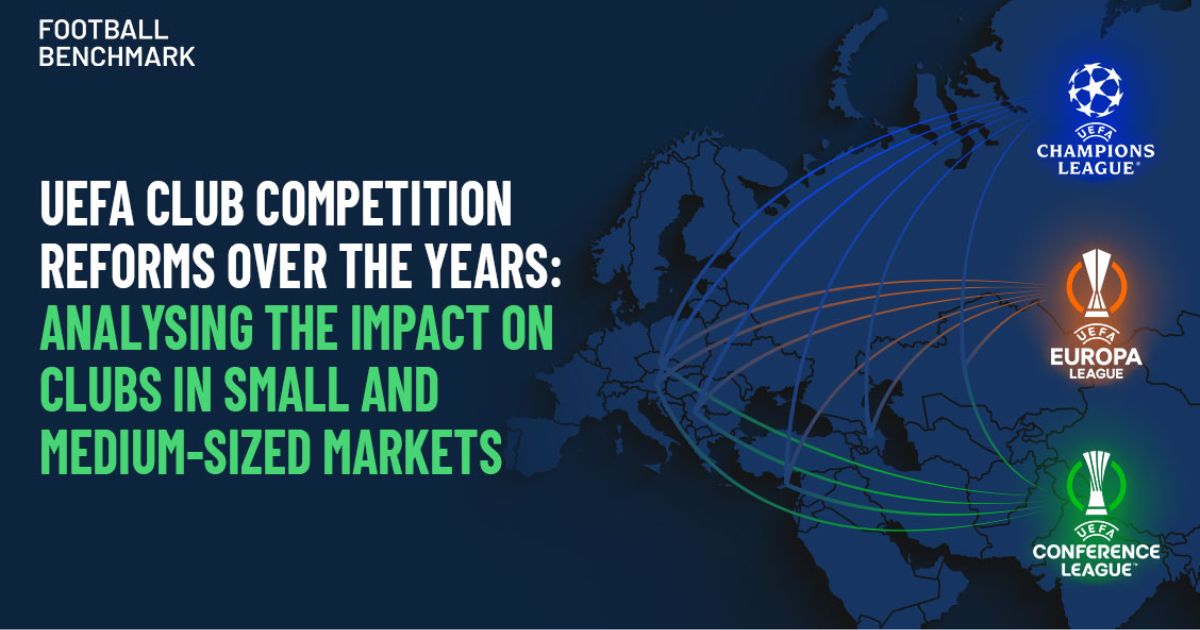
UEFA Club Competition reforms over the years: Analysing the impact on clubs in small and medium-sized markets
Article written by Football Benchmark UEFA Club Competitions (UCC) are widely regarded as the pinnacle of club football. For most clubs, however, participation on this stage is anything but guaranteed and often celebrated as a landmark achievement. Automatic access to the UEFA Champions League (UCL) league phase is restricted to the top ten leagues by UEFA’s country coefficient. However, the remaining 45 nations, home to nearly 200 million people, are a fundamental component of European club football, providing diversity, depth,
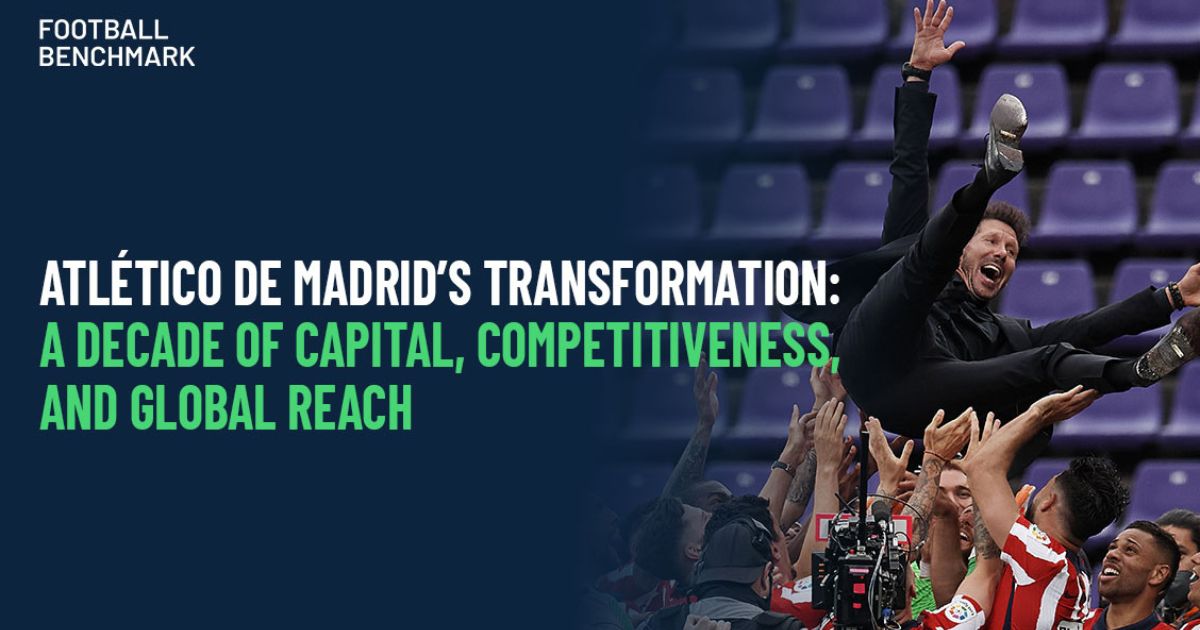
Atlético de Madrid’s transformation: A decade of capital, competitiveness, and global reach
Article by Yossi Segal & Márton Ferencz | Football Benchmark Over the past decade, Atlético de Madrid has redefined its position in European football. On the pitch, the team has become a regular fixture in the UEFA Champions League and has consistently challenged Spain’s two giants for domestic honours. Under Diego Simeone's stewardship, Atlético has reached two Champions League finals, won La Liga in 2014 and 2021, and lifted the UEFA Europa League and Super Cup, cementing its reputation on the
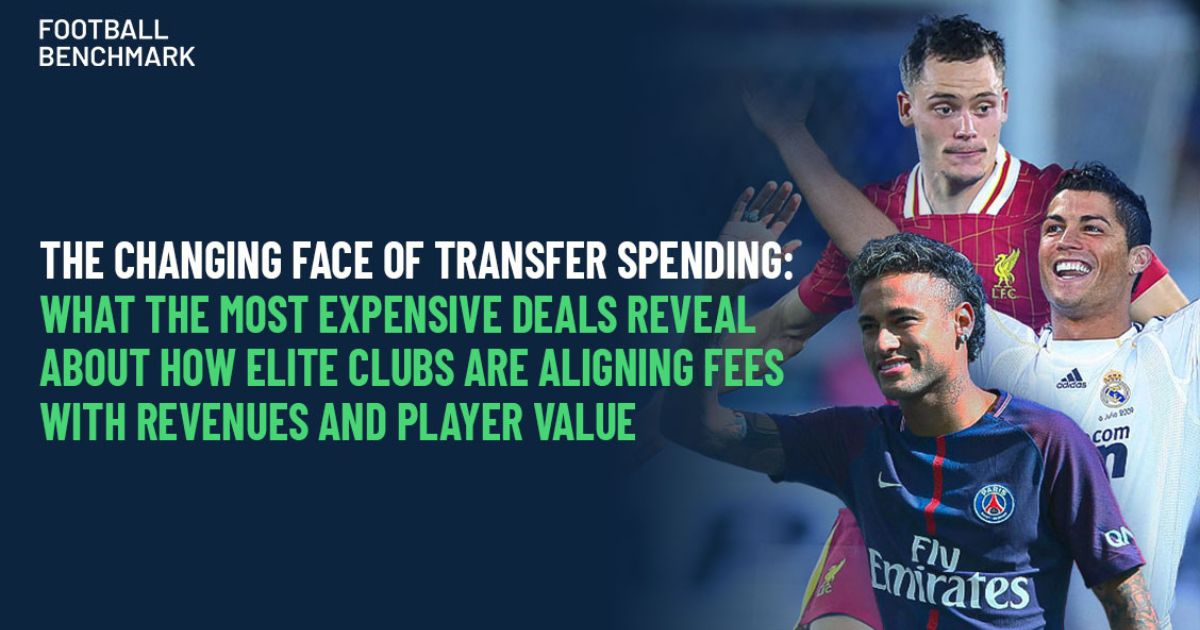
The changing face of transfer spending: What the most expensive deals reveal about how elite clubs are aligning fees with revenues and player value
Article written by Football Benchmark Each summer, transfer speculation dominates football discourse, often attracting more attention than what happens on the pitch during the season. But behind the excitement of who a club’s next Galáctico might be, a clear shift has taken place in how elite clubs approach transfer spending. Over the past 15 years, there has been a move away from speculative, unbalanced deals towards more disciplined, revenue-aligned investment. While headline fees remain high, they increasingly reflect a club’s financial capacity and
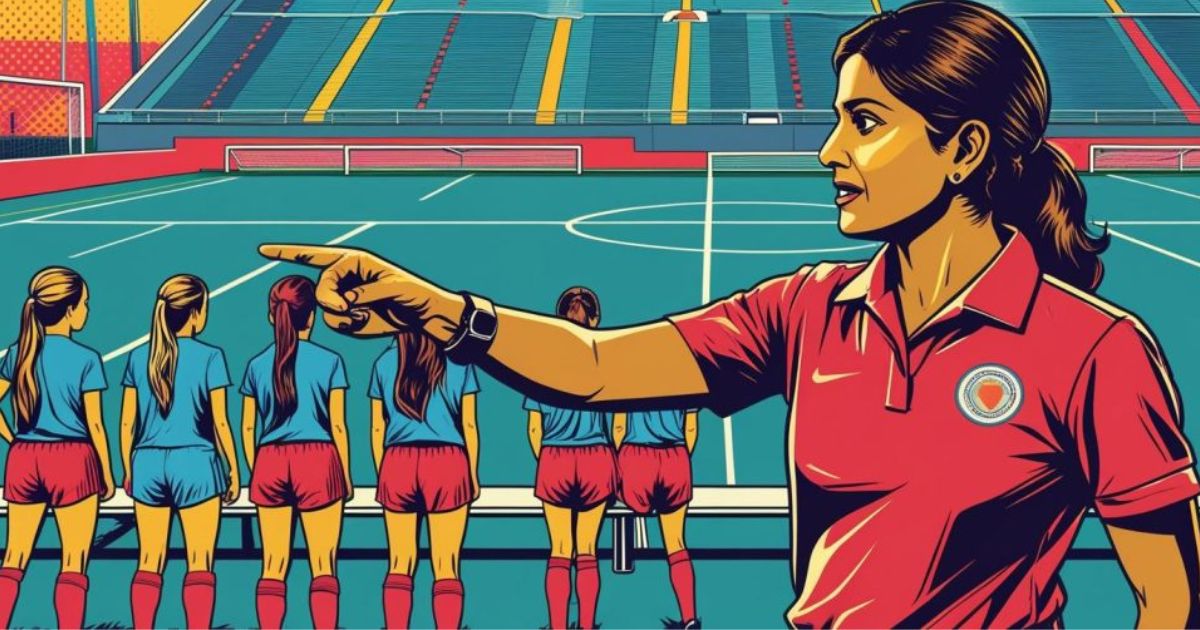
The Cogliandro Case and the Need for New Sports Regulations: A Lesson from Football
Article written by Carlo Rombolà Recent sports news tells the story of volleyball player Asja Cogliandro, who was reportedly dismissed from her team, Black Angels Perugia Volley—competing in Italy’s Serie A1—after informing them she was pregnant. The athlete decided to share her story with journalists from La Stampa, prompting a prompt and firm denial from the club, which called her account “specious and unfounded.”In Cogliandro’s defense, alongside public opinion, came the Italian Women’s Volleyball League. Its president, Mauro Fabris, stated: “Maternity has always
MAPPING SPORTING DIRECTORS: FOOTBALL DECISION-MAKER TRENDS ACROSS EUROPE’S “BIG FIVE” LEAGUES
Article written by Football Benchmark Sporting Directors have become increasingly visible in the discourse surrounding the summer transfer window, a period when their work moves into the spotlight. But their role extends far beyond player transfers. From squad building and recruitment to managing the academy pipeline and setting long-term sporting direction, Sporting Directors are now central to how clubs operate year-round. Seen as the strategic anchor of a club’s football department, they are expected to focus on long-term planning and sporting coherence. Yet
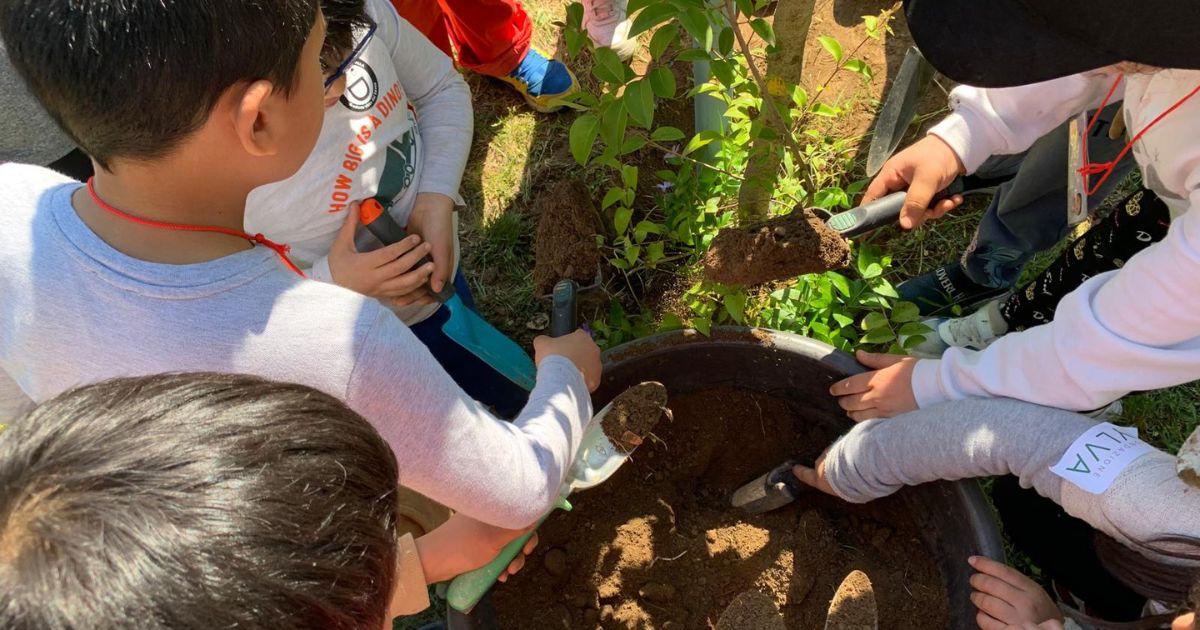
AREA CSR LND TOGETHER WITH SYLVA FOUNDATION FOR THE ENVIRONMENT
A new initiative by the Amateur League to support the environment during the Beach Soccer Scudetto Finals Rome, July 30, 2025- A concrete commitment to the environment, made through sports, specifically beach soccer, which aims to plant trees. Tied to this goal is the commitment of the Amateur League's CSR Area, which during the finals launches a partnership with Sylva Foundation, a nonprofit organization that focuses on environmental regeneration through forestation. In addition to other initiatives, the partnership includes entering the field with