




A new paradigm for capital: why the Bundesliga’s regulatory stability is becoming a magnet for major international investors
German football is poised for a structural transformation that could redefine the economic balance of European football. According to a recent report by Morningstar DBRS, the new Financial Fair Play (FFP) rules adopted by the Bundesliga represent more than just a constraint; they are a strategic opportunity to bolster capital attraction and long-term club stability.
Moving towards the UEFA model: the 70% cap
The most significant update involves the Deutsche Fußball Liga (DFL) aligning with UEFA parameters: the introduction of a squad cost cap—covering wages, agent fees, and transfer amortization—set at 70% of total revenue by 2028.
While the Bundesliga has historically been celebrated for its prudent management and lack of systemic debt, this new regulation introduces a “harmonized discipline.” Paradoxically, this makes German clubs even more attractive to institutional investors.
Why does the new FFP favor investment?
Why would a regulation that seemingly “limits” spending be welcomed by those looking to invest in football? The answer lies in the shift from a purely sporting management model to an industrial-style approach.
In the past, investing in football was often seen as a leap in the dark: variable costs, such as skyrocketing player salaries and exorbitant agent commissions, could erode revenues almost instantly. The Bundesliga’s new FFP radically changes this perspective. By imposing a 70% cap on squad costs relative to revenue, the DFL is not just curbing expenses; it is providing investors with a framework of predictability. Anyone injecting capital into a German club today knows there is an impassable regulatory perimeter protecting the balance sheet from speculative drift.
Furthermore, this increased financial discipline shifts the focus of competition from “who spends the most” to “who manages resources best.” For an institutional investor, this means a club’s value will no longer depend solely on a 90th-minute goal, but on the ability to optimize tangible assets: modern infrastructure, top-tier academies, and cutting-edge digital strategies. In short, the new FFP transforms clubs from risky bets into sustainable enterprises capable of generating long-term value while keeping the soul and identity of German football intact.
The “50+1” factor and future challenges
Despite the financial optimism, the Bundesliga remains a unique ecosystem due to the 50+1 rule, which ensures fan-members retain majority voting rights. However, the report highlights how the new FFP can act as a bridge: while control remains with the fans, the stability guaranteed by the new rules mitigates the concerns of minority investors. They increasingly view the Bundesliga as a “safe” and growing market, especially regarding media rights and global partnerships.
A model for Europe?
The Bundesliga confirms its status as a laboratory for innovation in sports management. If the new Financial Fair Play succeeds in blending the grassroots passion of the German model with an enhanced capacity to attract foreign investment, Germany could seriously challenge the economic leadership of the Premier League by betting everything on profitable sustainability.
Bundesliga: the new financial fair play as a catalyst for investment
A new paradigm for capital: why the Bundesliga’s regulatory stability is becoming a magnet for major international investors German football is poised for a structural transformation that could redefine the economic balance of European football. According to a recent report by Morningstar DBRS, the new Financial Fair Play (FFP) rules adopted by the Bundesliga represent more than just a constraint; they are a strategic opportunity to bolster capital attraction and long-term club stability. Moving towards the UEFA model: the 70% cap The most

Global sport, Italian football, international investors, and the worldwide market – Valerio Casagrande interview
Between investment funds and new governance: Leap Academy launches the Master in Football Finance to train international Sport Business leaders Modern football is no longer played solely on the pitch; it is played on a global chessboard where international capital, private equity funds, and new governance strategies constantly redefine the boundaries of the sports industry. In an environment characterized by the "competition between competitions" and a relentless push toward internationalization, professional training and managerial expertise are no longer optional—they are vital
World Cup Fever: the massive economic engine driving North America
The eyes of the world are on North America: with the world championship just around the corner, thousands of fans are preparing to undertake long journeys following their national teams across the three host countries. It is a unique experience that, however, mobilizes a massive lateral economic machine involving numerous sectors and cities. To manage the complex logistics, FIFA has launched a partnership with Airbnb—already valid for the FIFA Club World Cup 2025™ and active for the FIFA World Cup 2026™

Manchester United under INEOS: reforming a football behemoth amid instability
Article written by Football Benchmark Manchester United FC are a club in transition. It is a state that has felt persistent since 2013, when Sir Alex Ferguson retired after more than two and a half decades at the helm of English football’s most dominant force. Much has changed in the years since, yet throughout that period, the club have remained some distance from the summit of the English and European game on the pitch. Off it, however, the brand strength and
FIFA World Cup 2026: why is Zurich cutting costs despite record revenues?
An analysis of FIFA’s 2026 roadmap: balancing billion-dollar challenges with record-breaking forecasts, and how efficiency is redefining the football industry. It’s not just about stadium capacity or travel distances: the road to the 2026 World Cup is evolving into a sophisticated budgetary exercise. As North America prepares to host the unprecedented 48-team format, a strategic move has rippled through the sector: FIFA has slashed operating expenses by over $100 million, mandating drastic cost optimization. But what lies behind this decision? Is
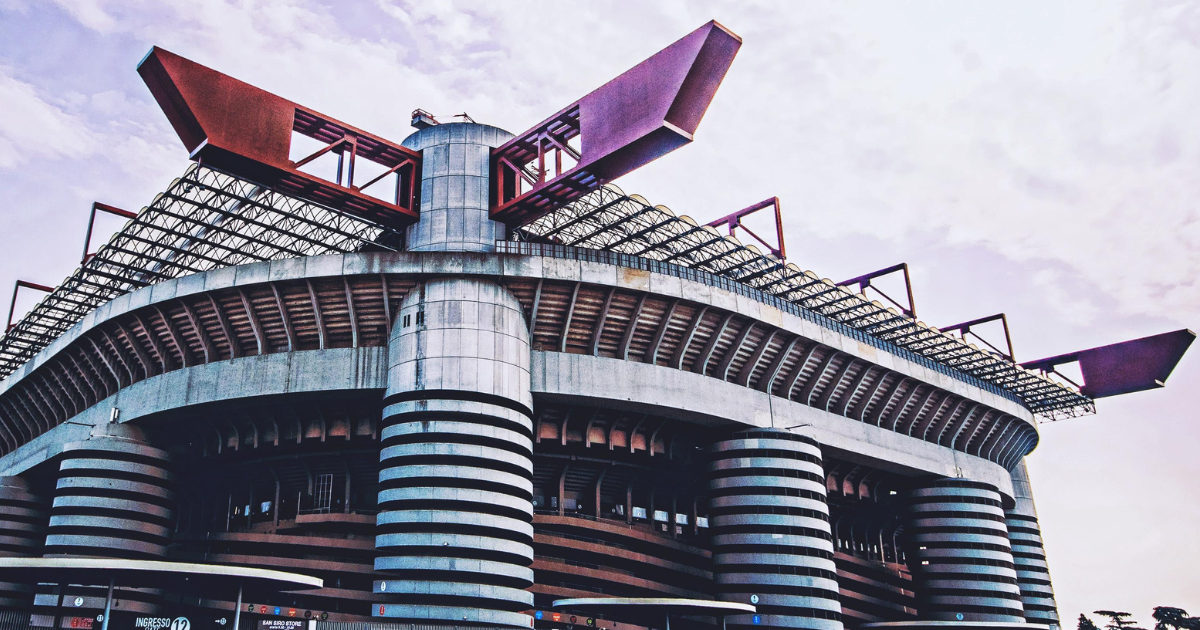
Milan-Inter: invisible excellence and the health management of major events
From clinical management at San Siro to Premier League standards: how health safety and risk management transform the fan experience on the field. The Milan Derby is not just a top challenge or a global media event; it is, for all intents and purposes, a complex ecosystem that must ensure the safety of more than 75,000 people in a tight time frame. Behind the scenes at the "Stairway of Football," an impressive organizational machine is moving, transforming the stadium into a
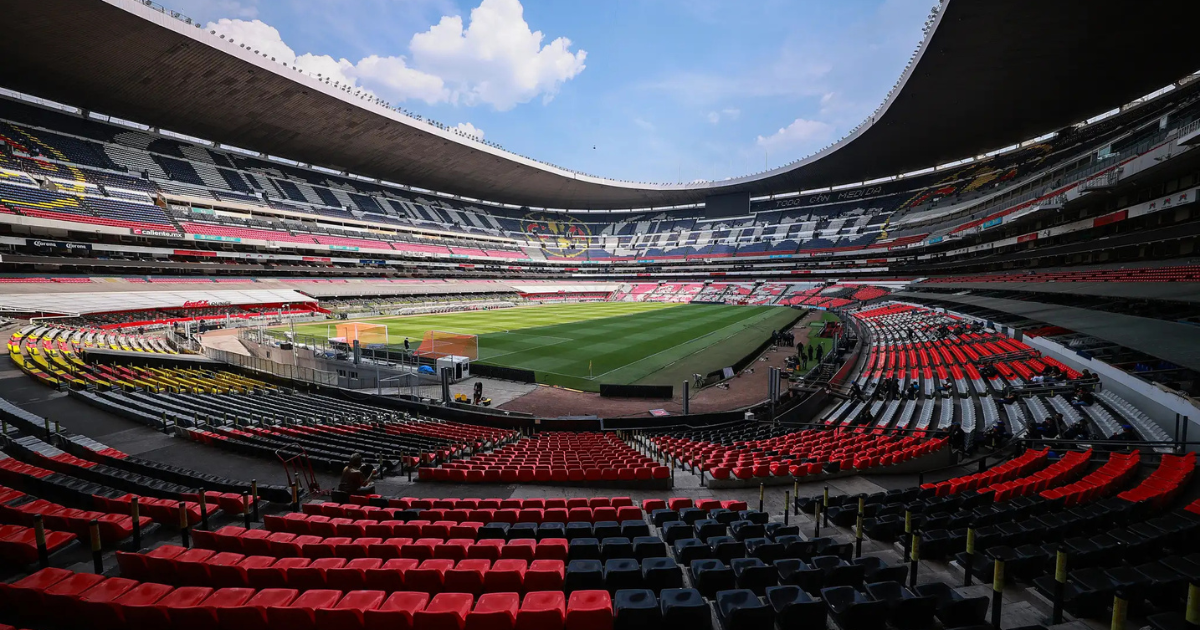
World Cup 2026: welcome to the era of sporting giantism
From 32 to 48 teams: an analysis of the logistical challenges and business opportunities of the tournament set to transform North America into the new epicenter of football. On June 11, 2026, what will take place at the Banorte Stadium in Mexico City, the legendary Azteca, will mark the beginning of a new era in world football. The next FIFA World Cup is no longer just a sporting milestone, but the greatest testing ground ever faced by the football industry. Between unprecedented
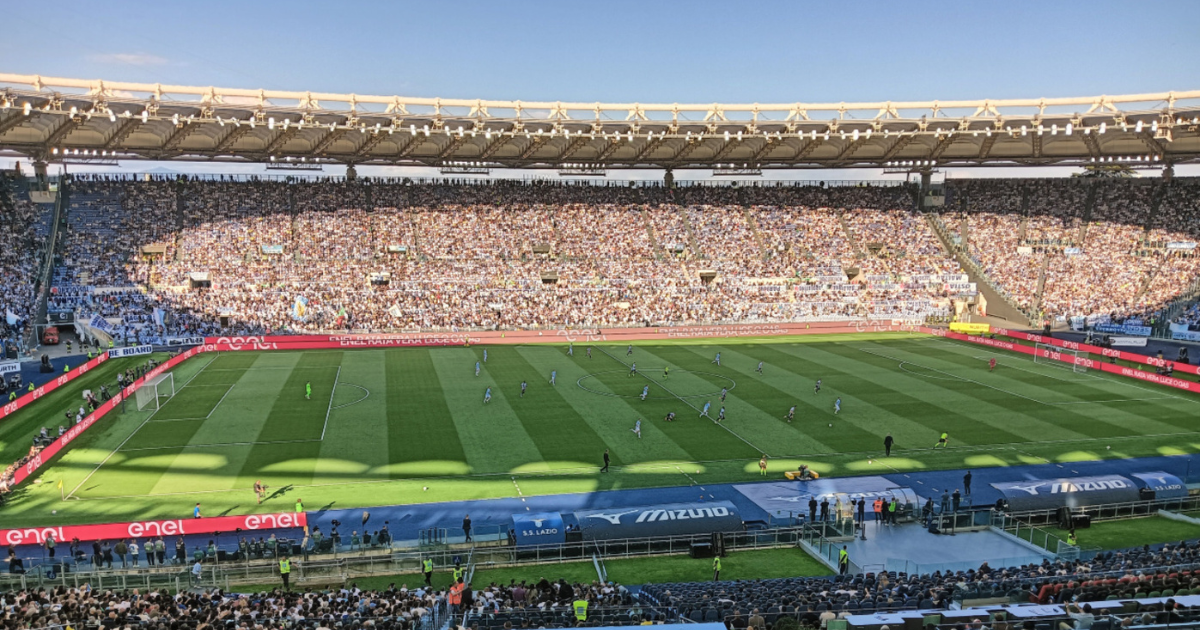
Matchday experience and loyalty: mapping fan attendance in Serie A
A five-year study by SeatPick analyzes stadium occupancy rates: Juventus leads for consistency, while Milan dominates in absolute volume. In the landscape of modern football, the stadium has evolved from a simple match venue into the beating heart of a fan engagement strategy designed to drive long-term loyalty. A recent analysis by SeatPick, based on Transfermarkt data from the last five years (2021-2026), provides a clear picture of "physical loyalty" in Italy, highlighting the clubs most successful in maintaining high stadium
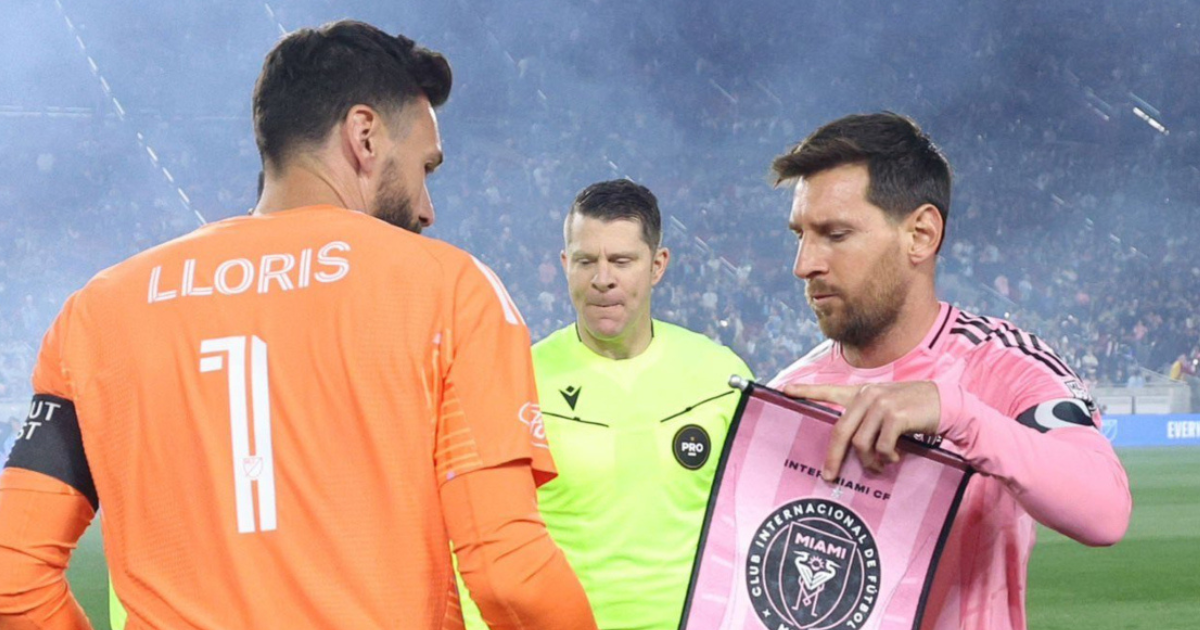
MLS 2026: the year of reckoning between global stars and the World cup shadow
Between the "Messi effect," Martino’s return to Atlanta, and the anticipation for the 2026 World Cup, MLS is kicking off a season that will be decisive for the future of soccer in the US Major League Soccer has reopened its doors, and there is a palpable sense that this is no ordinary season. With the 2026 World Cup on the horizon—hosted across the USA, Canada, and Mexico—the American league finds itself in the eye of a storm of investment, star power,
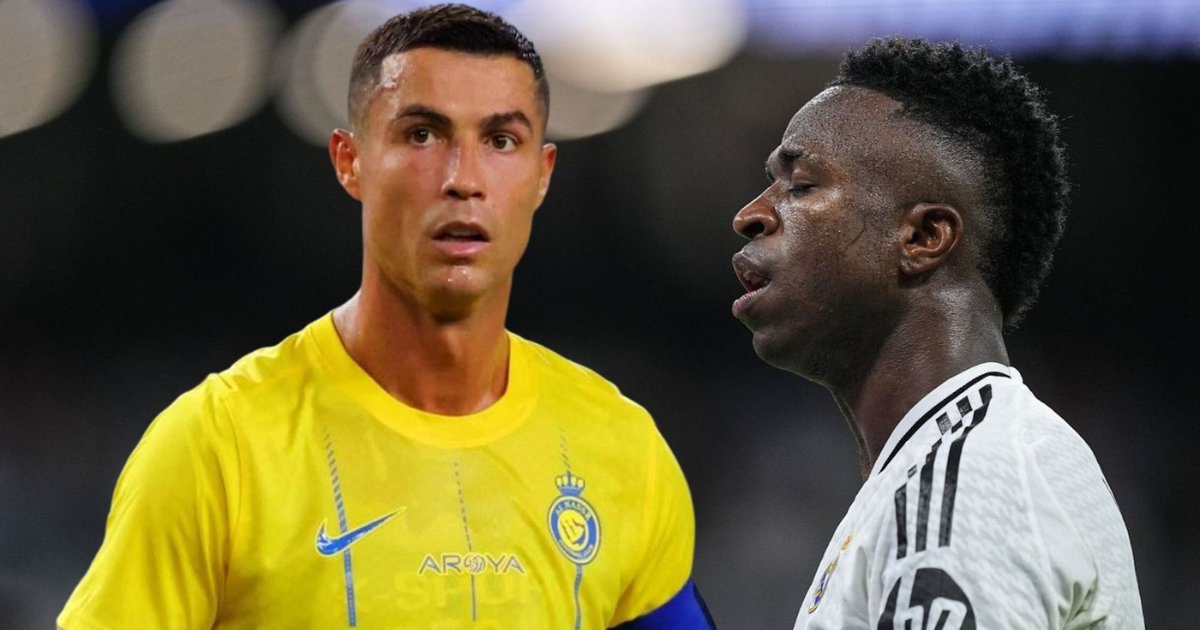
The Economics of Attention: Why digital hype is the new currency of Football
Vinicius Jr. leads digital hype with +1.5M fans per month, challenging CR7's $275M In the elite soccer of the 2025/2026 season, the referee's final whistle is but the beginning of a second game, perhaps more complex and certainly more profitable than the one played on the green turf. For those involved in innovation and the sports industry, we are facing an unprecedented metamorphosis: the value of a footballer today is no longer a simple sum of goals and assists, but a