




Vinicius Jr. leads digital hype with +1.5M fans per month, challenging CR7’s $275M
In the elite soccer of the 2025/2026 season, the referee’s final whistle is but the beginning of a second game, perhaps more complex and certainly more profitable than the one played on the green turf. For those involved in innovation and the sports industry, we are facing an unprecedented metamorphosis: the value of a footballer today is no longer a simple sum of goals and assists, but a complex equation between athletic performance, media clout and the ability to preside over the collective imagination of the new generations.
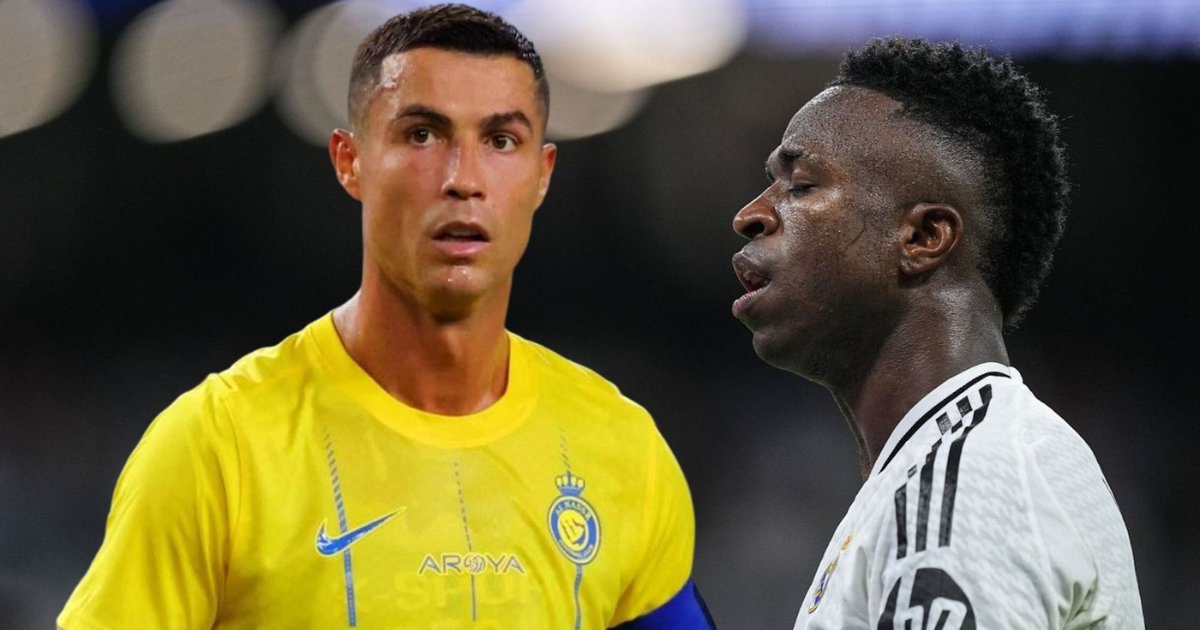
Heepsy ‘s latest report (November 2025) took a sharp snapshot of this change, revealing a handover that to call “historic” is not journalistic exaggeration, but statistical fact. We are witnessing the rise of Vinicius Jr. to the top of the list of athletes with the most “hype” online. The Real Madrid talent has surpassed global icons of the caliber of Cristiano Ronaldo and Lionel Messi, marking the end of an era and the beginning of a new model of athlete-brand monetization.
The new hierarchy of value: established assets vs. growing assets
To understand the impact of this overtaking, we need to analyze the underlying figures. Although Cristiano Ronaldo continues to dominate the Forbes rankings with stratospheric earnings touching $275 million, his is a wealth that reflects an established success, an empire built over a 20-year career. In contrast, the growth of Vinicius Jr. is explosive and forward-looking: gaining 1.5 million followers on Instagram in just 30 days is not just an exercise in popularity, but an indicator of “attention liquidity.”
For a club or sponsor, such an accelerated rate of growth represents a huge market opportunity. While the value of an icon like CR7 is already widely priced by the market, the rise of Vinicius allows for intercepting emerging trends before they reach their economic peak. This means that sponsorship contracts are no longer signed solely on the basis of the player’s “story,” but on his or her ability to generate immediate and organic conversions in digital streams.
The athlete as content creator: the TikTok model
Soccer continues to exert almost absolute hegemony in the global media landscape, with half of the “Top 10” most influential athletes in the world composed of soccer players. However, the manner in which this influence is exerted has changed dramatically. Tabi Vicuña, founder of Heepsy, highlighted how active participation in the online world is no longer an option, but a vital strategic necessity.
Let’s take Vinicius Jr.’s numbers on the TikTok platform: with 28.3 million fans, the Brazilian not only communicates with Real Madrid fans, but also dialogues with Gen Z through a language of aesthetics, charisma, and personal storytelling. This digital presidium transforms the player into a full-time content creator, capable of unlocking extremely valuable economic assets that go far beyond the traditional technical sponsorship contract. Their lives are discussed, analyzed and consumed as much as those of Hollywood actors or international pop stars, making soccer the universal language of contemporary sports marketing.
Cross-media impact and the challenge of Formula 1
Although soccer remains the main “magnet” for collective attention, the industry needs to look around. The Heepsy report shows how other disciplines are learning to manage hype with surgical effectiveness. The case of Max Verstappen is emblematic: the Formula 1 driver is capable of generating massive mainstream news coverage, with 1.1 million mentions, combining this with millions of social media posts.
This shows that the real strength of a sports brand today lies in its cross-media nature. A soccer player who only dominates the field is an incomplete asset. A soccer player who dominates only social media risks being a meteor. The key to economic success in 2026 lies in the ability to merge the two worlds, making each match a transmedia event that generates millions of hashtags and, as a result, millions of dollars in visibility and sales.
Why hype is the new compass of the Football Industry
For those who work in the business of soccer and participate in innovation forums such as the Social Football Summit, these analyses are not simply statistical curiosities. These are key strategic compasses for anticipating the market. Data reveal that current digital engagement is the best predictor of a club’s financial health in the medium to long term.
Dominating the digital space means building the fan (and thus consumer) base of the next decade. If a young fan from Jakarta or São Paulo chooses to follow Real Madrid, it is not just because of the trophies won in the last century, but because he sees Vinicius Jr. dancing on TikTok or defending social causes on Instagram. Digital hype is, for all intents and purposes, as valuable a currency as the trophies on the trophy case.
In conclusion, the evolution of fan engagement tells us that modern soccer has stopped being an industry of products (tickets, jerseys) to become an industry of relationships and relevance. Staying relevant in the endless streaming of fans’ digital lives is the real challenge. Those who, like Vinicius Jr. manage to ride this wave not only win on the field, but rewrite the economic rules of a sport that never stops evolving.
The Economics of Attention: Why digital hype is the new currency of Football
Vinicius Jr. leads digital hype with +1.5M fans per month, challenging CR7's $275M In the elite soccer of the 2025/2026 season, the referee's final whistle is but the beginning of a second game, perhaps more complex and certainly more profitable than the one played on the green turf. For those involved in innovation and the sports industry, we are facing an unprecedented metamorphosis: the value of a footballer today is no longer a simple sum of goals and assists, but a
The Other Side of Growth: The Security Emergency and Abuse in Women’s Football
While women’s football is experiencing unprecedented commercial growth and popularity, a dark side is emerging that threatens its founding values: the rise of stalking, misogyny, and online abuse is forcing clubs and players into a necessary—but painful—lockdown. Women’s football has always made accessibility its trademark, a distinguishing feature compared to men’s football, often perceived as distant and heavily guarded. However, this “closeness model” is now faltering under the weight of overexposure that is becoming dangerous for players’ safety. According to an investigation
“Numeri in Palla”, by Jacopo Carmassi: The Revenue Championship
Data and reflections on football club revenues and potential strategies to reduce imbalances Today I want to talk to you about standings. Not the one based on points earned on the pitch, but the one based on football club revenues. The concept that "the richest teams win" (or at least, those among the richest) finds numerous confirmations in reality, both in Italy and abroad. The mirror concept—that "the less wealthy teams lose"—is equally valid. There are, of course, exceptions, but the

Spotify Camp Nou: Barcelona Shields the Core of its Business with 14,000 New Seats for Members
More than just bricks and mortar: the return to the new Camp Nou transforms club members into a true competitive asset, blending Revenue Management with brand loyalty. As redevelopment work at the Spotify Camp Nou continues at full speed, FC Barcelona is sending a clear message to the club’s beating heart: its members (socios). In a recent official statement, the management confirmed that once municipal approval is secured for "Phase 1C" (concerning the Gol Nord section), the entire capacity increase will
ESTA under the microscope: what’s changing for football travel to the U.S. — and why it matters
Article written by Giulia Pezzano, Senior Immigration Analyst, Arce Immigration Law (Miami) With the 2026 FIFA World Cup approaching and the co-host United States preparing for a surge of fans, media, and football professionals, entry rules are becoming part of the football conversation. Football travel is now routine: preseason tours, international friendlies, fan trips, and a growing wave of creators and media moving with the game. In Washington, that reality intersects with a concrete policy proposal: U.S. Customs and Border Protection (CBP)
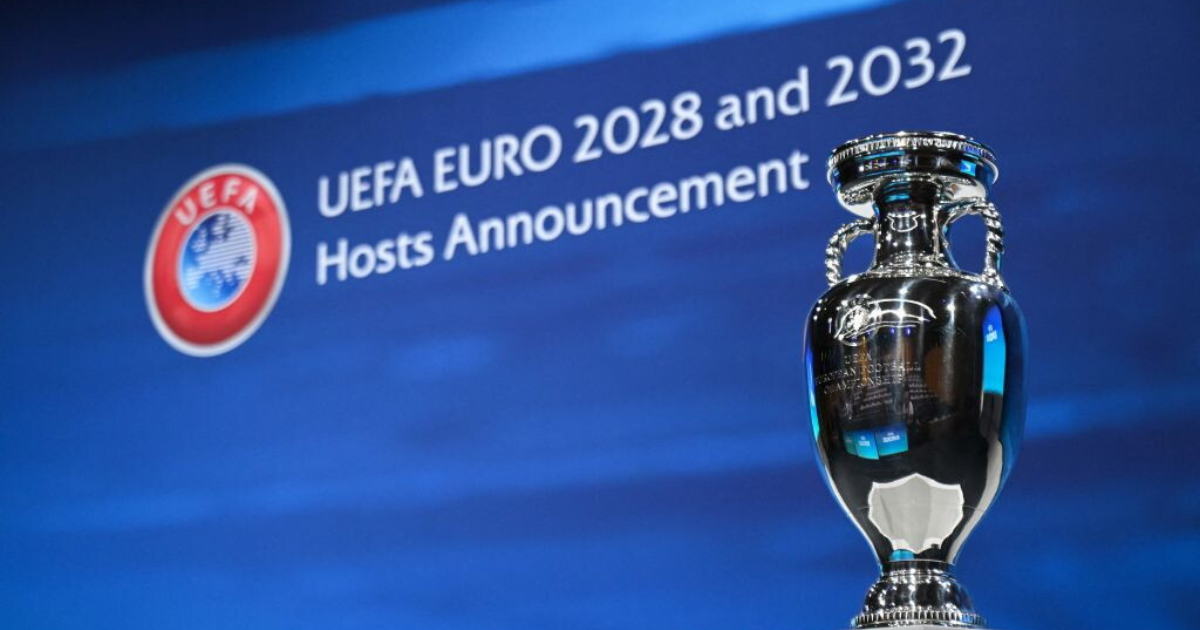
Euro 2032: The Origin and Structural Evolution of Italian Stadiums Vying to Host the Tournament
There is a dream called Euro 2032. The goal is clear and shared by several cities across the Italian "boot." Between surprise entries, a few current certainties, and the risk of shocking exclusions, the race to host this long-awaited continental event remains wide open. Final selections will inevitably be limited due to the joint bid with Turkey. While cities like Rome, Milan, Turin, and Florence seem to have the upper hand, enchanting locations such as Naples, Bari, Palermo, and Cagliari
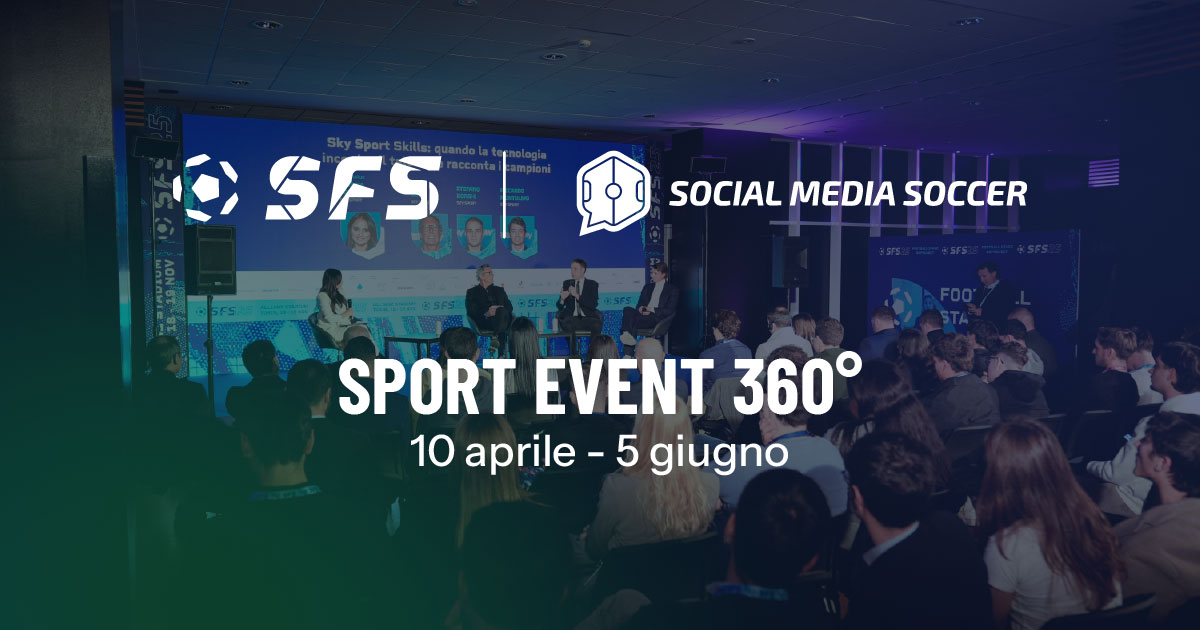
Working in the sport industry: the new training season signed by Social Media Soccer and SFS
The stage of Turin's Allianz Stadium, the lights of SFS25 and the excitement of those who, for the first time, were in close contact with the great decision-makers of world soccer. The final lecture of the latest edition of the Social Media Soccer course, hosted at one of Europe's most iconic venues, was not just a closing act, but tangible proof of how excellence training can shorten the distance between the classroom and the field. It is from this very energy

Excellence rebuilding talent: Italian Sports Medicine and Federica Brignone’s “Miracle”
On the international stage, Italy is far more than a cradle of champions; it has become the global gold standard for sports medicine. While the athletes’ talent ignites the arenas, it is the expertise of our surgeons, physiotherapists, and cutting-edge facilities that ensures that talent shines again—even after the most devastating injuries. At SFS, where innovation and performance take center stage, Federica Brignone’s success at the Milano-Cortina 2026 Games stands as the ultimate manifesto of a system that blends surgical engineering,
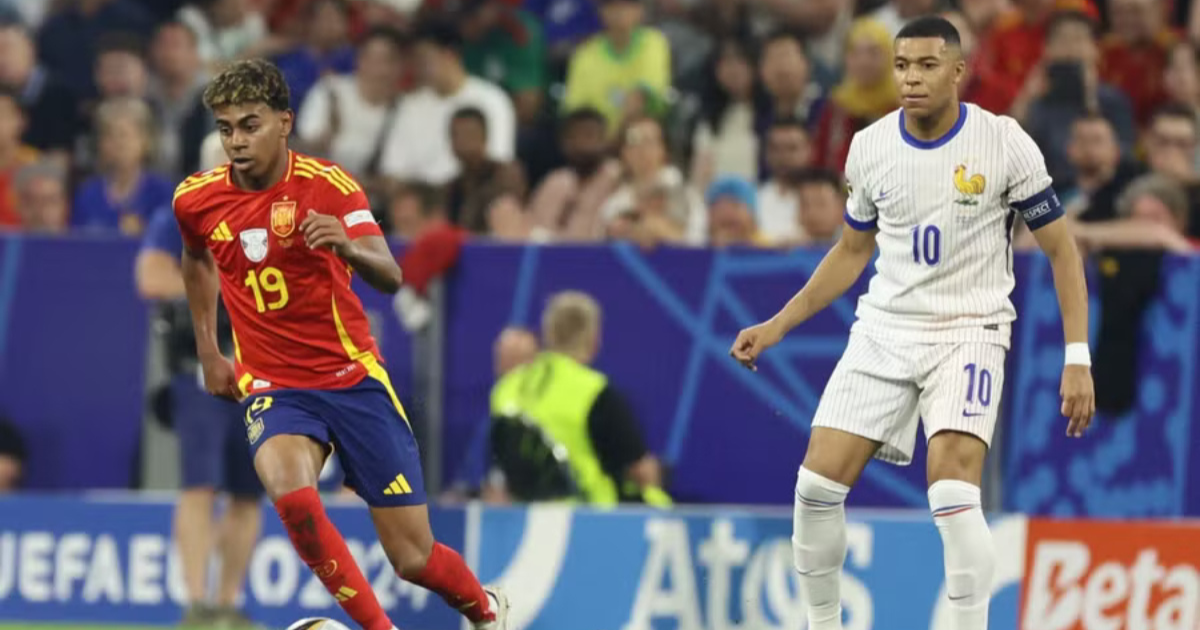
World Cup 2026, it’s still Nike vs adidas: costs, strategies and expected results
The kickoff of the 2026 World Cup is approaching, and while the 48 national teams are warming up for the biggest tournament ever across the USA, Canada, and Mexico, a similarly intense game is being played on the sidelines. It’s the endless duel between the two giants of sportswear: Nike and adidas. With a potential audience approaching 5 billion viewers, this World Cup is not just a sporting event, but the most important marketing and textile engineering laboratory of the decade. The
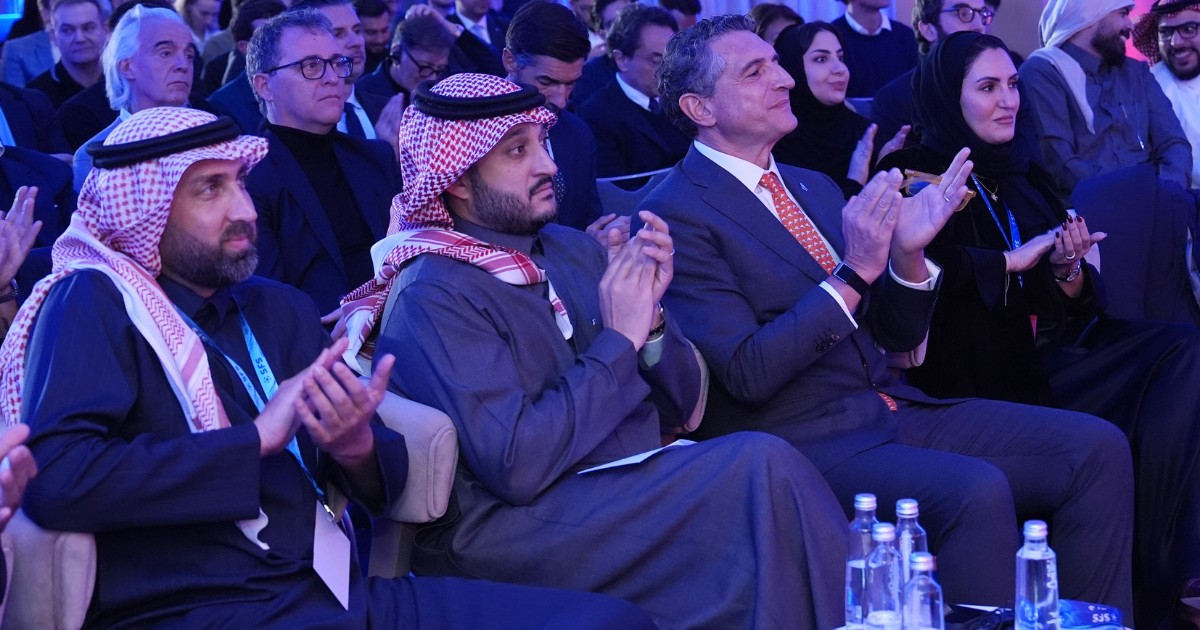
The Italy-Saudi synergy and the Future of the Industry: Insights from the SFS Saudi Edition in Riyadh
Modern football is no longer played solely within the ninety minutes on the pitch; it thrives in a global dimension shaped by diplomacy, infrastructural innovation, and new commercial frontiers. This was the clear message emerging from the second edition of the SFS Saudi Edition in Riyadh, held alongside the Italian Super Cup. The event traced a strategic line between the tradition of Serie A and the ambitions of Saudi Vision 2030, bringing together the decision-makers who are rewriting the rules of the