




Growing attention toward women’s sport creates new possibilities for sports organizations, brands, and investors. However, converting this momentum into commercial growth requires answering precise questions: Who are the fans to win over? What characteristics make a team recognizable? What can a women’s sports organization offer a brand, and what does it take to develop sponsorship value over time?
These decisions are precisely what The Breakaway focuses on as a strategic advisory firm specializing in the business of women’s sport. The Breakaway advises professional sports organizations, brands, and investors based on a core belief: women’s sport demands growth models built on its own distinct characteristics. Its approach combines data, positioning, and operational experience through its proprietary FAIR framework (Fans, Athletes, Identity, and Revenue) to translate audience insights, the role of athletes, and organizational identity into commercial strategies and actionable plans. Among the many projects The Breakaway has contributed to, or built from scratch, three deserve particular mention here.
“EVZ: From Fan Research to Marketing Strategy
EVZ, an ice hockey team competing in Switzerland’s top division, turned to The Breakaway to address a challenge involving its women’s team: understanding which audiences to reach and how to build a lasting relationship with them. The Breakaway conducted a research project utilizing YouGov data to identify two priority audience segments with distinct motivations. Subsequently, these insights were linked with player profiles, exploring their “off-ice” interests and personal stories. From this work, two personas were established, enabling the development of targeted content and activation proposals. The research and data gathered became a concrete foundation to guide marketing efforts, matchday attendance initiatives, and overall fan engagement.

Elitfotboll Dam: Shaping a Distinctive Commercial Offering
In Swedish women’s football, the project with Elitfotboll Dam tackled a complementary challenge: how to make a club’s value clear and relevant to a potential sponsor. In an executive workshop with top-tier club leaders, The Breakaway explored how to integrate athlete visibility, content, community ties, and social initiatives into partnership offerings aligned with corporate brand objectives. The initiative provided frameworks and practical examples for building partnerships around each team’s unique characteristics, expanding commercial strategy well beyond traditional visibility inventory.
Leading Healthcare Enterprise: Maximizing a Sports Sponsorship Portfolio
Another project led by The Breakaway examined the landscape from the sponsor’s perspective. The objective was to make the value of supported sports properties more recognizable and coherent while aligning them with corporate identity and business priorities. The process included stakeholder interviews, channel and content audits, and direct listening sessions with athletes. These inputs informed a clear narrative and activation strategy detailing which stories to tell, which athletes to involve, and which channels and resources to deploy. The strategy also addressed employee engagement and defined criteria to guide future sponsorship decisions.
–
For The Breakaway, building value means connecting these distinct perspectives. Sports organizations must understand and refine their offering; brands must evaluate partnership alignment with their core objectives; and investors must assess commercial potential and execution capabilities. It is precisely through aligning these priorities that opportunities in women’s sport can evolve into sustainable growth projects.
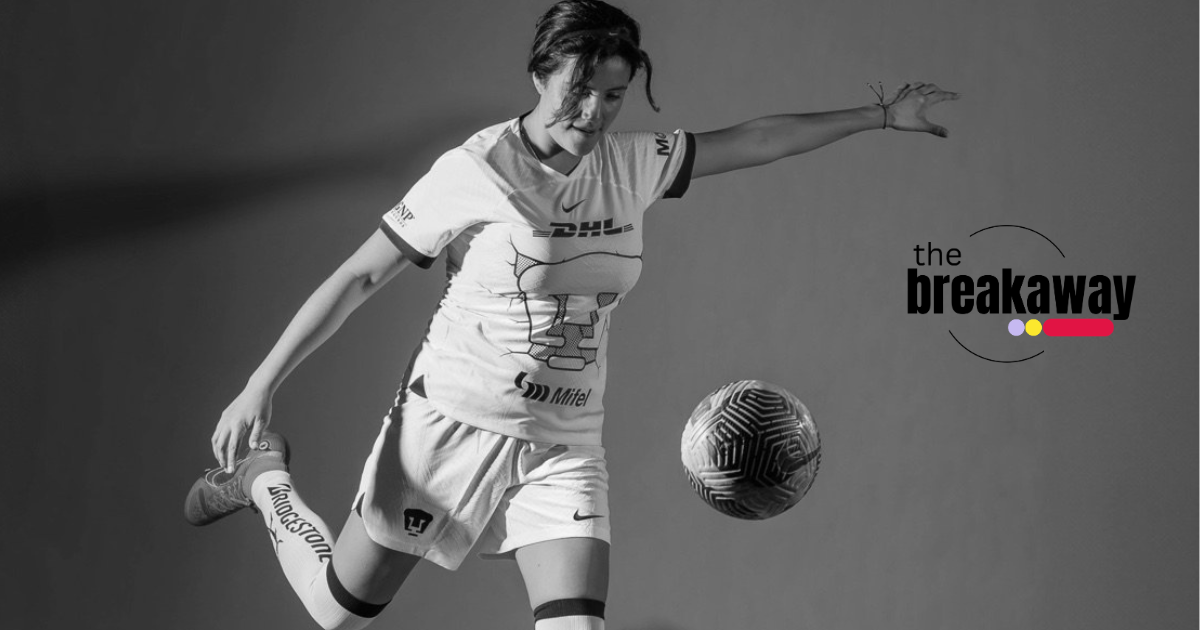
The Breakaway: Transforming Interest in Women’s Sport into Tangible Business Growth for Clubs, Brands, and Investors
Growing attention toward women’s sport creates new possibilities for sports organizations, brands, and investors. However, converting this momentum into commercial growth requires answering precise questions: Who are the fans to win over? What characteristics make a team recognizable? What can a women's sports organization offer a brand, and what does it take to develop sponsorship value over time? These decisions are precisely what The Breakaway focuses on as a strategic advisory firm specializing in the business of women’s sport. The Breakaway
YouGov Joins SFS 26 as Gold Partner: Driving Sports Business through Data, FanIntelligence, and Brand Perception
Social Football Summit (SFS) is thrilled to announce YouGov as a Gold Partner of SFS 26, taking place on November 10–11, 2026, at the Allianz Stadium in Turin. YouGov is a leading global data and market research firm specializing in continuous tracking of consumer and sports fan opinions, behaviors, and brand perceptions worldwide. Leveraging proprietary audience intelligence tools such as YouGov Profiles and daily brand tracking platforms like YouGov BrandIndex, the company equips clubs, leagues, media networks, and sponsor brands
The Breakaway Joins SFS 26 as Gold Partner: Shaping the Commercial Future of Women’s Sport
The Social Football Summit (SFS) is thrilled to announce The Breakaway as a Gold Partner of SFS 26, taking place on November 10–11, 2026, at the prestigious Allianz Stadium in Turin. The Breakaway is a strategy advisory firm dedicated to advancing the business of women’s football and women's sport. Built on the core principle that "women's sport is not a copy of the men's game," the advisory platform works alongside clubs, leagues, federations, brands, and investors to develop distinct, sustainable business

Lazio Region and the Rome Chamber of Commerce at SFS 26: Applications are open for 3 Regional Startups and SMEs
The growth and long-term competitiveness of the modern football industry rely heavily on fresh ideas, emerging technologies, and sustainable business models. In this context, strong collaboration between public institutions and innovation hubs represents a critical engine for connecting regional entrepreneurial ecosystems with the broader dynamics of international sports business. Reflecting this commitment to regional economic development, the Rome Chamber of Commerce—supported by its Special Agency Sviluppo e Territorio—and the Lazio Region, through Lazio Innova, have launched a joint public call. Together,
Technology, Sustainability, and Strategic Advisory: AI Week, ESGeo – RISE, and Football Benchmark Join SFS 26 as Premium Partners
The transformation of the modern football industry demands the integration of multidisciplinary expertise and the adoption of high operational standards across all organizational levels. In an industry rapidly evolving toward increasingly complex business models, sports entities require strategic partners capable of driving technological innovation, corporate sustainability, and data-backed financial decisions. Against this backdrop, Social Football Summit is proud to announce AI WEEK, ESGeo – RISE | Sustainability for Sport, and Football Benchmark as Premium Partners of SFS 26. These three international leaders

Athletes as Growth Partners
Using faces in a campaign is easy. Building value together with female athletes requires active listening, expertise, clear rules, and shared goals. MOMENTUM | The Business of Women’s Sport — by SFS × The Breakaway FAIR Pillar: Athletes In the commercial jargon of sports, female athletes often appear at the very end: a post, an appearance at an event, a few pieces of content for a sponsor. They are cataloged among the available inventory, right alongside pitchside LEDs and logos on jerseys. It is
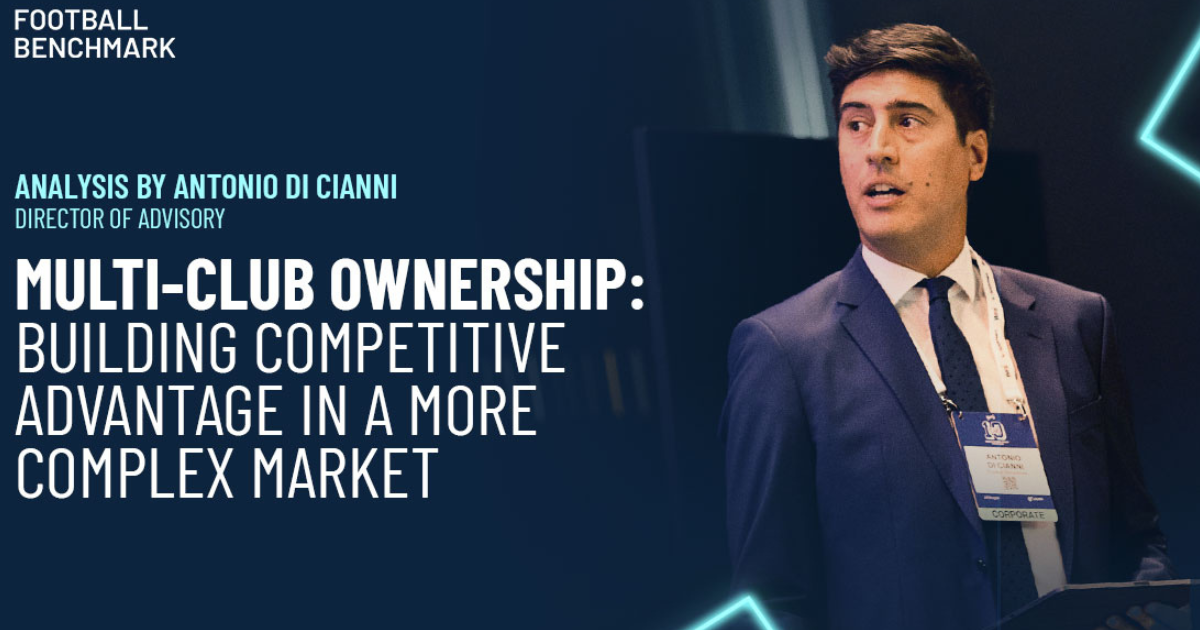
Multi-club ownership: Building competitive advantage in a more complex market
Following Football Benchmark’s multi-club ownership workshop at World Football Summit Madrid, Antonio Di Cianni, Director of Advisory, considers where MCOs can create value and the strategic and regulatory challenges that investors must address. Multi-club ownership has become an established part of the global football investment landscape. The number of MCO groups worldwide increased from 18 in 2012 to 152 in 2024, while the number of clubs within these structures rose from 40 to 380 over the same period. Eight of the
Audience Doesn’t Show Up by Chance: It Is Built
One of the most common mistakes when constructing the "women’s sport" product is mistaking sporadic attention for an ongoing relationship. Major events can generate interest, but transforming that interest into a habit requires vision, strategy, and data. MOMENTUM | The Business of Women’s Sport — by SFS × The Breakaway FAIR Pillar: Fans Numbers matter more and more when discussing the women’s sport fanbase, but it isn’t a competition to see who draws the largest audience for a single match: the audience is
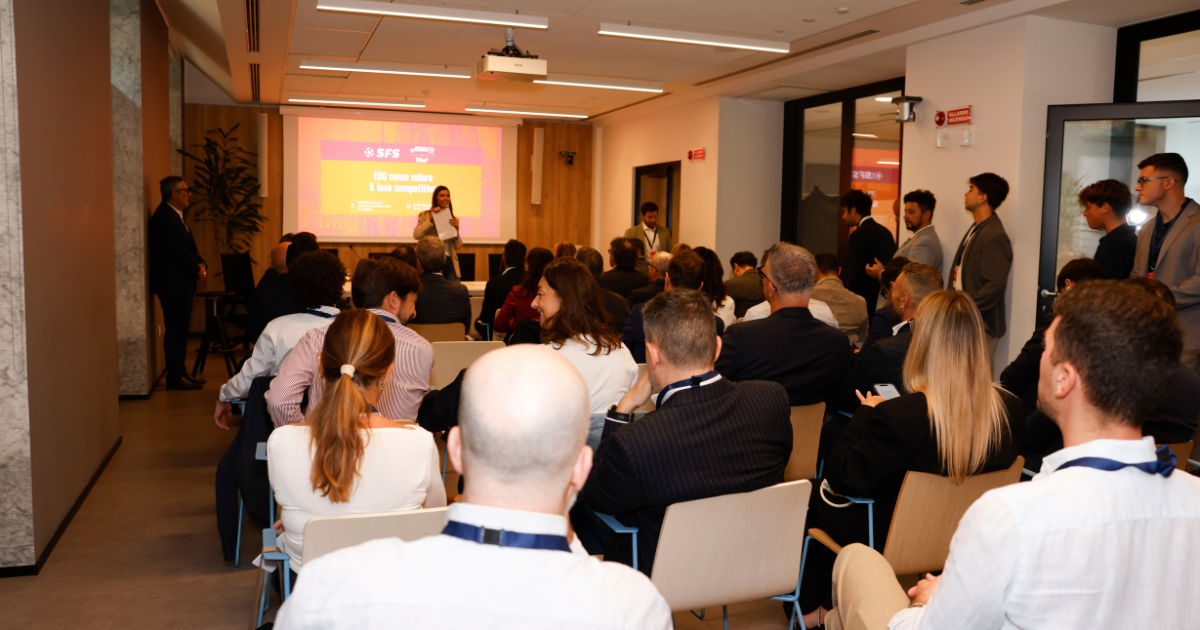
Football and ESG: Sustainability as the New Strategic and Economic Lever for the Sports Business
How can professional football and ESG sustainability principles be reconciled? Above all, how can the industry prove that environmental, social, and governance commitments are not added costs or synonyms for austerity, but extraordinary opportunities to generate new commercial value? These key questions were addressed at the latest SFS Snack Milano event, organized by the Social Football Summit in collaboration with ESGeo | RISE and hosted at the headquarters of Gruppo Avvale. This high-profile gathering brought together leagues, clubs, international brands, and
INSIDE SUSTAINABLE LEAGUES
“Inside Sustainable Leagues” is an editorial series exploring how some of the world’s leading football leagues are structuring sustainability through different models, activations and tools. Having previously looked at governance, operational structures and the ways in which sustainability is brought into the calendar, the fourth article shifts the focus to another key dimension: the ability to communicate this journey and make it understandable to external audiences. Accessibility: Creating a recognisable space The first element is perhaps also the most immediate: making this commitment